Pula Arena things to do, attractions, restaurants, events info and trip planning
Basic Info
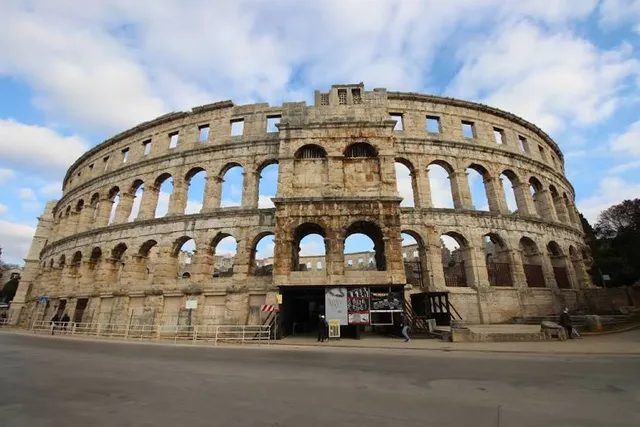
Pula Arena
Flavijevska ul., 52100, Pula, Croatia
4.6(24.4K)
Open 24 hours


tickets
Save
spot
spot
Ratings & Description
Info
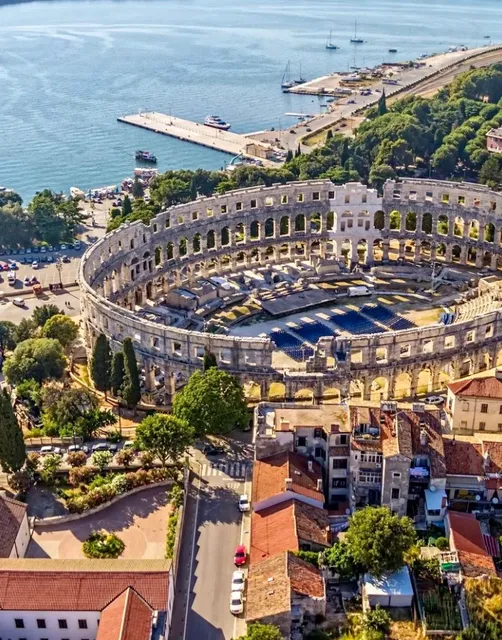
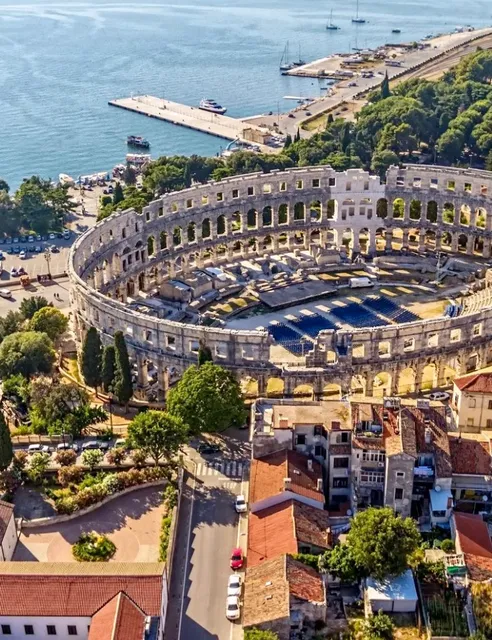
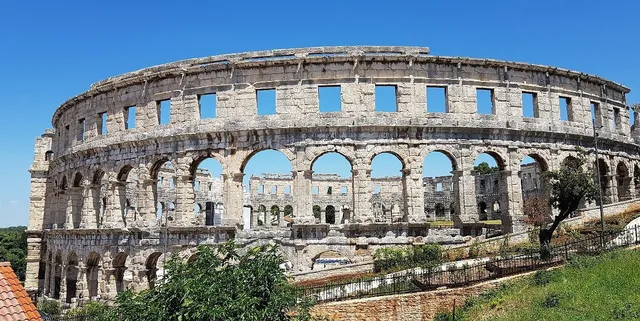
The Pula Arena is a Roman amphitheatre located in Pula, Croatia. It is the only remaining Roman amphitheatre to have four side towers entirely preserved. It was constructed between 27 BC and AD 68, and is among the world's six largest surviving Roman arenas.
Cultural
Outdoor
Accessibility
attractions: Istrian olive oil museum, Tito's Park, Zerostrasse, MEMO Museum of Good Memories and Letterpress Gallery, Twin Gate, Pula Citadel, The small Roman amphitheater in Pula, Gate of Hercules, Contemporary Art Museum of Istria, Cathedral of the Assumption of the Blessed Virgin Mary, restaurants: BACKYARD TRATTORIA, Kod Kadre, Pizzeria Jupiter, Osteria Food & Wine, aROMA gelato experience Boutique Pula, The Shipyard Pub, Restoran Momento, Rendez-vous, Street Food Two, Agrippina Street Food, local businesses: Stay Inn Arena, San Martino Rooms, Aurora rooms B&B Pula
 Learn more insights from Wanderboat AI.
Phone
+385 52 219 028
Website
ami-pula.hr
Plan your stay

Pet-friendly Hotels in Grad Pula
Find a cozy hotel nearby and make it a full experience.

Affordable Hotels in Grad Pula
Find a cozy hotel nearby and make it a full experience.

The Coolest Hotels You Haven't Heard Of (Yet)
Find a cozy hotel nearby and make it a full experience.

Trending Stays Worth the Hype in Grad Pula
Find a cozy hotel nearby and make it a full experience.
Reviews
Live events
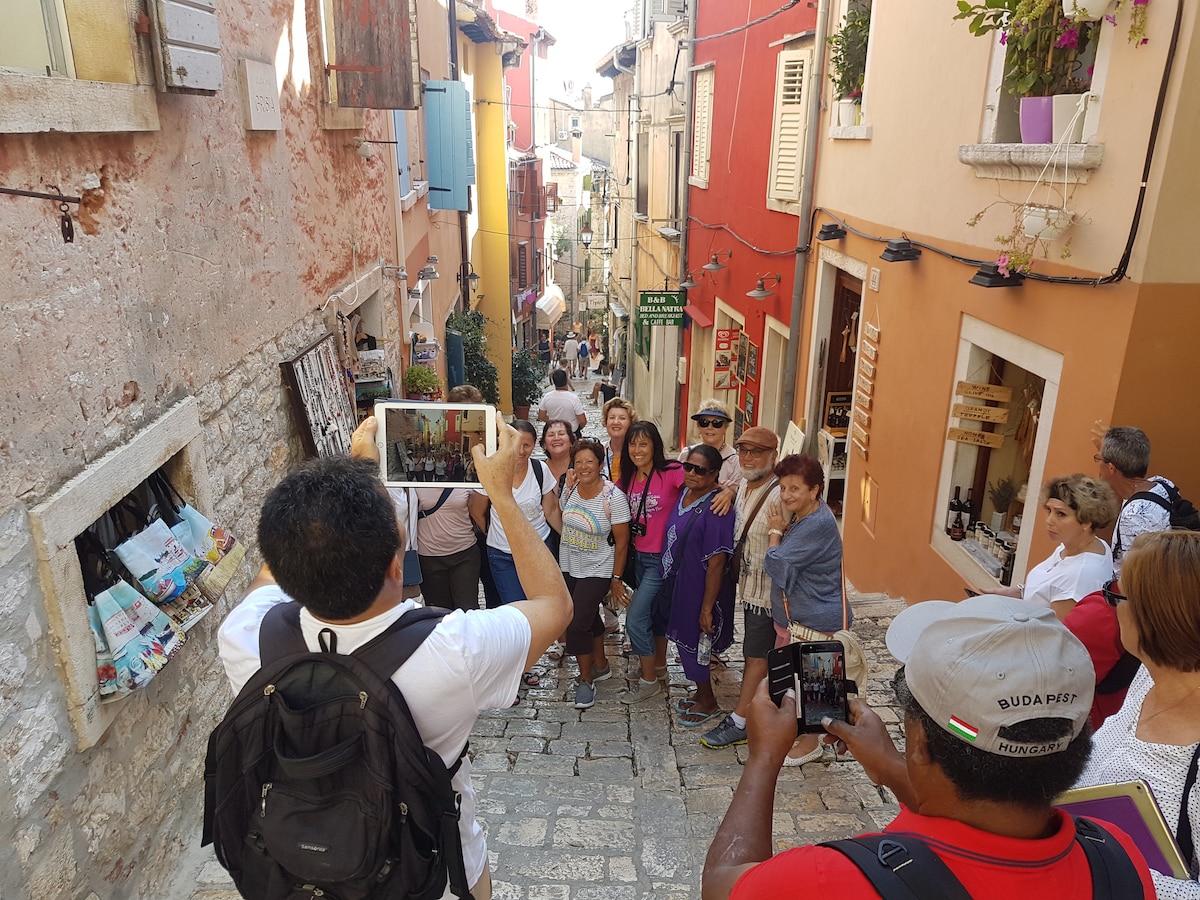
Discover Rovinjs hidden secrets
Wed, Feb 25 • 12:00 PM
52210, Rovinj, Croatia
View details
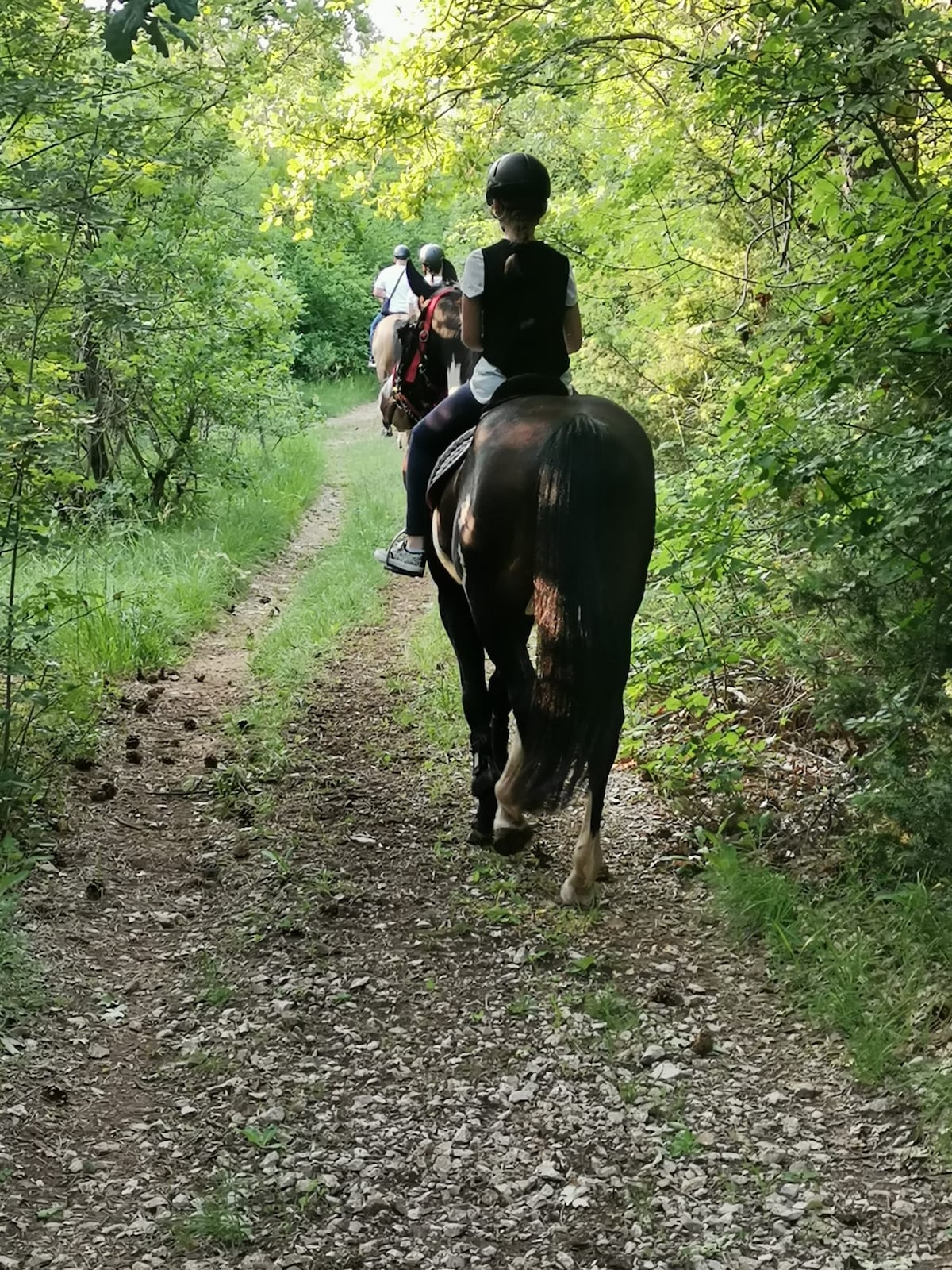
Short forest adventure
Fri, Feb 20 • 3:00 PM
52220, Gora Glušići, Croatia
View details
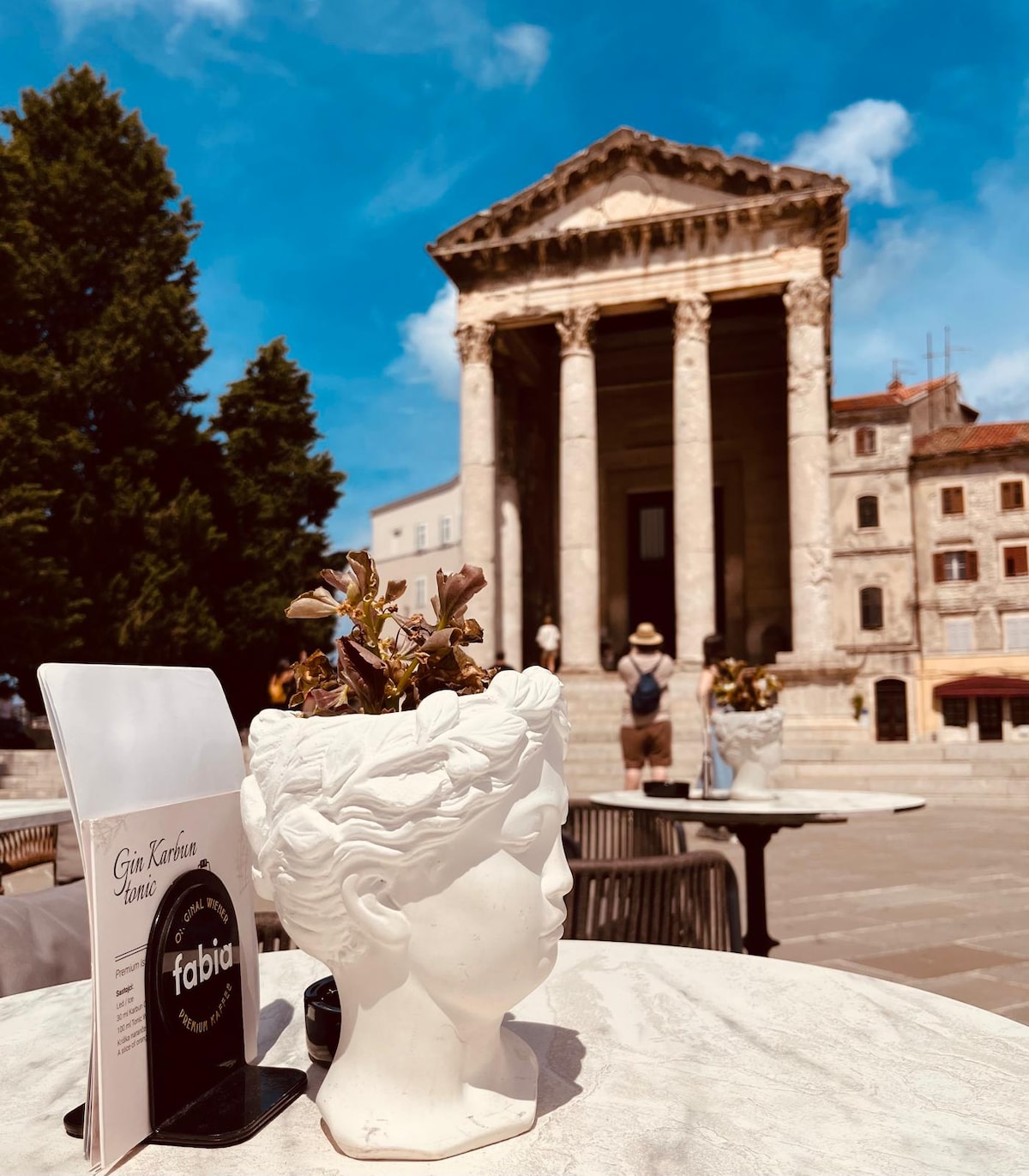
Historical tour of Pula with a local
Fri, Feb 20 • 9:30 PM
52100, Pula, Croatia
View details
Nearby attractions of Pula Arena
Istrian olive oil museum
Tito's Park
Zerostrasse
MEMO Museum of Good Memories and Letterpress Gallery
Twin Gate
Pula Citadel
The small Roman amphitheater in Pula
Gate of Hercules
Contemporary Art Museum of Istria
Cathedral of the Assumption of the Blessed Virgin Mary
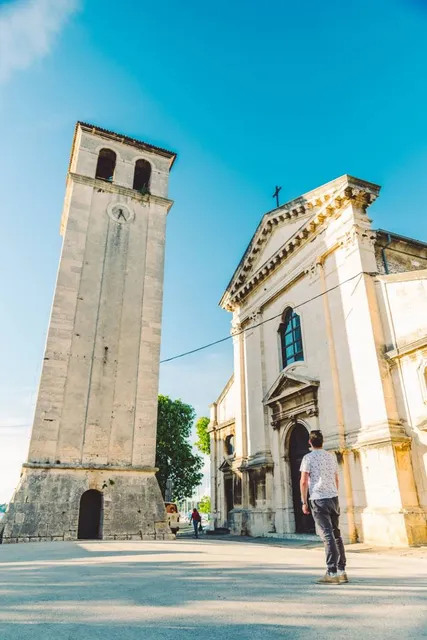
Istrian olive oil museum
4.7
(371)
Closed
Click for details
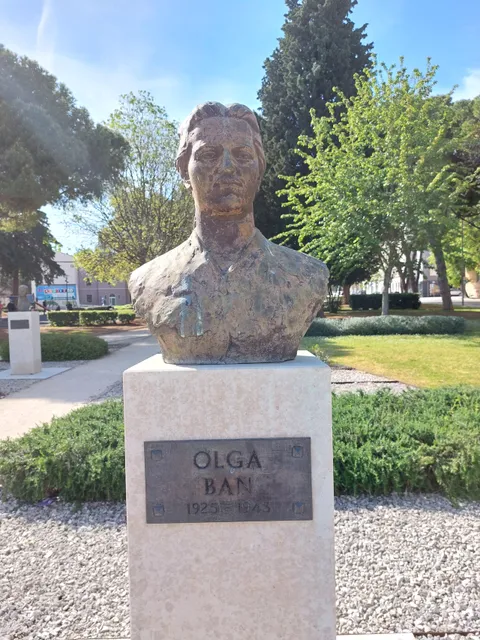
Tito's Park
4.5
(591)
Open until 12:00 AM
Click for details
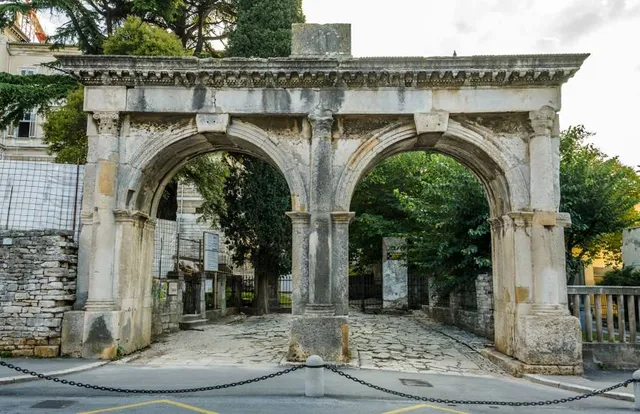
Zerostrasse
4.3
(855)
Closed
Click for details
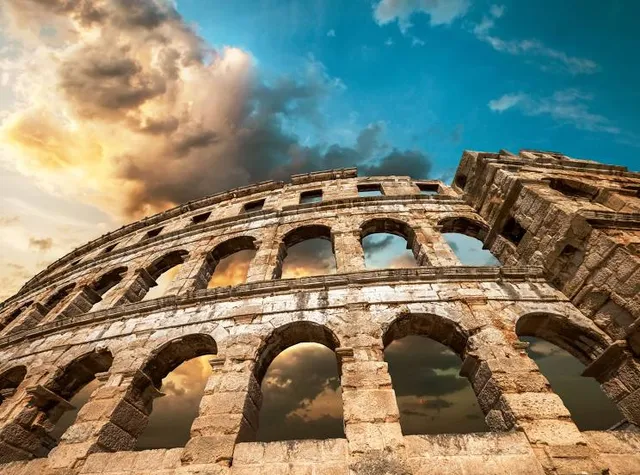
MEMO Museum of Good Memories and Letterpress Gallery
4.1
(73)
Open 24 hours
Click for details
Nearby restaurants of Pula Arena
BACKYARD TRATTORIA
Kod Kadre
Pizzeria Jupiter
Osteria Food & Wine
aROMA gelato experience Boutique Pula
The Shipyard Pub
Restoran Momento
Rendez-vous
Street Food Two
Agrippina Street Food

BACKYARD TRATTORIA
4.8
(440)
Click for details
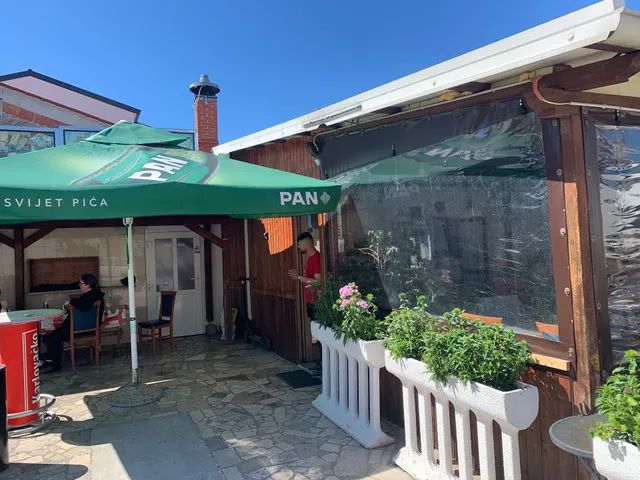
Kod Kadre
4.5
(1.2K)
Closed
Click for details
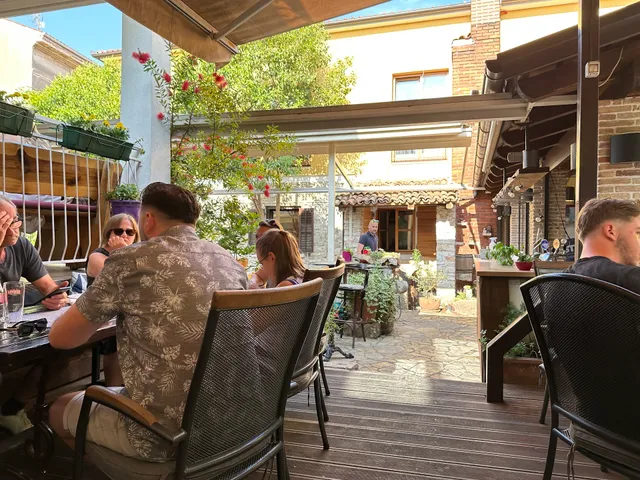
Pizzeria Jupiter
4.7
(5.6K)
Closed
Click for details
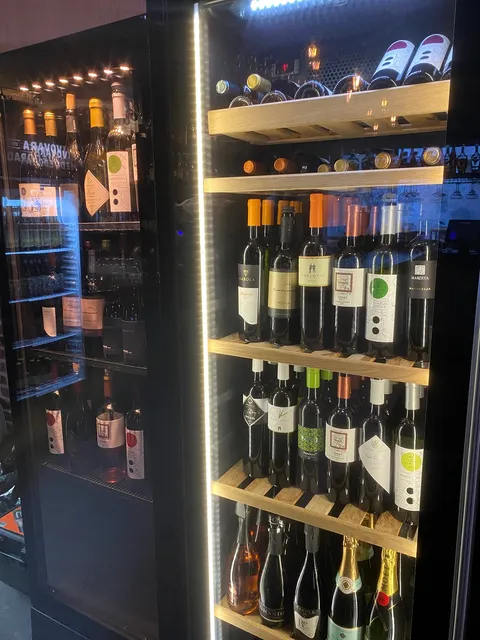
Osteria Food & Wine
4.4
(124)
Closed
Click for details
Nearby local services of Pula Arena
Stay Inn Arena
San Martino Rooms
Aurora rooms B&B Pula
Stay Inn Arena
4.9
(12)
Click for details
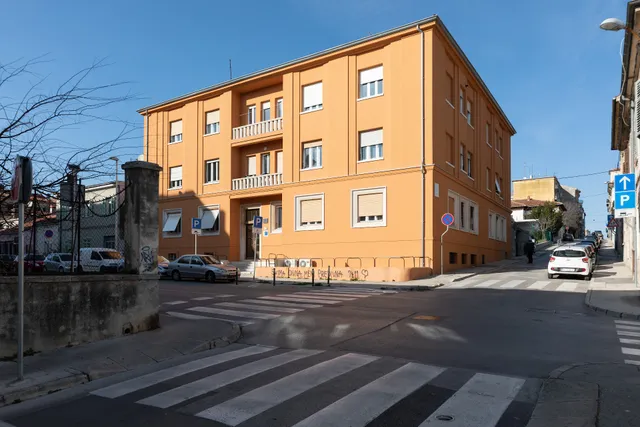
San Martino Rooms
4.8
(44)
Click for details
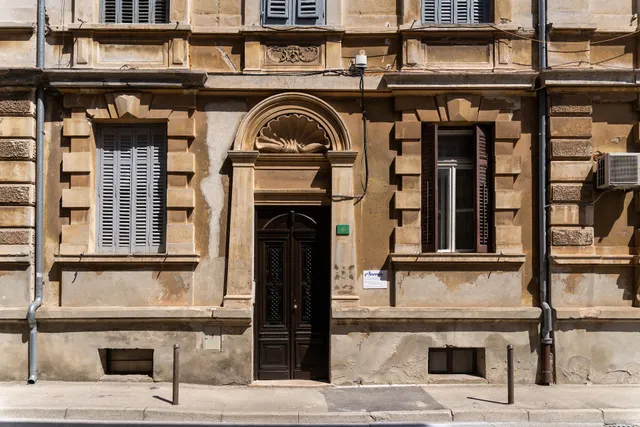
Aurora rooms B&B Pula
4.8
(27)
Click for details