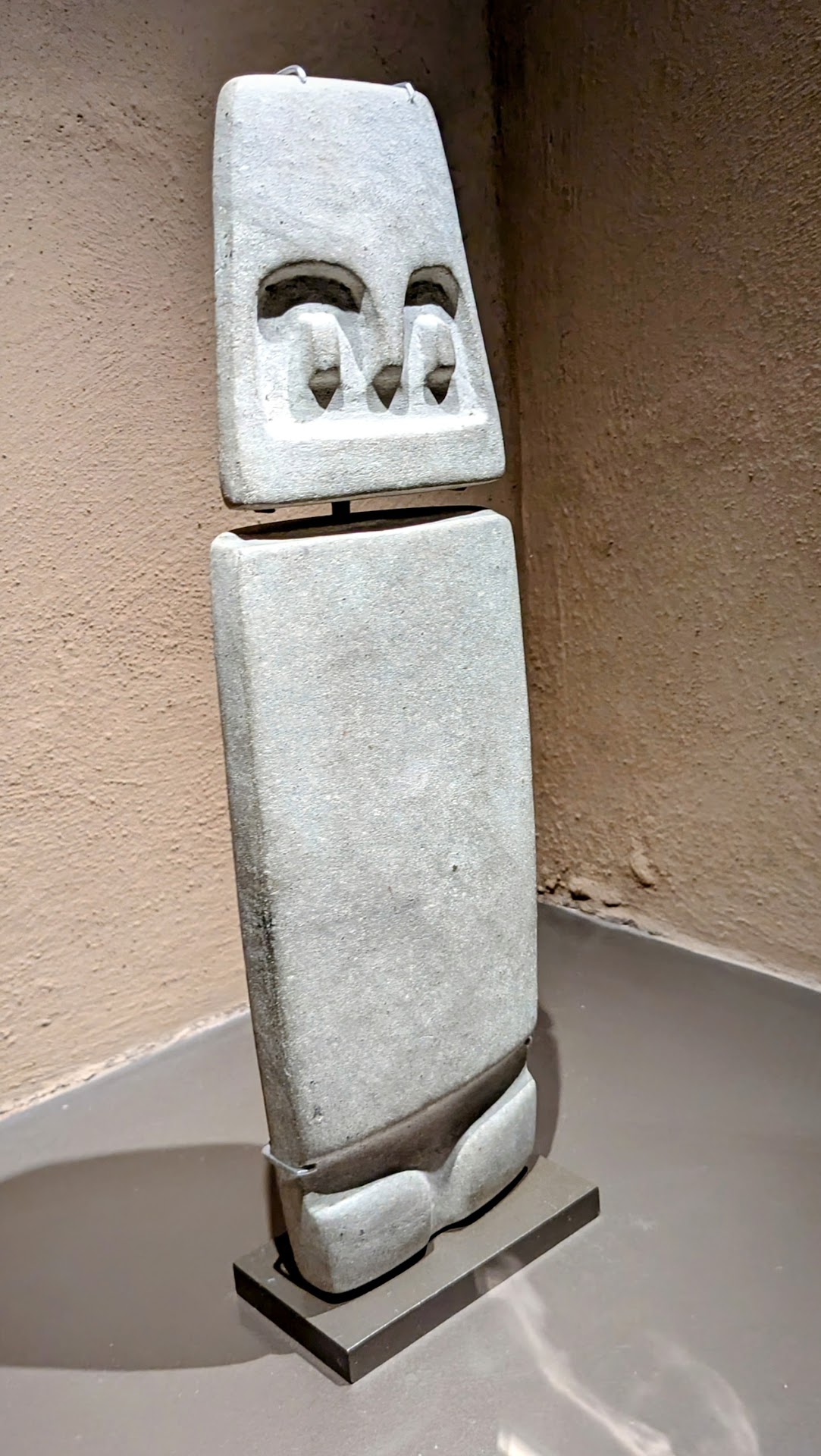
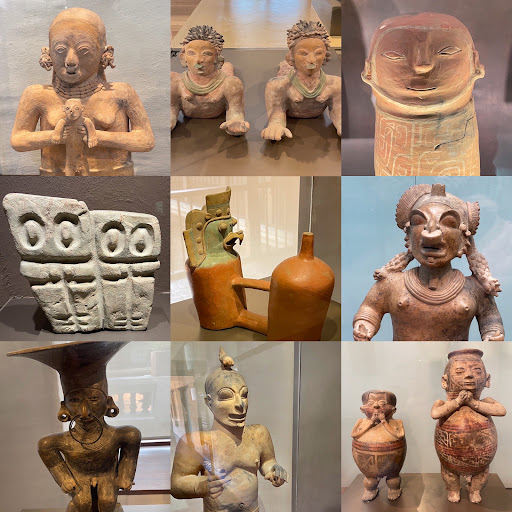
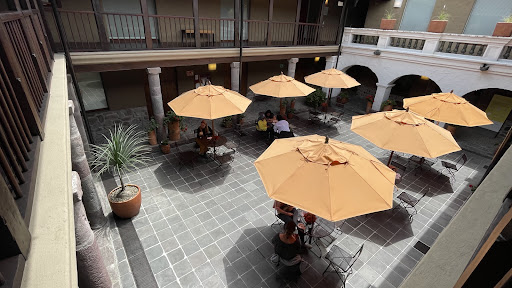
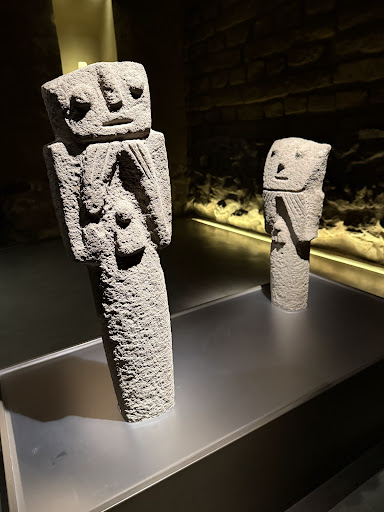
Casa del Alabado Pre-Columbian Art Museum things to do, attractions, restaurants, events info and trip planning
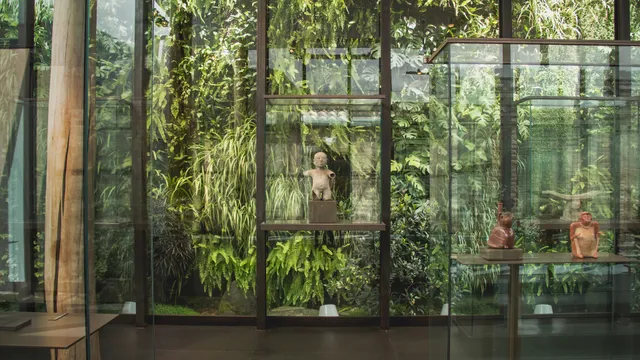
Basic Info
Casa del Alabado Pre-Columbian Art Museum
Cuenca N1-41, Quito 170401, Ecuador
4.8(551)
Open until 12:00 AM
tickets
Save
spot
spot
Ratings & Description
Info
Cultural
Family friendly
Accessibility
attractions: San Francisco Catholic Church, Museum of the City, Church of the Society of Jesus, Iglesia de El Carmen Alto, Museo del Pasillo., Museo del Carmen Alto, Calle La Ronda, Independence Square, San Francisco Convent, Museo Casa de Sucre, restaurants: Restaurante Casa Gangotena, La Capilla Restaurant, San Ignacio, Modelo, Cafe Caribe, Ceviches El Kon-Ch-Rito, DonCho Chocho y choclo, Claroscuro Gastro Bar, La Negra Mala, Misky Food Experiences, local businesses: Pre-Columbian Art Museum House of Praise, Yumbos Chocolate, Santa Clara Monastery, Chapel of Cantuña, Basilica of Our Lady of Mercy, La Basílica, Altamira Experience, Casa De Las Artes 999 La Ronda, Monastery of the Immaculate Conception / Conceptionists / Church of Our Lady of the Good Success, Church of the Immaculate Conception / Conceptionists / Church of Our Lady of the Good Event
 Learn more insights from Wanderboat AI.
Phone
+593 2-228-0772
Website
alabado.org
Open hoursSee all hours
TueClosedOpen
Plan your stay

Pet-friendly Hotels in Centro Histórico
Find a cozy hotel nearby and make it a full experience.

Affordable Hotels in Centro Histórico
Find a cozy hotel nearby and make it a full experience.

The Coolest Hotels You Haven't Heard Of (Yet)
Find a cozy hotel nearby and make it a full experience.

Trending Stays Worth the Hype in Centro Histórico
Find a cozy hotel nearby and make it a full experience.
Reviews
Live events
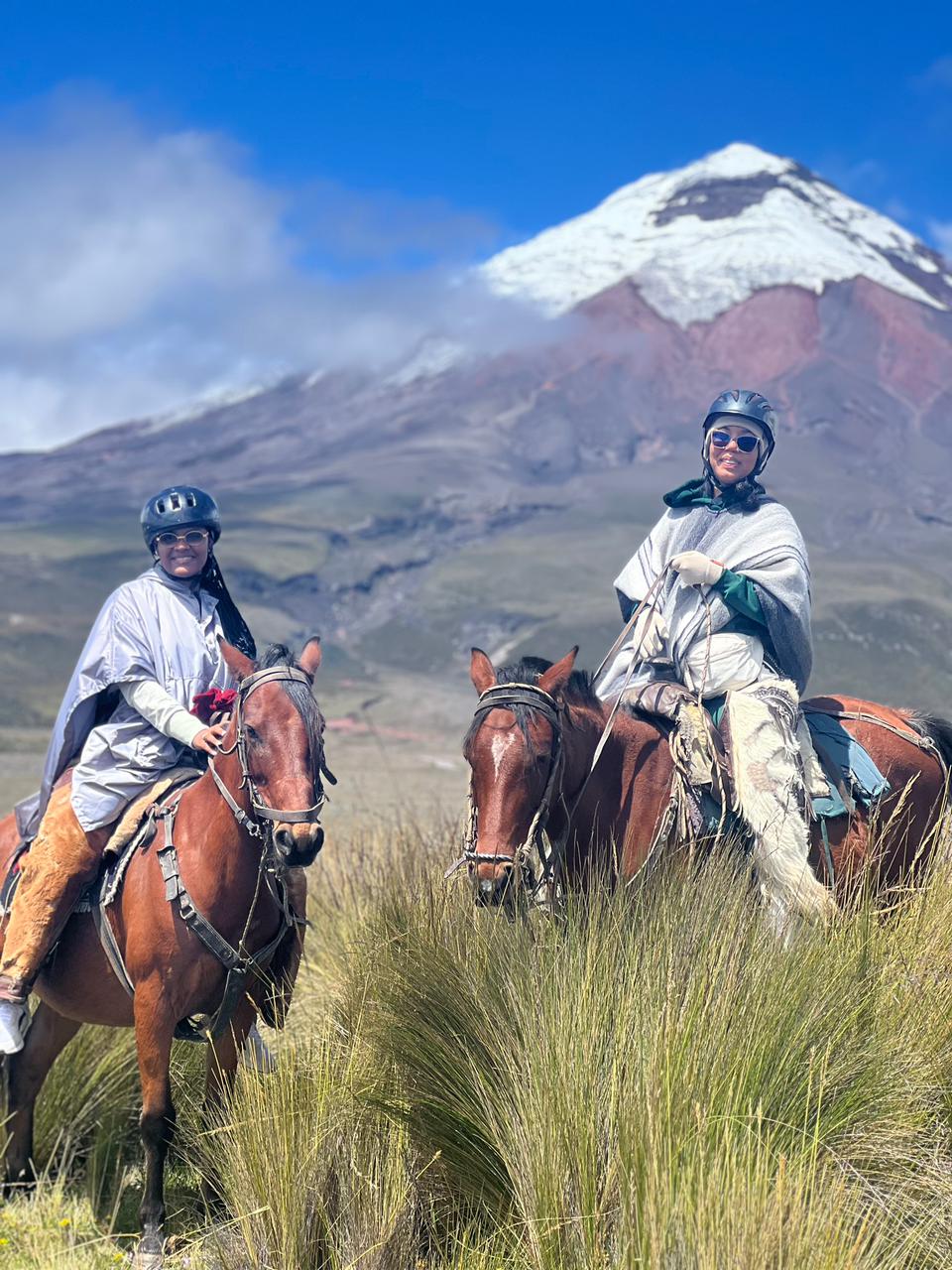
Cotopaxi on Horseback and Hike by No ToURISTY WaY
Tue, Feb 24 • 7:00 AM
Quito, Pichincha, 170517, Ecuador
View details
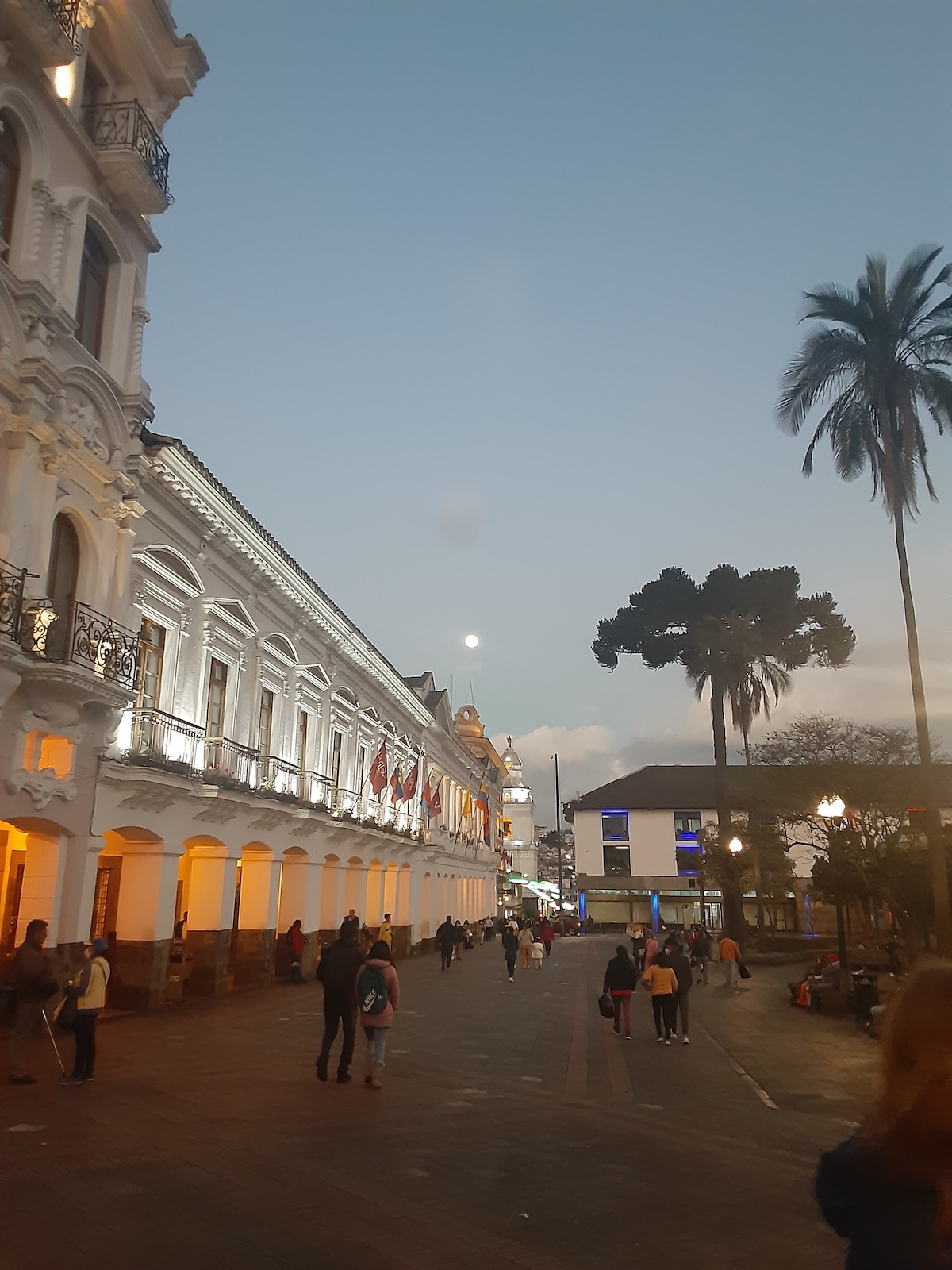
Explore Quito’s Old Town through food & history
Tue, Feb 24 • 10:00 AM
Quito, Pichincha, 170143, Ecuador
View details
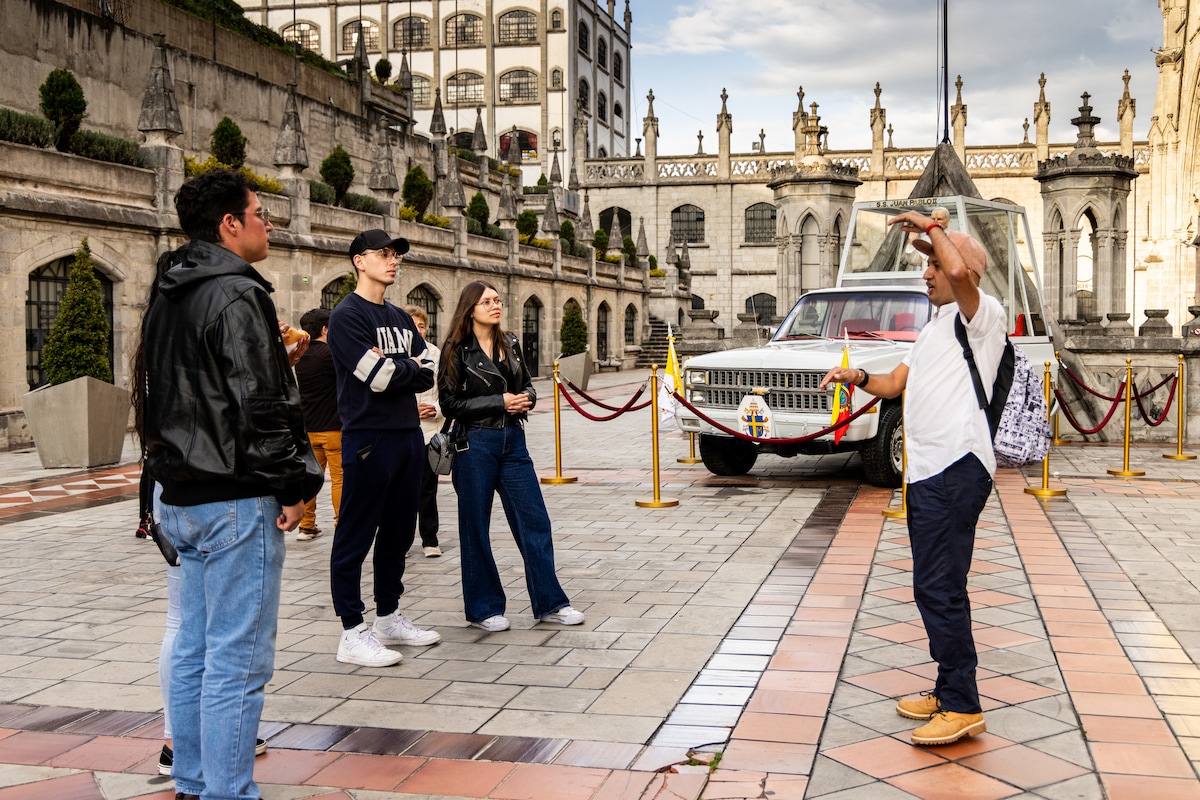
Discover the historic center of Quito, history and more
Tue, Feb 24 • 10:00 AM
Quito, Pichincha, 0000, Ecuador
View details
Nearby attractions of Casa del Alabado Pre-Columbian Art Museum
San Francisco Catholic Church
Museum of the City
Church of the Society of Jesus
Iglesia de El Carmen Alto
Museo del Pasillo.
Museo del Carmen Alto
Calle La Ronda
Independence Square
San Francisco Convent
Museo Casa de Sucre
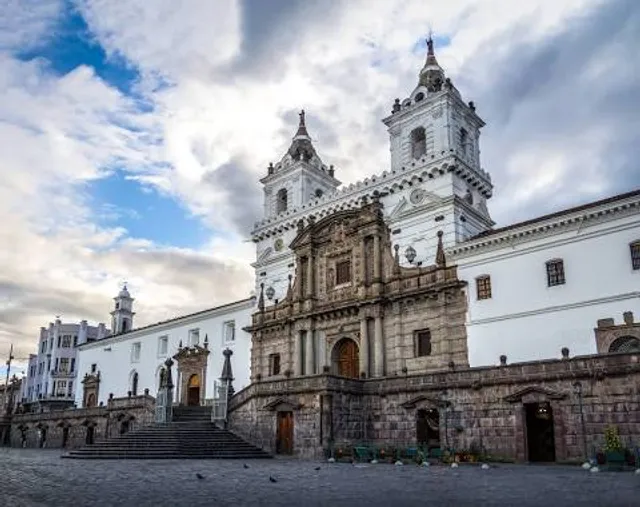
San Francisco Catholic Church
4.8
(2.4K)
Closed
Click for details
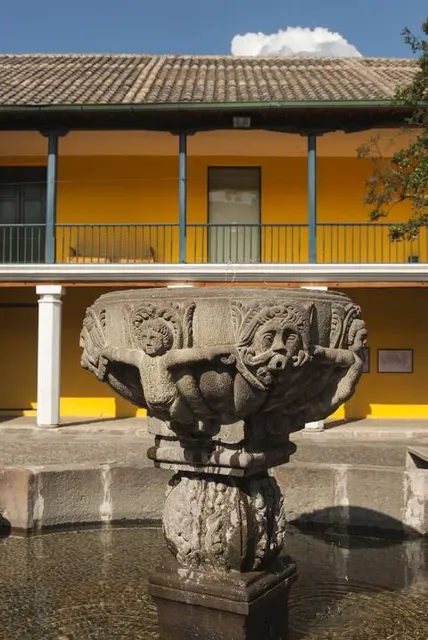
Museum of the City
4.7
(1.2K)
Open until 12:00 AM
Click for details
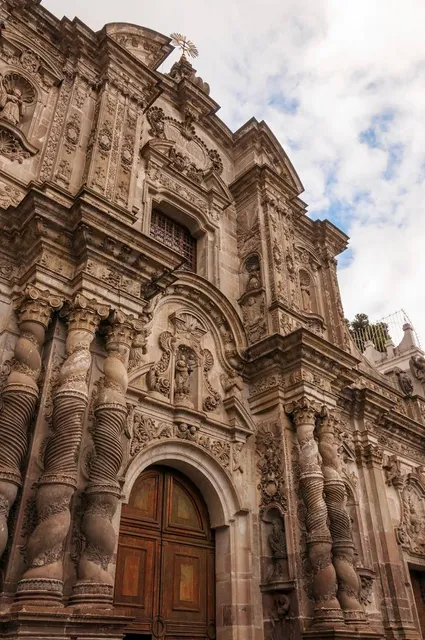
Church of the Society of Jesus
4.8
(1.8K)
Closed
Click for details
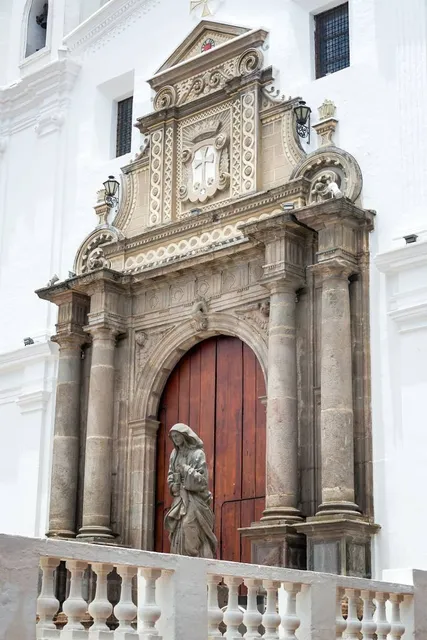
Iglesia de El Carmen Alto
4.7
(188)
Closed
Click for details
Nearby restaurants of Casa del Alabado Pre-Columbian Art Museum
Restaurante Casa Gangotena
La Capilla Restaurant
San Ignacio
Modelo
Cafe Caribe
Ceviches El Kon-Ch-Rito
DonCho Chocho y choclo
Claroscuro Gastro Bar
La Negra Mala
Misky Food Experiences
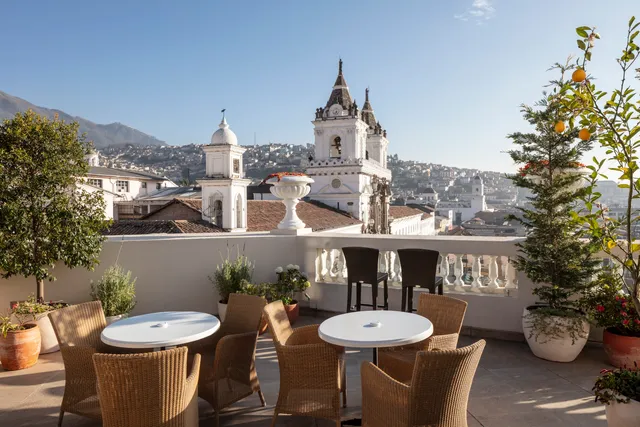
Restaurante Casa Gangotena
4.7
(346)
$$$
Closed
Click for details
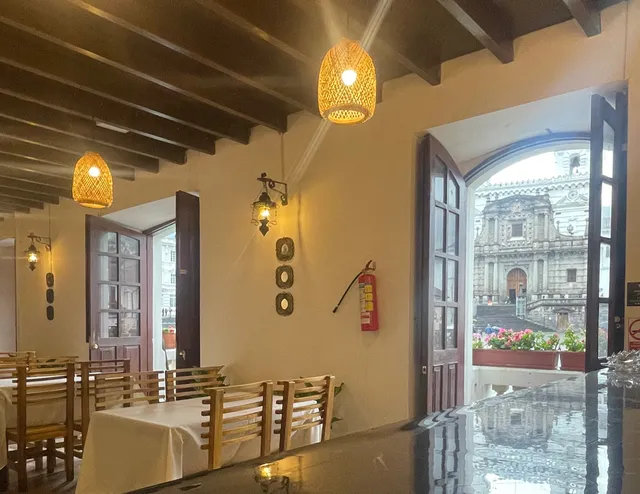
La Capilla Restaurant
4.2
(370)
Closed
Click for details
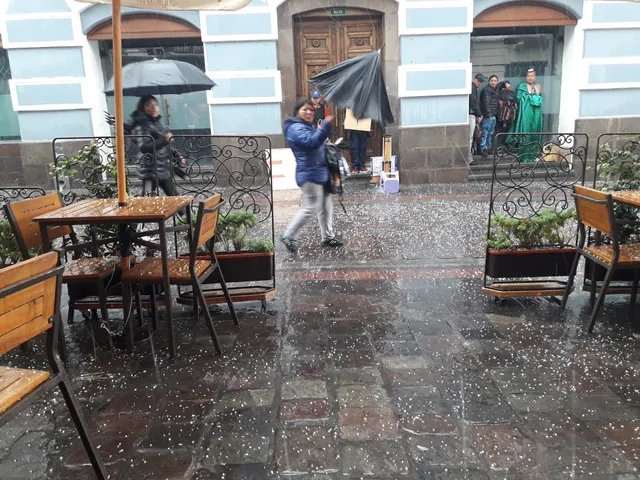
San Ignacio
4.4
(620)
$
Closed
Click for details

Modelo
4.3
(923)
$
Closed
Click for details
Nearby local services of Casa del Alabado Pre-Columbian Art Museum
Pre-Columbian Art Museum House of Praise
Yumbos Chocolate
Santa Clara Monastery
Chapel of Cantuña
Basilica of Our Lady of Mercy
La Basílica
Altamira Experience
Casa De Las Artes 999 La Ronda
Monastery of the Immaculate Conception / Conceptionists / Church of Our Lady of the Good Success
Church of the Immaculate Conception / Conceptionists / Church of Our Lady of the Good Event
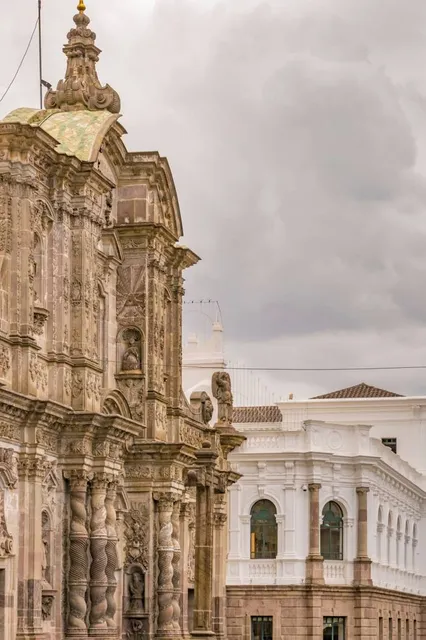
Pre-Columbian Art Museum House of Praise
4.8
(470)
Click for details
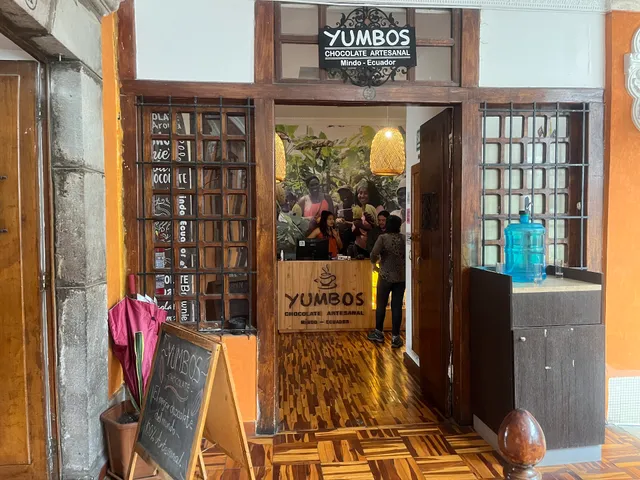
Yumbos Chocolate
4.8
(316)
Click for details
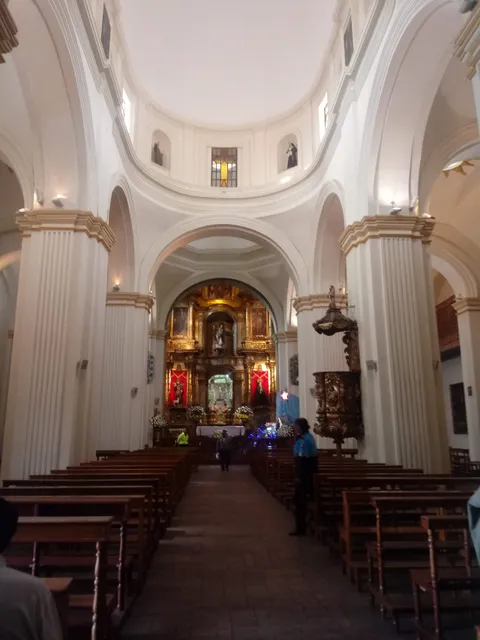
Santa Clara Monastery
4.5
(36)
Click for details
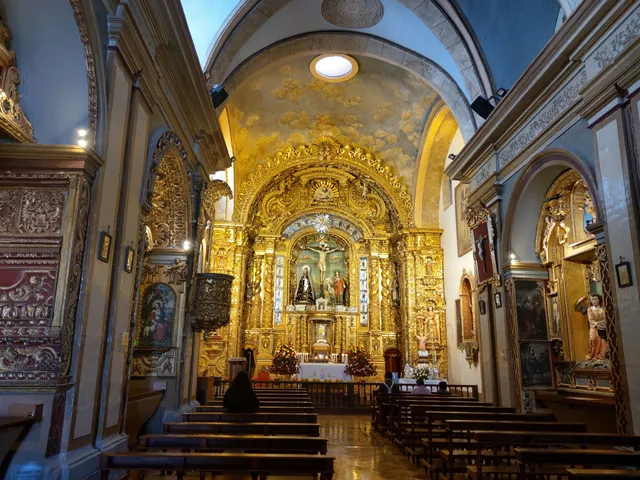
Chapel of Cantuña
4.5
(34)
Click for details