HTML SitemapExplore
logo
Find Things to DoFind The Best Restaurants

Greco-Roman Museum — Attraction in Alexandria

Name
Greco-Roman Museum
Description
Nearby attractions
Al Qaaed Ibrahim Basha Mosque
6W33+7G4, Mahta Al Raml Sq., Al Mesallah Sharq, Al Attarin, Alexandria Governorate 5373010, Egypt
Ancient Roman Theater, Alexandria
Ismail Mahana Road أمام محطة مصرالسكة الحديدية, Kom Ad Dakah Gharb, Al Attarin, Alexandria Governorate 21517, Egypt
Alexandria Opera House
22 طريق الحرية (شارع فؤاد) ، المسلة شرق، العطارين،، طريق الحرية، الإسكندرية،, Egypt
Cavafy Museum
off Salah Moustafa street, at the end of Cavafy street. 2nd floor، 6 متفرع من ش اسطنبول، محطة الرمل, Al Attarin, Alexandria Governorate, Egypt
El Nabi Daniel Mosque
21 Al Naby Danyal, Kom Ad Dakah Gharb, Al Attarin, Alexandria Governorate 5371040, Egypt
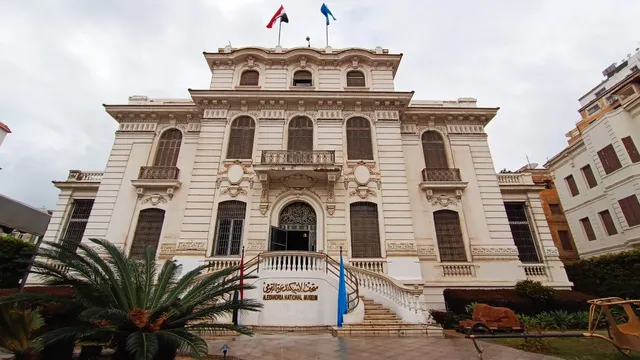
Alexandria National Museum
131 El-Shaheed Galal El-Desouky, Bab Sharqi WA Wabour Al Meyah, Bab Shar', Alexandria Governorate 5423004, Egypt
St. Mark's Cathedral in Alexandria
19 Al Akbat Church, محطة الرمل، Al Attarin, Alexandria Governorate 5372014, Egypt
Eliahu Hanavi Synagogue
Al Naby Danyal, Al Mesallah Sharq, Al Attarin, Alexandria Governorate 5372030, Egypt
Al Shalalat Park
6W37+3RF, Bab Sharqi WA Wabour Al Meyah, Bab Shar', Alexandria Governorate 5423005, Egypt
Museum of Fine Arts, Alexandria
5WW7+38V, El-Mohandes Ahmed Ismail, Emberouz WA Moharram Beik, Moharam Bek, Alexandria Governorate 5413416, Egypt
Nearby restaurants
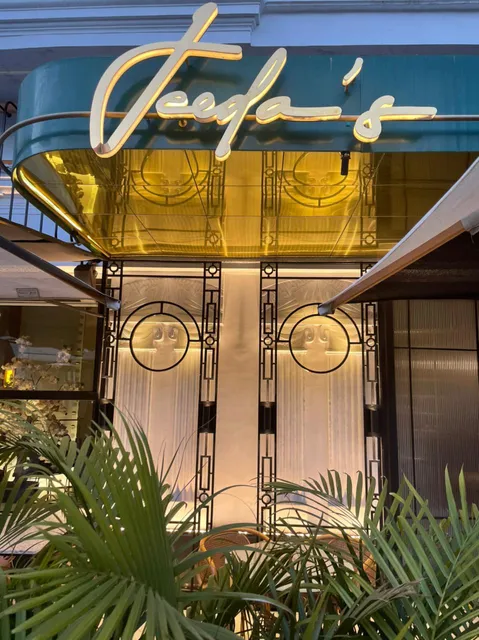
Jeeda's
39 Horreya Avenue, Kom Ad Dakah Gharb, Al Attarin, Alexandria Governorate 21500, Egypt
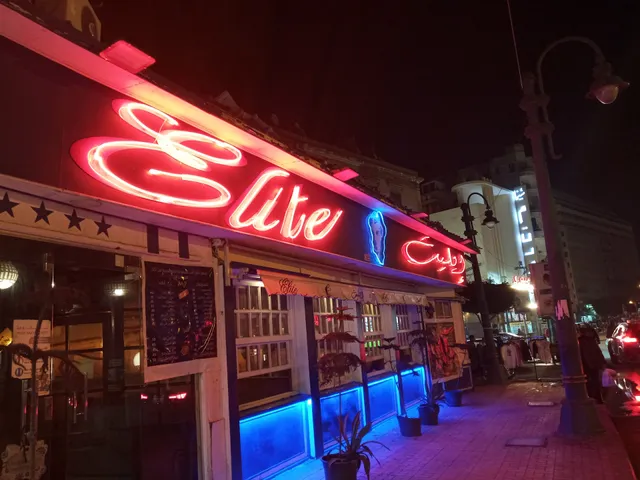
elite
٤٣ صفية زغلول, Mahta Al Raml Sq., Alexandria Governorate, Egypt
Santa Lucia
40 شارع صفية زغلول, Al Mesallah Sharq, محطة الرمل،, Alexandria Governorate 5372024, Egypt
Chez Gaby Au Ritrovo
22 El-Horeya Rd, Al Mesallah Sharq, Al Attarin, Alexandria Governorate 5372020, Egypt
بهيج ملك الفوسفور العجيب
9 Saad Zaghloul Square, Mahta Al Raml Sq., Al Attarin, Alexandria Governorate 5372045, Egypt
Teatro Eskendria
5WW3+F57, Al Shawa, Kom Ad Dakah Gharb, Al Attarin, Alexandria Governorate 5371041, Egypt
Brazilian Coffee Stores
قسم باب, Chompolion St, Al Azaritah WA Ash Shatebi, Bab Shar', Alexandria Governorate 21131, Egypt
McDonald's Mahatet Alraml
66, Safeia Zagloul St., El، 66 شارع صفية زغلول, Al Attarin, Alexandria Governorate, Egypt
Délices Patisserie Alexandria
Raml Station, 46 Saad Zaghloul, Al Mesallah Sharq, Al Attarin, Alexandria Governorate 5372044, Egypt
Lail Caffè & Restaurant
2 Dr Abd Al Rafea Belal, Al Mesallah Sharq, Al Attarin, Alexandria Governorate 5372065, Egypt
Nearby hotels
Borg El Thaghr
5WW5+XHX, 44 El-Horeya Rd, Kom Ad Dakah Gharb, Al Attarin, Alexandria Governorate 5371042, Egypt
Royal Jewel Al-Raml Hotel
Station, Alexandar Akbar St. - Al Kaed, Ibrahim Mosque, El Raml 2, Alexandria Governorate 21563, Egypt
Sea Star Hotel
24 Amin Fekry, Al Mesallah Sharq, Al Attarin, Alexandria Governorate 5372064, Egypt
Paradise Inn - Le Metropole Hotel
52 Saad Zaglol، Street, Raml Station, Al Mesallah Sharq, Al Attarin, Alexandria Governorate, Egypt
Agora House for men only 仅限男性
52 صفيه زغلول, Mahta Al Raml Sq., 21563, Egypt
محطه الرمل الاسكندريه
6W33+56G, Mahta Al Raml Sq., Al Mesallah Sharq, Al Attarin, Alexandria Governorate 5373010, Egypt
Misr Hotel
21 Amin Fekry, Al Mesallah Sharq, Al Attarin, Alexandria Governorate 5372064, Egypt
Semiramis Hotel
6W22+Q65, El-Gaish Rd, Al Mesallah Sharq, Al Attarin, Alexandria Governorate 5373002, Egypt
Hyde Park House Hotel
21 Dr Abd Al Rafea Belal, Al Mesallah Sharq, Al Attarin, Alexandria Governorate 21517, Egypt
Steigenberger Cecil Alexandria
Raml Station، 16 Saad Zaghloul Square, Al Mesallah Gharb WA Sharif Basha, Al Attarin, Alexandria Governorate 21500, Egypt
Related posts
Keywords
Greco-Roman Museum tourism.Greco-Roman Museum hotels.Greco-Roman Museum bed and breakfast. flights to Greco-Roman Museum.Greco-Roman Museum attractions.Greco-Roman Museum restaurants.Greco-Roman Museum travel.Greco-Roman Museum travel guide.Greco-Roman Museum travel blog.Greco-Roman Museum pictures.Greco-Roman Museum photos.Greco-Roman Museum travel tips.Greco-Roman Museum maps.Greco-Roman Museum things to do.
Greco-Roman Museum things to do, attractions, restaurants, events info and trip planning
Greco-Roman Museum
EgyptAlexandriaGreco-Roman Museum

Basic Info

Greco-Roman Museum

Al Mesallah Sharq, Al Attarin, Alexandria Governorate 5372053, Egypt
4.6(1.3K)
Open 24 hours
Save
spot

Ratings & Description

Info

Cultural
Family friendly
Accessibility
attractions: Al Qaaed Ibrahim Basha Mosque, Ancient Roman Theater, Alexandria, Alexandria Opera House, Cavafy Museum, El Nabi Daniel Mosque, Alexandria National Museum, St. Mark's Cathedral in Alexandria, Eliahu Hanavi Synagogue, Al Shalalat Park, Museum of Fine Arts, Alexandria, restaurants: Jeeda's, elite, Santa Lucia, Chez Gaby Au Ritrovo, بهيج ملك الفوسفور العجيب, Teatro Eskendria, Brazilian Coffee Stores, McDonald's Mahatet Alraml, Délices Patisserie Alexandria, Lail Caffè & Restaurant
logoLearn more insights from Wanderboat AI.
Phone
+20 3 4225327
Website
alexandria.gov.eg

Plan your stay

hotel
Pet-friendly Hotels in Alexandria
Find a cozy hotel nearby and make it a full experience.
hotel
Affordable Hotels in Alexandria
Find a cozy hotel nearby and make it a full experience.
hotel
The Coolest Hotels You Haven't Heard Of (Yet)
Find a cozy hotel nearby and make it a full experience.
hotel
Trending Stays Worth the Hype in Alexandria
Find a cozy hotel nearby and make it a full experience.

Reviews

Nearby attractions of Greco-Roman Museum

Al Qaaed Ibrahim Basha Mosque

Ancient Roman Theater, Alexandria

Alexandria Opera House

Cavafy Museum

El Nabi Daniel Mosque

Alexandria National Museum

St. Mark's Cathedral in Alexandria

Eliahu Hanavi Synagogue

Al Shalalat Park

Museum of Fine Arts, Alexandria

Al Qaaed Ibrahim Basha Mosque

Al Qaaed Ibrahim Basha Mosque

4.7

(1.9K)

Open 24 hours
Click for details
Ancient Roman Theater, Alexandria

Ancient Roman Theater, Alexandria

4.4

(2.8K)

Open 24 hours
Click for details
Alexandria Opera House

Alexandria Opera House

4.7

(1.0K)

Open 24 hours
Click for details
Cavafy Museum

Cavafy Museum

4.3

(360)

Closed
Click for details

Things to do nearby

Walk Alexandria’s ancient streets with a historian
Sun, Dec 7 • 6:00 AM
Al Azaritah WA Ash Shatebi, Alexandria Governorate, 5424020, Egypt
View details
Uncover Alexandrias hidden gems
Sun, Dec 7 • 8:00 AM
Al Azaritah WA Ash Shatebi, Alexandria Governorate, 21526, Egypt
View details
Taste street food with a local expert
Sun, Dec 7 • 3:00 PM
Sidi Beshr Bahri, Alexandria Governorate, 5517186, Egypt
View details

Nearby restaurants of Greco-Roman Museum

Jeeda's

elite

Santa Lucia

Chez Gaby Au Ritrovo

بهيج ملك الفوسفور العجيب

Teatro Eskendria

Brazilian Coffee Stores

McDonald's Mahatet Alraml

Délices Patisserie Alexandria

Lail Caffè & Restaurant

Jeeda's

Jeeda's

4.5

(611)

Click for details
elite

elite

4.2

(168)

Click for details
Santa Lucia

Santa Lucia

4.5

(386)

$$$

Click for details
Chez Gaby Au Ritrovo

Chez Gaby Au Ritrovo

4.3

(1.3K)

Click for details
Get the Appoverlay
Get the AppOne tap to find yournext favorite spots!
Wanderboat LogoWanderboat

Your everyday Al companion for getaway ideas

CompanyAbout Us
InformationAI Trip PlannerSitemap
SocialXInstagramTiktokLinkedin
LegalTerms of ServicePrivacy Policy

Get the app

© 2025 Wanderboat. All rights reserved.
logo

Reviews of Greco-Roman Museum

4.6
(1,253)
avatar
5.0
47w

A Hidden Gem in Alexandria:

Immerse yourself in the rich history and culture of ancient Alexandria at the remarkable Greco-Roman Museum.

Located just a 9-minute walk from the bustling Alexandria National Museum (a must see also), this hidden gem offers a unique blend of Roman and Pharaonic artifacts, showcasing the city's vibrant past as a melting pot of civilizations.

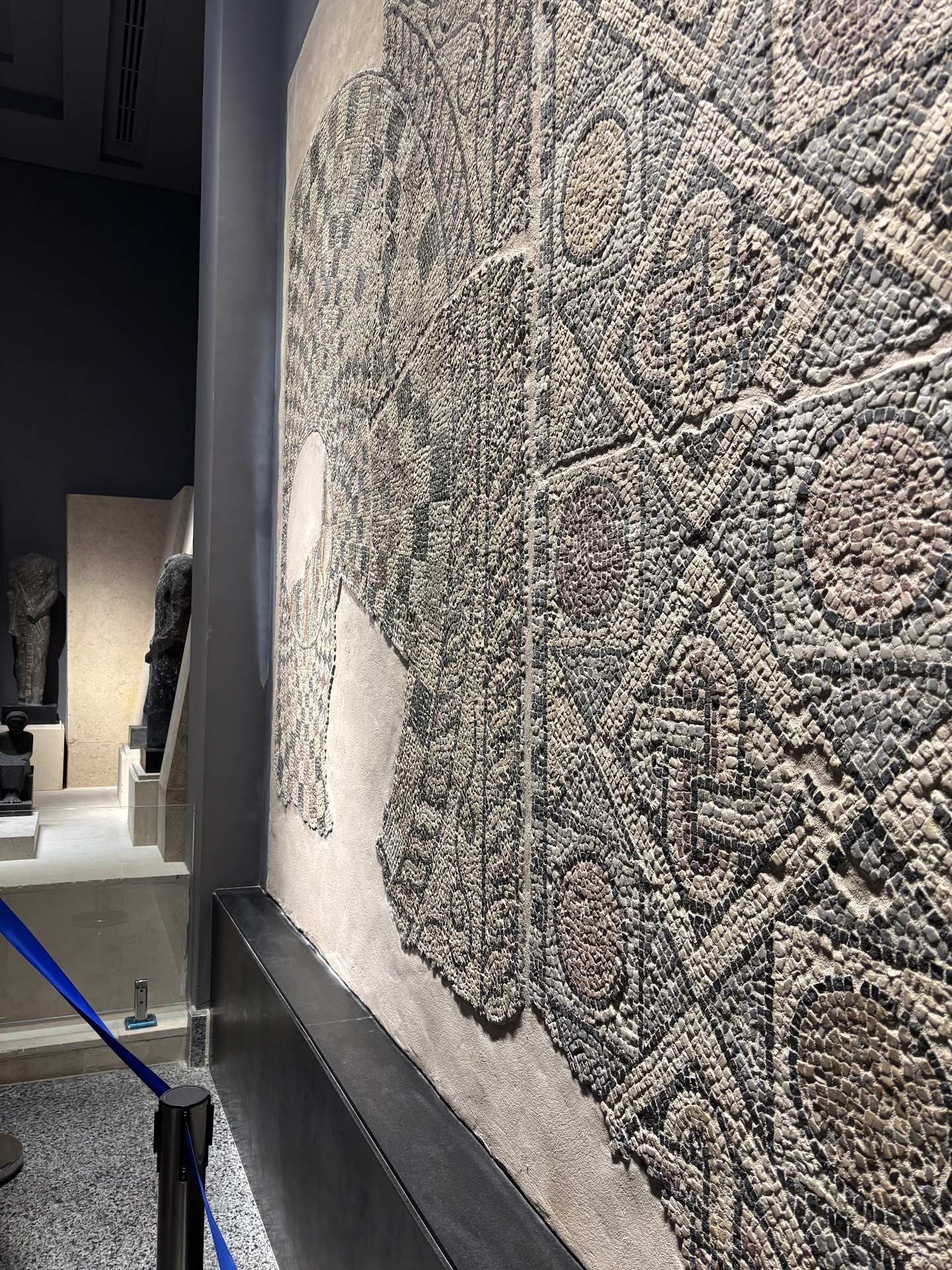
Step into a beautifully restored Italianate villa, housing a treasure trove of over 40,000 objects, including sculptures, mosaics, woodwork, and coins.

The museum's well-curated collection tells the story of Alexandria from antiquity to the modern era, highlighting its significance as a center of trade and cultural exchange.

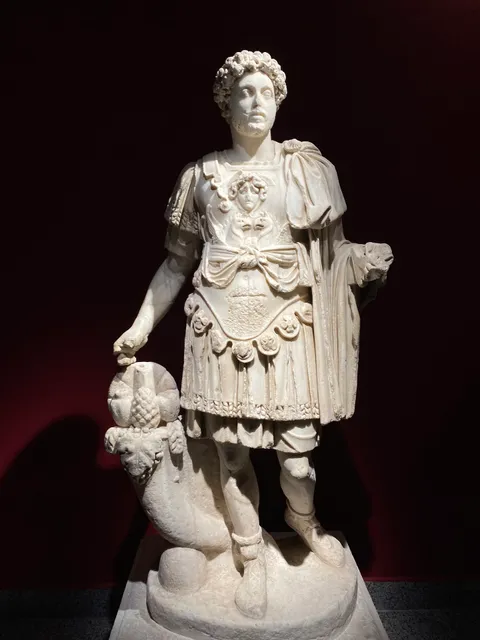
Don't miss the exquisite Tanagra figurines, delicate terracotta statues depicting figures in elaborate attire, offering a glimpse into the fashion and customs of the ancient world.

Explore the museum's ground floor dedicated to the Graeco-Roman period, featuring a sphinx and other sculptures discovered during underwater excavations at Aboukir.

Ascend to the top floor to discover artifacts from the Byzantine, Islamic, and modern periods, including coins, Ottoman weapons, and the exquisite silver shield. Witness the early coexistence of Alexandria's major religions with a carved wooden cross encircled by a crescent.

The museum's accessibility features, including ramps and elevators, ensure that everyone can enjoy its treasures. The clean and well-maintained facilities add to the overall pleasant experience.

While the museum doesn't currently offer guided tours or audio guides, the exhibits are well-labeled and informative, allowing visitors to explore at their own pace.

Before the exit there is a cafeteria to drink and have a desert and also there are nearby dining options within walking distance.

Overall, the Greco-Roman Museum is a hidden gem in Alexandria, offering a fascinating glimpse into the city's rich history and cultural heritage.

Its well-preserved artifacts, accessible facilities, and peaceful atmosphere make it a must-visit for anyone interested in ancient civilizations.

There is underground parking garage and...

   Read more
avatar
5.0
5y

It is one of the most important landmarks of the city of Alexandria, it was officially opened in 1892 AD during the reign of Khedive Abbas Hilmi II, and the aim of constructing this museum was to preserve the monuments discovered in Alexandria. The museum initially included 11 halls and then followed the addition of the halls until the number after the development that took place in 1984 AD reached 27 halls in addition to the museum park. Most of the museum's holdings date back to the period between the third century BC to the third century AD, and include the Ptolemaic and Roman eras, as well as the Coptic era.

The museum continued to perform its scientific, cultural and educational message to Egyptian and foreign visitors until the decision of the Secretary-General of the Supreme Council of Antiquities was issued in 2005 to close the museum for development, which began to be prepared for him to inventory all the museum's holdings and documentation, and to restore what needs to be restored from them before packaging and transfer to museum stores, as well Two sets of objects were loaned to the BA Antiquities Museum and the National Museum of Alexandria for temporary display.

The Library of the Greco-Roman Museum is one of the most important libraries in Alexandria, as it is rich in many rare books, and it has been transferred to a hall in the Maritime Museum so that it will be available to students. In September 2010 AD, the original library ceiling for the second floor was removed as planned according to the new design of the building after the development, but the work was halted after the January 25, 2011 revolution, but this project is currently...

   Read more
avatar
5.0
3y

يعود تميّز المتحف إلى جوانب عدّة، منها موقعه في أحد أقدم الشوارع التاريخية (شارع فؤاد) الذي يعود تاريخه إلى العصر البطلمي، في القرن الثالث قبل الميلاد، حيث كان يسمى طريق كانوب. كما أن واجهة المتحف مسجلة أثرية، ومن المقرر أن يشمل مشروع التطوير والترميم الحفاظ على ملامح المتحف الذي تبلغ مقتنياته نحو 300 ألف قطعة أثرية، مع التطوير وزيادة قاعات متخصصة.

عالم الآثار المصري الدكتور حسين عبد البصير، قال في تصريح خاص لـ«المجلة» إنّ المتحف يعد واحدًا من أهم وأعظم متاحف منطقة حوض البحر المتوسط بأسرها، ويتمركز في أقدم الشوارع الأثرية الأساسية لمدينة الإسكندرية، المدينة العالمية الطابع، والتي كانت تعد حلقة الوصل بين اليونان ومصر قديمًا.

ويوضح أن المتحف افتتح في عهد الخديوي عباس حلمي الثاني في يوم 26 سبتمبر (أيلول) عام 1895م، وقد بني المتحف على عدة مراحل، وفي المرحلة الأولى جُمعت المجموعة الأثرية الأولى في 1892م، وكان قوامها المتحف المصري، وفي المرحلة الثانية اكتمل بناء العشر قاعات الأولى عام 1895م، أما في المرحلة الثالثة فقد أضيفت قاعتان أخيرًا عام 1904م.

كان ذلك جنبًا إلى جنب مع تكوين الجمعية الأثرية في الإسكندرية في 1893 ميلادية كمؤسسة علمية داعمة تنظم البحث العلمي لدراسة الآثار ونشرها.

تأسيس المتحف نفذه نخبة من الخبراء بدءا من الإيطالي جوسيبي بوتي الذي عمل جنبًا إلى جنب مع جاستون ماسبيرو مدير مصلحة الآثار المصرية وأول مدير للمتحف المصري، ثم جاء من بعده إيفرستو بريشيا وأخيل أدرياني في إدارة المتحف، اللذان قاما بإثراء المتحف بحفائرهما التي تمّت داخل الإسكندرية وخارجها مثل حفائر الورديان والأنفوشي والفيوم.

ويلفت عالم الآثار المصري الدكتور حسين عبد البصير إلى أنه تمت زيادة مقتنيات المتحف عبر العصور من خلال الإهداءات السخية من جامعي التحف الأثرية مثل جون أنطونيادس وجليمونوبولو ومنشا باشا وملوك مصر الملك فؤاد الأول والملك فاروق.

ويشير إلى أن مشروع التطوير والتحديث الخاص بالمتحف اليوناني الروماني يراعي الاحتفاظ بواجهة المتحف كلاسيكية الطابع، للتعبير عن الفترة اليونانية المليئة باتجاهات فكرية مختلفة، والتي تعايشت بجانب بعضها البعض، بالإضافة إلى طرح أقسام جديدة في المتحف لخدمة الفكر المتحفي الحديث حتى يكون مؤسسة علمية منافسة على مستوى عالمي، كما أن العرض المتحفي وموضوعات العرض الدائم لسيناريو المتحف الجديد تغطى مساحات تاريخية من تاريخ مصر القديمة بوجه عام، والإسكندرية بوجه خاص.

ويضيف أن العرض المتحفي سيتناول الدولة الحاكمة والحياة السياسية في مصر خلال العصرين البطلمي والروماني، بجانب عرض شكل الحياة اليومية اليونانية والرومانية بالإسكندرية (المجتمع السكندري)، وعرض فكرة الديانة والعبادات في العصرين اليوناني والروماني (العبادات والديانة) من خلال مجموعات المتحف اليوناني الروماني المعروفة والمميزة مثل مجموعة الرأس السوداء، ومجموعة أرض المحمرة، وعرض معبد التمساح- سوبك، والذي يرجع إلى عصر الملك البطلمي بطلميوس السابع.

وينوه إلى أنه سيتم التركيز على فكرة الإسكندرية والمعرفة والعلوم الفكرية حين كانت الإسكندرية منارة للعلوم والثقافات الحضارية المختلفة، وكانت قبلة يحج إليها جميع علماء وفلاسفة العالم القديم لما لها من تأثير ثقافي وحضاري والتعبير عن النشاط الفني بالإسكندرية من خلال المسرح، وطقوس ديونيسوس (راعي المسرح) في الإسكندرية. وسوف يتم عرض التطور العقائدي الجنائزي في العصرين اليوناني والروماني من خلال المومياوات والأواني الكانوبية والتمائم وشواهد القبور الجنائزية وبورتريهات الفيوم والتوابيت عبر العصور المختلفة، التي مرت بها الإسكندرية بوجه خاص ومصر بشكل عام.

كما تطرق إلى أن سيناريو العرض المتحفي سيتضمن عرض الفن البيزنطي والفن القبطي من خلال البقايا المعمارية المميزة (الأفاريز، وزخارف السقوف، وقواعد الأعمدة، والعوارض، والتيجان، والمعموديات، والنسيج، والعملات)، ومجموعة الراعي الصالح من جداريات ومنحوتات ومسارج وقنينات، وفي الطابق الأول المضاف للمتحف، سوف يتم عرض فكرة التجارة والتبادل التجاري والعلاقات الخارجية الاقتصادية والحربية والصناعات الصغيرة والحرف المصرية (العاج، والعظم المشغول، والحلي، والفيانس وورشه، والبرونز، والزجاج) المنتشرة في أرجاء مصر المعمورة في العصور القديمة، والتي كان يتم تبادلها مع بعض الدول الصديق

كما يشير إلى أن المتحف يزود بصالة لكبار الزوار، وقاعة للمؤتمرات، ومكتبة خاصة بالمتحف اليوناني الروماني، والتي تضم أندر الكتب في العالم، وقاعة للتربية المتحفية لجذب الأطفال إلى المتحف من خلال الورش والأنشطة المختلفة التي تهتم برفع الوعي الأثري لدى الأطفال، ويهدف تطوير المتحف اليوناني الروماني إلى تعزيز الرسالة العلمية والثقافية التنويرية للمتحف، كما أن التصور الجديد للمتحف طرح أقساما جديدة بالمتحف لخدمة الفكر...

   Read more
Page 1 of 7
Previous
Next

Posts

Karim ZohdyKarim Zohdy
A Hidden Gem in Alexandria: Immerse yourself in the rich history and culture of ancient Alexandria at the remarkable Greco-Roman Museum. Located just a 9-minute walk from the bustling Alexandria National Museum (a must see also), this hidden gem offers a unique blend of Roman and Pharaonic artifacts, showcasing the city's vibrant past as a melting pot of civilizations. Step into a beautifully restored Italianate villa, housing a treasure trove of over 40,000 objects, including sculptures, mosaics, woodwork, and coins. The museum's well-curated collection tells the story of Alexandria from antiquity to the modern era, highlighting its significance as a center of trade and cultural exchange. Don't miss the exquisite Tanagra figurines, delicate terracotta statues depicting figures in elaborate attire, offering a glimpse into the fashion and customs of the ancient world. Explore the museum's ground floor dedicated to the Graeco-Roman period, featuring a sphinx and other sculptures discovered during underwater excavations at Aboukir. Ascend to the top floor to discover artifacts from the Byzantine, Islamic, and modern periods, including coins, Ottoman weapons, and the exquisite silver shield. Witness the early coexistence of Alexandria's major religions with a carved wooden cross encircled by a crescent. The museum's accessibility features, including ramps and elevators, ensure that everyone can enjoy its treasures. The clean and well-maintained facilities add to the overall pleasant experience. While the museum doesn't currently offer guided tours or audio guides, the exhibits are well-labeled and informative, allowing visitors to explore at their own pace. Before the exit there is a cafeteria to drink and have a desert and also there are nearby dining options within walking distance. Overall, the Greco-Roman Museum is a hidden gem in Alexandria, offering a fascinating glimpse into the city's rich history and cultural heritage. Its well-preserved artifacts, accessible facilities, and peaceful atmosphere make it a must-visit for anyone interested in ancient civilizations. There is underground parking garage and handicapped access.
SHAWKYSHAWKY
يعود تميّز المتحف إلى جوانب عدّة، منها موقعه في أحد أقدم الشوارع التاريخية (شارع فؤاد) الذي يعود تاريخه إلى العصر البطلمي، في القرن الثالث قبل الميلاد، حيث كان يسمى طريق كانوب. كما أن واجهة المتحف مسجلة أثرية، ومن المقرر أن يشمل مشروع التطوير والترميم الحفاظ على ملامح المتحف الذي تبلغ مقتنياته نحو 300 ألف قطعة أثرية، مع التطوير وزيادة قاعات متخصصة. عالم الآثار المصري الدكتور حسين عبد البصير، قال في تصريح خاص لـ«المجلة» إنّ المتحف يعد واحدًا من أهم وأعظم متاحف منطقة حوض البحر المتوسط بأسرها، ويتمركز في أقدم الشوارع الأثرية الأساسية لمدينة الإسكندرية، المدينة العالمية الطابع، والتي كانت تعد حلقة الوصل بين اليونان ومصر قديمًا. ويوضح أن المتحف افتتح في عهد الخديوي عباس حلمي الثاني في يوم 26 سبتمبر (أيلول) عام 1895م، وقد بني المتحف على عدة مراحل، وفي المرحلة الأولى جُمعت المجموعة الأثرية الأولى في 1892م، وكان قوامها المتحف المصري، وفي المرحلة الثانية اكتمل بناء العشر قاعات الأولى عام 1895م، أما في المرحلة الثالثة فقد أضيفت قاعتان أخيرًا عام 1904م. كان ذلك جنبًا إلى جنب مع تكوين الجمعية الأثرية في الإسكندرية في 1893 ميلادية كمؤسسة علمية داعمة تنظم البحث العلمي لدراسة الآثار ونشرها. تأسيس المتحف نفذه نخبة من الخبراء بدءا من الإيطالي جوسيبي بوتي الذي عمل جنبًا إلى جنب مع جاستون ماسبيرو مدير مصلحة الآثار المصرية وأول مدير للمتحف المصري، ثم جاء من بعده إيفرستو بريشيا وأخيل أدرياني في إدارة المتحف، اللذان قاما بإثراء المتحف بحفائرهما التي تمّت داخل الإسكندرية وخارجها مثل حفائر الورديان والأنفوشي والفيوم. ويلفت عالم الآثار المصري الدكتور حسين عبد البصير إلى أنه تمت زيادة مقتنيات المتحف عبر العصور من خلال الإهداءات السخية من جامعي التحف الأثرية مثل جون أنطونيادس وجليمونوبولو ومنشا باشا وملوك مصر الملك فؤاد الأول والملك فاروق. ويشير إلى أن مشروع التطوير والتحديث الخاص بالمتحف اليوناني الروماني يراعي الاحتفاظ بواجهة المتحف كلاسيكية الطابع، للتعبير عن الفترة اليونانية المليئة باتجاهات فكرية مختلفة، والتي تعايشت بجانب بعضها البعض، بالإضافة إلى طرح أقسام جديدة في المتحف لخدمة الفكر المتحفي الحديث حتى يكون مؤسسة علمية منافسة على مستوى عالمي، كما أن العرض المتحفي وموضوعات العرض الدائم لسيناريو المتحف الجديد تغطى مساحات تاريخية من تاريخ مصر القديمة بوجه عام، والإسكندرية بوجه خاص. ويضيف أن العرض المتحفي سيتناول الدولة الحاكمة والحياة السياسية في مصر خلال العصرين البطلمي والروماني، بجانب عرض شكل الحياة اليومية اليونانية والرومانية بالإسكندرية (المجتمع السكندري)، وعرض فكرة الديانة والعبادات في العصرين اليوناني والروماني (العبادات والديانة) من خلال مجموعات المتحف اليوناني الروماني المعروفة والمميزة مثل مجموعة الرأس السوداء، ومجموعة أرض المحمرة، وعرض معبد التمساح- سوبك، والذي يرجع إلى عصر الملك البطلمي بطلميوس السابع. وينوه إلى أنه سيتم التركيز على فكرة الإسكندرية والمعرفة والعلوم الفكرية حين كانت الإسكندرية منارة للعلوم والثقافات الحضارية المختلفة، وكانت قبلة يحج إليها جميع علماء وفلاسفة العالم القديم لما لها من تأثير ثقافي وحضاري والتعبير عن النشاط الفني بالإسكندرية من خلال المسرح، وطقوس ديونيسوس (راعي المسرح) في الإسكندرية. وسوف يتم عرض التطور العقائدي الجنائزي في العصرين اليوناني والروماني من خلال المومياوات والأواني الكانوبية والتمائم وشواهد القبور الجنائزية وبورتريهات الفيوم والتوابيت عبر العصور المختلفة، التي مرت بها الإسكندرية بوجه خاص ومصر بشكل عام. كما تطرق إلى أن سيناريو العرض المتحفي سيتضمن عرض الفن البيزنطي والفن القبطي من خلال البقايا المعمارية المميزة (الأفاريز، وزخارف السقوف، وقواعد الأعمدة، والعوارض، والتيجان، والمعموديات، والنسيج، والعملات)، ومجموعة الراعي الصالح من جداريات ومنحوتات ومسارج وقنينات، وفي الطابق الأول المضاف للمتحف، سوف يتم عرض فكرة التجارة والتبادل التجاري والعلاقات الخارجية الاقتصادية والحربية والصناعات الصغيرة والحرف المصرية (العاج، والعظم المشغول، والحلي، والفيانس وورشه، والبرونز، والزجاج) المنتشرة في أرجاء مصر المعمورة في العصور القديمة، والتي كان يتم تبادلها مع بعض الدول الصديق كما يشير إلى أن المتحف يزود بصالة لكبار الزوار، وقاعة للمؤتمرات، ومكتبة خاصة بالمتحف اليوناني الروماني، والتي تضم أندر الكتب في العالم، وقاعة للتربية المتحفية لجذب الأطفال إلى المتحف من خلال الورش والأنشطة المختلفة التي تهتم برفع الوعي الأثري لدى الأطفال، ويهدف تطوير المتحف اليوناني الروماني إلى تعزيز الرسالة العلمية والثقافية التنويرية للمتحف، كما أن التصور الجديد للمتحف طرح أقساما جديدة بالمتحف لخدمة الفكر المتحفي الحديث
Victor IsraelVictor Israel
Erected in 1892, it was first built in a five-room apartment, inside one small building on Rosetta Street (later Avenue Canope and now Horriya). In 1895, it was transferred to another, larger building near Gamal Abdul Nasser Street. The museum contains several pieces dating from the Greco-Roman (Ptolemaic) era in the 3rd century BC, such as a sculpture of Apis in black granite, the sacred bull of the Egyptians, mummies, sarcophagus, tapestries, and other objects offering a view of Greco-Roman civilization in contact with ancient Egypt. The museum's collection is the product of donations from wealthy Alexandrians as well as of excavations led by successive directors of the institution, both within the town and in its environs. Certain other objects have come from the Organization of Antiquities at Cairo (particularly those of the Pharaonic period) and from various digs undertaken at the beginning of the century in Fayoum and at Benhasa. Housed within a historic building whose beautiful neoclassical facade of six columns and pediment bears the large Greek inscription ‘MOYΣEION’ ("MOUSEION"). The museum consists of 27 halls and an attractive garden, which offer an excellent introduction to Egypt's Greco-Roman period. The museum has been closed for renovations since 2005.[1] As of June 2017, the building was still surrounded by scaffolding.
See more posts
See more posts
hotel
Find your stay

Pet-friendly Hotels in Alexandria

Find a cozy hotel nearby and make it a full experience.

A Hidden Gem in Alexandria: Immerse yourself in the rich history and culture of ancient Alexandria at the remarkable Greco-Roman Museum. Located just a 9-minute walk from the bustling Alexandria National Museum (a must see also), this hidden gem offers a unique blend of Roman and Pharaonic artifacts, showcasing the city's vibrant past as a melting pot of civilizations. Step into a beautifully restored Italianate villa, housing a treasure trove of over 40,000 objects, including sculptures, mosaics, woodwork, and coins. The museum's well-curated collection tells the story of Alexandria from antiquity to the modern era, highlighting its significance as a center of trade and cultural exchange. Don't miss the exquisite Tanagra figurines, delicate terracotta statues depicting figures in elaborate attire, offering a glimpse into the fashion and customs of the ancient world. Explore the museum's ground floor dedicated to the Graeco-Roman period, featuring a sphinx and other sculptures discovered during underwater excavations at Aboukir. Ascend to the top floor to discover artifacts from the Byzantine, Islamic, and modern periods, including coins, Ottoman weapons, and the exquisite silver shield. Witness the early coexistence of Alexandria's major religions with a carved wooden cross encircled by a crescent. The museum's accessibility features, including ramps and elevators, ensure that everyone can enjoy its treasures. The clean and well-maintained facilities add to the overall pleasant experience. While the museum doesn't currently offer guided tours or audio guides, the exhibits are well-labeled and informative, allowing visitors to explore at their own pace. Before the exit there is a cafeteria to drink and have a desert and also there are nearby dining options within walking distance. Overall, the Greco-Roman Museum is a hidden gem in Alexandria, offering a fascinating glimpse into the city's rich history and cultural heritage. Its well-preserved artifacts, accessible facilities, and peaceful atmosphere make it a must-visit for anyone interested in ancient civilizations. There is underground parking garage and handicapped access.
Karim Zohdy

Karim Zohdy

hotel
Find your stay

Affordable Hotels in Alexandria

Find a cozy hotel nearby and make it a full experience.

Get the Appoverlay
Get the AppOne tap to find yournext favorite spots!
يعود تميّز المتحف إلى جوانب عدّة، منها موقعه في أحد أقدم الشوارع التاريخية (شارع فؤاد) الذي يعود تاريخه إلى العصر البطلمي، في القرن الثالث قبل الميلاد، حيث كان يسمى طريق كانوب. كما أن واجهة المتحف مسجلة أثرية، ومن المقرر أن يشمل مشروع التطوير والترميم الحفاظ على ملامح المتحف الذي تبلغ مقتنياته نحو 300 ألف قطعة أثرية، مع التطوير وزيادة قاعات متخصصة. عالم الآثار المصري الدكتور حسين عبد البصير، قال في تصريح خاص لـ«المجلة» إنّ المتحف يعد واحدًا من أهم وأعظم متاحف منطقة حوض البحر المتوسط بأسرها، ويتمركز في أقدم الشوارع الأثرية الأساسية لمدينة الإسكندرية، المدينة العالمية الطابع، والتي كانت تعد حلقة الوصل بين اليونان ومصر قديمًا. ويوضح أن المتحف افتتح في عهد الخديوي عباس حلمي الثاني في يوم 26 سبتمبر (أيلول) عام 1895م، وقد بني المتحف على عدة مراحل، وفي المرحلة الأولى جُمعت المجموعة الأثرية الأولى في 1892م، وكان قوامها المتحف المصري، وفي المرحلة الثانية اكتمل بناء العشر قاعات الأولى عام 1895م، أما في المرحلة الثالثة فقد أضيفت قاعتان أخيرًا عام 1904م. كان ذلك جنبًا إلى جنب مع تكوين الجمعية الأثرية في الإسكندرية في 1893 ميلادية كمؤسسة علمية داعمة تنظم البحث العلمي لدراسة الآثار ونشرها. تأسيس المتحف نفذه نخبة من الخبراء بدءا من الإيطالي جوسيبي بوتي الذي عمل جنبًا إلى جنب مع جاستون ماسبيرو مدير مصلحة الآثار المصرية وأول مدير للمتحف المصري، ثم جاء من بعده إيفرستو بريشيا وأخيل أدرياني في إدارة المتحف، اللذان قاما بإثراء المتحف بحفائرهما التي تمّت داخل الإسكندرية وخارجها مثل حفائر الورديان والأنفوشي والفيوم. ويلفت عالم الآثار المصري الدكتور حسين عبد البصير إلى أنه تمت زيادة مقتنيات المتحف عبر العصور من خلال الإهداءات السخية من جامعي التحف الأثرية مثل جون أنطونيادس وجليمونوبولو ومنشا باشا وملوك مصر الملك فؤاد الأول والملك فاروق. ويشير إلى أن مشروع التطوير والتحديث الخاص بالمتحف اليوناني الروماني يراعي الاحتفاظ بواجهة المتحف كلاسيكية الطابع، للتعبير عن الفترة اليونانية المليئة باتجاهات فكرية مختلفة، والتي تعايشت بجانب بعضها البعض، بالإضافة إلى طرح أقسام جديدة في المتحف لخدمة الفكر المتحفي الحديث حتى يكون مؤسسة علمية منافسة على مستوى عالمي، كما أن العرض المتحفي وموضوعات العرض الدائم لسيناريو المتحف الجديد تغطى مساحات تاريخية من تاريخ مصر القديمة بوجه عام، والإسكندرية بوجه خاص. ويضيف أن العرض المتحفي سيتناول الدولة الحاكمة والحياة السياسية في مصر خلال العصرين البطلمي والروماني، بجانب عرض شكل الحياة اليومية اليونانية والرومانية بالإسكندرية (المجتمع السكندري)، وعرض فكرة الديانة والعبادات في العصرين اليوناني والروماني (العبادات والديانة) من خلال مجموعات المتحف اليوناني الروماني المعروفة والمميزة مثل مجموعة الرأس السوداء، ومجموعة أرض المحمرة، وعرض معبد التمساح- سوبك، والذي يرجع إلى عصر الملك البطلمي بطلميوس السابع. وينوه إلى أنه سيتم التركيز على فكرة الإسكندرية والمعرفة والعلوم الفكرية حين كانت الإسكندرية منارة للعلوم والثقافات الحضارية المختلفة، وكانت قبلة يحج إليها جميع علماء وفلاسفة العالم القديم لما لها من تأثير ثقافي وحضاري والتعبير عن النشاط الفني بالإسكندرية من خلال المسرح، وطقوس ديونيسوس (راعي المسرح) في الإسكندرية. وسوف يتم عرض التطور العقائدي الجنائزي في العصرين اليوناني والروماني من خلال المومياوات والأواني الكانوبية والتمائم وشواهد القبور الجنائزية وبورتريهات الفيوم والتوابيت عبر العصور المختلفة، التي مرت بها الإسكندرية بوجه خاص ومصر بشكل عام. كما تطرق إلى أن سيناريو العرض المتحفي سيتضمن عرض الفن البيزنطي والفن القبطي من خلال البقايا المعمارية المميزة (الأفاريز، وزخارف السقوف، وقواعد الأعمدة، والعوارض، والتيجان، والمعموديات، والنسيج، والعملات)، ومجموعة الراعي الصالح من جداريات ومنحوتات ومسارج وقنينات، وفي الطابق الأول المضاف للمتحف، سوف يتم عرض فكرة التجارة والتبادل التجاري والعلاقات الخارجية الاقتصادية والحربية والصناعات الصغيرة والحرف المصرية (العاج، والعظم المشغول، والحلي، والفيانس وورشه، والبرونز، والزجاج) المنتشرة في أرجاء مصر المعمورة في العصور القديمة، والتي كان يتم تبادلها مع بعض الدول الصديق كما يشير إلى أن المتحف يزود بصالة لكبار الزوار، وقاعة للمؤتمرات، ومكتبة خاصة بالمتحف اليوناني الروماني، والتي تضم أندر الكتب في العالم، وقاعة للتربية المتحفية لجذب الأطفال إلى المتحف من خلال الورش والأنشطة المختلفة التي تهتم برفع الوعي الأثري لدى الأطفال، ويهدف تطوير المتحف اليوناني الروماني إلى تعزيز الرسالة العلمية والثقافية التنويرية للمتحف، كما أن التصور الجديد للمتحف طرح أقساما جديدة بالمتحف لخدمة الفكر المتحفي الحديث
SHAWKY

SHAWKY

hotel
Find your stay

The Coolest Hotels You Haven't Heard Of (Yet)

Find a cozy hotel nearby and make it a full experience.

hotel
Find your stay

Trending Stays Worth the Hype in Alexandria

Find a cozy hotel nearby and make it a full experience.

Erected in 1892, it was first built in a five-room apartment, inside one small building on Rosetta Street (later Avenue Canope and now Horriya). In 1895, it was transferred to another, larger building near Gamal Abdul Nasser Street. The museum contains several pieces dating from the Greco-Roman (Ptolemaic) era in the 3rd century BC, such as a sculpture of Apis in black granite, the sacred bull of the Egyptians, mummies, sarcophagus, tapestries, and other objects offering a view of Greco-Roman civilization in contact with ancient Egypt. The museum's collection is the product of donations from wealthy Alexandrians as well as of excavations led by successive directors of the institution, both within the town and in its environs. Certain other objects have come from the Organization of Antiquities at Cairo (particularly those of the Pharaonic period) and from various digs undertaken at the beginning of the century in Fayoum and at Benhasa. Housed within a historic building whose beautiful neoclassical facade of six columns and pediment bears the large Greek inscription ‘MOYΣEION’ ("MOUSEION"). The museum consists of 27 halls and an attractive garden, which offer an excellent introduction to Egypt's Greco-Roman period. The museum has been closed for renovations since 2005.[1] As of June 2017, the building was still surrounded by scaffolding.
Victor Israel

Victor Israel

See more posts
See more posts