The Incomparable Pacific Trash Fix is at long last getting tidied up — however what's befalling all that plastic?
"I believe they're coming from a decent spot of needing to help the sea."
A generally strange island completely made of rubbish, the Incomparable Pacific Trash Fix is a conundrum. All things considered, diminishing its size is a significantly greater secret.
The Sea Cleanup is an association utilizing cutting edge devices to eliminate trillions of bits of plastic contamination and other junk that make up the Incomparable Pacific Trash Fix — yet what befalls this waste once it gets gathered from the sea?
What is The Sea Cleanup?
The Sea Cleanup is a charity that utilizes different advancements to gather rubbish from our seas and furthermore capture it in streams before it enters our seas. The Sea Cleanup's Framework 002, otherwise called "Jenny," is a point of convergence for allies and pundits — more on those reactions in a second. Jenny utilizes two fuel-controlled boats to tow a U-formed catchment framework across the sea's surface. When Jenny tops off with flotsam and jetsam, it carries the trash to a bigger boat where it's dumped and conveyed shorewards.
The group is progressing to Framework 03 (they changed to a solitary zero since they never again think they'll require 100 or more units), nicknamed "Josh," to consider significantly greater cleanups. The ongoing record is north of 40,000 pounds. Also, Josh incorporates what they call "Crush" — the marine creature wellbeing hatch, which permits ocean life to escape without compromising how much all out junk they can gather.
How enormous is the Incomparable Pacific Trash Fix?
The Incomparable Pacific Trash Fix (GPGP) is a drifting vortex of flotsam and jetsam in the North Pacific Sea. It traverses 1.6 million square kilometers (or more than 600,000 square miles) from California to Japan with Hawaii in the center. The junk found in the GPGP changes in type and size, however most of it is made of plastic.
Microplastics — little bits of plastic — make up just 8% of the GPGP's all out mass, however they make an outsized difference. Of the assessed 1.8 trillion bits of plastic drifting in the GPGP, 94% are microplastics.
Plastic contamination in the sea compromises marine life in more ways than one — harming and starving fish, dying coral, and hurting reefs. Maritime plastic is one of the absolute most disturbing contamination issues we face today, since it upsets sea environments as well as on the grounds that it's exceptionally difficult to gather and dispose of.
Not at all like different materials, plastics don't decay — they constantly separate into microplastics yet never genuinely vanish. The occasionally tiny measured microplastics twirling inside our striated, huge, and profound seas make gathering maritime plastic contamination almost incomprehensible.
What befalls all the garbage in the GPGP?
The Sea Cleanup guarantees that it reuses a greater part of the plastic it gathers. The association says it utilizes a portion of the plastic to make "sturdy and significant" items.
The excess unrecyclable, unusable plastic flotsam and jetsam gets burned to produce power, as Dezeen revealed. This course of transforming waste into energy is known as warm reusing.
However a few specialists are uncertain of The Sea Cleanup's way to deal with diminishing maritime plastic contamination. Writer Cristina Gabetti told Dezeen that The Sea Cleanup's case about reused plastic sounded "exceptionally hopeful." This comment could be established in the way that tiny plastic — just around 5% in the U.S. — really gets reused.
One more area of concern is transforming plastic waste into energy. It's been shown that thermally reusing plastic deliveries poisons and contaminations into our air, soil, and water, at last compromising human wellbeing.
How would we handle plastic contamination?
However The Sea Cleanup has confronted its reasonable part of analysis, it's eliminating flotsam and jetsam in the sea that hurts marine life.
Source: new...
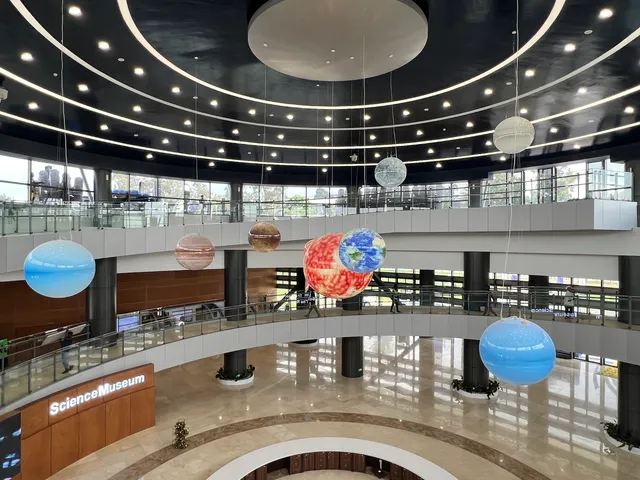
Read moreThe Ethiopian Science Museum is a contemporary facility dedicated to showcasing advancements in science and technology. Here are key points about the museum:
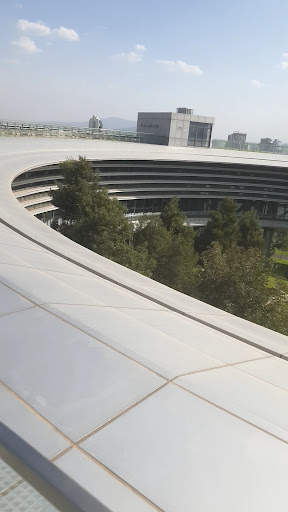
Purpose: The museum is specifically designed to educate the public and promote interest in scientific and technological developments. It aims to inspire innovation and knowledge-sharing among visitors. Location: Situated in the heart of Addis Ababa, near the National Palace, the museum is strategically placed to attract both locals and tourists, making it a central hub for science education. Size: Covering over 6.78 hectares, the museum offers ample space for exhibitions, educational programs, and public events, allowing for a diverse range of activities. Architecture: The museum consists of two large buildings, which are likely designed to house various exhibits, laboratories, classrooms, and interactive spaces, enhancing the visitor experience. Community Engagement: By focusing on science and technology, the museum plays a crucial role in fostering a culture of inquiry and learning within the community, encouraging collaboration between educational institutions, researchers, and the public. In summary, the Ethiopian Science Museum is a significant institution that not only highlights the importance of science and technology in society but also serves as a vibrant educational resource for...
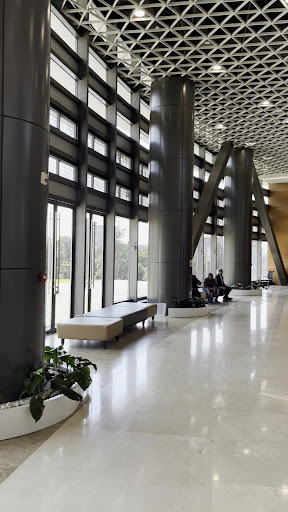
Read moresimply loved this place. Everything about this museum screams modern. There are not many artifacts to witness here but eveything from the modern architectural design to the stunning and well kept environment is breath taking. On display you get to see some aerospace engineering works from GE used on the Air bus planes used by Ethiopian Airways. You get to read a little story about the engineering work. Also on display are some modern health care equipment. One thing you'll never find missing in an Ethiopian space is a place to get food and snacks. There are a number of space that sell food, snacks, coffee and others. This whole environment is just stunning and you can just enjoy a stroll through this place and appreciate everything about the design. I really loved visiting this place and I'll tell anyone who goes to Adis that, they should definitely visit this place. It...
Read more