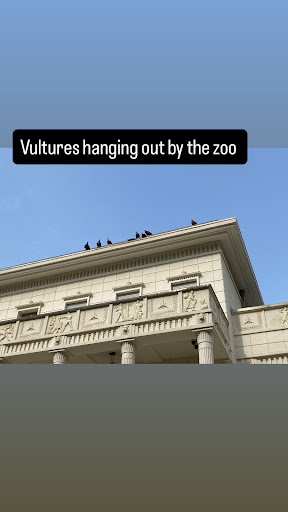
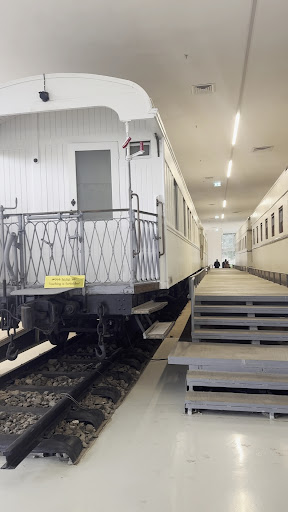
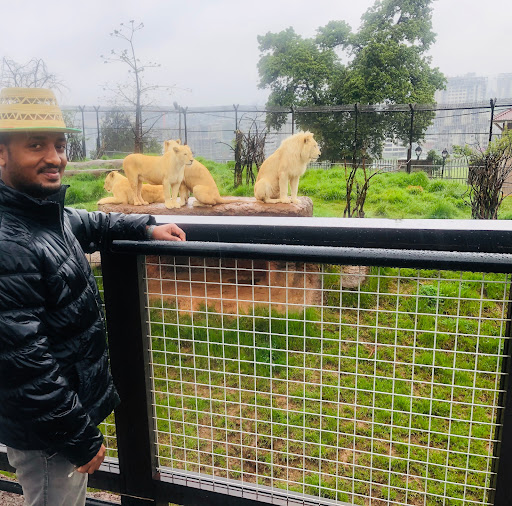
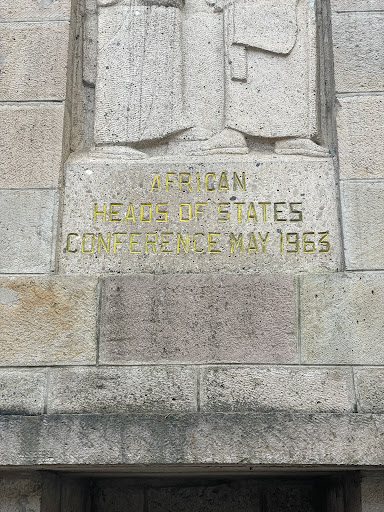
Palace Museum (National/Jubilee Palace of Ethiopia) things to do, attractions, restaurants, events info and trip planning
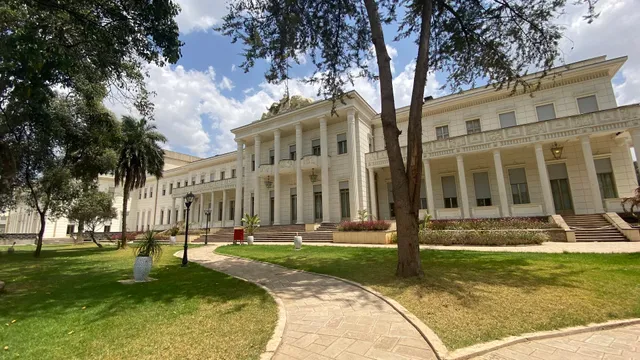
Basic Info
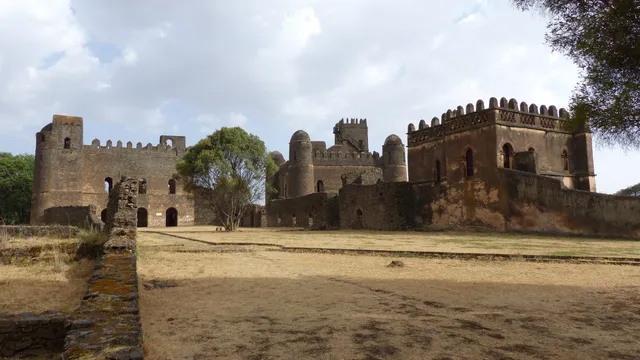
Palace Museum (National/Jubilee Palace of Ethiopia)
2Q87+F38, Addis Ababa, Ethiopia
4.3(37)
Open until 12:00 AM
Save
spot
spot
Ratings & Description
Info
Cultural
Family friendly
Accessibility
attractions: Addis Ababa park, Ethiopia park, Grove Garden Walk | Meskel Square | ግሮቭ መናፈሻ | መስቀል አደባባይ, Meskel Square, Ethiopian Science Museum, Red Terror Martyrs' Memorial Museum የቀይ ሽብር መታሰቢያ ሙዚየም, Addis Ababa Stadium, Addis Ababa Museum | መስቀል አደባባይ, St George Gallery, Friendship Park, restaurants: የአፍሪካ ጃዝ መንደር | African Jazz Village, Gazebo Restaurant on the Park | ጋዜቦ ሬስቶራንት, Tomoca Café, Stagioni Restaurant, Shaheen Indian Restaurant, Sheraton Addis, Union Cocktail Bar & Restaurant, Choke Burger & Coffee ጮቄ በርገር ና ቡና ( Kazanchis Branch), Jade restaurant, The Oriental, Tryst Addis | Kazanchis | ትሪስት አዲስ | ካዛንቺስ, local businesses: Aman Ethiopia Tours, Addis Tour Guide, Lungo Local Tour Ethiopia, Fendika Culture Center, Commercial Bank of Ethiopia 'Meskel' Square Branch, Unity Park, KER EZHI ETHIOPIA LUXURY LEATHER GOODS MANUFACTURING, Palace Commercial Center, Stadium Leather, Friendship Square Parking
 Learn more insights from Wanderboat AI.
Phone
+251 91 086 4825
Website
palacemuseum.gov.et
Open hoursSee all hours
Tue9 AM - 4 PMOpen
Plan your stay

Pet-friendly Hotels in Addis Ababa
Find a cozy hotel nearby and make it a full experience.

Affordable Hotels in Addis Ababa
Find a cozy hotel nearby and make it a full experience.

The Coolest Hotels You Haven't Heard Of (Yet)
Find a cozy hotel nearby and make it a full experience.

Trending Stays Worth the Hype in Addis Ababa
Find a cozy hotel nearby and make it a full experience.
Reviews
Nearby attractions of Palace Museum (National/Jubilee Palace of Ethiopia)
Addis Ababa park
Ethiopia park
Grove Garden Walk | Meskel Square | ግሮቭ መናፈሻ | መስቀል አደባባይ
Meskel Square
Ethiopian Science Museum
Red Terror Martyrs' Memorial Museum የቀይ ሽብር መታሰቢያ ሙዚየም
Addis Ababa Stadium
Addis Ababa Museum | መስቀል አደባባይ
St George Gallery
Friendship Park
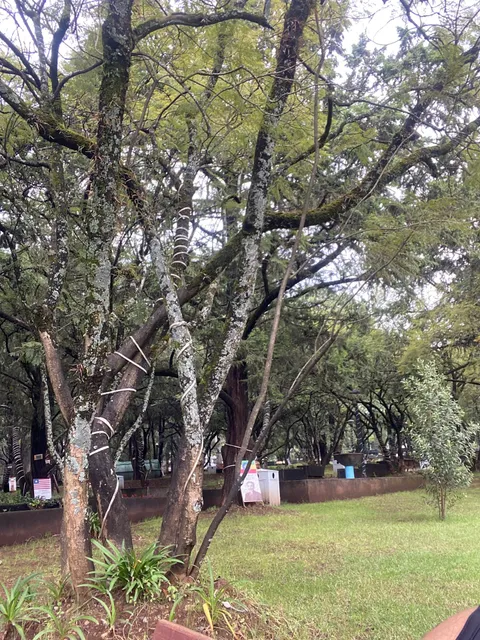
Addis Ababa park
4.2
(21)
Open 24 hours
Click for details
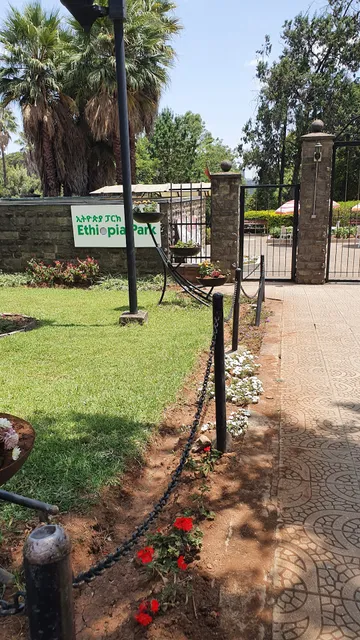
Ethiopia park
3.9
(15)
Open 24 hours
Click for details
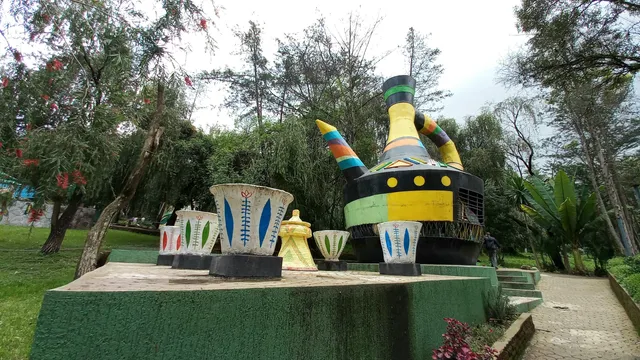
Grove Garden Walk | Meskel Square | ግሮቭ መናፈሻ | መስቀል አደባባይ
4.2
(68)
Open until 12:00 AM
Click for details
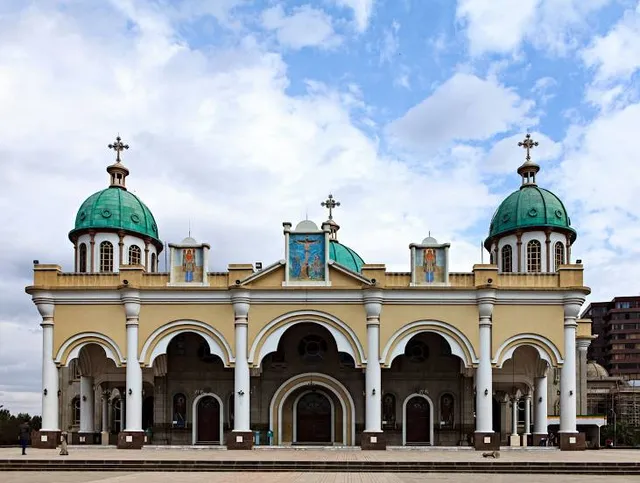
Meskel Square
4.4
(777)
Open until 9:00 PM
Click for details
Nearby restaurants of Palace Museum (National/Jubilee Palace of Ethiopia)
የአፍሪካ ጃዝ መንደር | African Jazz Village
Gazebo Restaurant on the Park | ጋዜቦ ሬስቶራንት
Tomoca Café
Stagioni Restaurant
Shaheen Indian Restaurant, Sheraton Addis
Union Cocktail Bar & Restaurant
Choke Burger & Coffee ጮቄ በርገር ና ቡና ( Kazanchis Branch)
Jade restaurant
The Oriental
Tryst Addis | Kazanchis | ትሪስት አዲስ | ካዛንቺስ
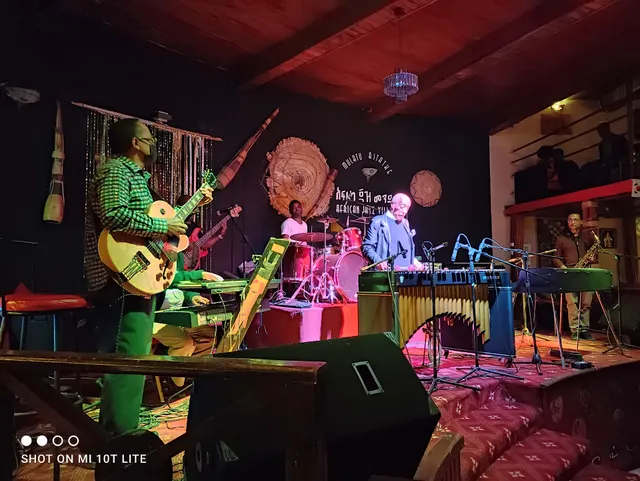
የአፍሪካ ጃዝ መንደር | African Jazz Village
4.3
(82)
Click for details
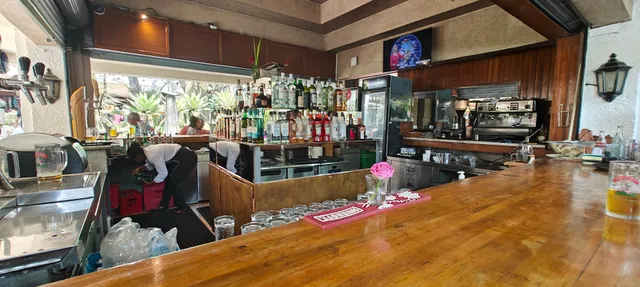
Gazebo Restaurant on the Park | ጋዜቦ ሬስቶራንት
3.6
(23)
Click for details

Tomoca Café
4.3
(44)
Click for details

Stagioni Restaurant
4.0
(31)
Open until 11:00 PM
Click for details
Nearby local services of Palace Museum (National/Jubilee Palace of Ethiopia)
Aman Ethiopia Tours
Addis Tour Guide
Lungo Local Tour Ethiopia
Fendika Culture Center
Commercial Bank of Ethiopia 'Meskel' Square Branch
Unity Park
KER EZHI ETHIOPIA LUXURY LEATHER GOODS MANUFACTURING
Palace Commercial Center
Stadium Leather
Friendship Square Parking
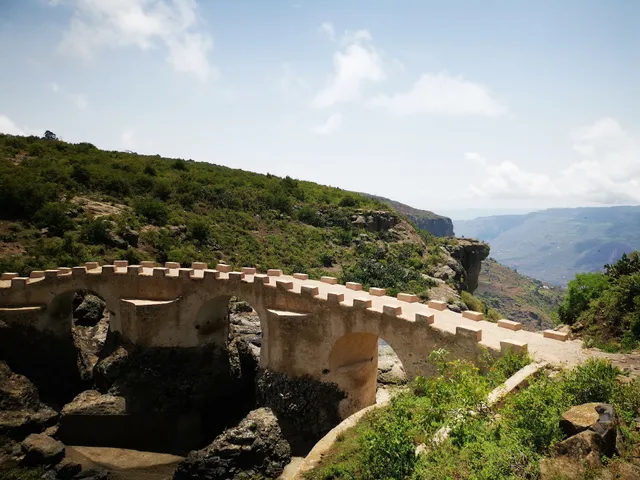
Aman Ethiopia Tours
4.9
(79)
Click for details

Addis Tour Guide
4.9
(34)
Click for details
Lungo Local Tour Ethiopia
4.9
(21)
Click for details

Fendika Culture Center
4.6
(187)
Click for details