Cathédrale Saint-André de Bordeaux things to do, attractions, restaurants, events info and trip planning
Basic Info
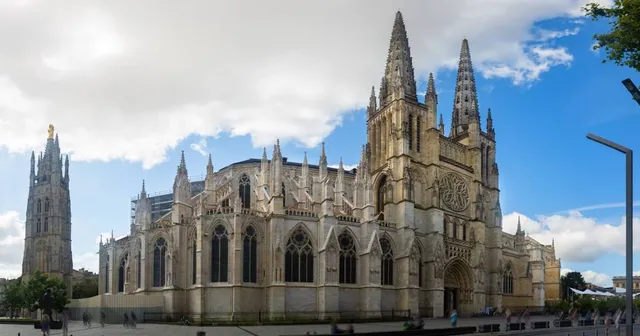
Cathédrale Saint-André de Bordeaux
Pl. Pey Berland, 33000 Bordeaux, France
4.7(6.4K)
Closed
Save
spot
spot
Ratings & Description
Info
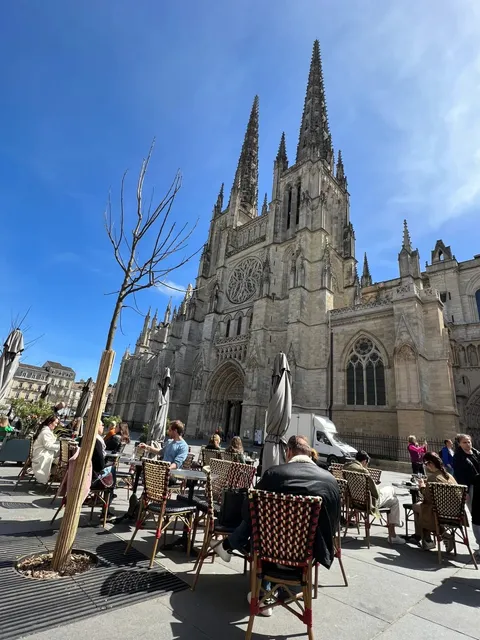
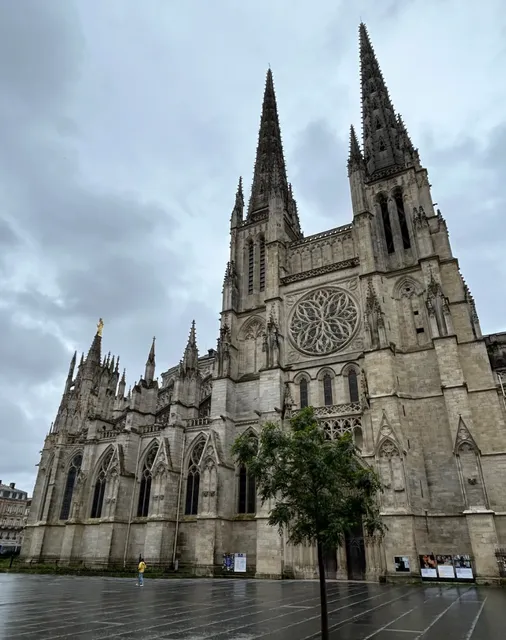
Bordeaux Cathedral, officially known as the Primatial Cathedral of St Andrew of Bordeaux, is a Catholic church dedicated to Saint Andrew and located in Bordeaux, France. It is the seat of the Archbishop of Bordeaux.
Cultural
Accessibility
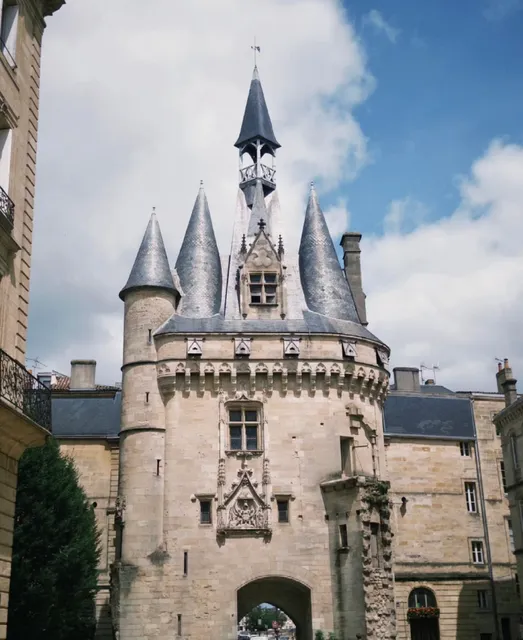
attractions: Pey Berland Tower, Bordeaux Museum of Fine Arts, Musée des Arts décoratifs et du Design, Musée d'Aquitaine, Statue of Jacques Chaban Delmas, SCIENCE EXPERIENCES BORDEAUX, Musée de l'illusion BORDEAUX, Porte Dijeaux, Eclipso Bordeaux, Galerie-maison d’art François Xavier Bertrand, restaurants: suzzi, Café Français, Black List Café, Le Boulanger de l'Hôtel de Ville, Le Bistro du Musée, BOSSA : boteco brasileiro, Le Cafe Akita, Oshi Sushi, SIP Coffee Bar, Sauvages café, local businesses: O2 Barbier - Coiffeur Homme, Hôtel de ville, MONOPRIX, My Big Bang, Kinougarde Bordeaux | Garde Children At Home, Curls life Matters - Salon de coiffure pour cheveux bouclés à Bordeaux, Conter Fleurette | Fleuriste Bordeaux, Saco Bordeaux - Coiffeur Coloriste, Fnac, Librairie Mollat
 Learn more insights from Wanderboat AI.
Phone
+33 5 56 44 67 29
Website
cathedrale-bordeaux.fr
Open hoursSee all hours
Wed10 AM - 12 PM, 2 - 7 PMClosed
Plan your stay

Pet-friendly Hotels in Bordeaux
Find a cozy hotel nearby and make it a full experience.

Affordable Hotels in Bordeaux
Find a cozy hotel nearby and make it a full experience.

The Coolest Hotels You Haven't Heard Of (Yet)
Find a cozy hotel nearby and make it a full experience.

Trending Stays Worth the Hype in Bordeaux
Find a cozy hotel nearby and make it a full experience.
Reviews
Live events
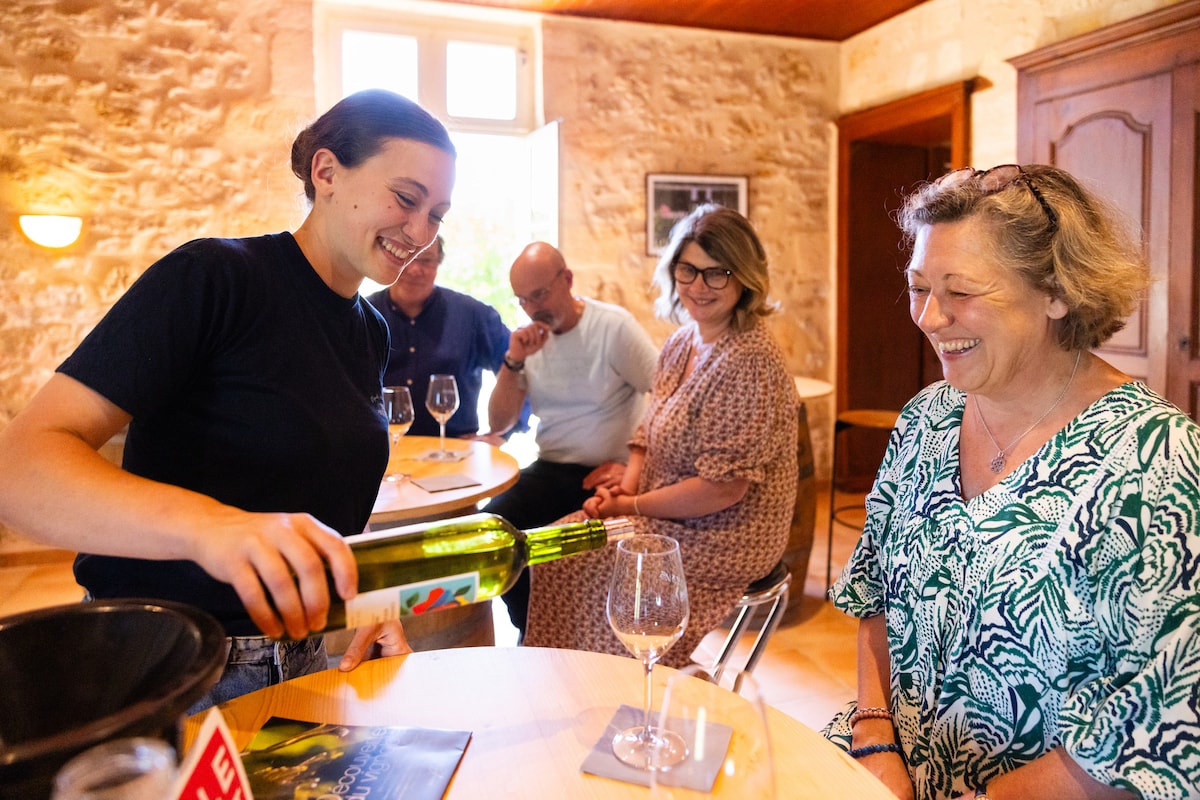
Bordeaux: Explore a family-run, organic vineyard
Wed, Feb 25 • 10:30 AM
33370, Yvrac, France
View details
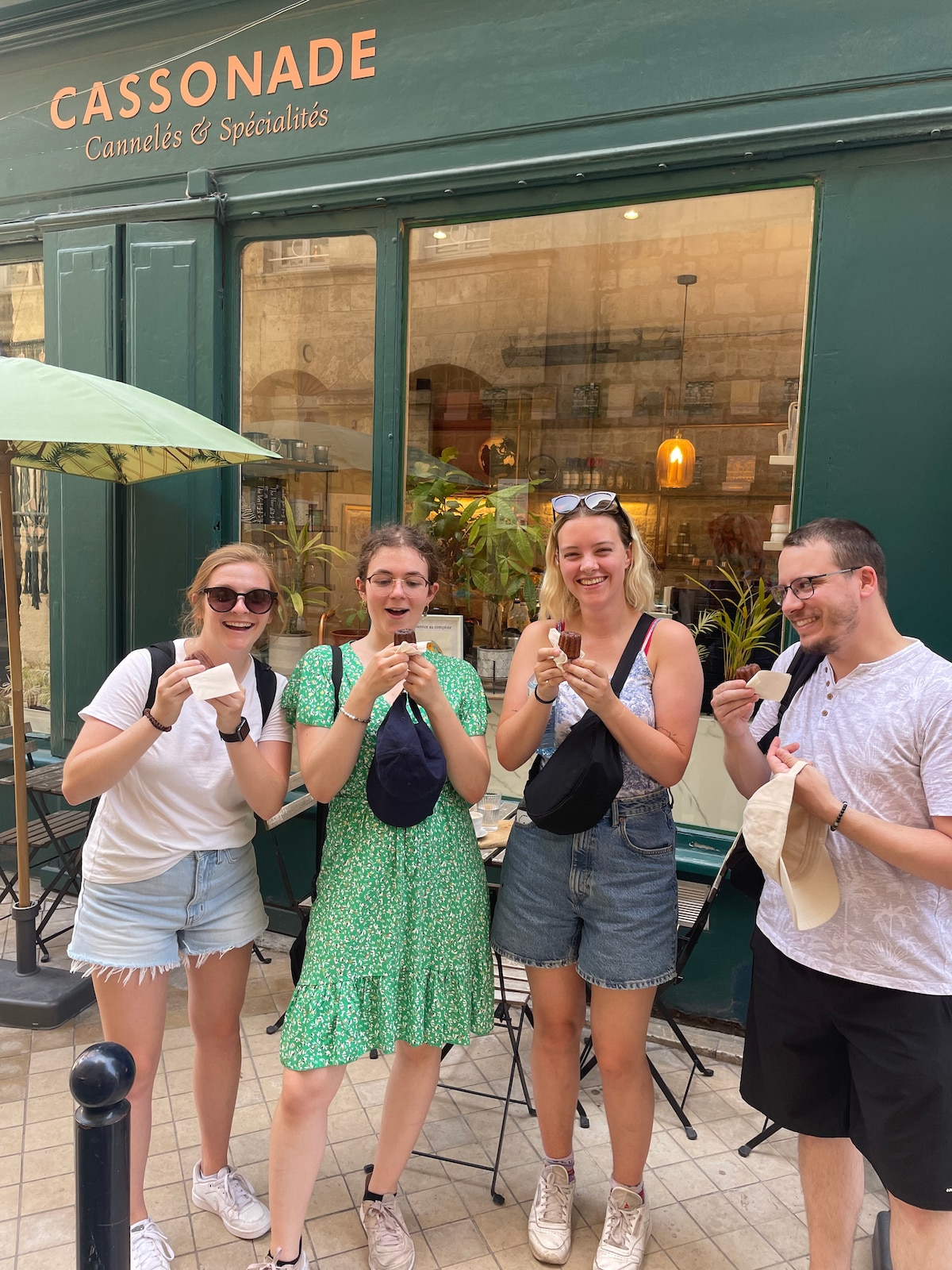
No Diet Club - Unique local food in Bordeaux
Wed, Feb 25 • 11:30 AM
33800, Bordeaux, France
View details
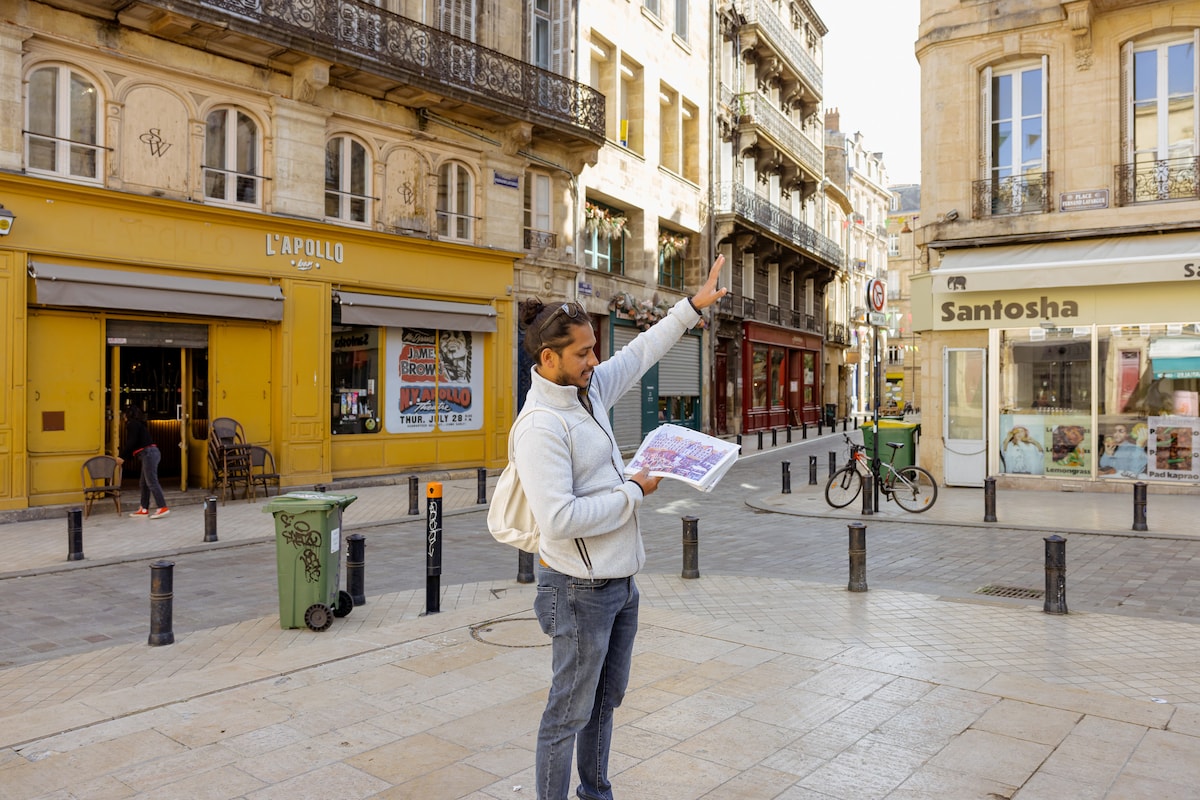
Bordeaux walking tour & a Glass of Wine
Fri, Feb 27 • 1:30 PM
33000, Bordeaux, France
View details
Nearby attractions of Cathédrale Saint-André de Bordeaux
Pey Berland Tower
Bordeaux Museum of Fine Arts
Musée des Arts décoratifs et du Design
Musée d'Aquitaine
Statue of Jacques Chaban Delmas
SCIENCE EXPERIENCES BORDEAUX
Musée de l'illusion BORDEAUX
Porte Dijeaux
Eclipso Bordeaux
Galerie-maison d’art François Xavier Bertrand
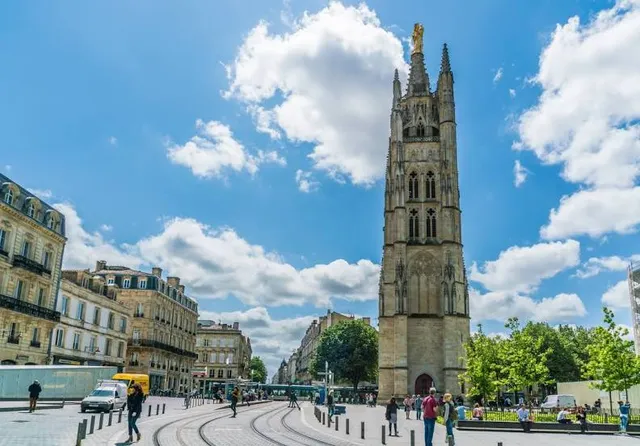
Pey Berland Tower
4.5
(1.7K)
Closed
Click for details
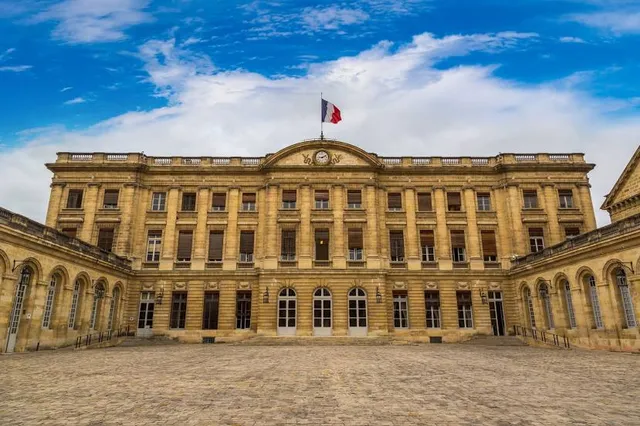
Bordeaux Museum of Fine Arts
4.3
(1.5K)
Open until 12:00 AM
Click for details
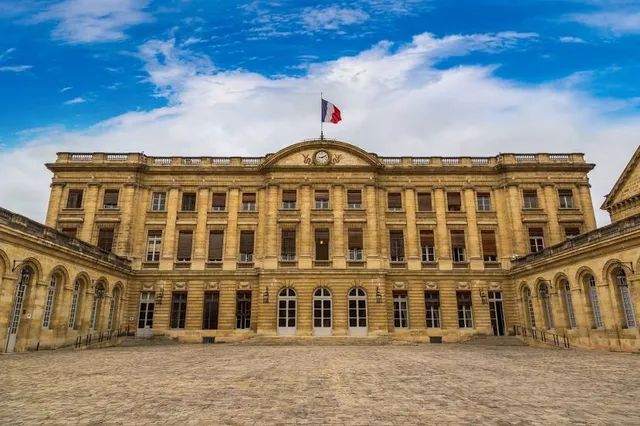
Musée des Arts décoratifs et du Design
4.2
(533)
Open 24 hours
Click for details
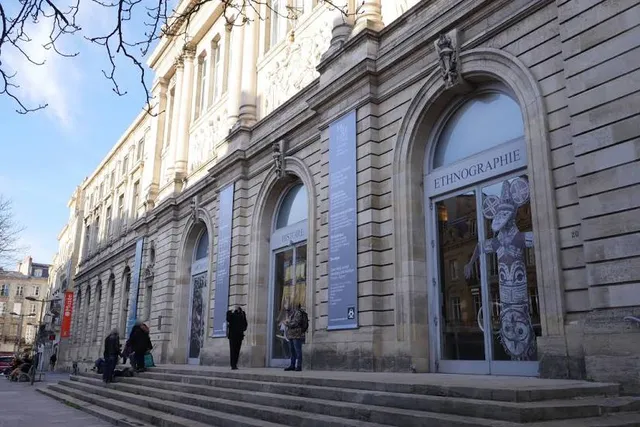
Musée d'Aquitaine
4.5
(2.1K)
Closed
Click for details
Nearby restaurants of Cathédrale Saint-André de Bordeaux
suzzi
Café Français
Black List Café
Le Boulanger de l'Hôtel de Ville
Le Bistro du Musée
BOSSA : boteco brasileiro
Le Cafe Akita
Oshi Sushi
SIP Coffee Bar
Sauvages café
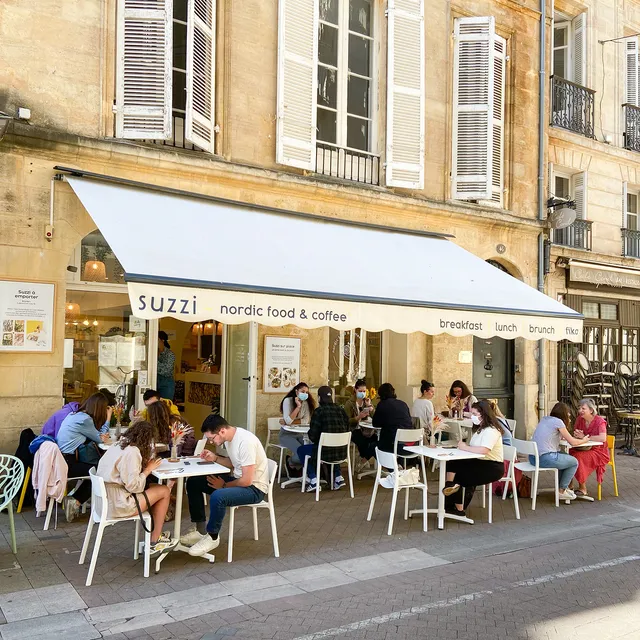
suzzi
4.8
(1.1K)
Closed
Click for details
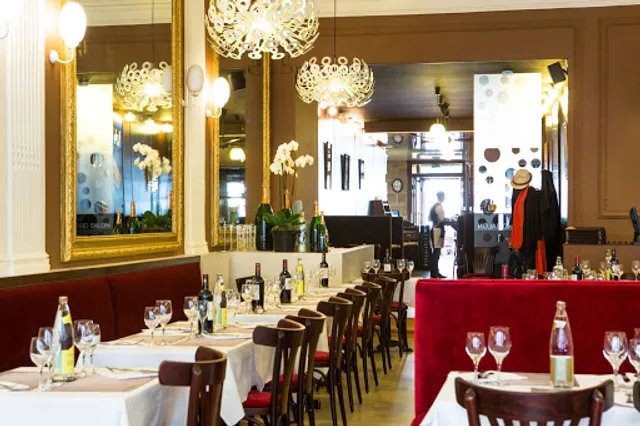
Café Français
3.7
(1.0K)
$$$
Closed
Click for details
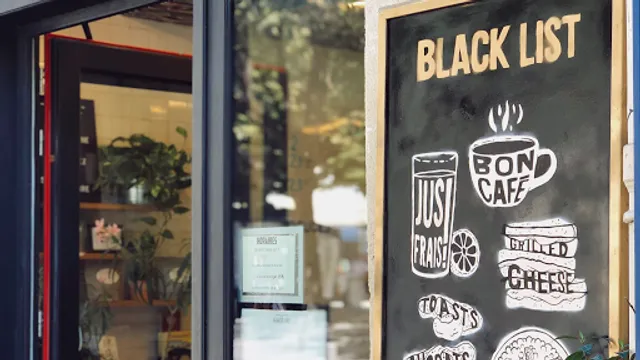
Black List Café
4.7
(436)
Closed
Click for details
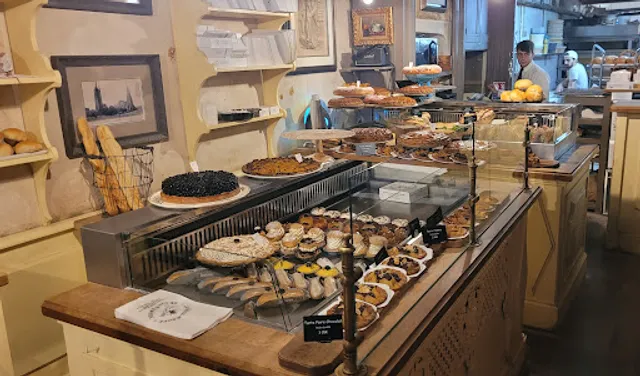
Le Boulanger de l'Hôtel de Ville
4.6
(578)
Closed
Click for details
Nearby local services of Cathédrale Saint-André de Bordeaux
O2 Barbier - Coiffeur Homme
Hôtel de ville
MONOPRIX
My Big Bang
Kinougarde Bordeaux | Garde Children At Home
Curls life Matters - Salon de coiffure pour cheveux bouclés à Bordeaux
Conter Fleurette | Fleuriste Bordeaux
Saco Bordeaux - Coiffeur Coloriste
Fnac
Librairie Mollat

O2 Barbier - Coiffeur Homme
4.9
(184)
Click for details
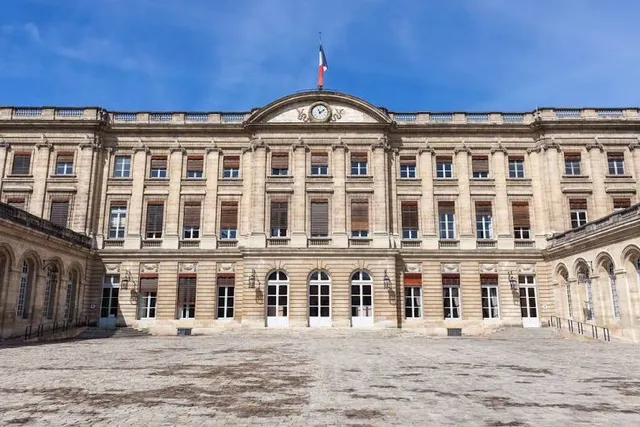
Hôtel de ville
3.3
(402)
Click for details

MONOPRIX
3.6
(507)
Click for details

My Big Bang
5.0
(67)
Click for details