Château de Chenonceau things to do, attractions, restaurants, events info and trip planning
Basic Info
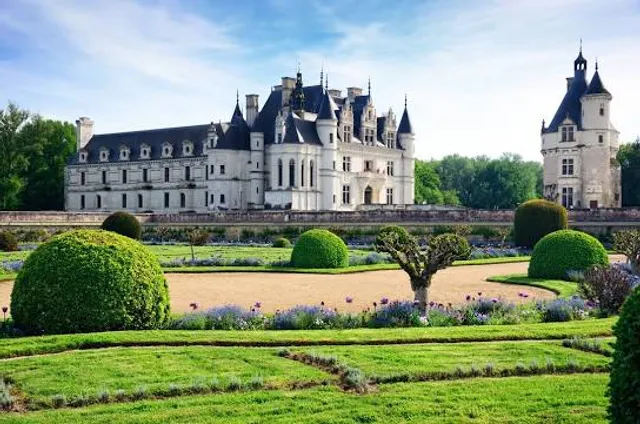
Château de Chenonceau
37150 Chenonceaux, France
4.7(260)
Closed


tickets
Save
spot
spot
Ratings & Description
Info
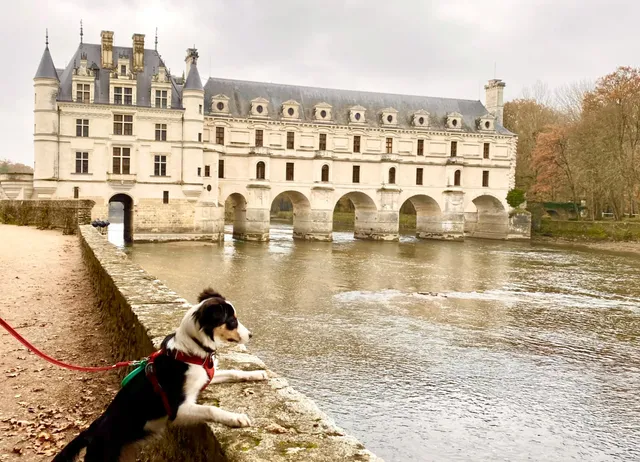
The Château de Chenonceau is a French château spanning the river Cher, near the small village of Chenonceaux, Indre-et-Loire, Centre-Val de Loire. It is one of the best-known châteaux of the Loire Valley. The estate of Chenonceau is first mentioned in writing in the 11th century.
Cultural
Outdoor
Family friendly
attractions: Catherine de Médicis Garden, Diane de Poitiers Garden, L’apothicairerie, Tomb of Louise Dupin, Maze, Musée hôpital militaire 14-18 du château de Chenonceau, 16th Century Farm, Galerie des attelages (dans la ferme du XVIe), Flower Garden, Tourist Office of Chenonceaux, restaurants: Self service, L'Orangerie, Crêperie du Château, AU GATEAU BRETON « O’GB » Restaurant Chenonceaux, Crêperie Le Médicis, La Maison des Pages, Restaurant Le Relais Chenonceaux, tabac chenonceaux, Amic'o Restaurant/Bar, EDITH Restaurant, local businesses: Point de vue sur le château de Chenonceau, BASE ULM DES CHATEAUX, Parking Château de Chenonceau, 3- Parking château de Chenonceau, Tesla Destination Charger, Chenonceaux, Canoë Club Chisseaux Kayak Family, Cave des Dômes du Château de Chenonceau, Chenonceaux, L'atelier de chenonceaux
 Learn more insights from Wanderboat AI.
Phone
+33 2 47 23 90 07
Website
chenonceau.com
Open hoursSee all hours
SatClosed
Plan your stay

Pet-friendly Hotels in Loches
Find a cozy hotel nearby and make it a full experience.

Affordable Hotels in Loches
Find a cozy hotel nearby and make it a full experience.

The Coolest Hotels You Haven't Heard Of (Yet)
Find a cozy hotel nearby and make it a full experience.

Trending Stays Worth the Hype in Loches
Find a cozy hotel nearby and make it a full experience.
Reviews
Live events

Quizz’Ta Santé !
Fri, Mar 6 • 9:00 AM
30 rue André Theuriet 37000 TOURS
View details
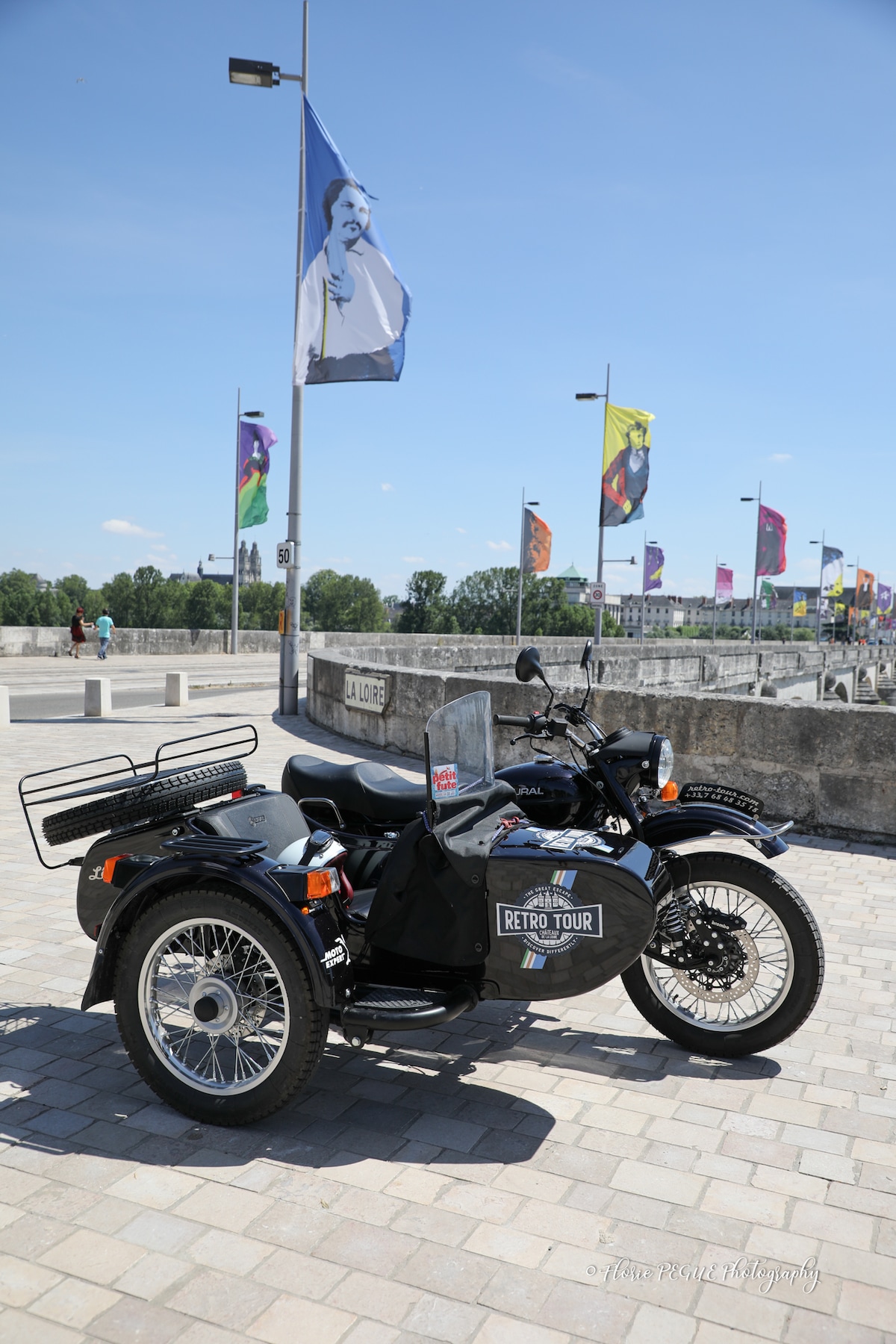
Explore Tours by Vintage Sidecar
Sat, Feb 28 • 1:00 PM
37000, Tours, France
View details
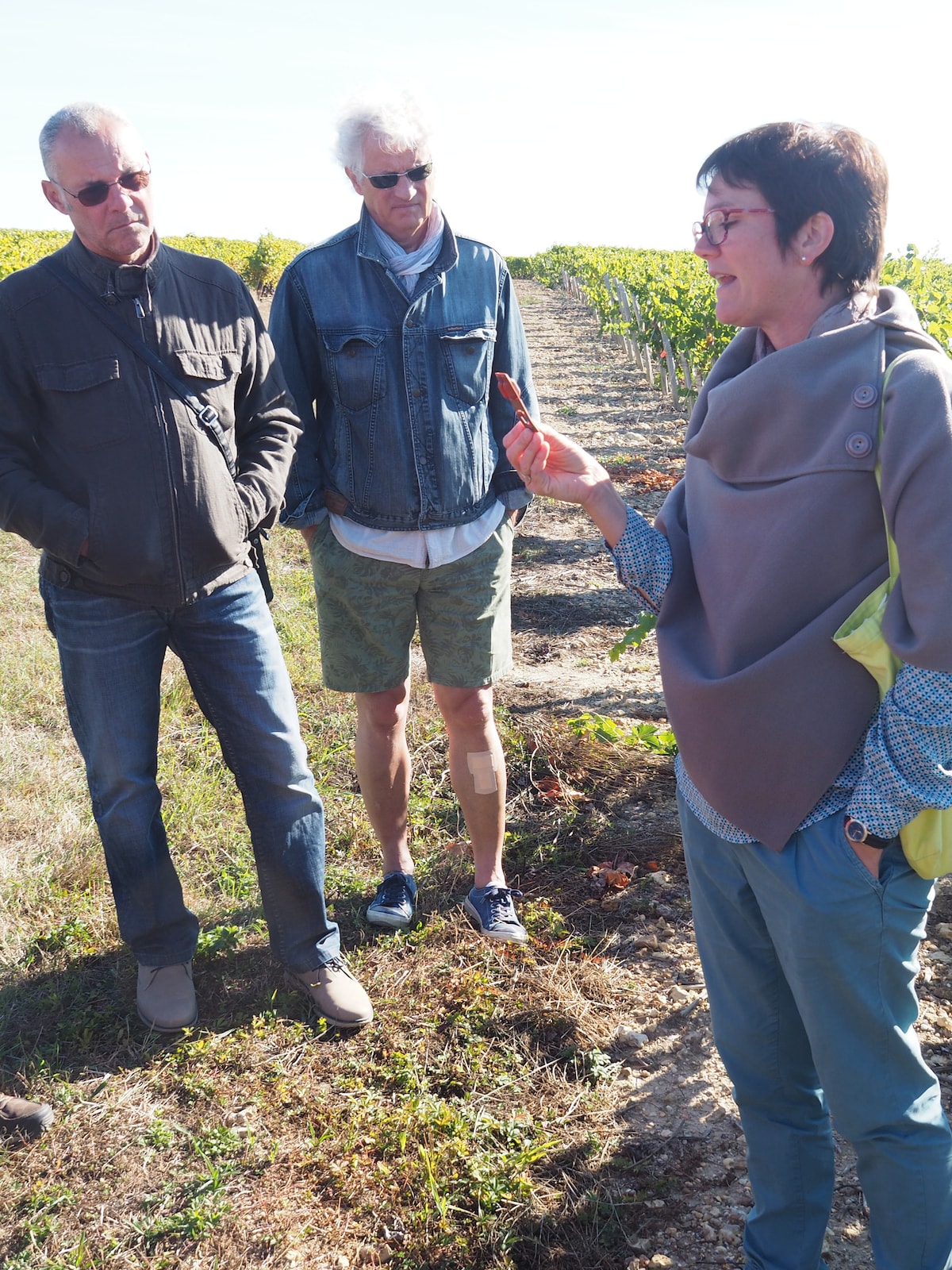
Complete wine experience in family vineyard&winery
Fri, Mar 6 • 3:00 PM
37210, Chançay, France
View details
Nearby attractions of Château de Chenonceau
Catherine de Médicis Garden
Diane de Poitiers Garden
L’apothicairerie
Tomb of Louise Dupin
Maze
Musée hôpital militaire 14-18 du château de Chenonceau
16th Century Farm
Galerie des attelages (dans la ferme du XVIe)
Flower Garden
Tourist Office of Chenonceaux
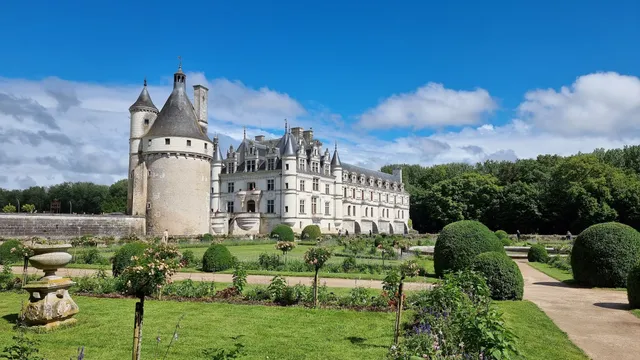
Catherine de Médicis Garden
4.7
(38)
Open 24 hours
Click for details
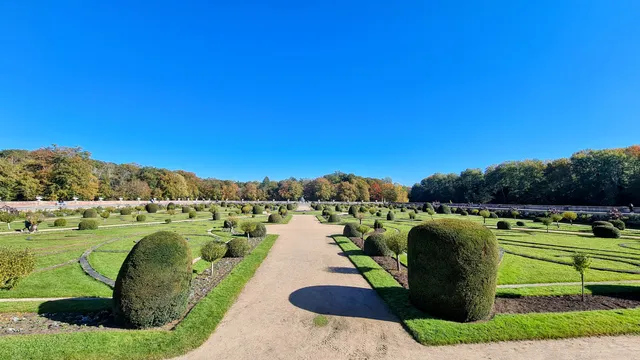
Diane de Poitiers Garden
4.8
(50)
Open 24 hours
Click for details

L’apothicairerie
4.8
(14)
Closed
Click for details

Tomb of Louise Dupin
4.1
(27)
Open 24 hours
Click for details
Nearby restaurants of Château de Chenonceau
Self service
L'Orangerie
Crêperie du Château
AU GATEAU BRETON « O’GB » Restaurant Chenonceaux
Crêperie Le Médicis
La Maison des Pages
Restaurant Le Relais Chenonceaux
tabac chenonceaux
Amic'o Restaurant/Bar
EDITH Restaurant
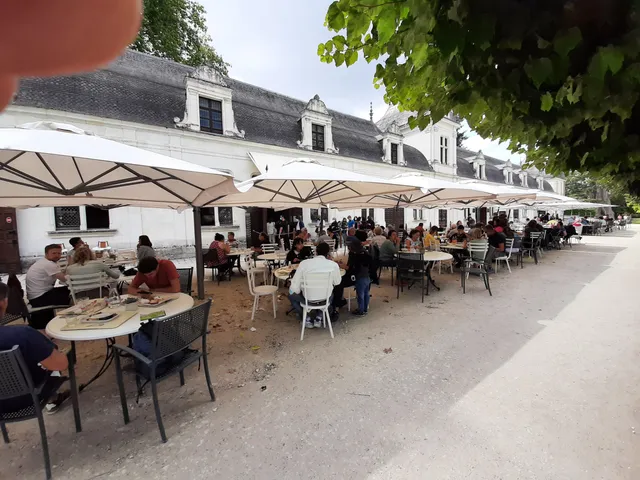
Self service
3.2
(105)
Closed
Click for details
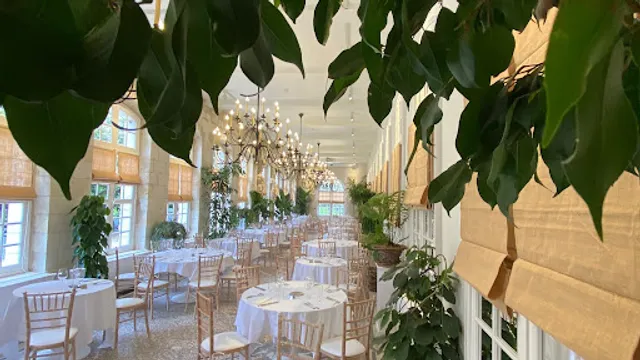
L'Orangerie
4.1
(261)
Closed
Click for details
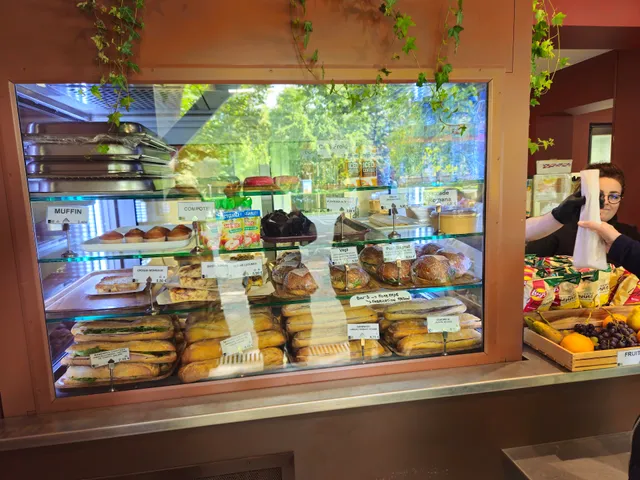
Crêperie du Château
3.3
(43)
Closed
Click for details
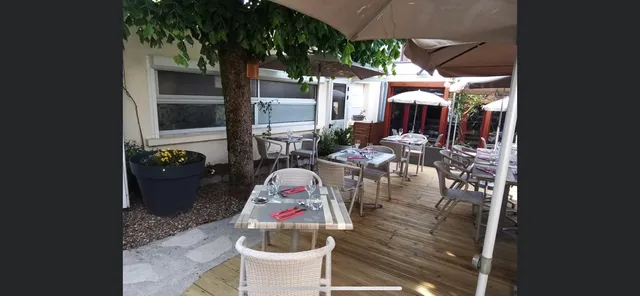
AU GATEAU BRETON « O’GB » Restaurant Chenonceaux
3.8
(407)
Closed
Click for details
Nearby local services of Château de Chenonceau
Point de vue sur le château de Chenonceau
BASE ULM DES CHATEAUX
Parking Château de Chenonceau
3- Parking château de Chenonceau
Tesla Destination Charger
Chenonceaux
Canoë Club Chisseaux Kayak Family
Cave des Dômes du Château de Chenonceau
Chenonceaux
L'atelier de chenonceaux

Point de vue sur le château de Chenonceau
4.9
(69)
Click for details
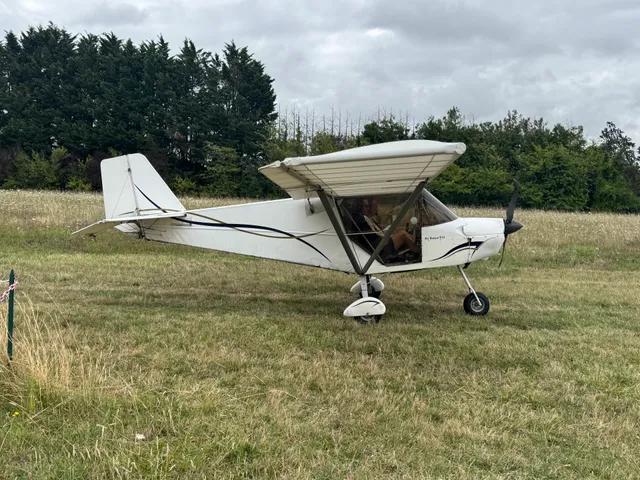
BASE ULM DES CHATEAUX
4.4
(44)
Click for details

Parking Château de Chenonceau
4.2
(39)
Click for details
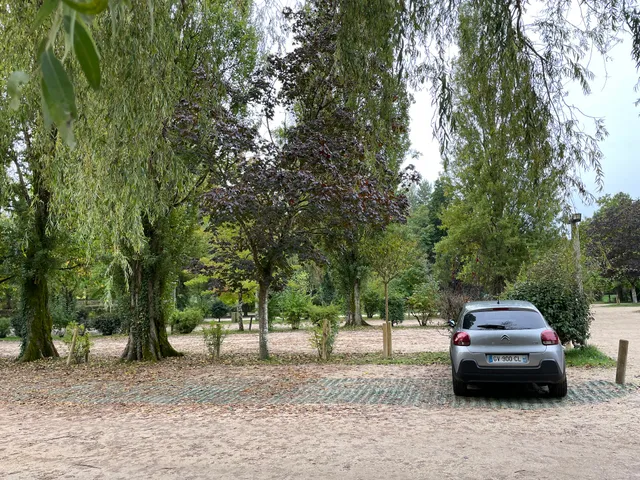
3- Parking château de Chenonceau
4.7
(41)
Click for details