Arc de Triomphe things to do, attractions, restaurants, events info and trip planning
Basic Info
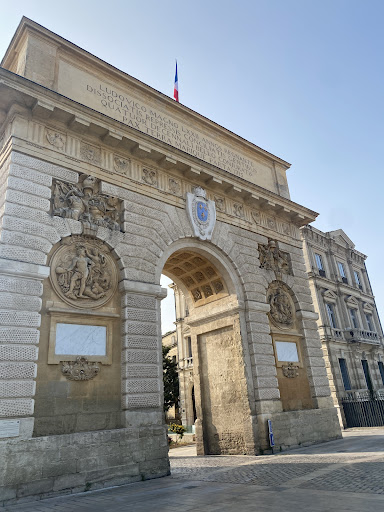
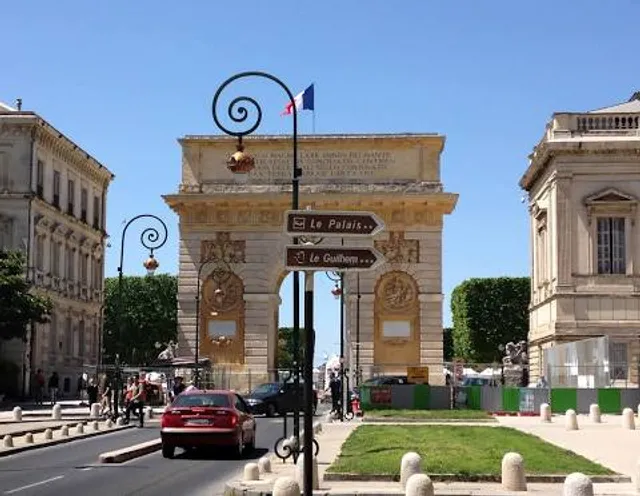
Arc de Triomphe
Rue Foch, 34000 Montpellier, France
4.6(3.3K)
Open until 12:00 AM
Save
spot
spot
Ratings & Description
Info
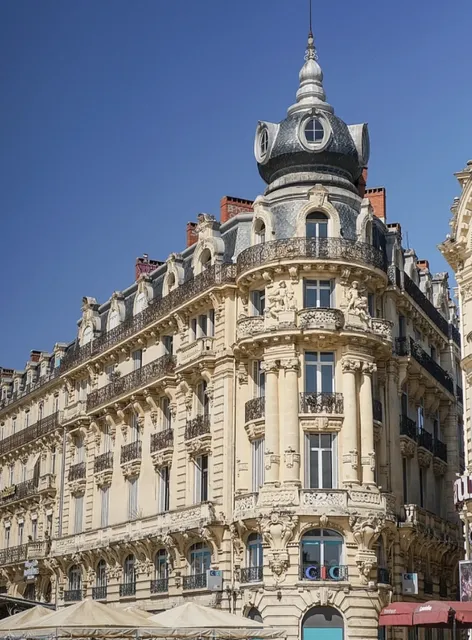
The Arc de Triomphe de l'Étoile is one of the most famous monuments in Paris, France, standing at the western end of the Champs-Élysées at the centre of Place Charles de Gaulle, formerly named Place de l'Étoile—the étoile or "star" of the juncture formed by its twelve radiating avenues.
Cultural
Accessibility
attractions: Promenade du Peyrou, Cathédrale Saint-Pierre de Montpellier, Jardin des plantes de Montpellier, Carré Sainte Anne, Place de La Canourgue, Aqueduc Saint-Clément, Université Montpellier I - Faculty of Medicine, Former church of Saint Anne, Galerie AL/MA, Church of Saint Roch, restaurants: Broc Café, Restaurant du Petit Jardin, Des Rêves et du Pain, La Coquille, Comptoir de l'Arc, Napoléon Dynamite, O'Carolans Irish Pub, Café Pitot, Reflet d'Obione, Bistrot Sainte Anne, local businesses: La Boîte à Brunch, Le Panier d'Aimé, BOSS Store, Dimanches du Peyrou, Gibert Montpellier, UNIQLO MONTPELLIER, Allô Réparations, In Gaia's Eyes, MINISTRY OF HAIR OFFICIAL, Artisan Joaillier/Bijoutier - Bellum
 Learn more insights from Wanderboat AI.
Phone
+33 4 67 60 60 60
Website
montpellier-tourisme.fr
Open hoursSee all hours
SatOpen 24 hoursOpen
Plan your stay

Pet-friendly Hotels in Montpellier
Find a cozy hotel nearby and make it a full experience.

Affordable Hotels in Montpellier
Find a cozy hotel nearby and make it a full experience.

The Coolest Hotels You Haven't Heard Of (Yet)
Find a cozy hotel nearby and make it a full experience.

Trending Stays Worth the Hype in Montpellier
Find a cozy hotel nearby and make it a full experience.
Reviews
Live events

Prison Island Montpellier
Sat, Feb 21 • 10:00 AM
45 Rue Roland Garros, Mauguio, 34130
View details

Seaquarium du Grau-du-Roi
Sat, Feb 21 • 9:30 AM
Avenue du Palais de la Mer Hall Seaquarium, Le Grau-du-Roi, 30240
View details
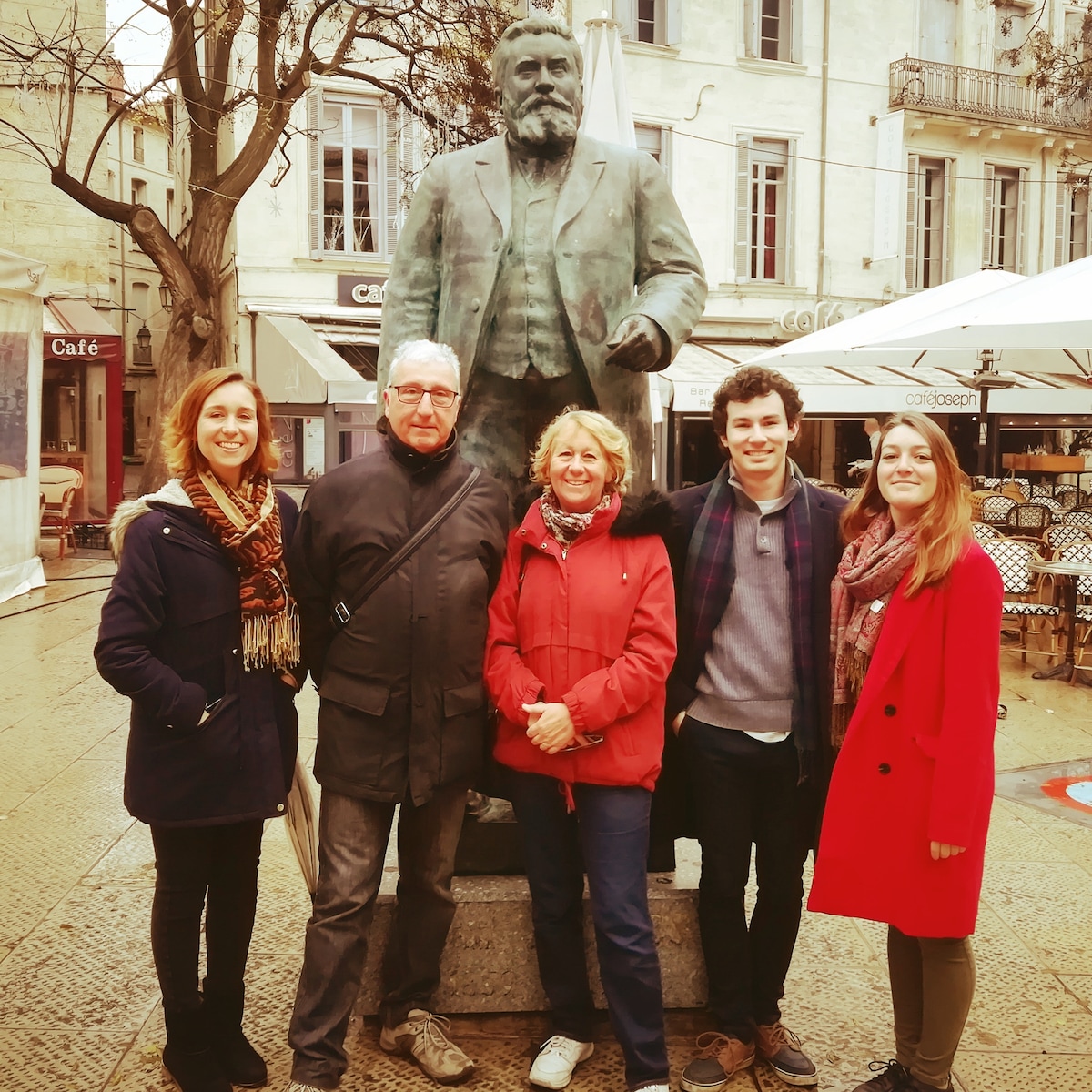
Discover Montpelliers legends
Sat, Feb 21 • 10:00 AM
34000, Montpellier, France
View details
Nearby attractions of Arc de Triomphe
Promenade du Peyrou
Cathédrale Saint-Pierre de Montpellier
Jardin des plantes de Montpellier
Carré Sainte Anne
Place de La Canourgue
Aqueduc Saint-Clément
Université Montpellier I - Faculty of Medicine
Former church of Saint Anne
Galerie AL/MA
Church of Saint Roch
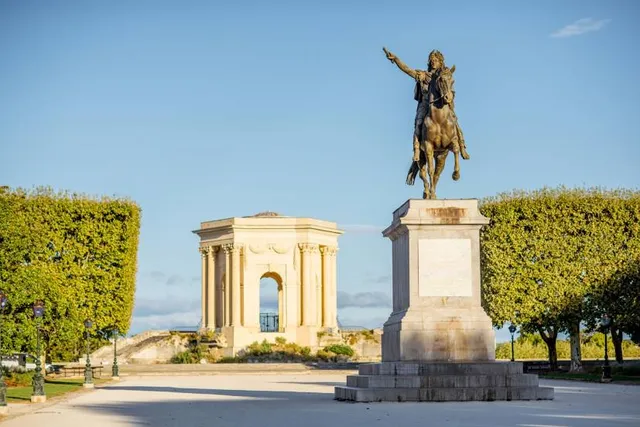
Promenade du Peyrou
4.6
(2.5K)
Closed
Click for details
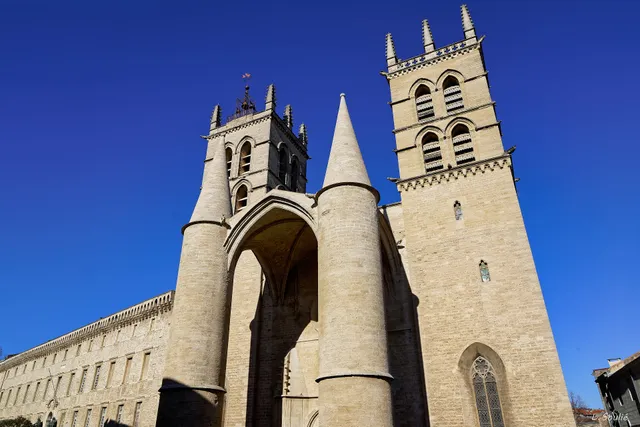
Cathédrale Saint-Pierre de Montpellier
4.6
(1.5K)
Closed
Click for details
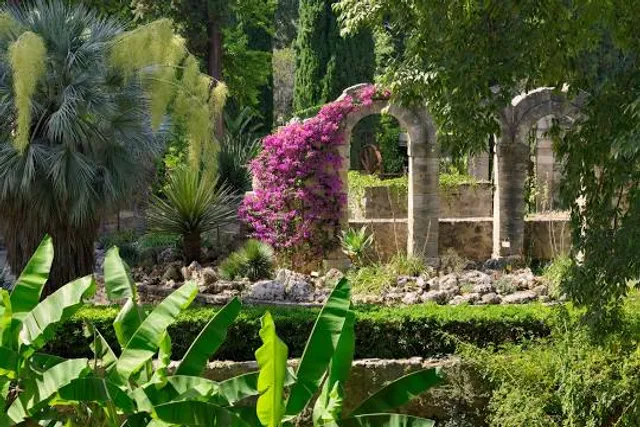
Jardin des plantes de Montpellier
4.4
(3.3K)
Closed
Click for details
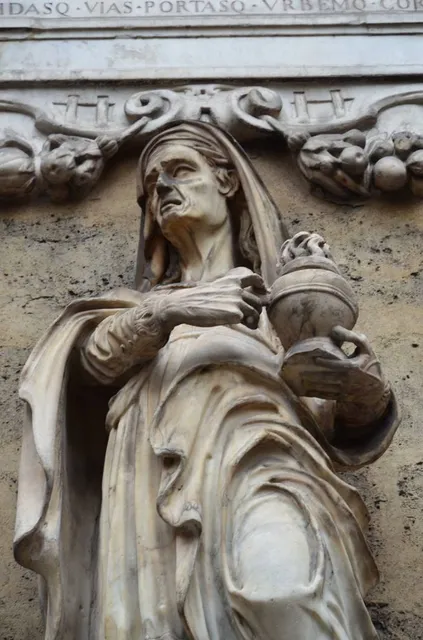
Carré Sainte Anne
4.4
(299)
Closed
Click for details
Nearby restaurants of Arc de Triomphe
Broc Café
Restaurant du Petit Jardin
Des Rêves et du Pain
La Coquille
Comptoir de l'Arc
Napoléon Dynamite
O'Carolans Irish Pub
Café Pitot
Reflet d'Obione
Bistrot Sainte Anne
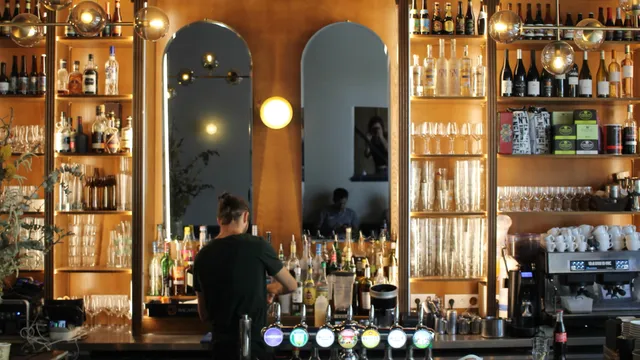
Broc Café
4.8
(4.4K)
$$
Closed
Click for details
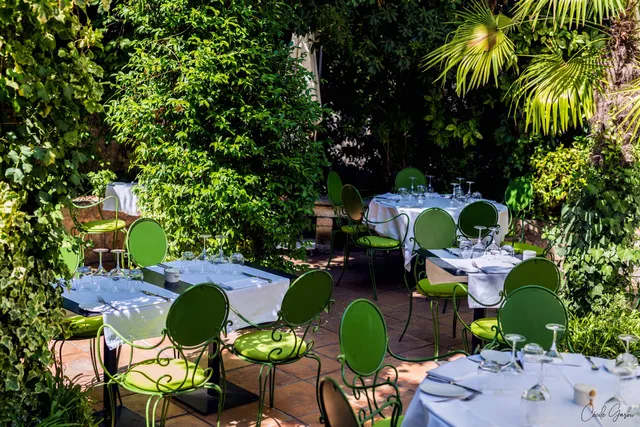
Restaurant du Petit Jardin
4.3
(906)
$$$
Closed
Click for details
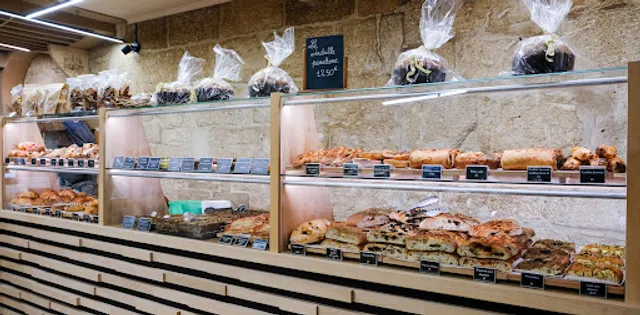
Des Rêves et du Pain
4.5
(472)
$
Closed
Click for details
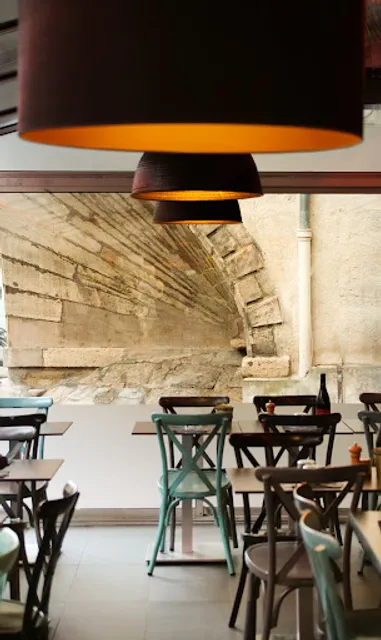
La Coquille
4.1
(461)
Closed
Click for details
Nearby local services of Arc de Triomphe
La Boîte à Brunch
Le Panier d'Aimé
BOSS Store
Dimanches du Peyrou
Gibert Montpellier
UNIQLO MONTPELLIER
Allô Réparations
In Gaia's Eyes
MINISTRY OF HAIR OFFICIAL
Artisan Joaillier/Bijoutier - Bellum
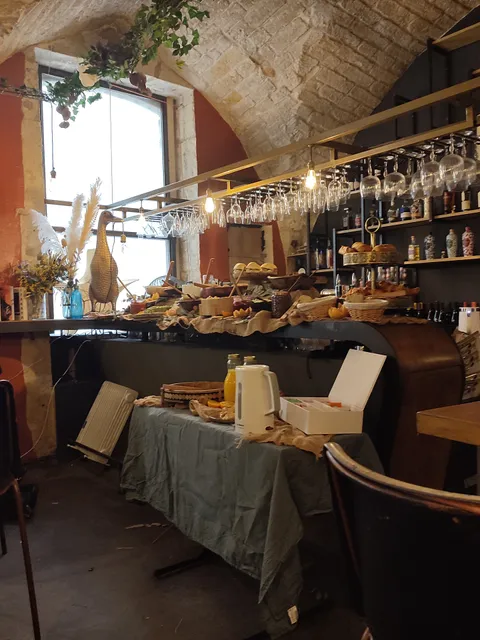
La Boîte à Brunch
4.6
(96)
Click for details
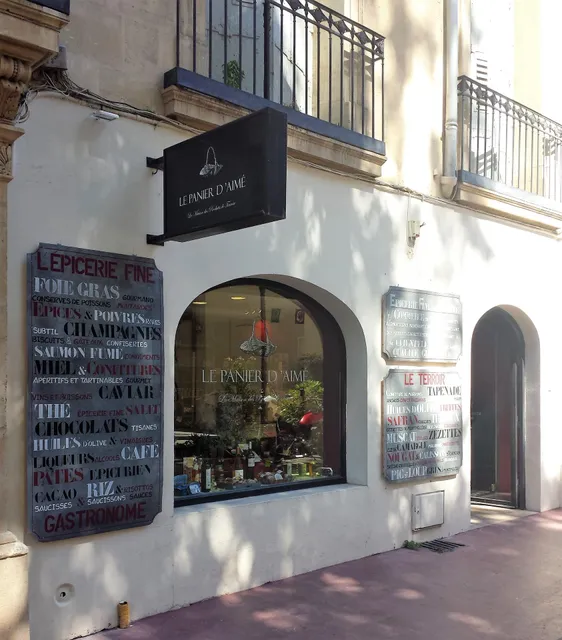
Le Panier d'Aimé
4.8
(124)
Click for details

BOSS Store
4.4
(63)
Click for details

Dimanches du Peyrou
4.2
(29)
Click for details