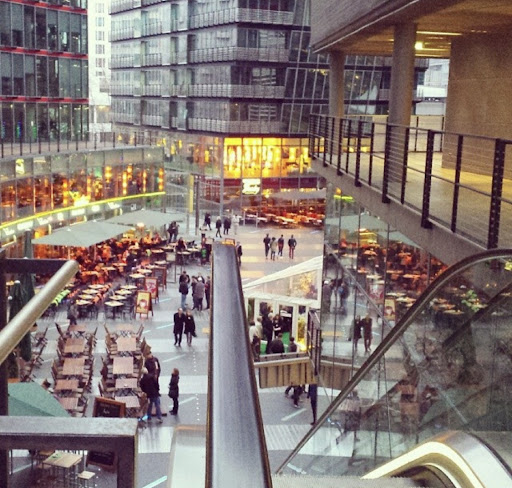
Ernst-Reuter-Platz things to do, attractions, restaurants, events info and trip planning
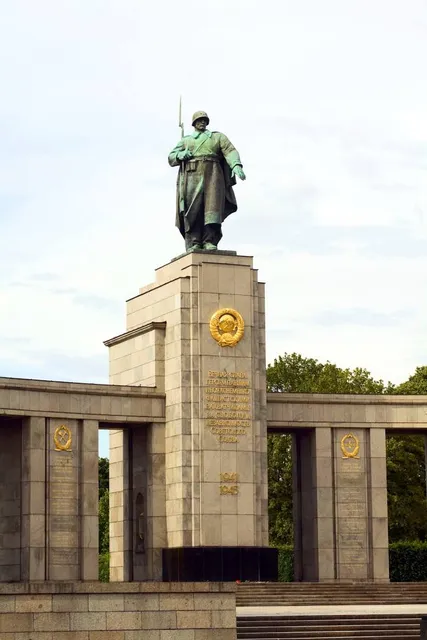
Basic Info
Ernst-Reuter-Platz
Ernst-Reuter-Platz 14, 10587 Berlin, Germany
3.9(1.2K)
Open until 12:00 AM
Save
spot
spot
Ratings & Description
Info
Ernst-Reuter-Platz is a town square in Charlottenburg, Berlin, Germany. It is named after Ernst Reuter, mayor of West Berlin from 1948–1953. It is located at the end of Straße des 17. Juni, where it continues as Bismarckstraße, and Kaiserdamm, until Theodor-Heuss-Platz.
Outdoor
Accessibility
attractions: Komische Oper Berlin @Schillertheater, the temporary bauhaus-archiv / museum für gestaltung, Technical University Berlin, Architectural Museum of the Technical University of Berlin, Galerie Max Hetzler, Charlottenburger Tor, Museum of Photography, Stage Theater des Westens, C/O Berlin, Deutsche Oper Berlin, restaurants: CARAS, Cafeteria TU "Skyline", Chen's Wok, Manufactum Brot & Butter, Manjurani, Schillerklause, Giro Coffee Bar, Dave B. Taste Five, Espresso House, tiger club vegan sushi, local businesses: bauhaus reuse (BHROX), Blizzeria Berlin Charlottenburg Pizza & Burger & Mehr, Berlin International University of Applied Sciences, Savignyplatz, eat! Berlin, Berliner Trödelmarkt, the family home, Zoologischer Garten, Bleibtreustraße 47, blossom.berlin
 Learn more insights from Wanderboat AI.
Phone
+49 30 115
Website
berlin.de
Open hoursSee all hours
SatOpen 24 hoursOpen
Plan your stay

Pet-friendly Hotels in Berlin
Find a cozy hotel nearby and make it a full experience.

Affordable Hotels in Berlin
Find a cozy hotel nearby and make it a full experience.

The Coolest Hotels You Haven't Heard Of (Yet)
Find a cozy hotel nearby and make it a full experience.

Trending Stays Worth the Hype in Berlin
Find a cozy hotel nearby and make it a full experience.
Reviews
Live events
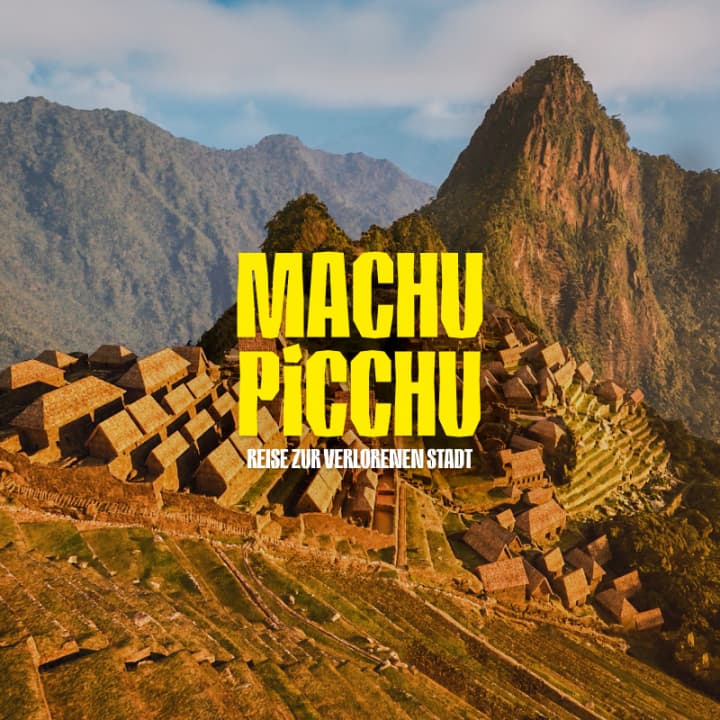
Machu Picchu: Reise zur verlorenen Stadt
Sat, Feb 21 • 5:00 PM
Kant-Garagen, Kantstraße 127, Berlin, 10625
View details
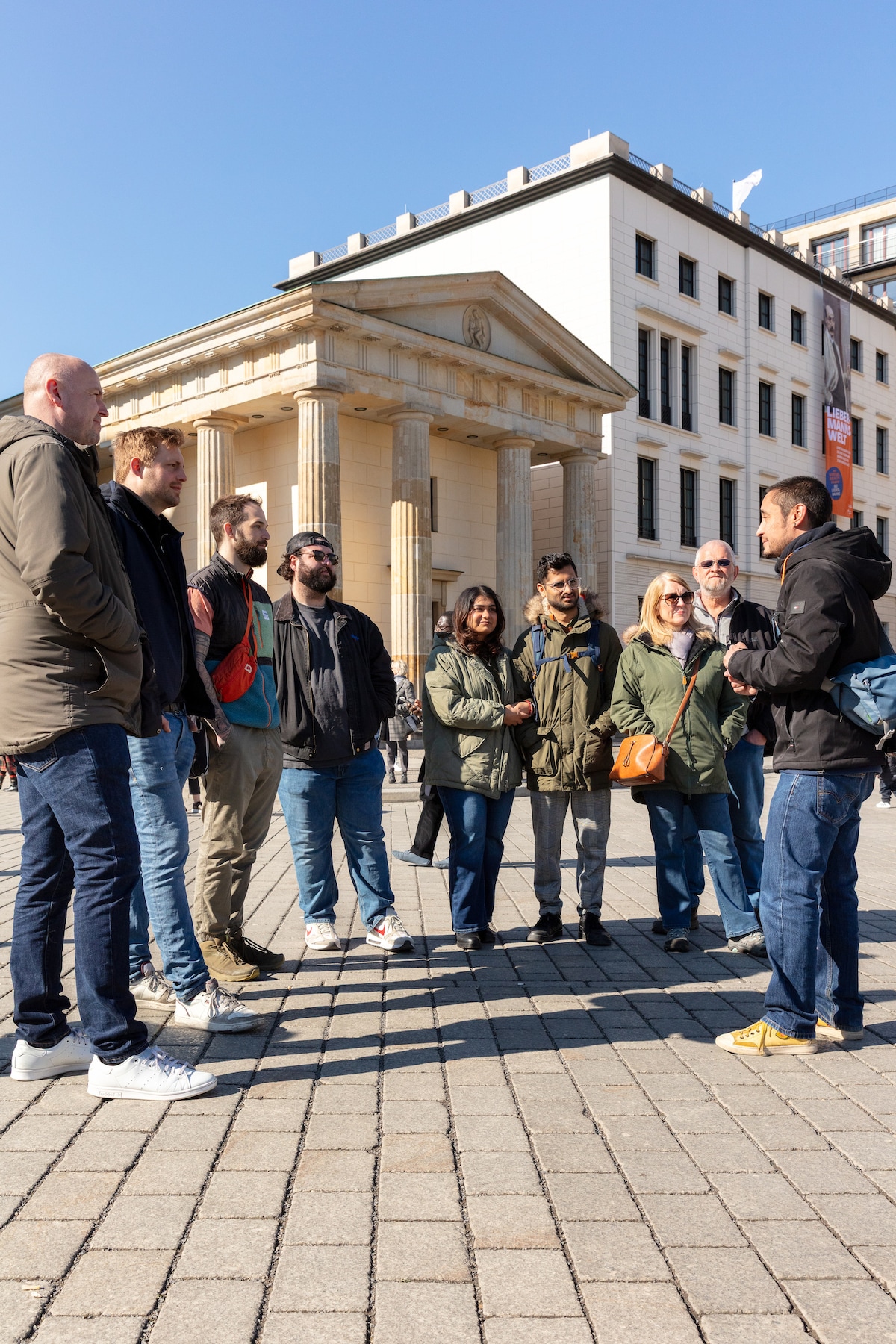
Rude Bastards Tour of® Berlin
Sat, Feb 21 • 3:00 PM
10785, Berlin, Germany
View details
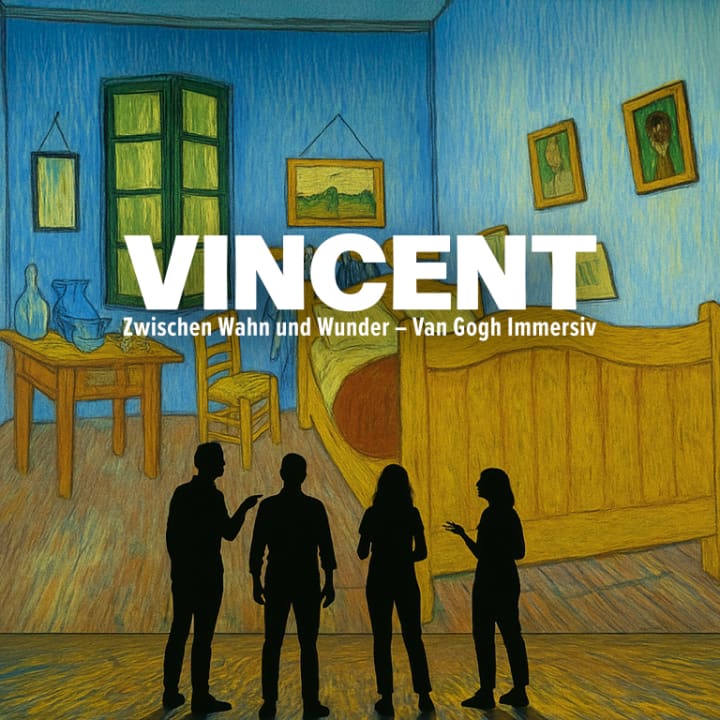
VINCENT - Zwischen Wahn und Wunder
Sat, Feb 21 • 4:30 PM
Revaler Str. 99, Berlin, 10245
View details
Nearby attractions of Ernst-Reuter-Platz
Komische Oper Berlin @Schillertheater
the temporary bauhaus-archiv / museum für gestaltung
Technical University Berlin
Architectural Museum of the Technical University of Berlin
Galerie Max Hetzler
Charlottenburger Tor
Museum of Photography
Stage Theater des Westens
C/O Berlin
Deutsche Oper Berlin
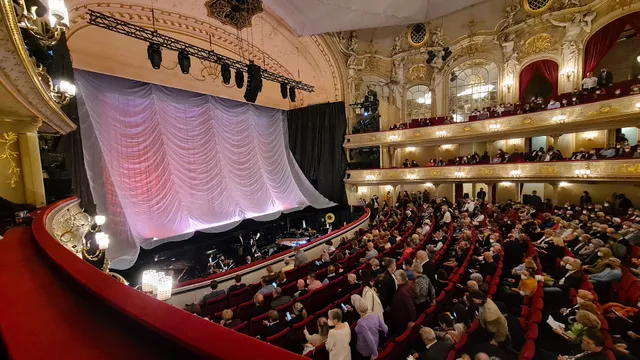
Komische Oper Berlin @Schillertheater
4.7
(676)
Open 24 hours
Click for details
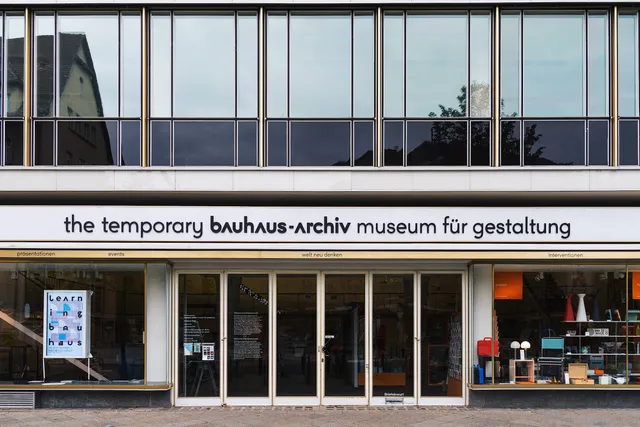
the temporary bauhaus-archiv / museum für gestaltung
3.6
(208)
Closed
Click for details
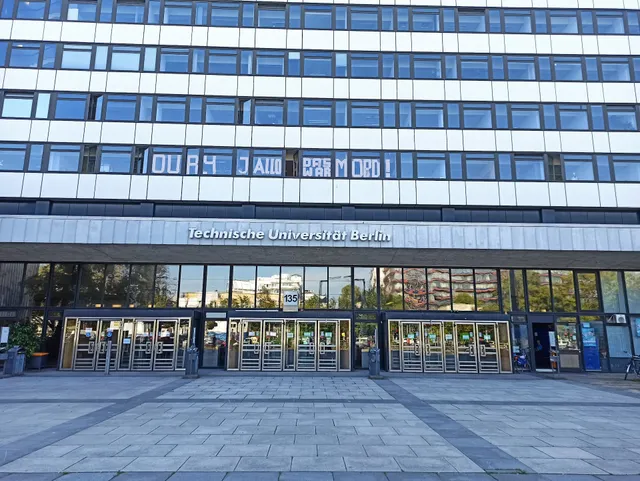
Technical University Berlin
4.1
(518)
Open 24 hours
Click for details
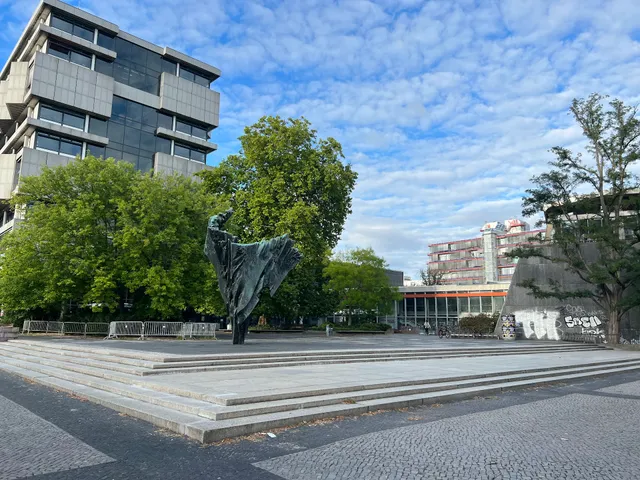
Architectural Museum of the Technical University of Berlin
4.0
(19)
Open 24 hours
Click for details
Nearby restaurants of Ernst-Reuter-Platz
CARAS
Cafeteria TU "Skyline"
Chen's Wok
Manufactum Brot & Butter
Manjurani
Schillerklause
Giro Coffee Bar
Dave B. Taste Five
Espresso House
tiger club vegan sushi
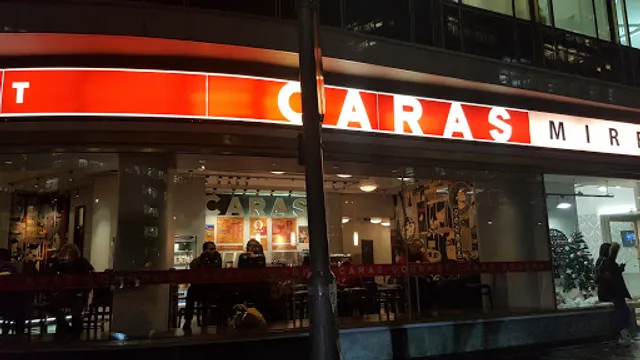
CARAS
4.0
(158)
Closed
Click for details

Cafeteria TU "Skyline"
4.2
(75)
$
Click for details
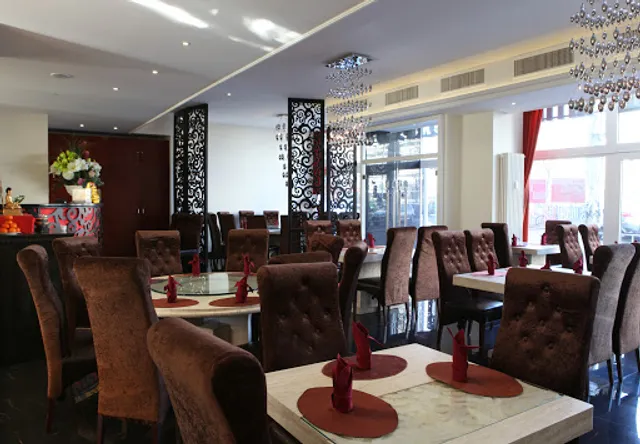
Chen's Wok
4.0
(407)
Open until 11:00 PM
Click for details
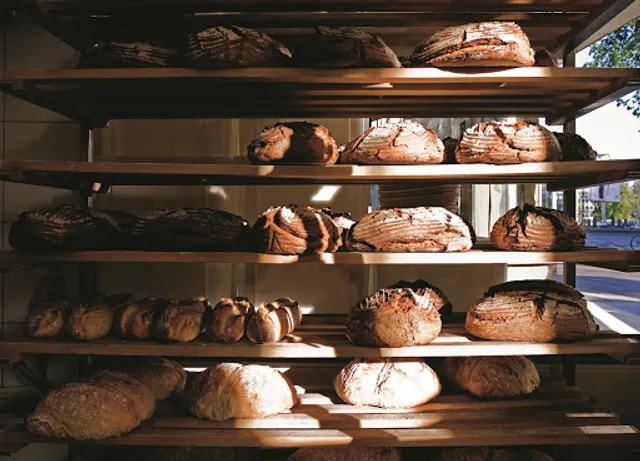
Manufactum Brot & Butter
4.2
(255)
Open until 8:00 PM
Click for details
Nearby local services of Ernst-Reuter-Platz
bauhaus reuse (BHROX)
Blizzeria Berlin Charlottenburg Pizza & Burger & Mehr
Berlin International University of Applied Sciences
Savignyplatz
eat! Berlin
Berliner Trödelmarkt
the family home
Zoologischer Garten
Bleibtreustraße 47
blossom.berlin
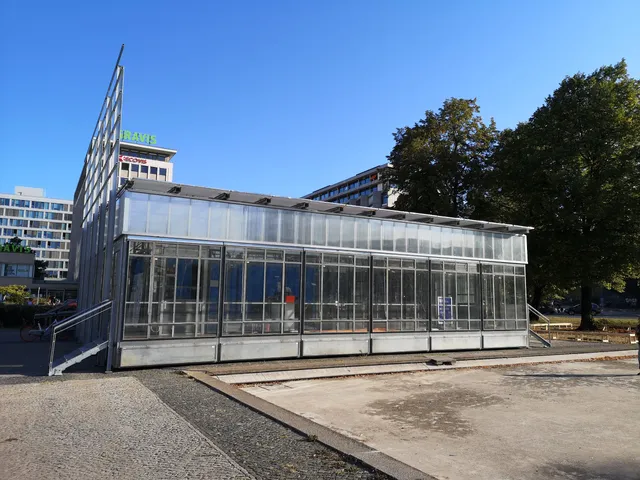
bauhaus reuse (BHROX)
4.4
(14)
Click for details
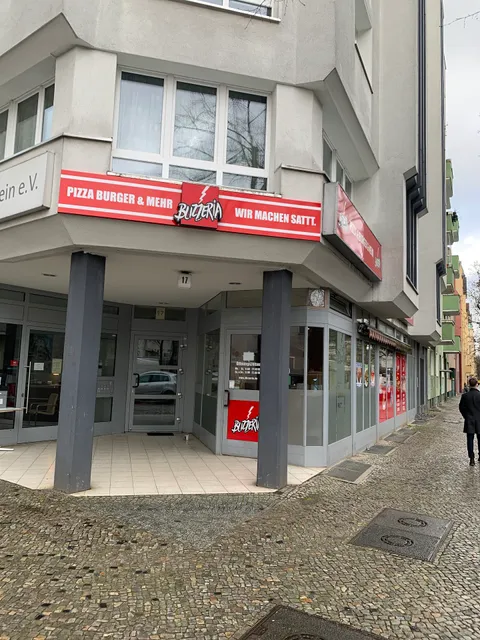
Blizzeria Berlin Charlottenburg Pizza & Burger & Mehr
4.7
(39)
Click for details
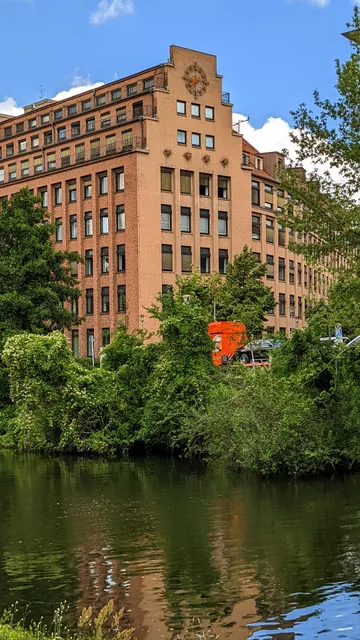
Berlin International University of Applied Sciences
4.1
(48)
Click for details
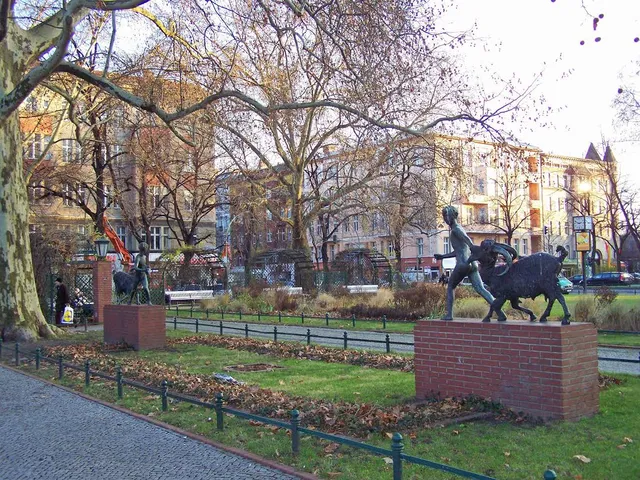
Savignyplatz
4.3
(893)
Click for details