Bremen Town Hall things to do, attractions, restaurants, events info and trip planning
Basic Info
Bremen Town Hall
Am Markt 21, 28195 Bremen, Germany
4.7(648)
Open until 2:30 PM

tickets
Save
spot
spot
Ratings & Description
Info
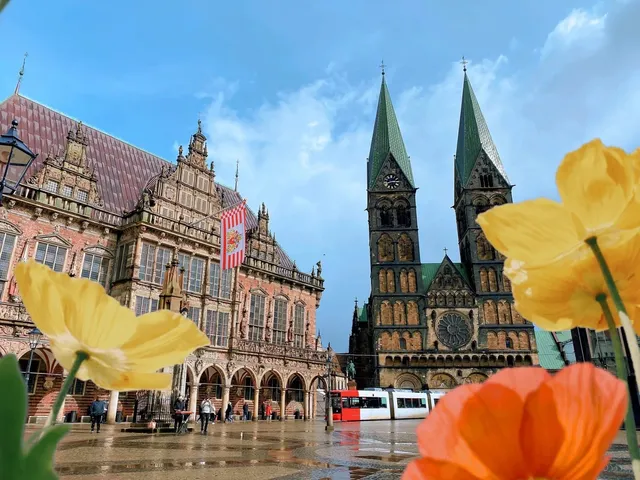
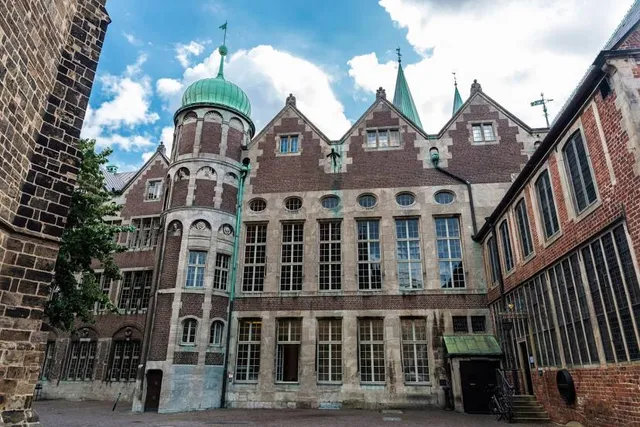
Bremen City Hall is the seat of the President of the Senate and Mayor of Bremen, Germany. It is one of the most important examples of Brick Gothic and Weser Renaissance architecture in Europe. Since 1973, it has been a protected historical building.
Cultural
Scenic
Family friendly
Accessibility
attractions: Town Musicians of Bremen, Bremen Roland, Bremen Market Square, St. Petri Dom Bremen, Bremen Hole, Haus Schütting, Bismarck monument, Glockenspiel House, Martinianleger, Bleikeller, restaurants: Bremen Ratskeller, Cafe and Bar Celona, Markthalle Acht, Q1 - Metropolitan Kitchen & Bar, ALEX Bremen Domshof, John Benton Restaurant, Schüttinger Gasthausbrauerei, Beck's Bistro - Bremen, Kaffeehaus u. Restaurant Classico, Kervan Restaurant, local businesses: Karstadt Bremen, Bremer Bonbon Manufaktur, Lloyd Passage, Schnoor, Böttcherstraße, Glockenspiel House, Katharinen-Passage, Sieben-Faulen-Laden, Paula Becker-Modersohn House, Die Gewürzinsel
 Learn more insights from Wanderboat AI.
Phone
+49 421 3616132
Website
rathaus.bremen.de
Open hoursSee all hours
Fri7 AM - 2:30 PMOpen
Plan your stay

Pet-friendly Hotels in Bremen
Find a cozy hotel nearby and make it a full experience.

Affordable Hotels in Bremen
Find a cozy hotel nearby and make it a full experience.

The Coolest Hotels You Haven't Heard Of (Yet)
Find a cozy hotel nearby and make it a full experience.

Trending Stays Worth the Hype in Bremen
Find a cozy hotel nearby and make it a full experience.
Reviews
Live events
Candlelight: Coldplay meets Ed Sheeran
Sat, Feb 28 • 4:30 PM
Böttcherstraße 2, Bremen, 28195
View details

Powerwolf Bremen Tickets
Fri, Feb 27 • 6:20 PM
ÖVB-Arena, ÖVB-Arena, Bremen, Germany
View details

Candlelight: Tribut an Phil Collins
Thu, Mar 5 • 6:00 PM
Bürgermeister-Spitta-Allee 45, Bremen, 28329
View details
Nearby attractions of Bremen Town Hall
Town Musicians of Bremen
Bremen Roland
Bremen Market Square
St. Petri Dom Bremen
Bremen Hole
Haus Schütting
Bismarck monument
Glockenspiel House
Martinianleger
Bleikeller
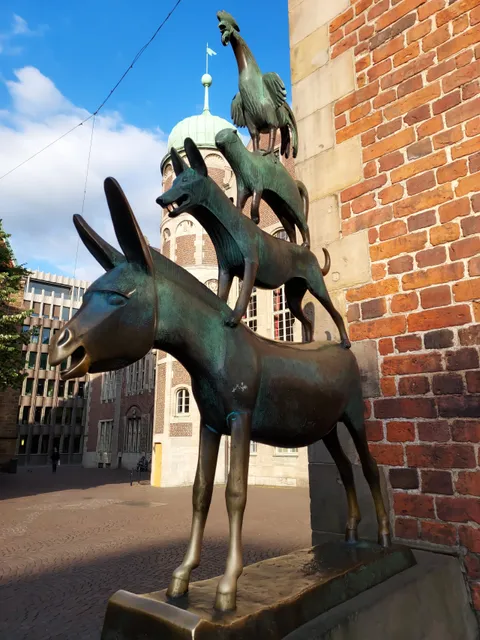
Town Musicians of Bremen
4.6
(5.3K)
Open until 12:00 AM
Click for details
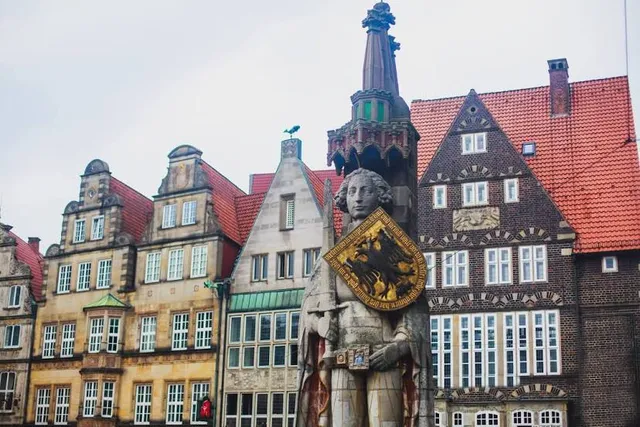
Bremen Roland
4.6
(1.9K)
Open until 12:00 AM
Click for details
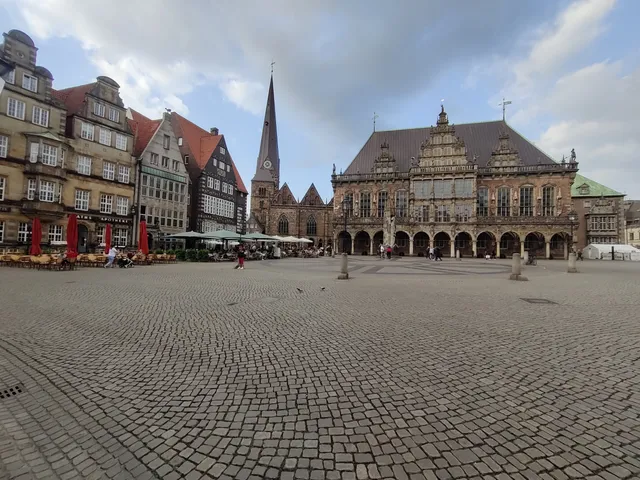
Bremen Market Square
4.7
(1.9K)
Closed
Click for details
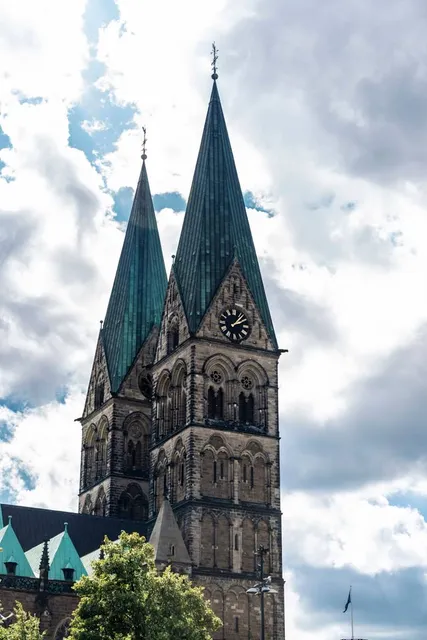
St. Petri Dom Bremen
4.7
(1.8K)
Closed
Click for details
Nearby restaurants of Bremen Town Hall
Bremen Ratskeller
Cafe and Bar Celona
Markthalle Acht
Q1 - Metropolitan Kitchen & Bar
ALEX Bremen Domshof
John Benton Restaurant
Schüttinger Gasthausbrauerei
Beck's Bistro - Bremen
Kaffeehaus u. Restaurant Classico
Kervan Restaurant
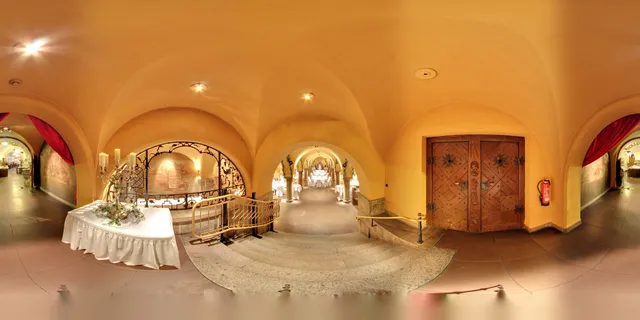
Bremen Ratskeller
4.6
(1.2K)
Closed
Click for details
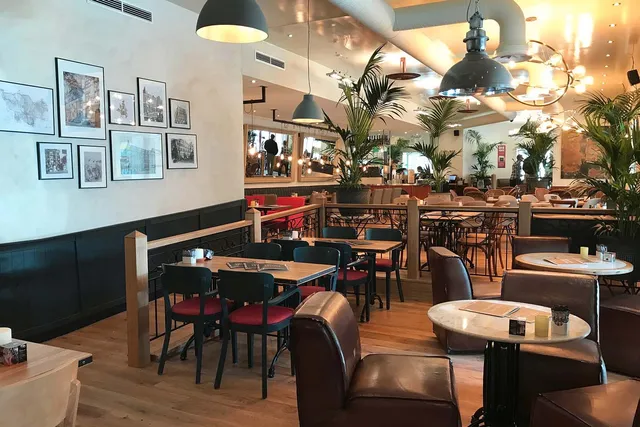
Cafe and Bar Celona
4.1
(981)
Closed
Click for details
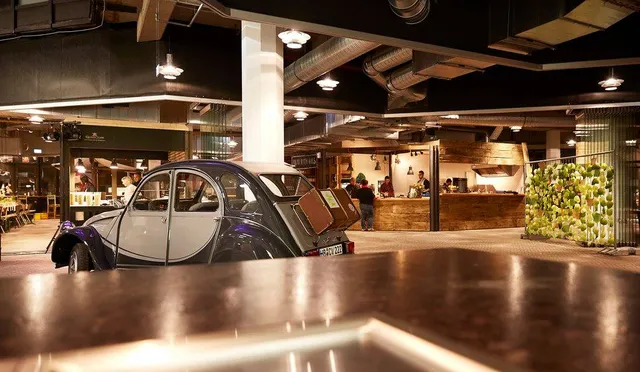
Markthalle Acht
4.5
(1.5K)
Closed
Click for details
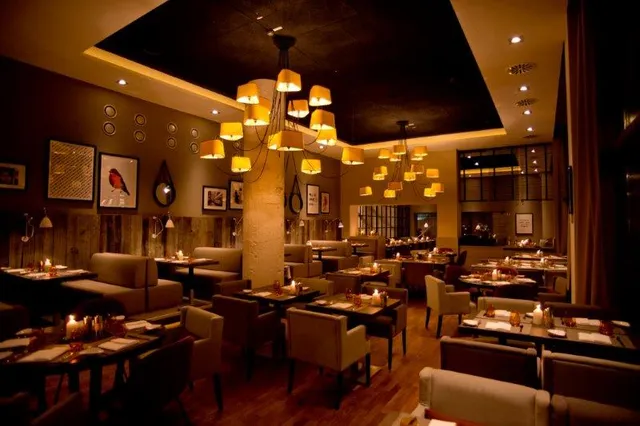
Q1 - Metropolitan Kitchen & Bar
4.6
(1.2K)
$$
Closed
Click for details
Nearby local services of Bremen Town Hall
Karstadt Bremen
Bremer Bonbon Manufaktur
Lloyd Passage
Schnoor
Böttcherstraße
Glockenspiel House
Katharinen-Passage
Sieben-Faulen-Laden
Paula Becker-Modersohn House
Die Gewürzinsel
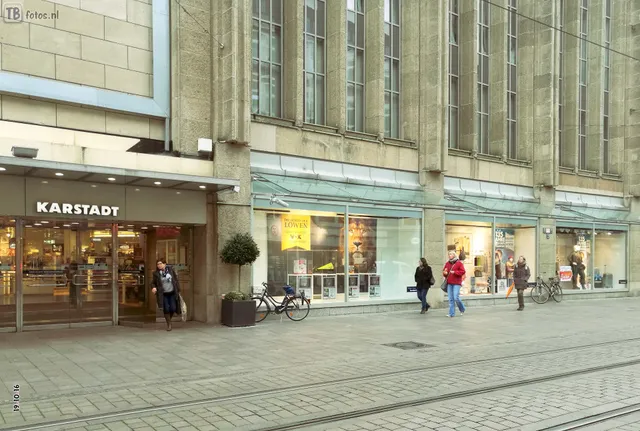
Karstadt Bremen
4.0
(2.7K)
Click for details
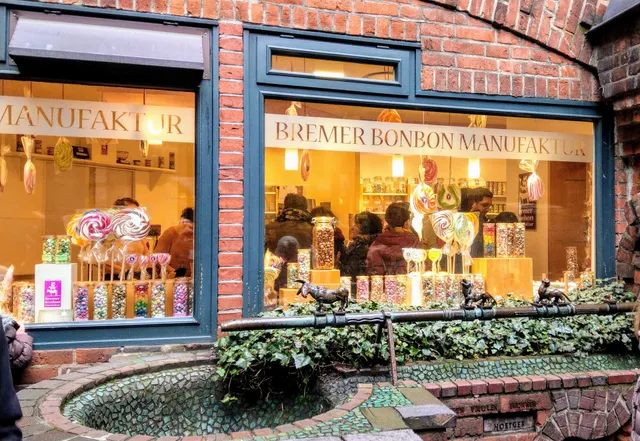
Bremer Bonbon Manufaktur
4.7
(566)
Click for details
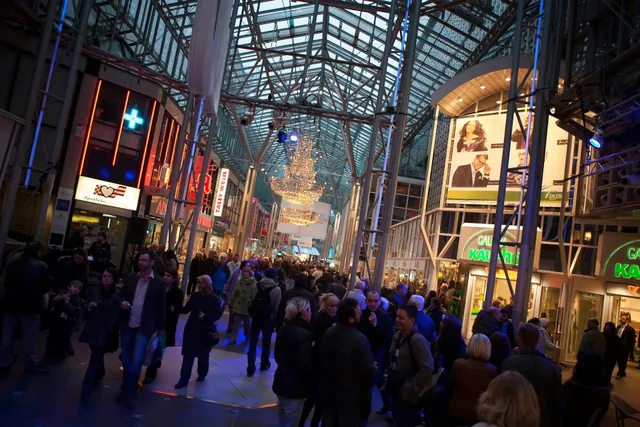
Lloyd Passage
4.1
(893)
Click for details
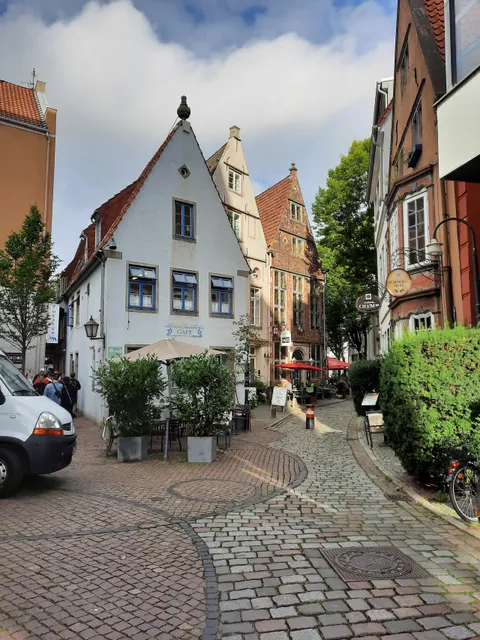
Schnoor
4.7
(6.3K)
Click for details