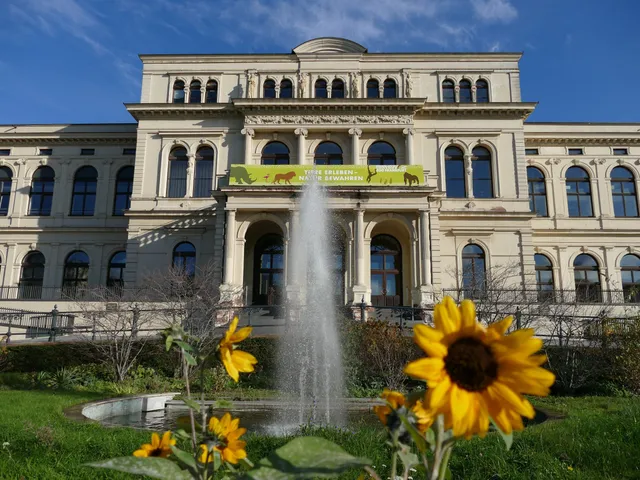
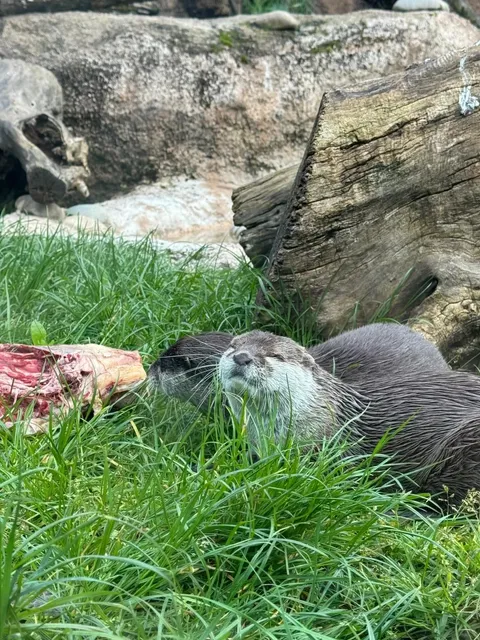
Frankfurt Zoo, officially known as Zoologischer Garten Frankfurt am Main, stands as one of Germany’s oldest and most respected zoological parks. Founded in 1858 by committed citizens of Frankfurt, it is the second oldest zoo in the country after the Berlin Zoological Garden. Covering approximately 11 hectares in Frankfurt’s eastern Innenstadt district, the zoo has undergone constant evolution to become a leader in conservation, education, and visitor experience.
History and Evolution The zoo began as a modest collection of animals in 1858 but outgrew its original site by 1874, leading to a relocation to its current larger grounds in the Pfingstweide area. Over the decades, the zoo expanded its enclosures and diversified its species, becoming a pivotal institution for animal education and conservation. Though heavily damaged by Allied bombings during World War II, the zoo was quickly rebuilt with renewed focus on creating naturalistic habitats rather than traditional menageries.
A notable figure in the zoo’s mid-20th-century renaissance was Bernhard Grzimek, a renowned zoologist and conservationist, who served as director from 1945 to 1974. Grzimek emphasized animal welfare and staff training, turning the zoo into a center for modern zoological practices and public engagement with wildlife.
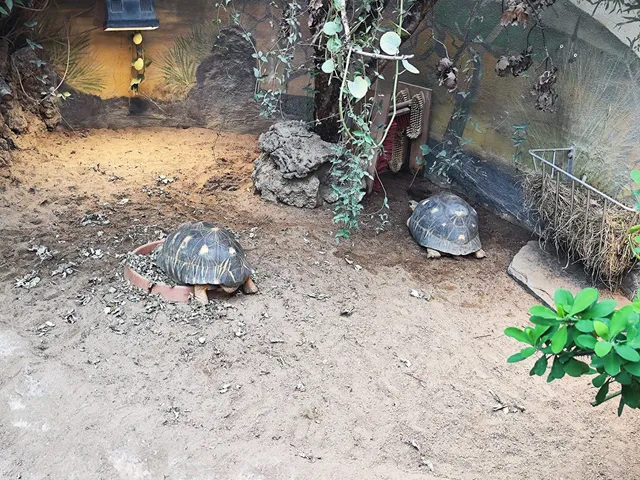
Animal Collection and Exhibits Today, Frankfurt Zoo houses around 4,500 animals representing approximately 450 species worldwide, including exotic mammals, birds, reptiles, amphibians, and fish. Highlights include the Asiatic lion, Sulawesi crested macaques, spectacled bears, and Sumatran tigers. The zoo is especially famed for successful breeding programs involving endangered species such as the okapi, black rhinoceros, and bongos, alongside hosting the only known twin birth of lowland gorillas in captivity.
The zoo features well-designed themed areas such as the Exotarium, hosting tropical and aquatic species including vibrant fish, reptiles, and insects in climate-controlled environments. The Gorilla and Monkey Jungle provides a large, green space that simulates the natural habitats of great apes, allowing visitors close views of these intelligent animals in enriched enclosures.
Visitor Experience and Education Frankfurt Zoo emphasizes education and interaction alongside entertainment. Visitors are welcomed by informative signage, guided tours, and interactive exhibits that explain animal behavior, habitats, and conservation challenges. Family and school programs abound, offering workshops, summer camps, and behind-the-scenes activities that deepen understanding of biodiversity.
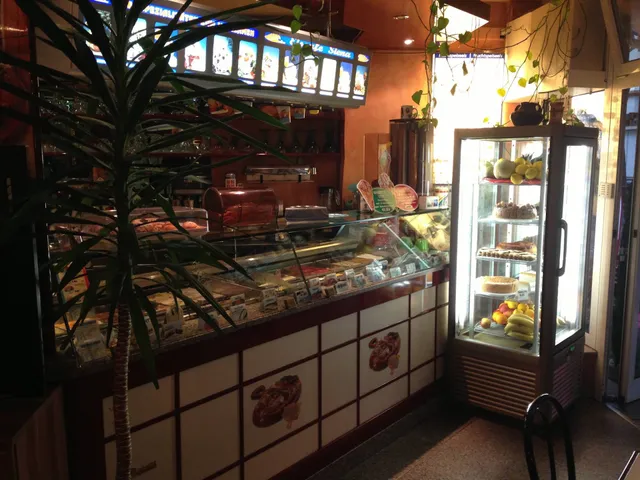
Walkways are well-paved and accessible, making the zoo suitable for visitors with strollers or limited mobility. Visitor amenities include cafeterias, gift shops, and shaded rest areas that provide comfort during long visits.
Conservation and Research Beyond its role as a public attraction, Frankfurt Zoo is a hub of conservation research and breeding programs. The Frankfurt Zoological Society, founded alongside the zoo, governs conservation projects worldwide, emphasizing species preservation and habitat restoration. The zoo actively collaborates with international organizations to protect endangered species in their natural environments.
Reviews and Public Reception Visitors praise Frankfurt Zoo for its blend of historical charm and modern facilities. The naturalistic habitats and diverse species fascinate animal lovers, while families find plenty of educational and entertaining activities tailored for children. Some reviewers note occasional crowds during peak tourist seasons and variable weather impact on outdoor exhibits, but overall the zoo maintains a reputation for cleanliness, safety, and ethical...
Read moreFrankfurt's main zoo is of a world class standard, and is a great place for all-round zoo favourites like lions, tigers, and bears (oh my!), as well as non-standard rarities like elephant shrews and quolls. Animals are well cared for, in clean and tidy exhibits, and breed well, which is the best sign that animals are happy and healthy.
I visited on a cold Monday, when museums are closed, on a day after some snowfall, so it was quiet. Some animals were not on show, with many others in their indoor quarters. With this in mind, it was inevitable that I wouldn't see everything that the zoo has to offer, even spending all day there.
Still, I saw the vast majority of what I wanted to see. Highlights include:
the two-storey Exotarium, encompassing fish, invertebrates, reptiles and amphibians from leaf-cutter ants to freshwater crocodiles, as well as the zoo's gentoo penguins (the Humboldt penguins are currently offshow, due to the renovation of their enclosure);
the cat house, featuring the Asiatic lion, Sumatran tiger, rusty-spotted cat, and fossa;
Grzimekhaus, featuring day and night-active small mammals, including aardvarks, aye-ayes, sloths, fruit bats, and tamandua anteaters;
the Cape fur seal and harbour seal;
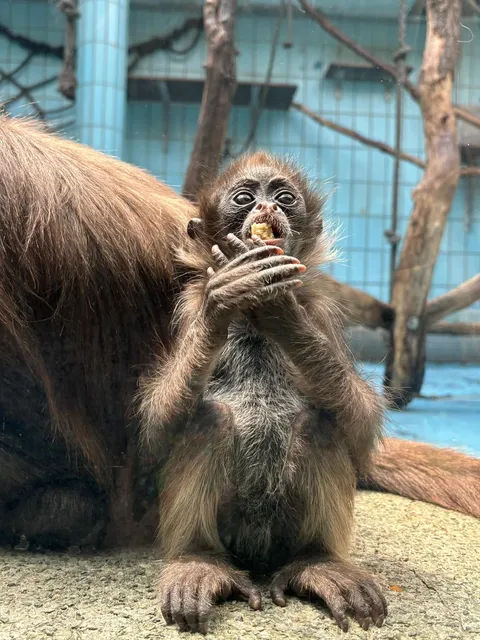
and primate houses, featuring baboons, bonobos (pygmy chimpanzees), orangutans, gorillas, and lemurs.
Food choices were limited on this cold day, but a menu of animal themed warm waffles was a welcome snack.
The zoo's convenient location adjacent to the U-Bahn station (called "Zoo") makes it an easy visit from any part of the city (less than 10 minutes from Hauptbahnhof, including transfer time), and its relatively small size for a zoo means you can visit for a half day.
I got a reduced price entry using the Frankfurt Pass, which was a very...
Read moreMy visit to Frankfurt Zoo in 2014 was an exceptional experience that left me thoroughly impressed and delighted. This zoo is a true gem, offering a perfect blend of conservation, education, and entertainment for visitors of all ages.
The wide variety of animal species and the well-designed enclosures created an immersive and authentic experience. It was evident that the zoo's focus on animal welfare and conservation was a top priority, as the animals seemed content and well-cared for in their naturalistic habitats.
One of the highlights was the Grzimek House, where I had the incredible opportunity to witness a vibrant ecosystem with free-flying birds, wandering reptiles, and curious mammals living together harmoniously. This unique exhibit was a fantastic educational experience that showcased the interconnectedness of different species.
The zoo's dedication to education was evident through informative signage and interactive displays, allowing visitors to learn about the animals' behaviors, habitats, and the importance of conservation efforts. Additionally, the friendly and knowledgeable staff was readily available to answer questions and share their passion for wildlife.
The family-friendly atmosphere, including playgrounds and picnic areas, made it a great place for a day of fun and exploration. The zoo's convenient location in the heart of Frankfurt also added to the overall convenience of the visit.
Frankfurt Zoo truly exceeded my expectations, and I highly recommend it to anyone visiting the city. It's a place where both children and adults can connect with nature and wildlife, fostering a sense of appreciation for the natural world and the need for its preservation. A five-star experience...
Read more