Frangokastelo beach things to do, attractions, restaurants, events info and trip planning
Basic Info
Frangokastelo beach
Sfakia, Greece
4.5(555)
Open 24 hours
Save
spot
spot
Ratings & Description
Info
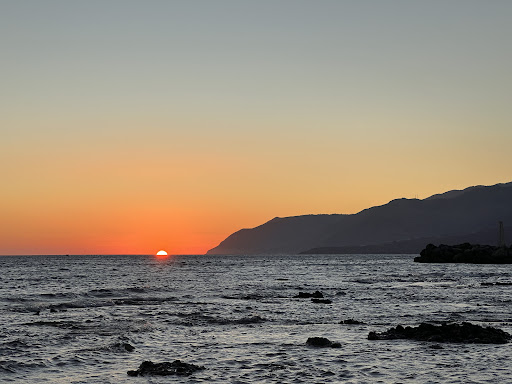
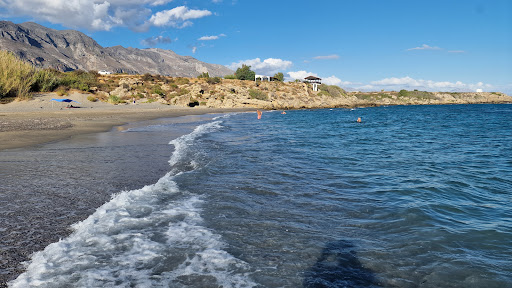
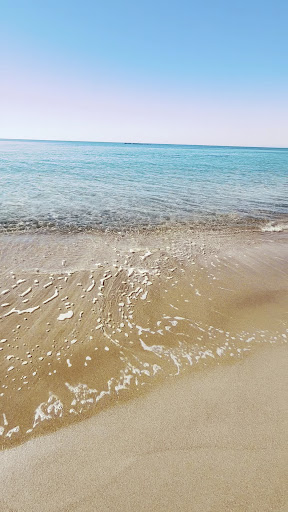
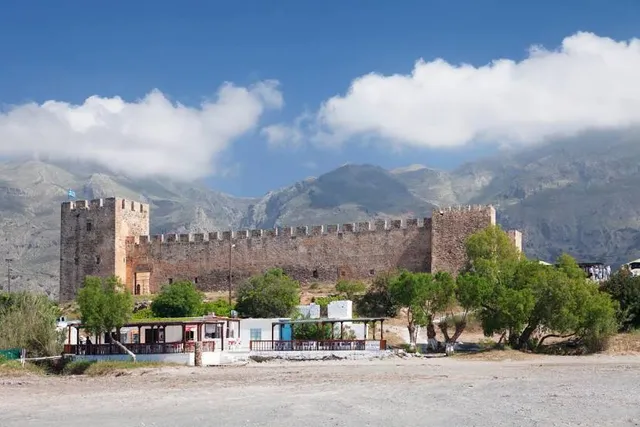
Frangokastello is the location of a castle and scattered settlement on the south coast of Crete, Greece, about 12 km east of Chora Sfakion and within the prefecture of Chania.
Outdoor
Scenic
Cultural
Relaxation
Family friendly
attractions: Orthi Ammos, restaurants: Fatamorgana taverna, Καλή Καρδία - ΚΑΟΥΔΗΣ, Mylos Seaside Experience, MeRaki, Taverna Orthi Ammos, Beaufort modern Restaurant, Babis - Popi, Sunrise taverna, Taverna akti, Georgia's Tastes, local businesses:
 Learn more insights from Wanderboat AI.
Website
cretanbeaches.com
Plan your stay

Pet-friendly Hotels in Municipality of Sfakia
Find a cozy hotel nearby and make it a full experience.

Affordable Hotels in Municipality of Sfakia
Find a cozy hotel nearby and make it a full experience.

The Coolest Hotels You Haven't Heard Of (Yet)
Find a cozy hotel nearby and make it a full experience.

Trending Stays Worth the Hype in Municipality of Sfakia
Find a cozy hotel nearby and make it a full experience.
Reviews
Live events
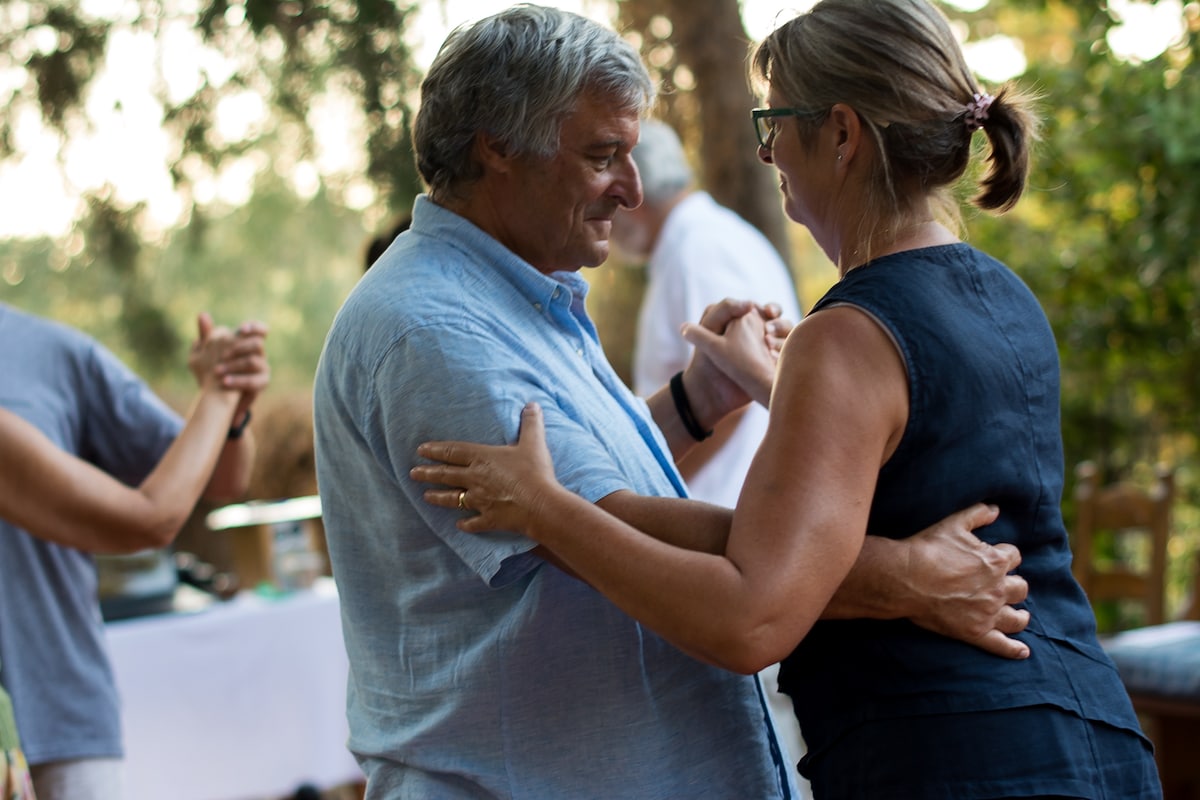
Learn tango under trees in a village setting
Sat, Feb 14 • 5:00 PM
730 08, Douliana, Greece
View details
Nearby attractions of Frangokastelo beach
Orthi Ammos
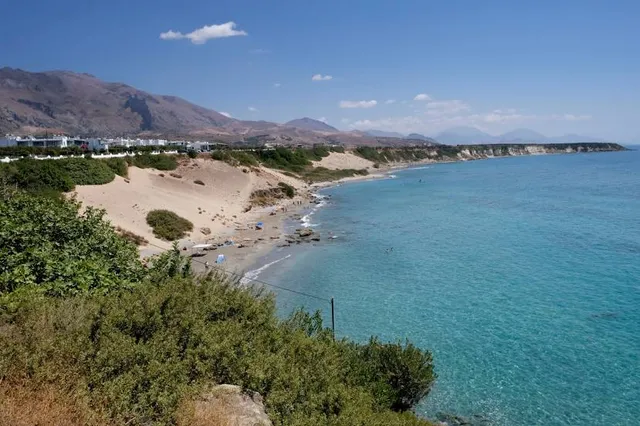
Orthi Ammos
4.7
(327)
Open 24 hours
Click for details
Nearby restaurants of Frangokastelo beach
Fatamorgana taverna
Καλή Καρδία - ΚΑΟΥΔΗΣ
Mylos Seaside Experience
MeRaki
Taverna Orthi Ammos
Beaufort modern Restaurant
Babis - Popi
Sunrise taverna
Taverna akti
Georgia's Tastes
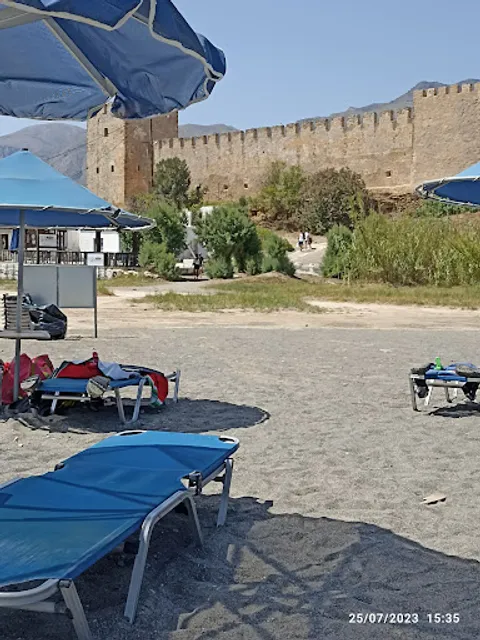
Fatamorgana taverna
4.1
(151)
Click for details
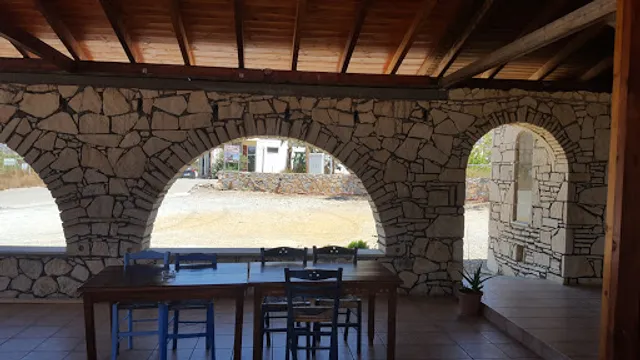
Καλή Καρδία - ΚΑΟΥΔΗΣ
4.7
(229)
Click for details
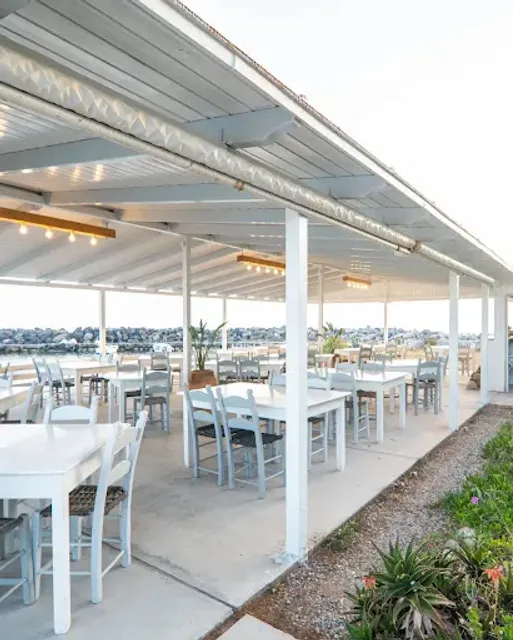
Mylos Seaside Experience
4.5
(209)
Click for details
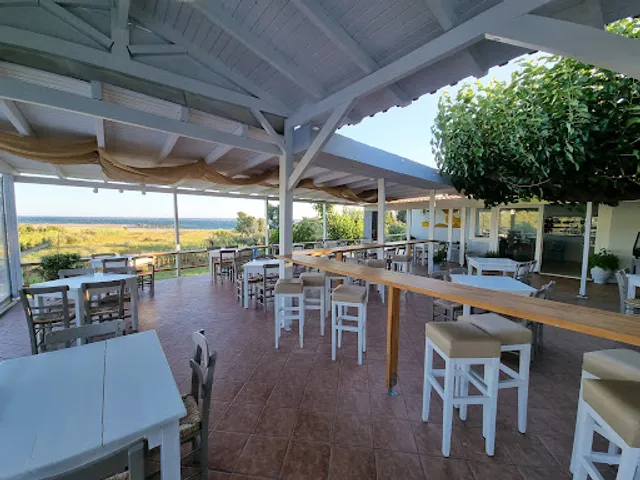
MeRaki
4.9
(75)
Open until 12:00 AM
Click for details