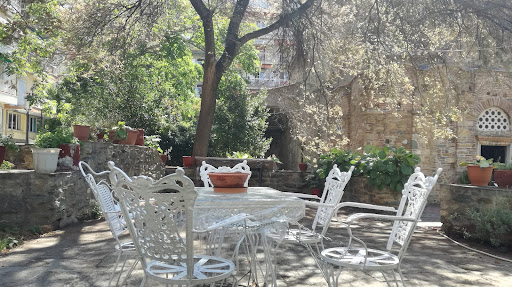
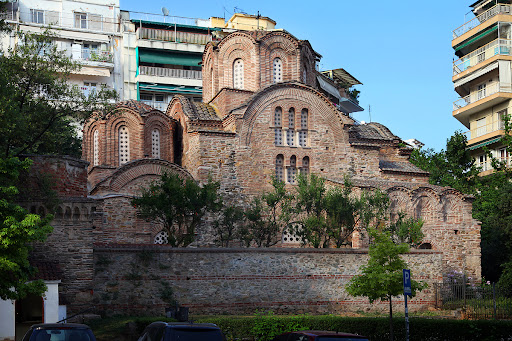
Holy Church of Saint Panteleimon things to do, attractions, restaurants, events info and trip planning
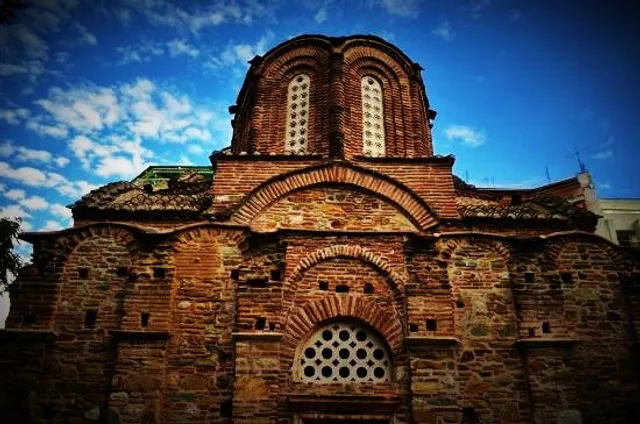
Basic Info
Holy Church of Saint Panteleimon
Λεωνίδα Ιασωνίδου, Αρριανού, Arrianou &, Thessaloniki 546 35, Greece
4.8(146)
Open 24 hours
Save
spot
spot
Ratings & Description
Info
Cultural
Family friendly
Accessibility
attractions: Arch of Galerius, Rotunda, Virgin Mary Gorgoepikoos - Panagouda Church, Holy Church of Hagia Sophia, Ataturk Museum of Thessaloniki, Holy Church of the Trasfiguration of the Saviour, Agia Sofia Square, Navarinou Square, Palace of Galerius, Church of the Acheiropoietos, restaurants: Κιβωτός των Γεύσεων, Pites tis Polis, Τα κουμπαράκια, NOSTOS Taverneio Tavern, Funky Burger, Ntangkara, Life And Chicken, Kouzináki, Ypobrýchio, Donkey Garden
 Learn more insights from Wanderboat AI.
Phone
+30 231 020 4150
Plan your stay

Pet-friendly Hotels in Municipality of Thessaloniki
Find a cozy hotel nearby and make it a full experience.

Affordable Hotels in Municipality of Thessaloniki
Find a cozy hotel nearby and make it a full experience.

The Coolest Hotels You Haven't Heard Of (Yet)
Find a cozy hotel nearby and make it a full experience.

Trending Stays Worth the Hype in Municipality of Thessaloniki
Find a cozy hotel nearby and make it a full experience.
Reviews
Nearby attractions of Holy Church of Saint Panteleimon
Arch of Galerius
Rotunda
Virgin Mary Gorgoepikoos - Panagouda Church
Holy Church of Hagia Sophia
Ataturk Museum of Thessaloniki
Holy Church of the Trasfiguration of the Saviour
Agia Sofia Square
Navarinou Square
Palace of Galerius
Church of the Acheiropoietos
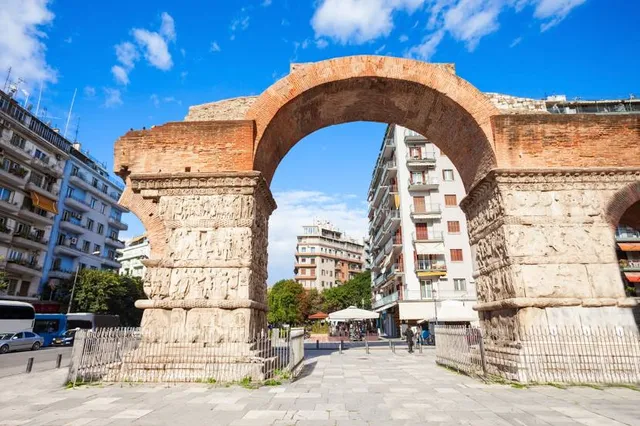
Arch of Galerius
4.6
(6.1K)
Open until 12:00 AM
Click for details
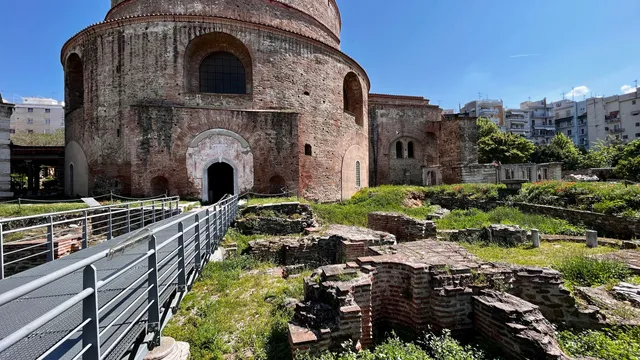
Rotunda
4.6
(2.7K)
Open 24 hours
Click for details
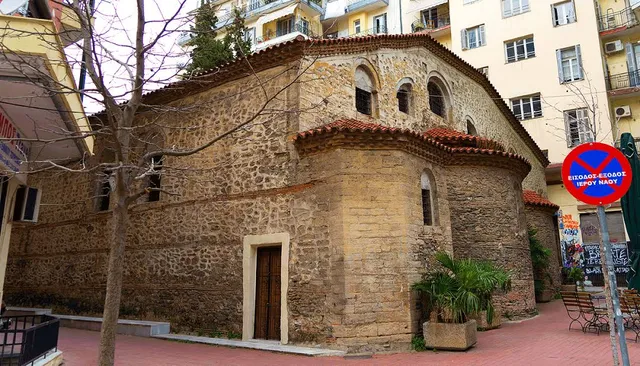
Virgin Mary Gorgoepikoos - Panagouda Church
4.9
(220)
Open 24 hours
Click for details
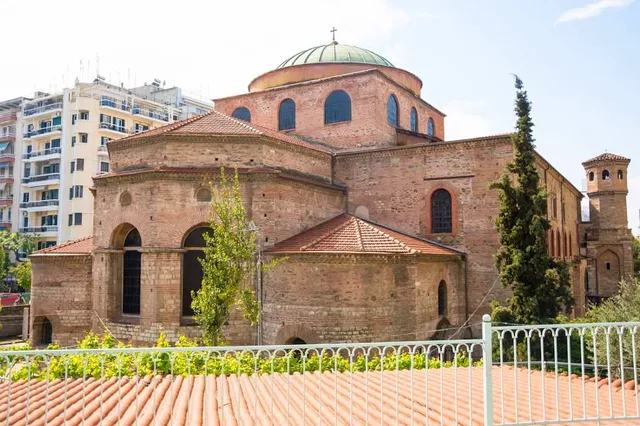
Holy Church of Hagia Sophia
4.8
(3.4K)
Open 24 hours
Click for details
Things to do nearby
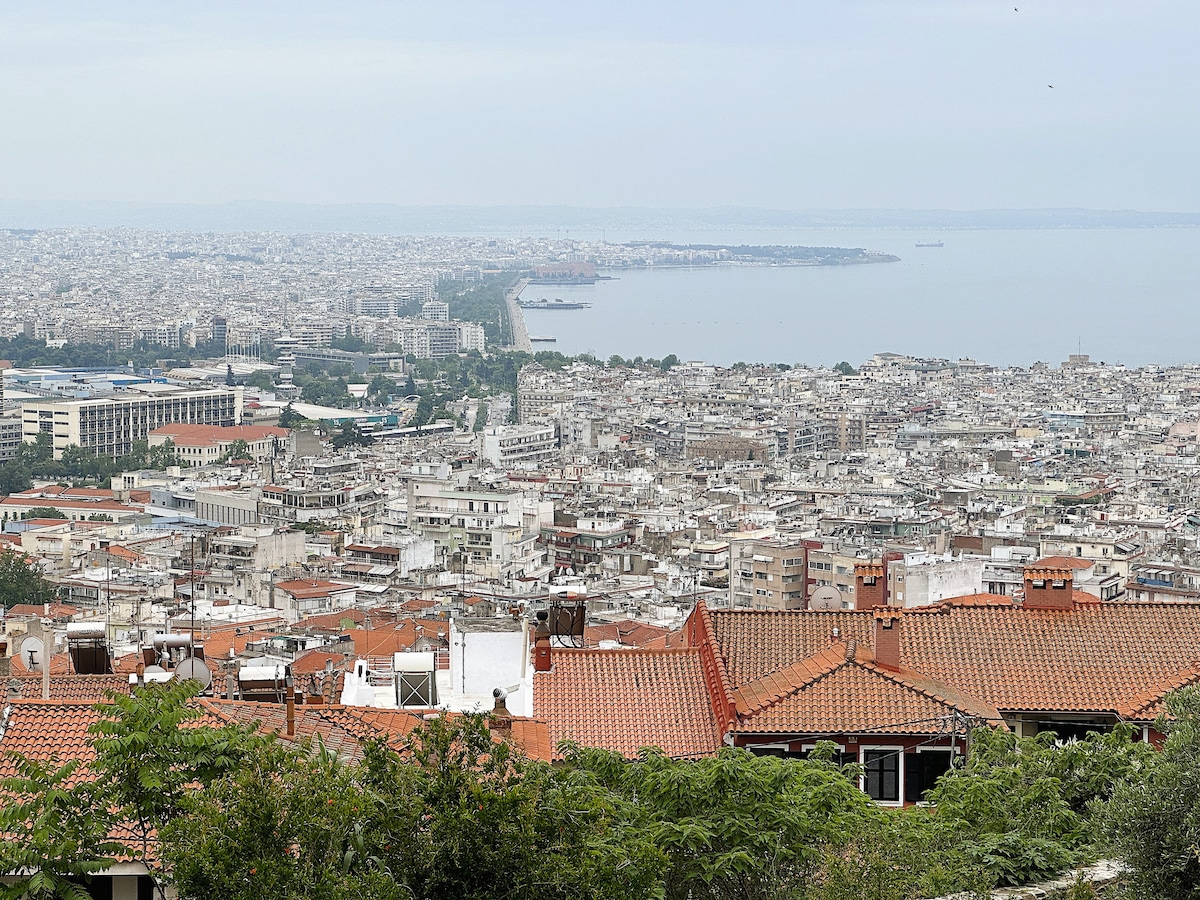
Old Town Tour: Culture-History-Myths-Nature
Sun, Jan 11 • 8:30 AM
546 34, Thessaloniki, Greece
View details

Thessaloniki walking tour-Greek language&Culture
Sat, Jan 10 • 10:30 AM
542 48, Thessaloniki, Greece
View details

Embark on a journey in ancient Greek mythology
Mon, Jan 12 • 9:30 AM
546 30, Thessaloniki, Greece
View details
Nearby restaurants of Holy Church of Saint Panteleimon
Κιβωτός των Γεύσεων
Pites tis Polis
Τα κουμπαράκια
NOSTOS Taverneio Tavern
Funky Burger
Ntangkara
Life And Chicken
Kouzináki
Ypobrýchio
Donkey Garden
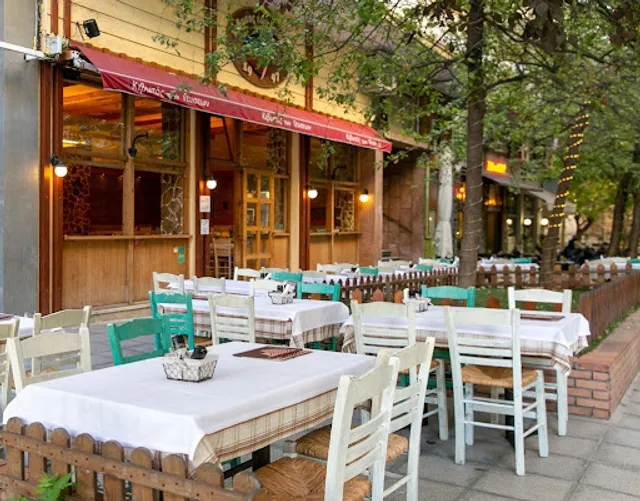
Κιβωτός των Γεύσεων
4.6
(886)
Click for details
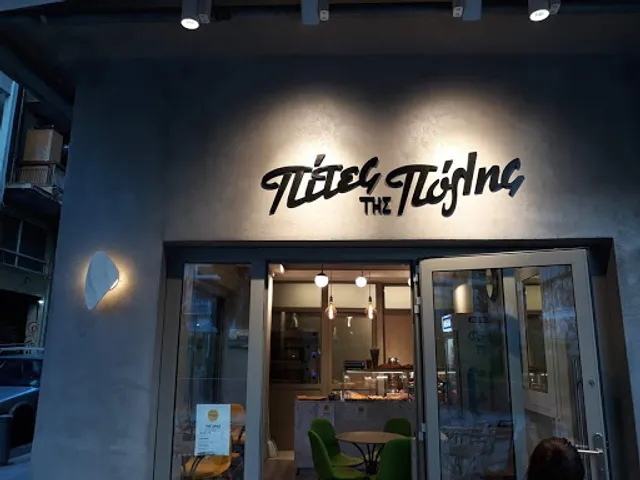
Pites tis Polis
4.9
(1.1K)
Click for details
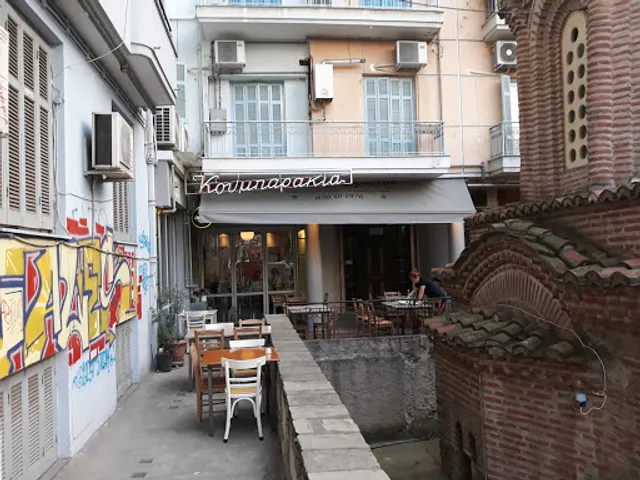
Τα κουμπαράκια
4.5
(320)
$$
Click for details
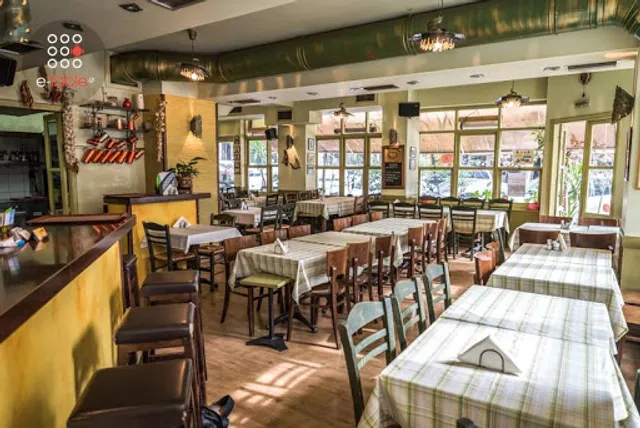
NOSTOS Taverneio Tavern
4.6
(1.0K)
Click for details