Arch of Galerius things to do, attractions, restaurants, events info and trip planning
Basic Info
Arch of Galerius
Egnatia 144, Thessaloniki 546 22, Greece
4.6(6.4K)
Open until 12:00 AM
Save
spot
spot
Ratings & Description
Info
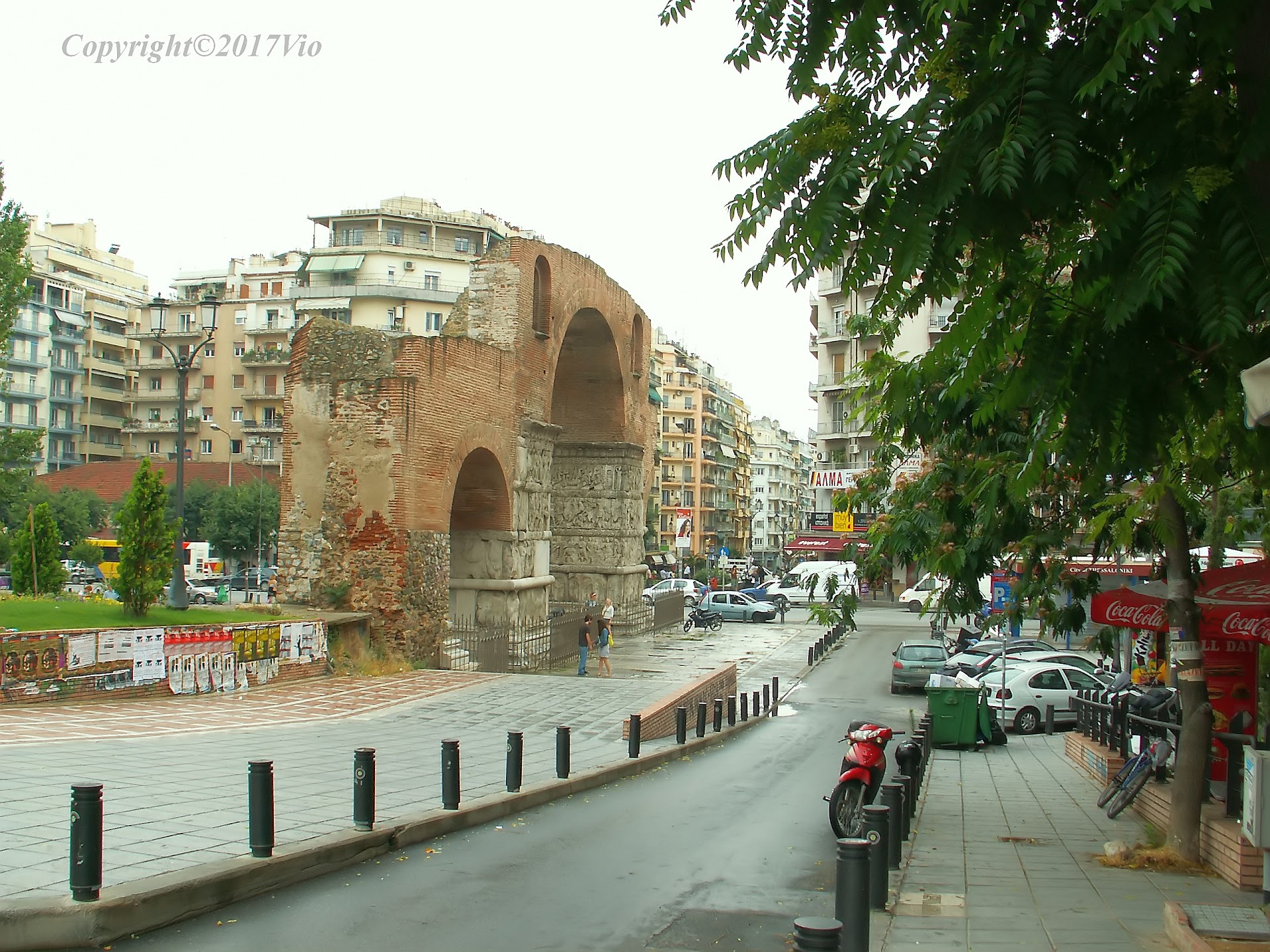
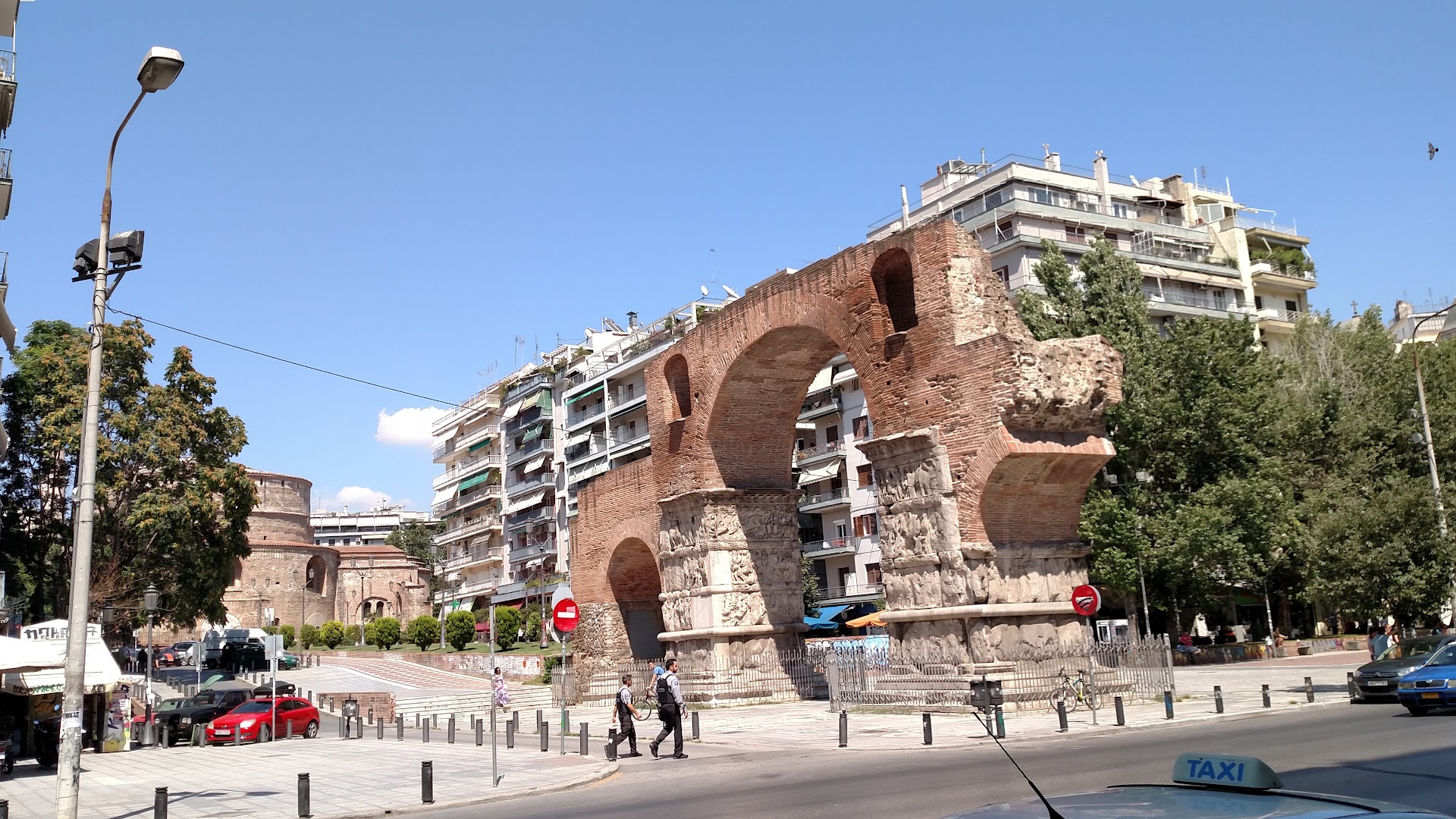
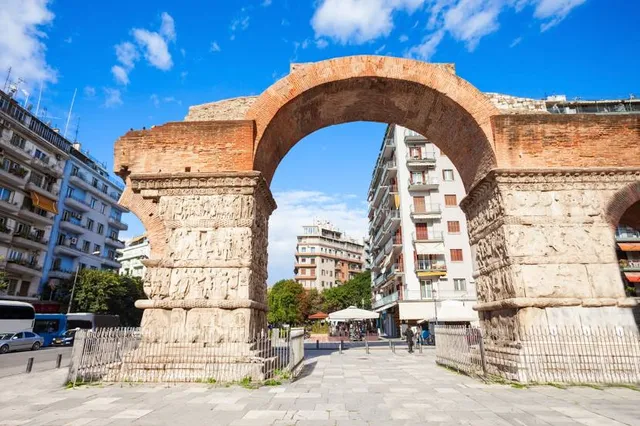
The Arch of Galerius or Kamara and the Rotunda are neighbouring early 4th-century AD monuments in the city of Thessaloniki, in the region of Central Macedonia in northern Greece.
Cultural
Outdoor
Accessibility
attractions: Rotunda, Virgin Mary Gorgoepikoos - Panagouda Church, Holy Church of the Trasfiguration of the Saviour, Navarinou Square, Holy Church of Hagia Sophia, Palace of Galerius, Ataturk Museum of Thessaloniki, East Byzantine Walls of Thessaloniki, Apsidal Hall of the Galerian Complex, Agia Sofia Square, restaurants: Pites tis Polis, Κιβωτός των Γεύσεων, Τα κουμπαράκια, Mikel Coffee Company, Funky Burger, CafeOino, Cookieman Coffee and more, Christos Gyros Center, Caza-Nova Pizzeria, Navarino creperie, local businesses: Greek natural, Kritiko Pervoli, Holy Church of Panagia Dexia, Egnatia 123, Love Underground Thessaloniki, Holy Church of Saint Panteleimon, Holy Church of Saint Panteleimon, Galyfianakis, Open Lab Μπουγατσοποιείο, Fast Pizza
 Learn more insights from Wanderboat AI.
Phone
+30 231 331 0400
Website
odysseus.culture.gr
Open hoursSee all hours
WedOpen 24 hoursOpen
Plan your stay

Pet-friendly Hotels in Municipality of Thessaloniki
Find a cozy hotel nearby and make it a full experience.

Affordable Hotels in Municipality of Thessaloniki
Find a cozy hotel nearby and make it a full experience.

The Coolest Hotels You Haven't Heard Of (Yet)
Find a cozy hotel nearby and make it a full experience.

Trending Stays Worth the Hype in Municipality of Thessaloniki
Find a cozy hotel nearby and make it a full experience.
Reviews
Live events
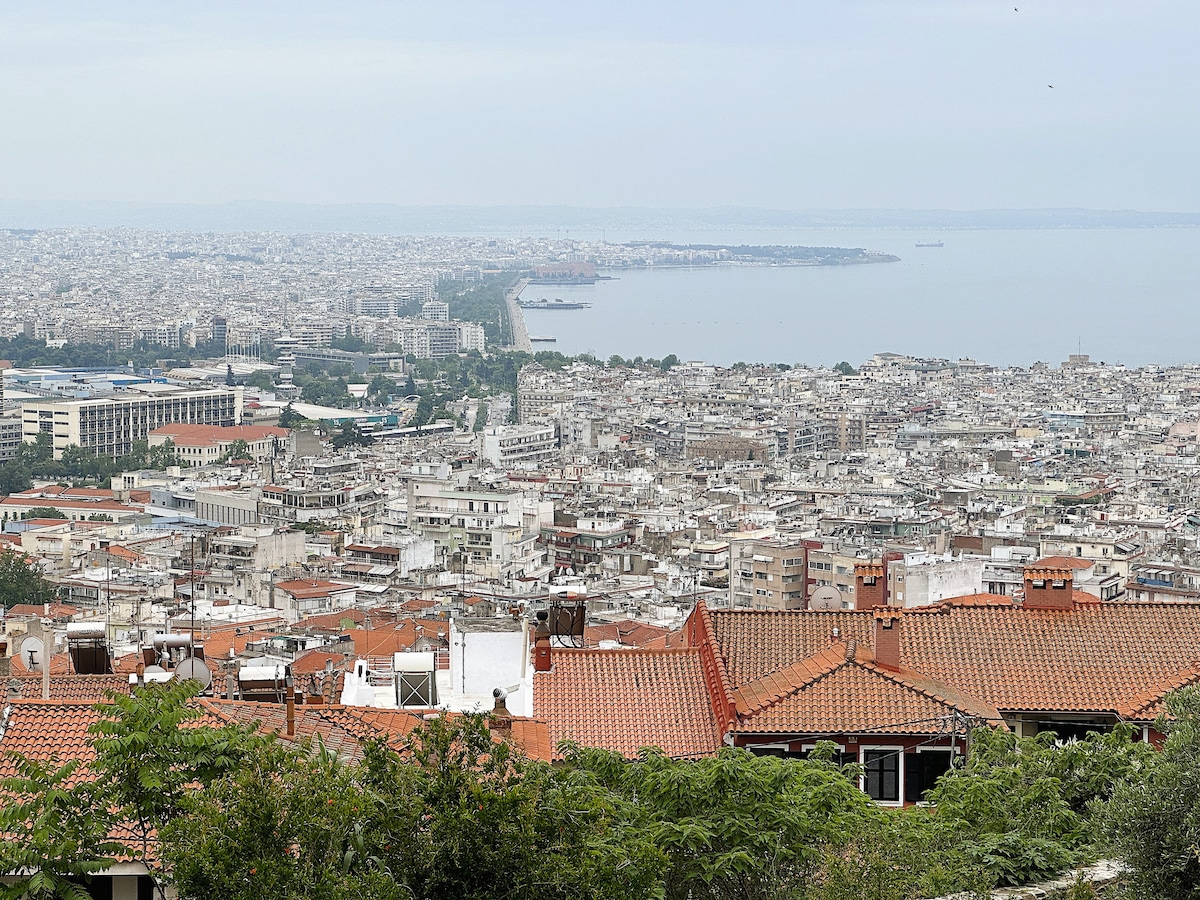
Old Town Tour: Culture-History-Myths-Nature
Fri, Jan 30 • 8:30 AM
546 34, Thessaloniki, Greece
View details
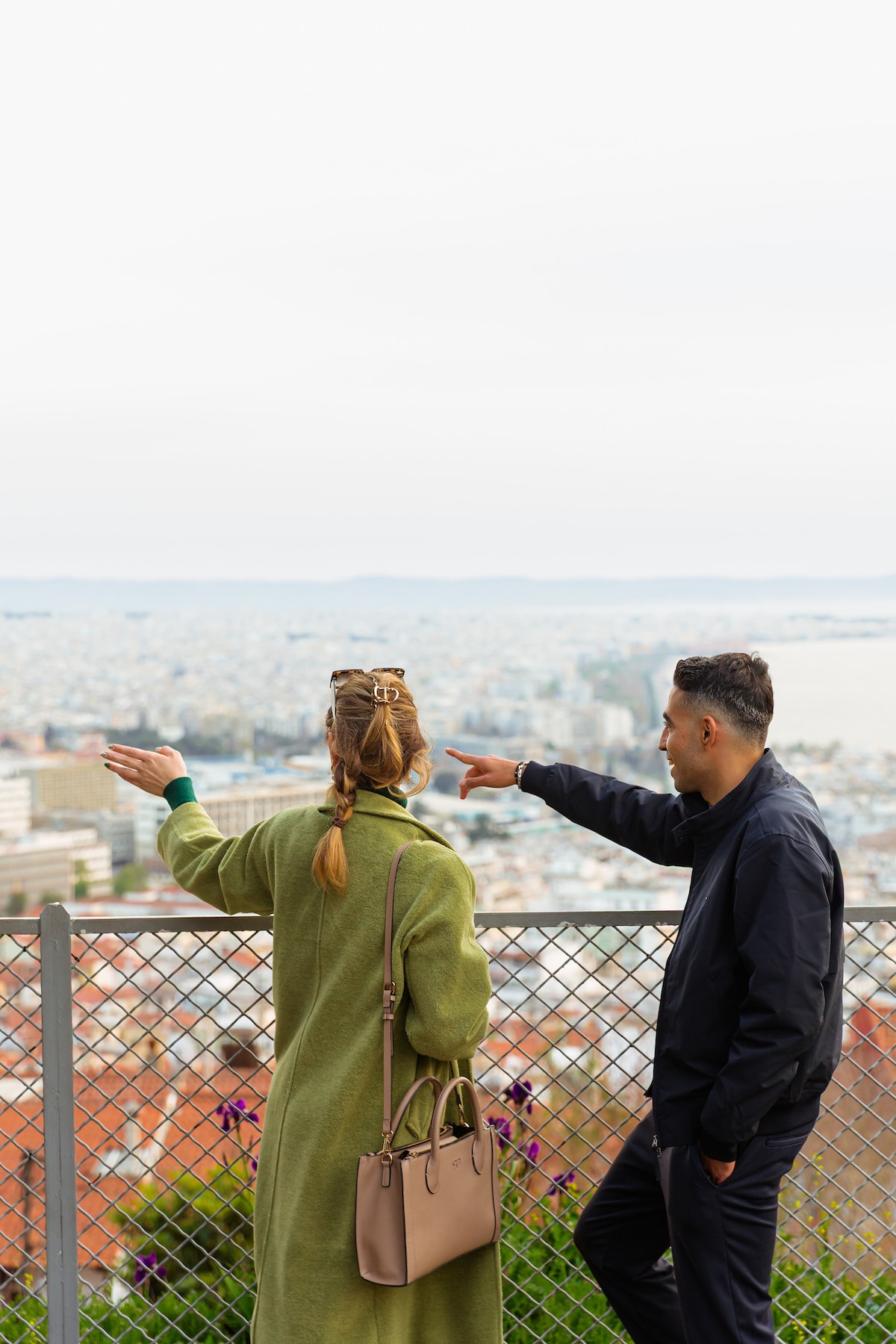
Thessaloniki walking tour-Greek language&Culture
Thu, Jan 29 • 10:30 AM
542 48, Thessaloniki, Greece
View details
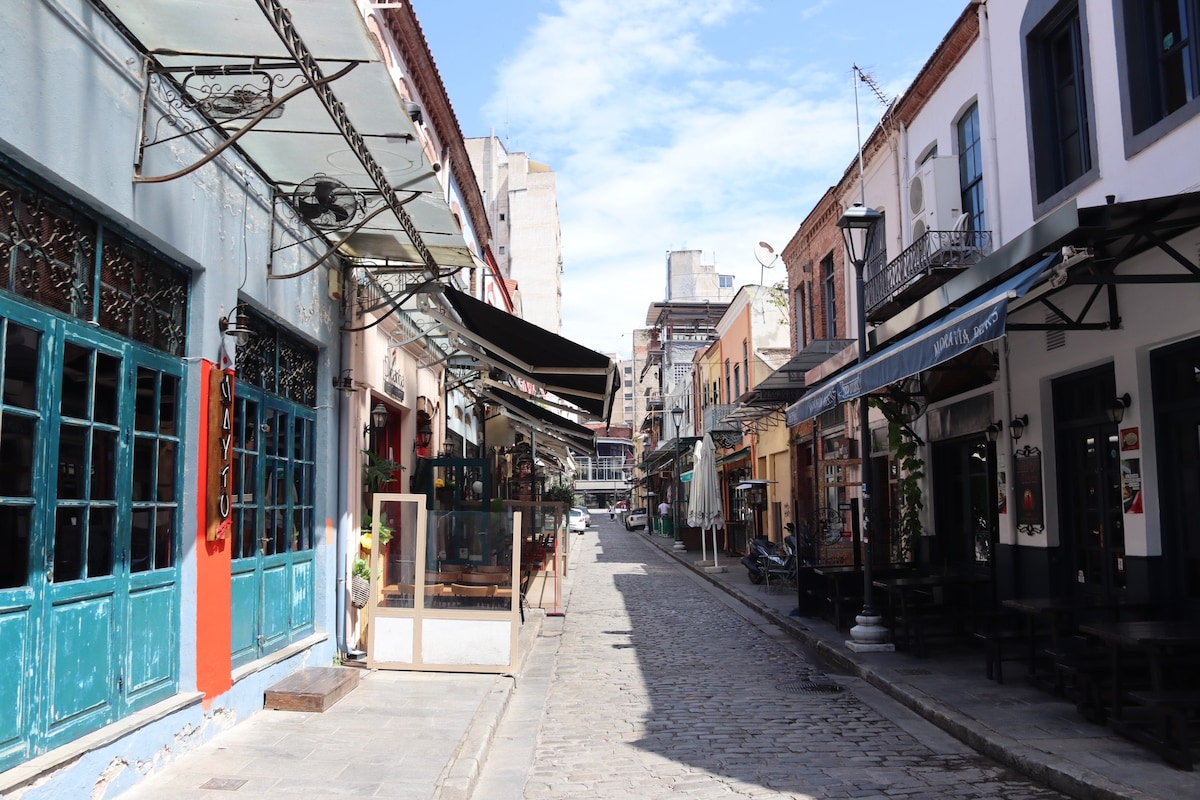
Explore Thessaloniki
Wed, Jan 28 • 12:30 PM
546 24, Thessaloniki, Greece
View details
Nearby attractions of Arch of Galerius
Rotunda
Virgin Mary Gorgoepikoos - Panagouda Church
Holy Church of the Trasfiguration of the Saviour
Navarinou Square
Holy Church of Hagia Sophia
Palace of Galerius
Ataturk Museum of Thessaloniki
East Byzantine Walls of Thessaloniki
Apsidal Hall of the Galerian Complex
Agia Sofia Square
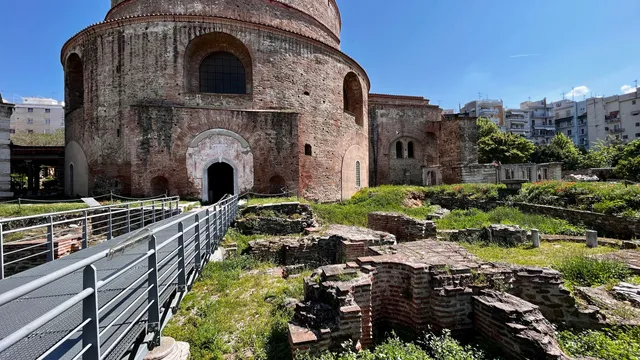
Rotunda
4.6
(2.6K)
Open until 12:00 AM
Click for details
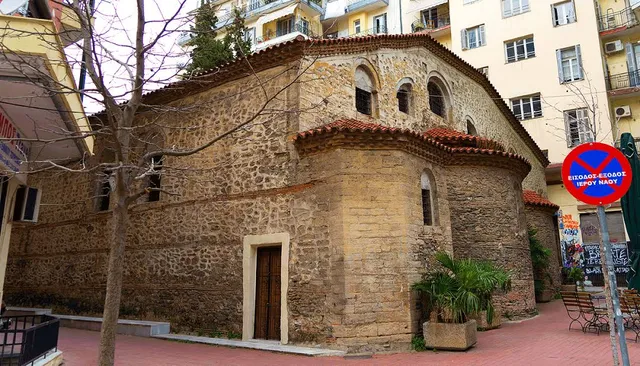
Virgin Mary Gorgoepikoos - Panagouda Church
4.9
(221)
Closed
Click for details
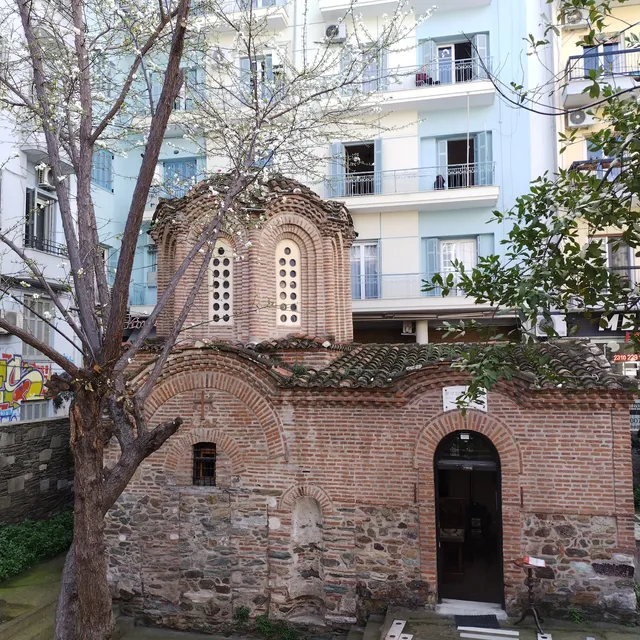
Holy Church of the Trasfiguration of the Saviour
4.8
(52)
Open until 12:00 AM
Click for details
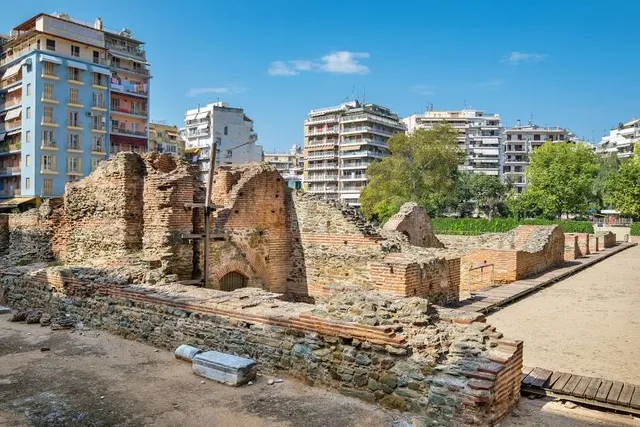
Navarinou Square
4.5
(776)
Open until 12:00 AM
Click for details
Nearby restaurants of Arch of Galerius
Pites tis Polis
Κιβωτός των Γεύσεων
Τα κουμπαράκια
Mikel Coffee Company
Funky Burger
CafeOino
Cookieman Coffee and more
Christos Gyros Center
Caza-Nova Pizzeria
Navarino creperie
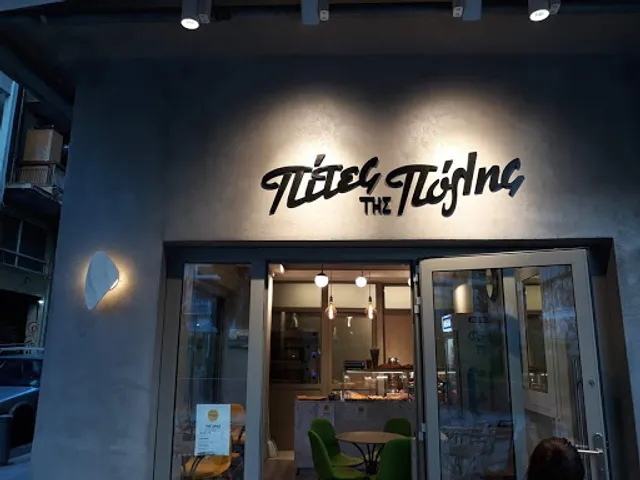
Pites tis Polis
4.9
(1.1K)
Closed
Click for details
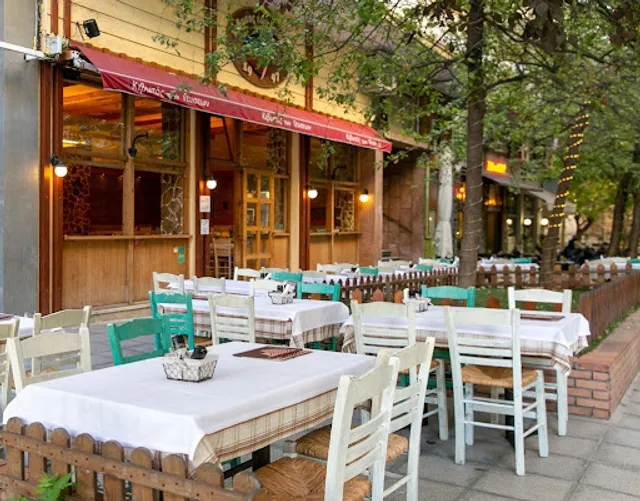
Κιβωτός των Γεύσεων
4.6
(880)
Closed
Click for details
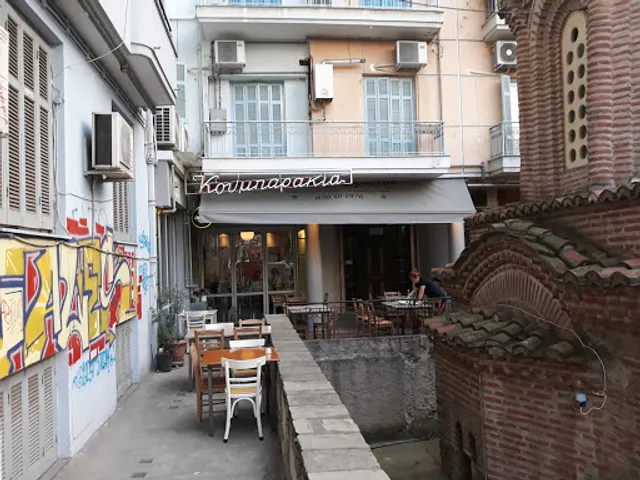
Τα κουμπαράκια
4.5
(328)
Click for details

Mikel Coffee Company
3.9
(211)
Open until 10:00 PM
Click for details
Nearby local services of Arch of Galerius
Greek natural
Kritiko Pervoli
Holy Church of Panagia Dexia
Egnatia 123
Love Underground Thessaloniki
Holy Church of Saint Panteleimon
Holy Church of Saint Panteleimon
Galyfianakis
Open Lab Μπουγατσοποιείο
Fast Pizza
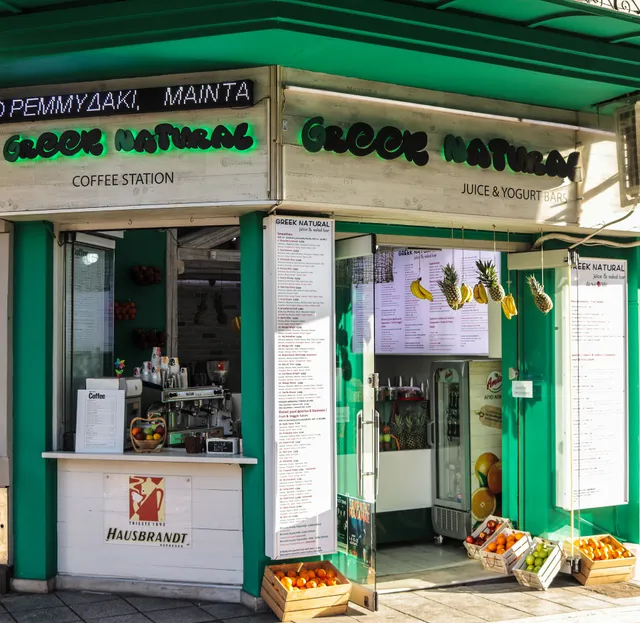
Greek natural
4.7
(378)
Click for details
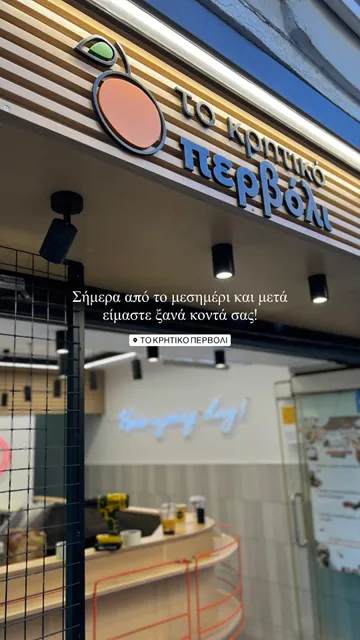
Kritiko Pervoli
4.5
(617)
Click for details
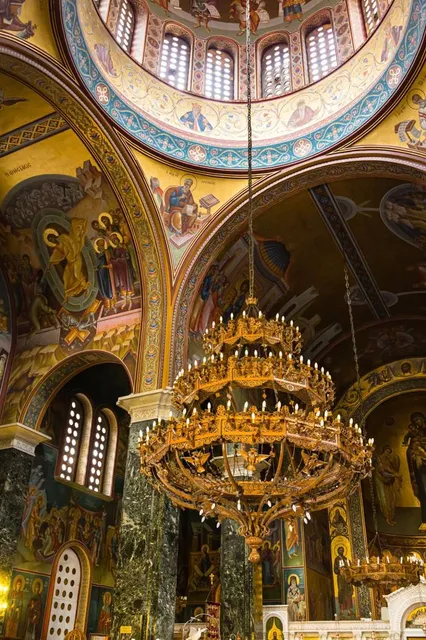
Holy Church of Panagia Dexia
4.8
(273)
Click for details
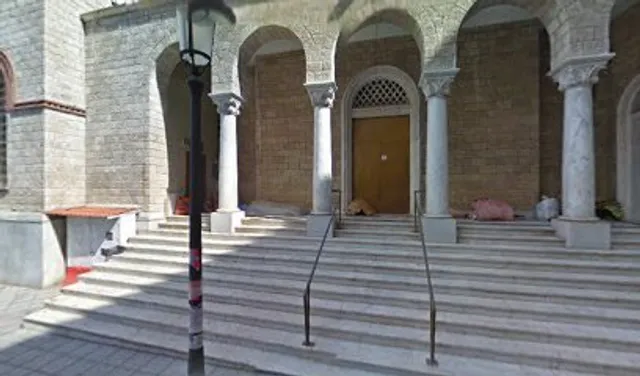
Egnatia 123
4.8
(283)
Click for details