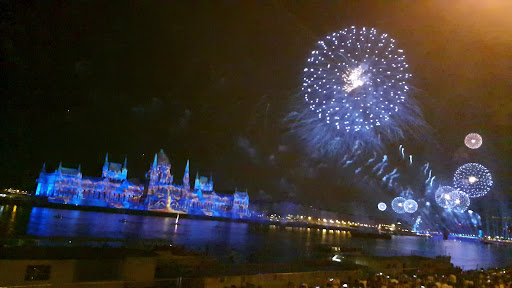
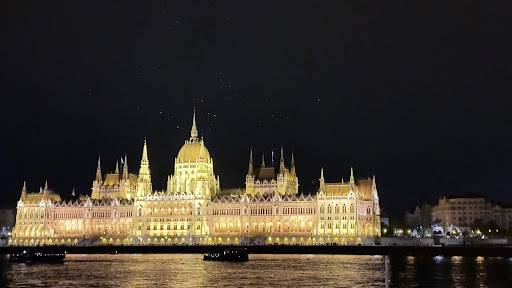
Parliament Viewpoint things to do, attractions, restaurants, events info and trip planning

Basic Info
Parliament Viewpoint
Budapest, Batthyány tér M+H, Bem rkp., 1011 Hungary
4.8(768)
Open until 12:00 AM
Save
spot
spot
Ratings & Description
Info
Outdoor
Scenic
Family friendly
attractions: Király Thermal Bath, Church of St. Anne, Shoes on the Danube Bank, Kossuth Lajos Square, Hungarian Parliament Building, Castle District, Attila József Statue, Matthias Church, Szamos Chocolate Museum, Museum of National Assembly, restaurants: Nagyi's Crêperie, Polo Pub Angol Söröző, Hapibagi - Vietnamese Kitchen, Espresso Gambit 갬빛카페 한인카페, Coyote Coffee & Deli, Kacsa Étterem, Steamhouse Cafe, Angelika Étterem és Kávéház, Kolbászda Bajor Étterem és Söröző, Franziska - Buda, local businesses: SPAR Supermarket, VI. Market Hall, 5 Elements Day Spa, Budapest Night Cruises & Boat Tours, Batthyány tér, Danube Promenade Tour, Lucky Shepherd Designer Store, Budapest River Cruise, Corvin tér 6, Kossuth Lajos Monument
 Learn more insights from Wanderboat AI.
Open hoursSee all hours
TueOpen 24 hoursOpen
Plan your stay

Pet-friendly Hotels in Budapest
Find a cozy hotel nearby and make it a full experience.

Affordable Hotels in Budapest
Find a cozy hotel nearby and make it a full experience.

The Coolest Hotels You Haven't Heard Of (Yet)
Find a cozy hotel nearby and make it a full experience.

Trending Stays Worth the Hype in Budapest
Find a cozy hotel nearby and make it a full experience.
Reviews
Live events

Budapest Market Tour & Cooking Class with Locals
Tue, Feb 24 • 1:00 PM
Budapest, 1093, Hungary
View details
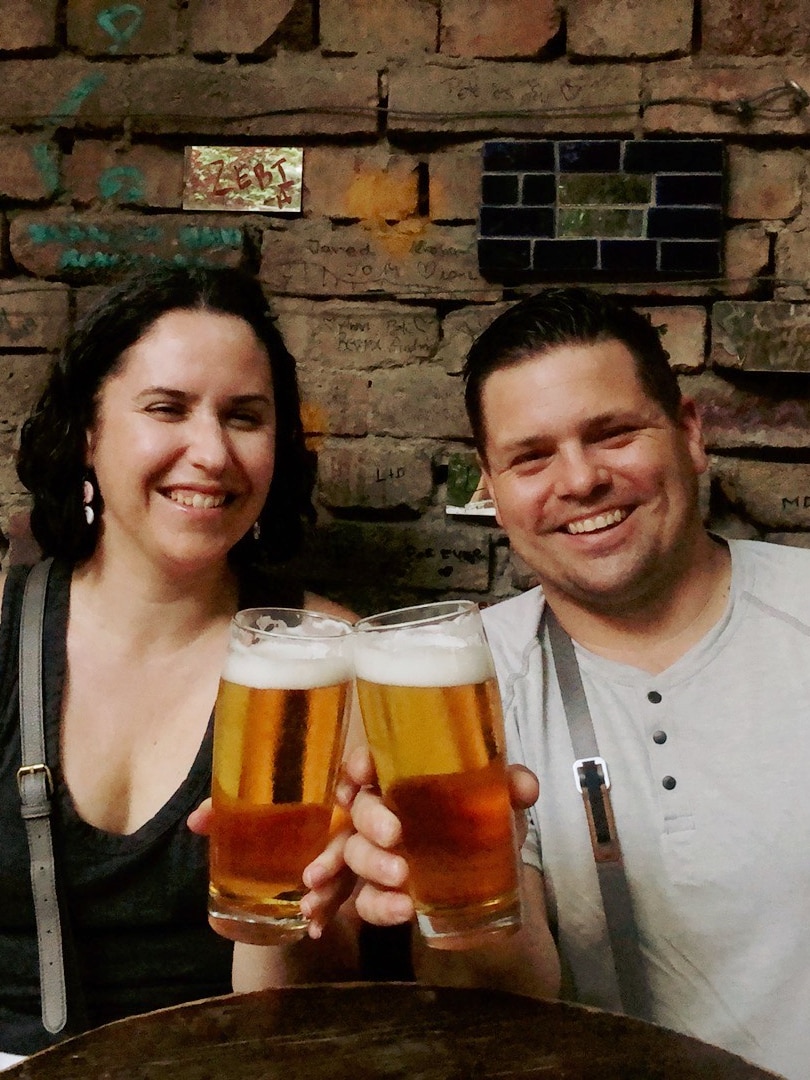
Explore World Famous Ruin Pubs with Local Hostess
Tue, Feb 24 • 5:00 PM
Budapest, 1052, Hungary
View details
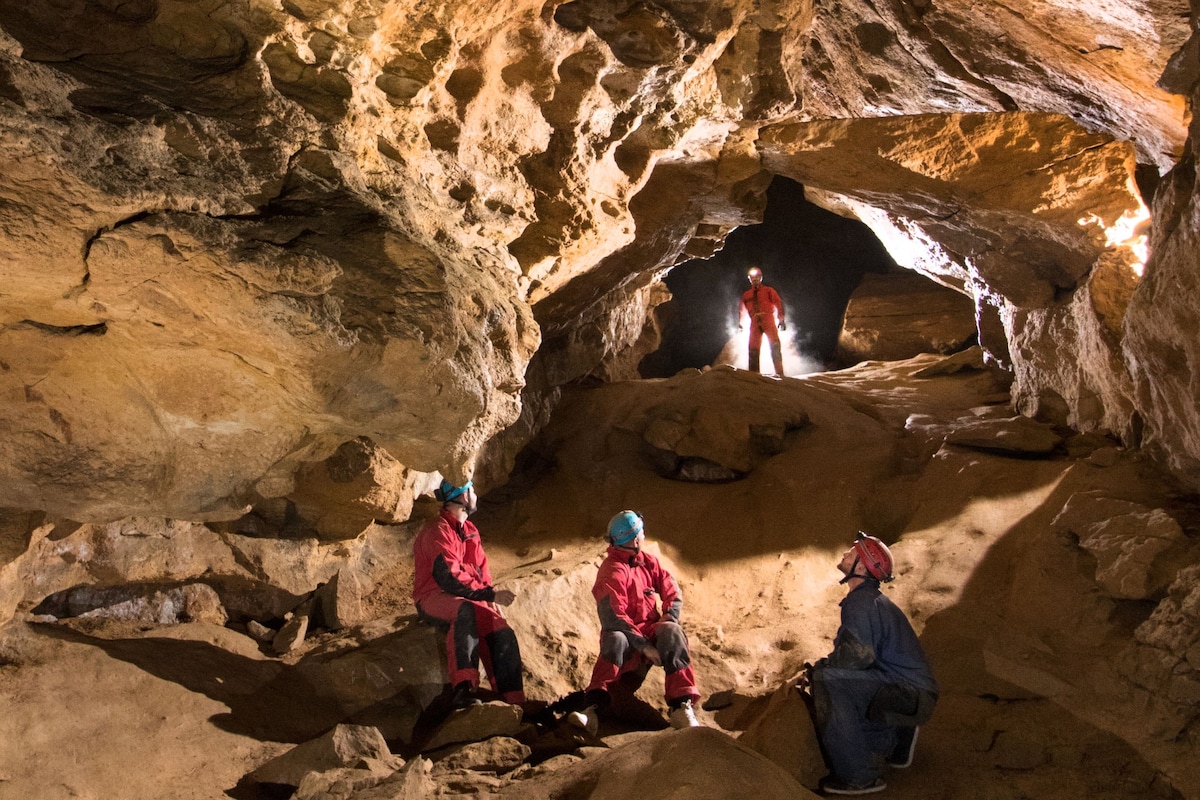
Tours in the longest cave of Budapest
Tue, Feb 24 • 2:00 PM
Budapest, 1025, Hungary
View details
Nearby attractions of Parliament Viewpoint
Király Thermal Bath
Church of St. Anne
Shoes on the Danube Bank
Kossuth Lajos Square
Hungarian Parliament Building
Castle District
Attila József Statue
Matthias Church
Szamos Chocolate Museum
Museum of National Assembly
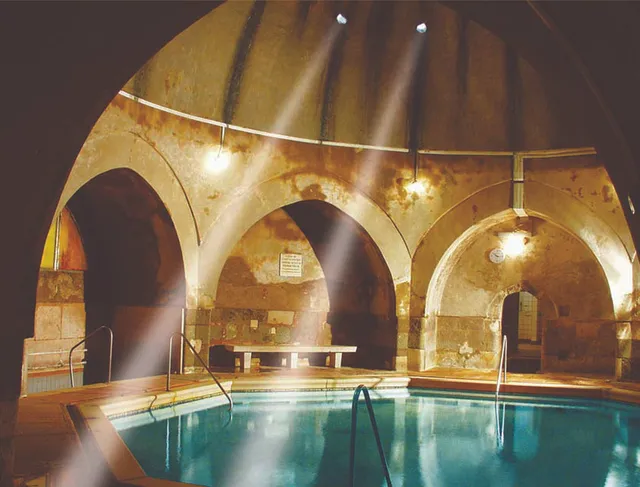
Király Thermal Bath
4.4
(1.3K)
Open 24 hours
Click for details
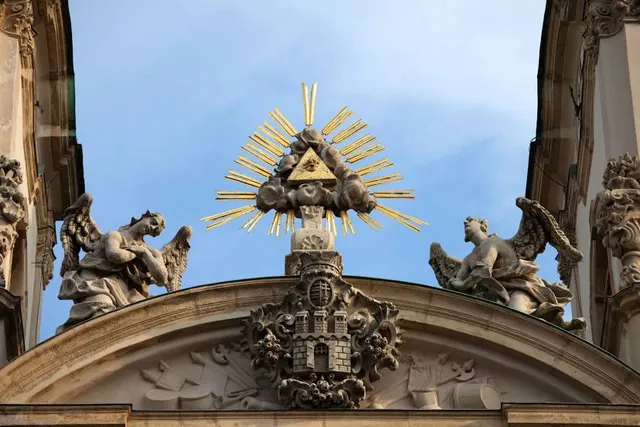
Church of St. Anne
4.6
(360)
Open until 6:00 PM
Click for details
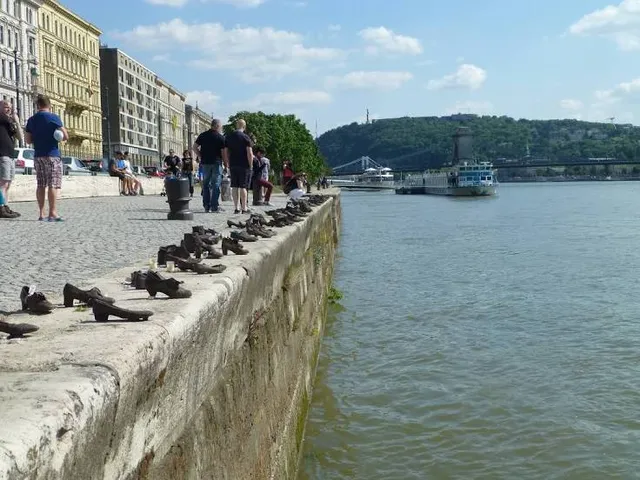
Shoes on the Danube Bank
4.7
(9.5K)
Open until 12:00 AM
Click for details
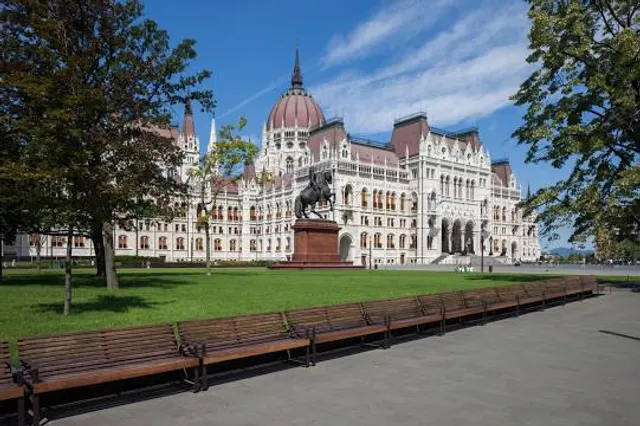
Kossuth Lajos Square
4.7
(5.1K)
Open until 12:00 AM
Click for details
Nearby restaurants of Parliament Viewpoint
Nagyi's Crêperie
Polo Pub Angol Söröző
Hapibagi - Vietnamese Kitchen
Espresso Gambit 갬빛카페 한인카페
Coyote Coffee & Deli
Kacsa Étterem
Steamhouse Cafe
Angelika Étterem és Kávéház
Kolbászda Bajor Étterem és Söröző
Franziska - Buda
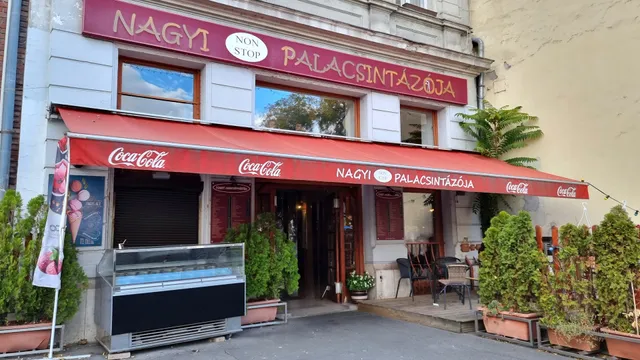
Nagyi's Crêperie
4.0
(2.2K)
$
Open until 3:00 AM
Click for details
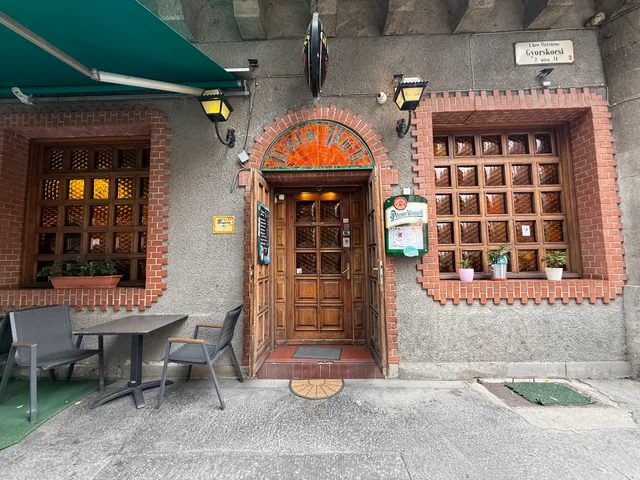
Polo Pub Angol Söröző
4.7
(835)
$$
Open until 11:00 PM
Click for details
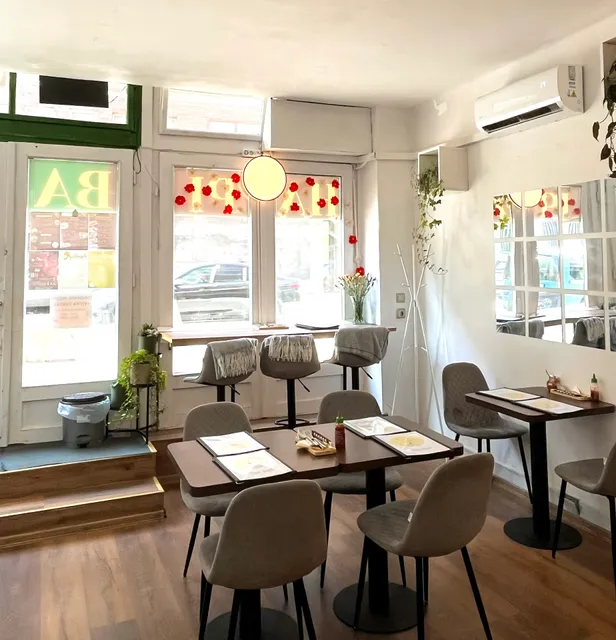
Hapibagi - Vietnamese Kitchen
4.7
(84)
Open until 10:00 PM
Click for details
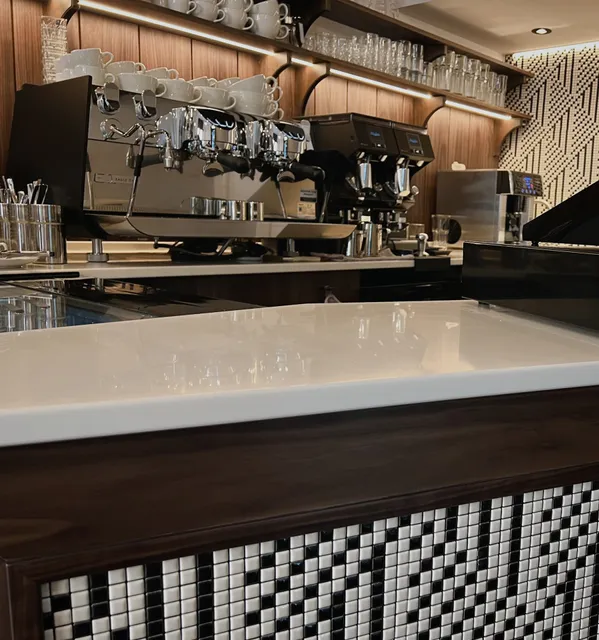
Espresso Gambit 갬빛카페 한인카페
4.9
(70)
Open until 5:00 PM
Click for details
Nearby local services of Parliament Viewpoint
SPAR Supermarket
VI. Market Hall
5 Elements Day Spa
Budapest Night Cruises & Boat Tours
Batthyány tér
Danube Promenade Tour
Lucky Shepherd Designer Store
Budapest River Cruise
Corvin tér 6
Kossuth Lajos Monument

SPAR Supermarket
4.0
(1.3K)
Click for details
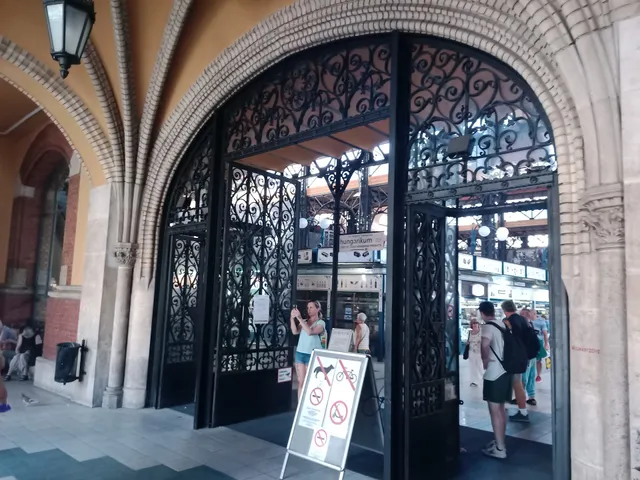
VI. Market Hall
4.2
(1.3K)
Click for details
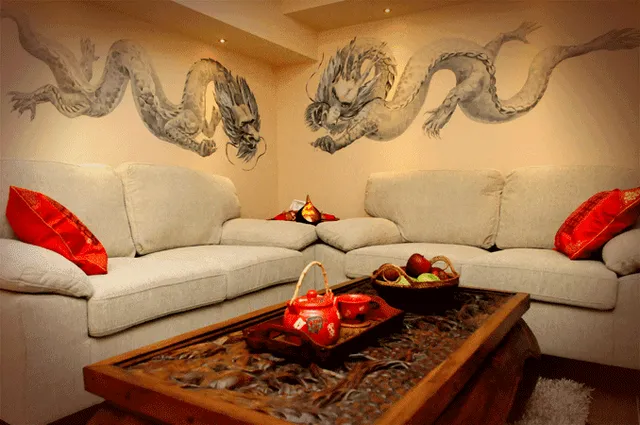
5 Elements Day Spa
4.5
(220)
Click for details
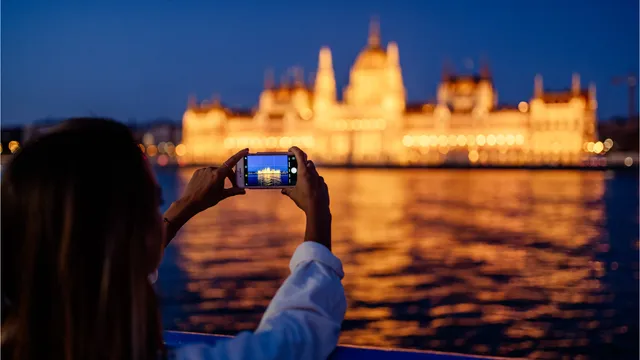
Budapest Night Cruises & Boat Tours
4.5
(184)
Click for details