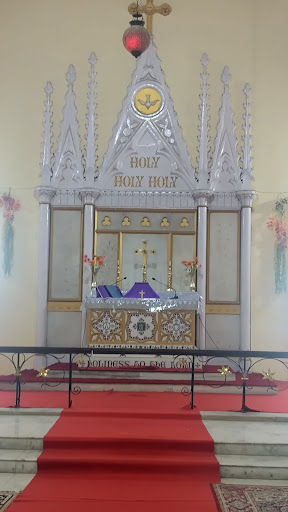
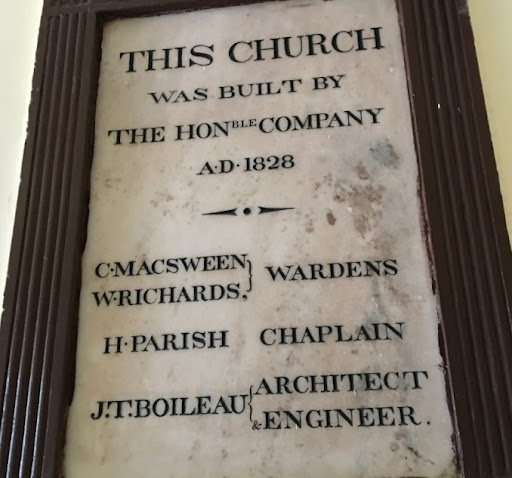
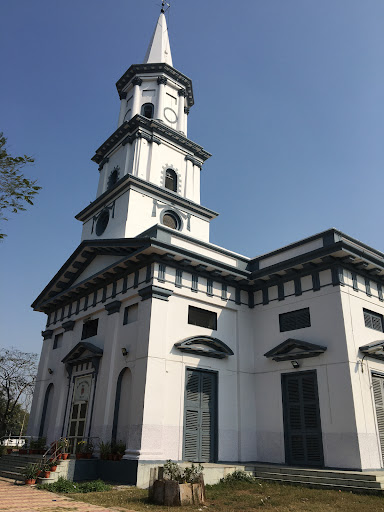
St. George's Cathedral (CNI) things to do, attractions, restaurants, events info and trip planning
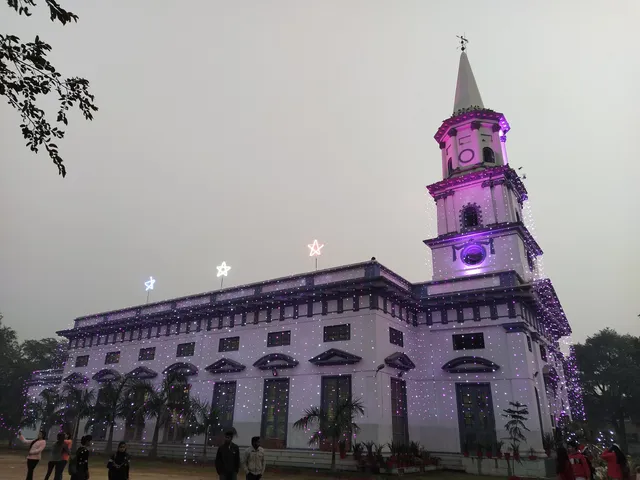
Basic Info
St. George's Cathedral (CNI)
5254+FXM, Mall Rd, near Eklavya Sports Stadium, Sadar Bazar, Agra Cantt, Idgah Colony, Agra, Uttar Pradesh 282001, India
4.4(74)
Open 24 hours
Save
spot
spot
Ratings & Description
Info
Cultural
Scenic
Accessibility
Family friendly
attractions: Shri Tirupati Balaji Mandir, Subhash Emporium, Agra Art Gallery, restaurants: The Agra Chaat, Om Bhojnalay, Master Chef, Master Chef, Cafe Coffee Day, The Park Restaurant, Mama Chicken Mama Franky house, Brijwasi Sweet House And Restaurant, Lakshmi Vilas, Domino's Pizza | Shahzadi Mandi, Agra, local businesses: Aura Energy Healing, DIGITAL WORLD (Sadar Bazar), The Palm Burj - Best Rooftop | Best Lounge | Best Club | Best Pub | Best Restaurant in Agra
 Learn more insights from Wanderboat AI.
Plan your stay

Pet-friendly Hotels in Agra
Find a cozy hotel nearby and make it a full experience.

Affordable Hotels in Agra
Find a cozy hotel nearby and make it a full experience.

The Coolest Hotels You Haven't Heard Of (Yet)
Find a cozy hotel nearby and make it a full experience.

Trending Stays Worth the Hype in Agra
Find a cozy hotel nearby and make it a full experience.
Reviews
Live events
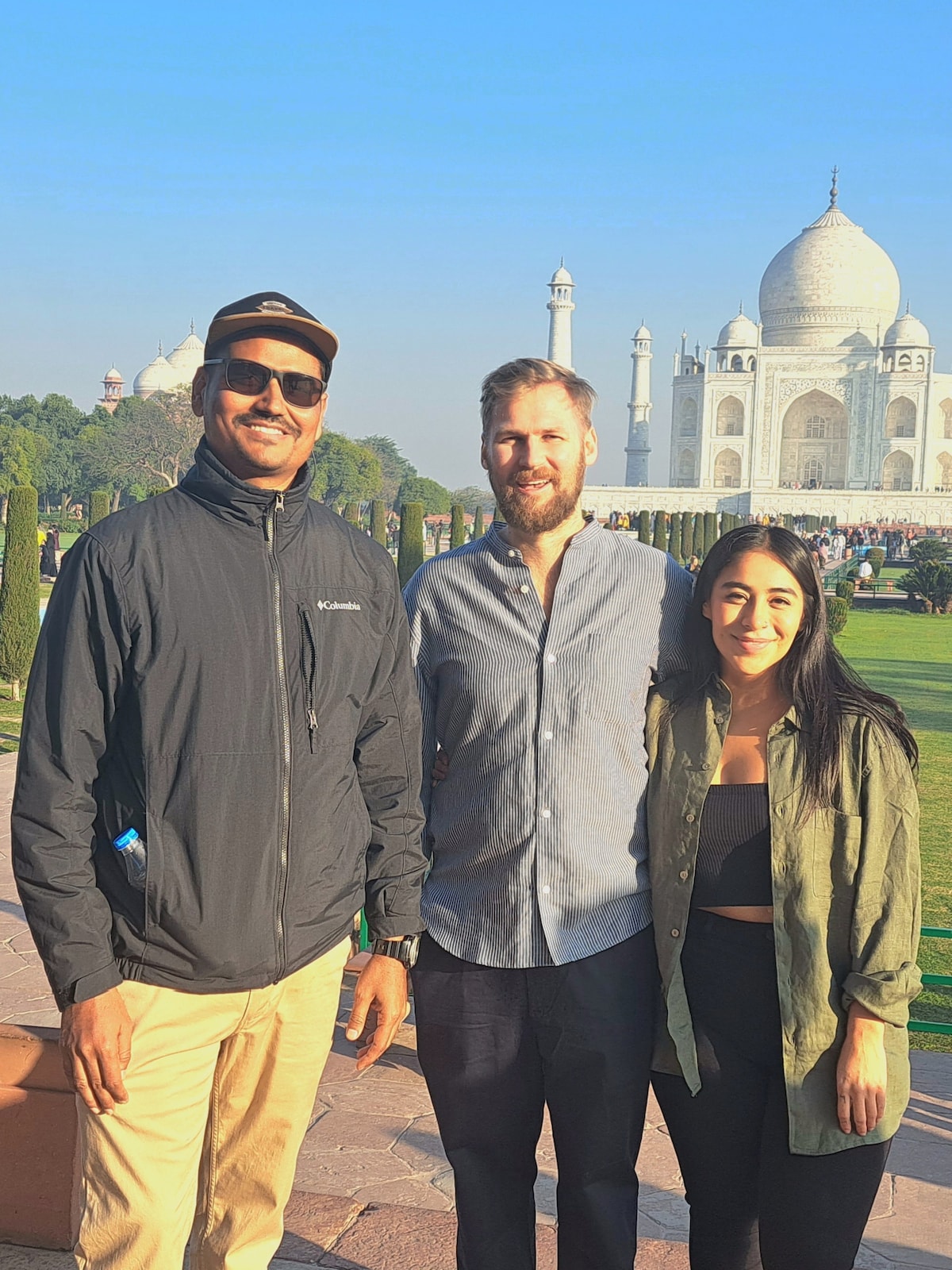
Private guided sunrise visit to Taj Mahal
Sat, Feb 28 • 5:30 AM
Agra, Uttar Pradesh, 282001, India
View details
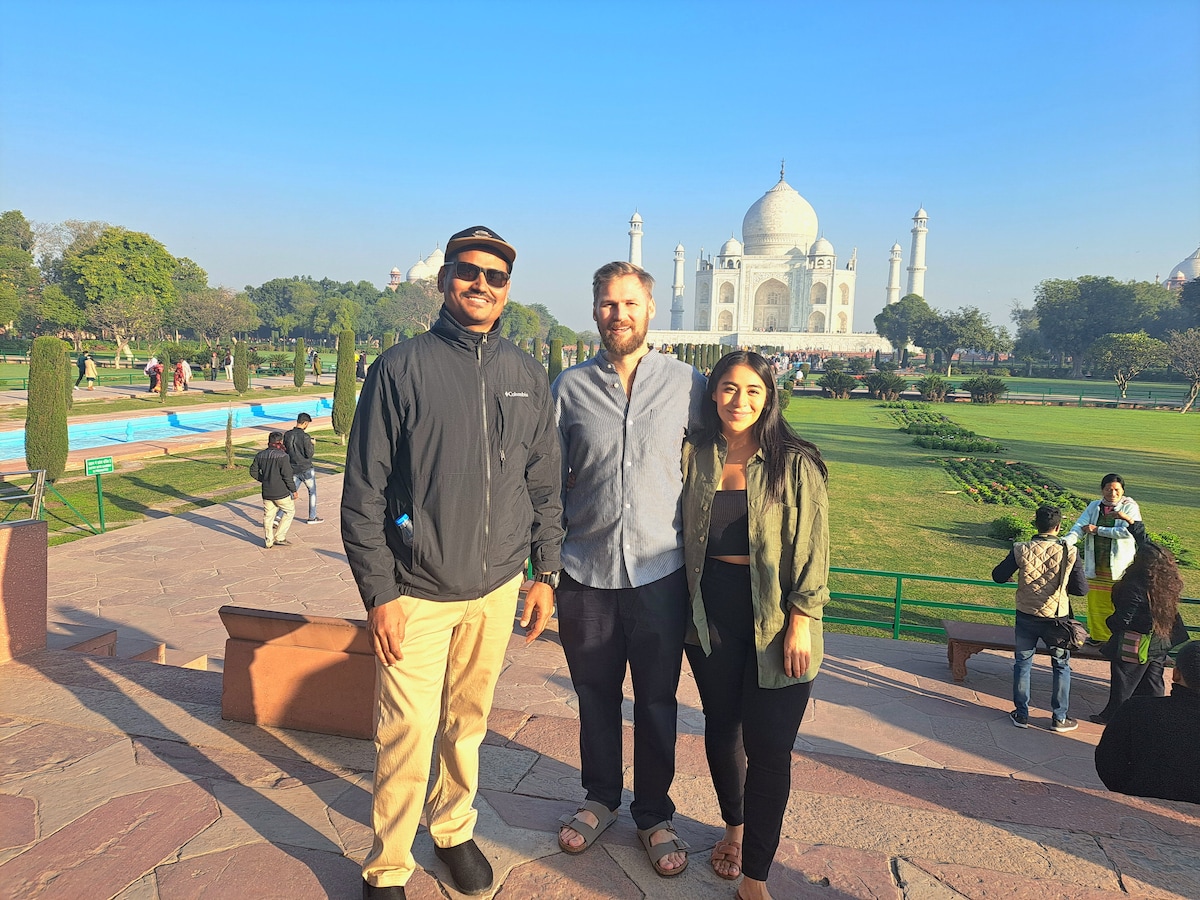
Fully Customizable tour of Taj Mahal and Agra Fort
Sat, Feb 28 • 8:30 AM
Dhandhupura, Uttar Pradesh, 282001, India
View details
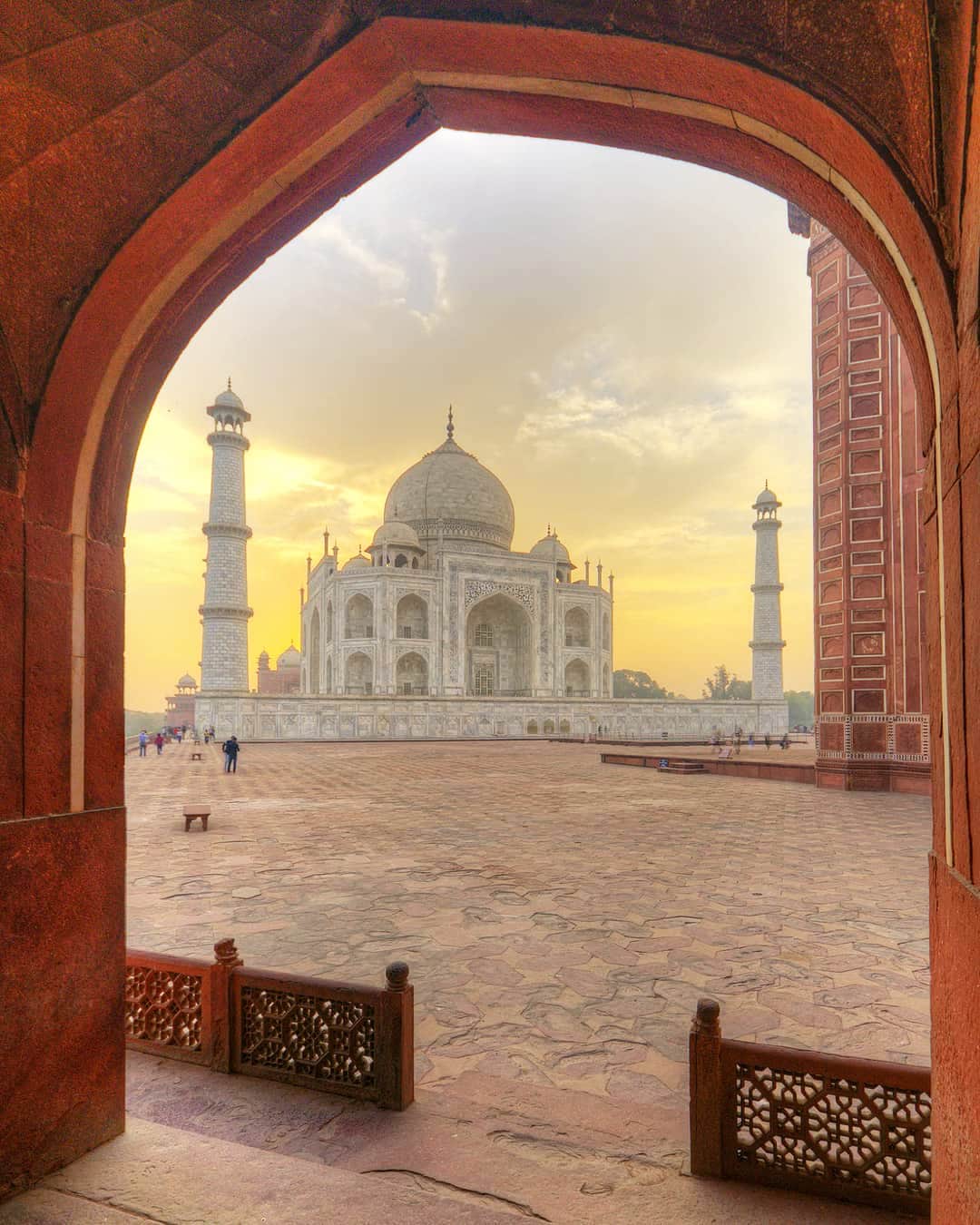
Tour Taj Mahal at sunrise
Fri, Feb 27 • 6:00 AM
Kahrai, Uttar Pradesh, 282001, India
View details
Nearby attractions of St. George's Cathedral (CNI)
Shri Tirupati Balaji Mandir
Subhash Emporium
Agra Art Gallery
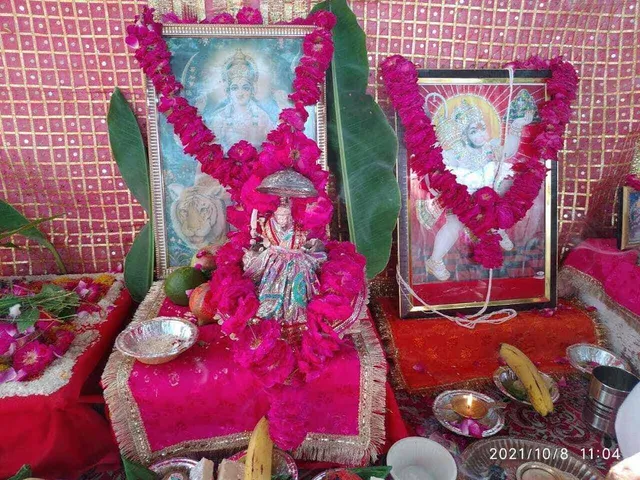
Shri Tirupati Balaji Mandir
4.6
(154)
Open 24 hours
Click for details
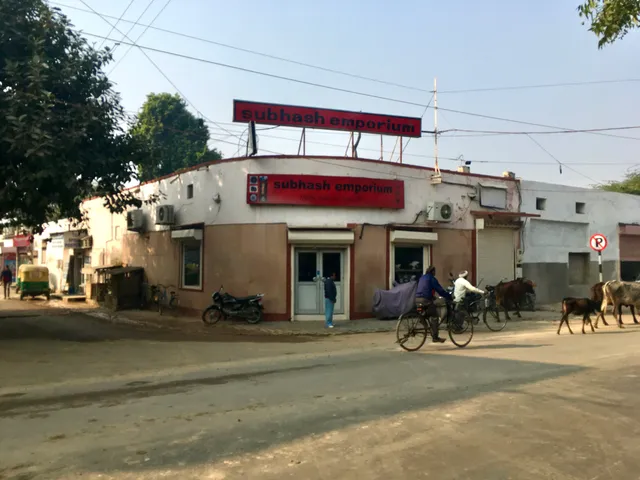
Subhash Emporium
4.7
(282)
Closed
Click for details
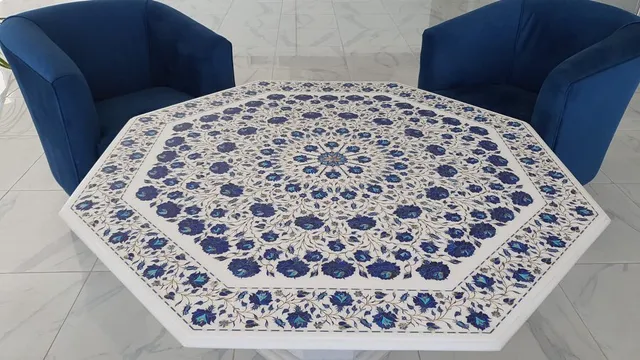
Agra Art Gallery
4.3
(49)
Closed
Click for details
Nearby restaurants of St. George's Cathedral (CNI)
The Agra Chaat
Om Bhojnalay
Master Chef
Master Chef
Cafe Coffee Day
The Park Restaurant
Mama Chicken Mama Franky house
Brijwasi Sweet House And Restaurant
Lakshmi Vilas
Domino's Pizza | Shahzadi Mandi, Agra
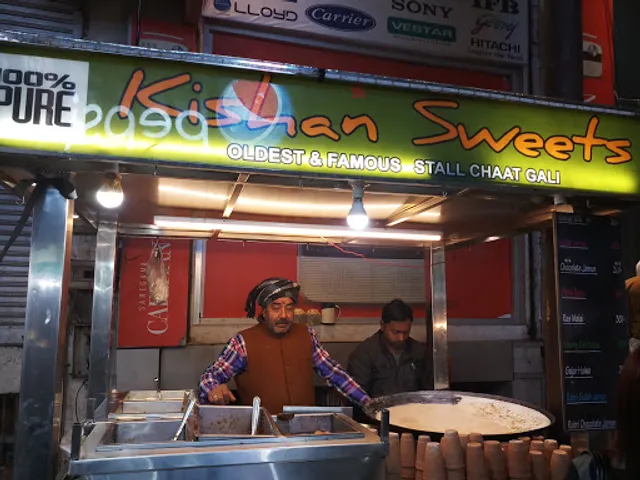
The Agra Chaat
4.2
(1.6K)
Closed
Click for details
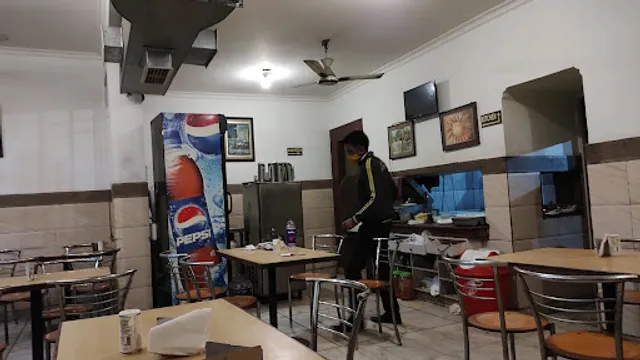
Om Bhojnalay
3.8
(334)
Closed
Click for details
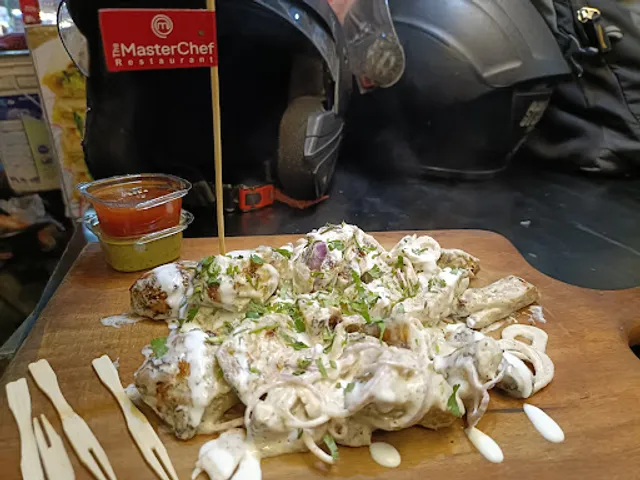
Master Chef
3.3
(154)
Closed
Click for details
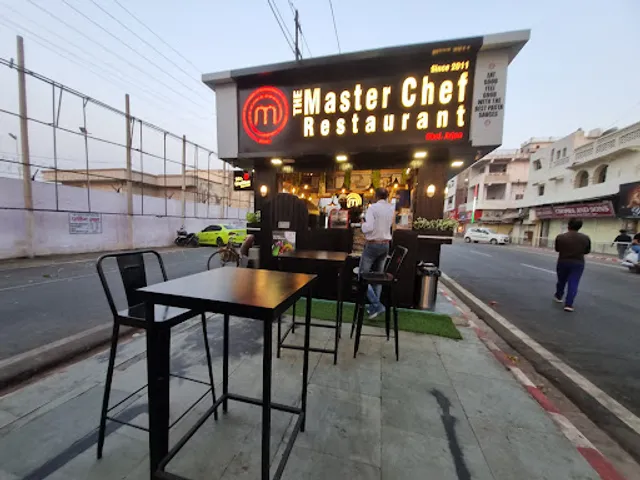
Master Chef
3.3
(152)
Closed
Click for details
Nearby local services of St. George's Cathedral (CNI)
Aura Energy Healing
DIGITAL WORLD (Sadar Bazar)
The Palm Burj - Best Rooftop | Best Lounge | Best Club | Best Pub | Best Restaurant in Agra
Aura Energy Healing
4.9
(24)
Click for details
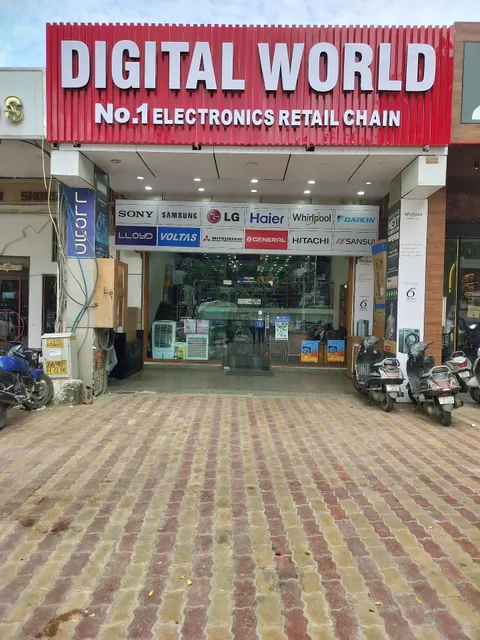
DIGITAL WORLD (Sadar Bazar)
4.8
(175)
Click for details
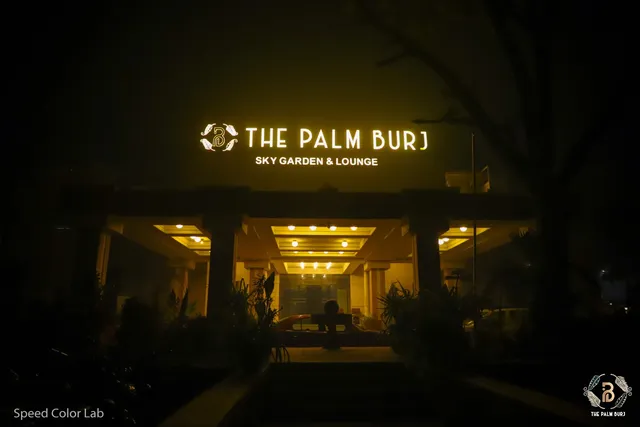
The Palm Burj - Best Rooftop | Best Lounge | Best Club | Best Pub | Best Restaurant in Agra
4.7
(1.7K)
Click for details