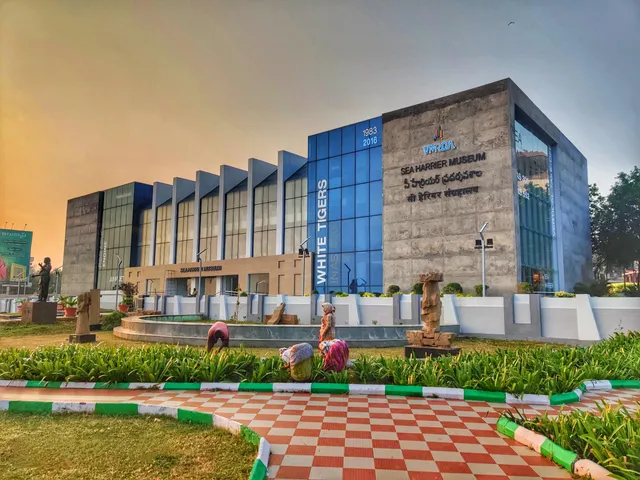
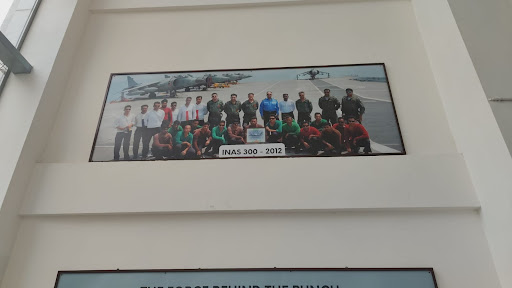
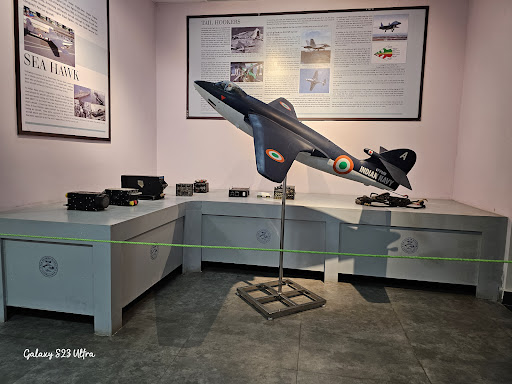
The Sea Harrier Museum in Visakhapatnam is a must-visit destination for anyone interested in military aviation and naval history. Located near the picturesque R.K. Beach, this museum is dedicated to showcasing India's naval aviation, with a special focus on the iconic Sea Harrier jet and the historic INS Vikrant aircraft carrier. It’s a captivating and informative experience for aviation enthusiasts, history buffs, and anyone curious about the Indian Navy’s remarkable legacy. Sea Harrier Jet: The centerpiece of the museum is the Sea Harrier, a unique British-designed jet that was operated by the Indian Navy. Known for its ability to take off and land vertically (V/STOL), the Sea Harrier was a critical asset to India’s naval fleet, especially during the 1980s and 1990s. Visitors can get up close to this supersonic jet, which is displayed in its full glory. The exhibits include detailed information on the aircraft's design, technical specifications, and operational history INS Vikrant Aircraft Carrier: Another major highlight is the INS Vikrant, India’s first aircraft carrier, which played a significant role in the country’s naval operations. The museum provides an in-depth look at the history and importance of the INS Vikrant, which served the Indian Navy from 1961 to 1997. Displays include photos, models, and documentation about the carrier's missions and operational roles, making it an important piece of India’s naval history.
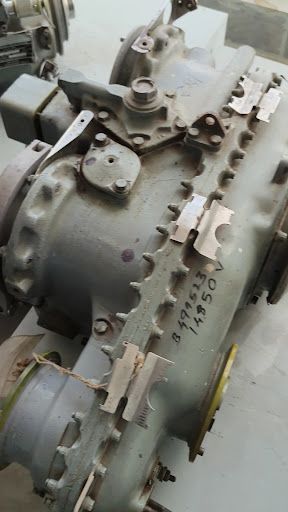
Aviation and Carrier Equipment: The museum also features a wide variety of naval aviation devices and systems used aboard aircraft carriers like the INS Vikrant. These include tools, radar systems, flight-deck equipment, and devices used for communication, navigation, and aircraft management. Seeing these up close offers a fascinating insight into the complex operations involved in running an aircraft carrier.
Crew Life and Operational Insights: The museum offers informative displays about the crew’s life on board the aircraft carrier. From the challenging working conditions aboard the carrier to the daily routines of the sailors and pilots, the exhibits bring to life the experiences of the men and women who served on these ships. It provides context on the teamwork and dedication required to operate such massive and intricate vessels.
The museum is extremely educational, with well-organized exhibits, informative panels, and multimedia displays. Whether you’re a military enthusiast or simply interested in learning more about India’s maritime defense capabilities, there is a wealth of knowledge to absorb here. The technical explanations are detailed enough for those with a keen interest in aviation and naval operations, yet accessible enough for general visitors.
The museum is well-maintained and clean. The aircraft and exhibits are regularly cleaned and preserved, ensuring that visitors have a pleasant and informative experience. The staff is knowledgeable and eager to answer questions, making it easy for first-time visitors to understand the historical significance of the displays.
Located along the coast of Visakhapatnam, the museum offers stunning views of the sea, which adds to the charm of the visit. It is easily accessible from most parts of the city, whether you’re traveling by private vehicle or public transport. The surrounding area is calm and scenic, perfect for a leisurely visit after touring the museum.
The ticket prices are reasonable, offering good value for the experience and the wealth of information you gain. The museum is open daily (except Mondays) from 10 AM to 7 PM, providing ample opportunity to explore the exhibits and immerse yourself in the history of Indian naval aviation.
The Sea Harrier Museum offers a fascinating and immersive experience into India’s naval aviation history, with a strong focus on the Sea Harrier jet, the INS Vikrant...
Read moreThe Sea Harrier was a British-designed naval jet fighter aircraft that was operated by several countries, including India. Here's a detailed overview of the Sea Harrier's role in the Indian Navy:
Acquisition: India acquired the Sea Harrier in the early 1980s to operate from its aircraft carriers, INS Vikrant and later INS Viraat. The Sea Harrier was specifically designed for vertical/short takeoff and landing (V/STOL) operations, making it well-suited for deployment on aircraft carriers with limited runway space.
Role: The Sea Harrier served as a multi-role combat aircraft in the Indian Navy, primarily tasked with air defense, air superiority, and ground attack missions. Its ability to operate from aircraft carriers provided the Indian Navy with a capable aerial platform for protecting naval task forces, conducting maritime strikes, and supporting amphibious operations.
Weapon Systems: The Sea Harrier was armed with a variety of air-to-air and air-to-surface weapons, including short-range and beyond-visual-range missiles, rockets, and bombs. It could engage enemy aircraft, conduct precision strikes against ground targets, and provide close air support to naval and ground forces.
Combat Operations: The Sea Harrier saw active combat during the 1999 Kargil conflict between India and Pakistan. Indian Navy Sea Harriers provided air support and reconnaissance missions, contributing to the overall success of the Indian military's operations in the region.
Upgrades: Over the years, the Indian Navy upgraded its Sea Harrier fleet to enhance its capabilities and extend its operational lifespan. Upgrades included improved avionics, radar systems, and weapon integration, ensuring that the aircraft remained relevant in modern naval warfare scenarios.
Retirement: The Indian Navy retired its Sea Harrier fleet in 2016 after over three decades of service. The decision to retire the aircraft was based on factors such as aging airframes, maintenance challenges, and the introduction of more modern carrier-based aircraft.
Legacy: The Sea Harrier played a significant role in shaping the Indian Navy's carrier-based aviation capabilities and contributed to the defense of India's maritime interests. Its retirement marked the end of an era, but its legacy continues to influence the development of naval aviation in India.
Overall, the Sea Harrier served as a versatile and capable platform for the Indian Navy, demonstrating its effectiveness in both combat and peacetime operations. Its retirement paved the way for the Indian Navy to transition to more advanced carrier-based aircraft, ensuring the continued protection of India's maritime assets...
Read moreThe Sea Harrier Museum in Visakhapatnam, also known as Vizag, offers a captivating journey into the history and legacy of naval aviation in India. Housed within the premises of INS Dega, the museum showcases the legendary Sea Harrier aircraft, providing visitors with a unique and immersive experience.
Upon entering the museum, visitors are greeted by the imposing sight of the Sea Harrier, a marvel of engineering and a symbol of India's naval prowess. The museum's exhibits offer a comprehensive overview of the aircraft's development, highlighting its role in various naval operations and missions. From its inception to its retirement from active service, the museum meticulously traces the Sea Harrier's storied journey, providing insights into its design, capabilities, and significance in India's defense history.
One of the museum's standout features is the interactive displays and multimedia presentations, which bring the Sea Harrier's story to life. Visitors can learn about the aircraft's technical specifications, operational deployments, and the experiences of naval aviators who flew it. Additionally, the museum offers a glimpse into the rigorous training regimen of naval pilots, underscoring the dedication and skill required to operate such advanced aircraft.
The Sea Harrier Museum is not just a tribute to a bygone era of aviation but also a testament to the courage and sacrifice of the men and women who served in the Indian Navy. Through its exhibits and artifacts, the museum honors their contributions and preserves a vital piece of India's military heritage for future generations to appreciate and admire.
Overall, the Sea Harrier Museum in Vizag is a must-visit destination for aviation enthusiasts, history buffs, and anyone interested in exploring India's maritime heritage. With its informative exhibits, engaging displays, and awe-inspiring aircraft, it offers a memorable and educational experience that is both entertaining and...
Read more