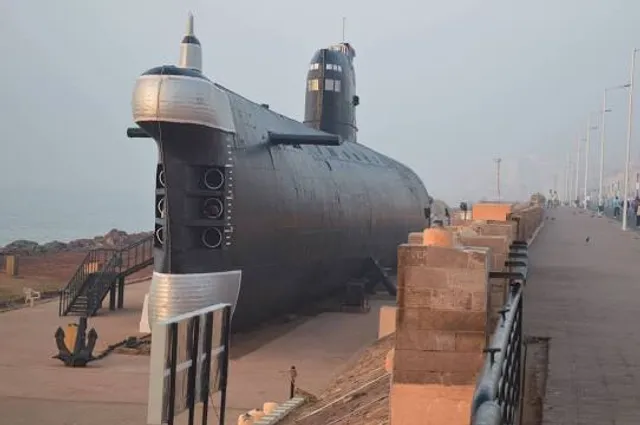
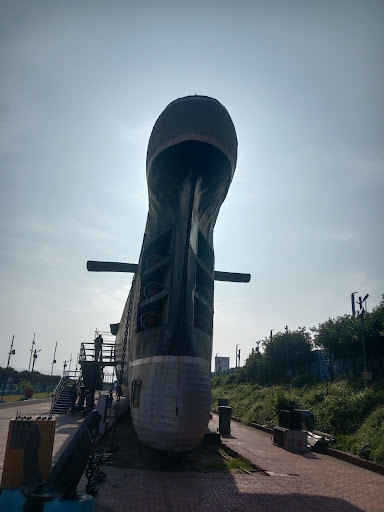
Located on the scenic RK Beach Road in Visakhapatnam, the VMRDA INS Kursura Submarine Museum is one of the city's most unique and fascinating attractions. This museum is housed inside the INS Kursura, a decommissioned Indian Navy submarine that served the country from 1969 to 2001. It offers visitors a rare opportunity to explore life aboard a real submarine and learn about the history of naval warfare.
INS Kursura is an integral part of India's naval history. The submarine played a key role in India's defense operations during its active years, and its conversion into a museum provides an insightful glimpse into the life of naval personnel and the technical intricacies of the submarine. For history enthusiasts, this is a must-visit to understand the scale and complexity of naval operations.
The museum is well-curated, with various exhibits showcasing the submarine’s interior, the equipment used by the crew, and information about naval strategies and the Indian Navy's maritime history. Walking through the narrow, claustrophobic corridors of the submarine, you get a real sense of what life was like for the officers and sailors who lived aboard it. The control room, kitchen, and sleeping quarters are particularly interesting, as they provide a stark contrast to the comfort many of us are used to on land.
In addition to the traditional exhibits, the museum also has interactive displays that explain the technology behind submarines, their operational roles, and the missions they undertook. The detailed boards and audiovisual displays further enhance the experience, making it educational for both adults and children.
The museum is very well-maintained, considering the challenges of preserving an active submarine for public display. The cleanliness is top-notch, and the museum staff does a great job of ensuring the submarine and its exhibits are in good condition. The interior is regularly cleaned, and the exhibits are updated for visitors to have the best possible experience.
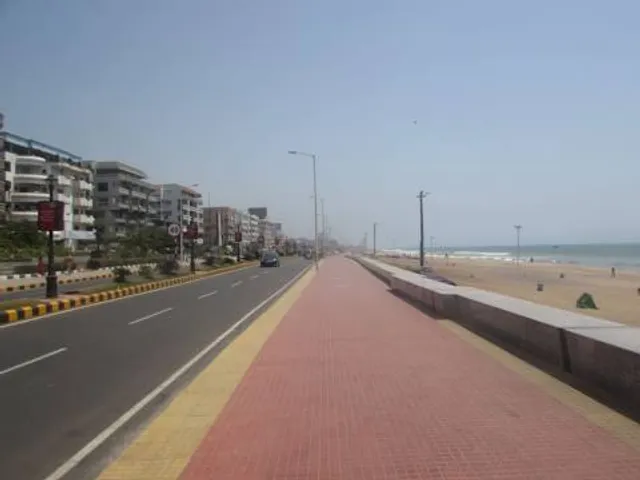
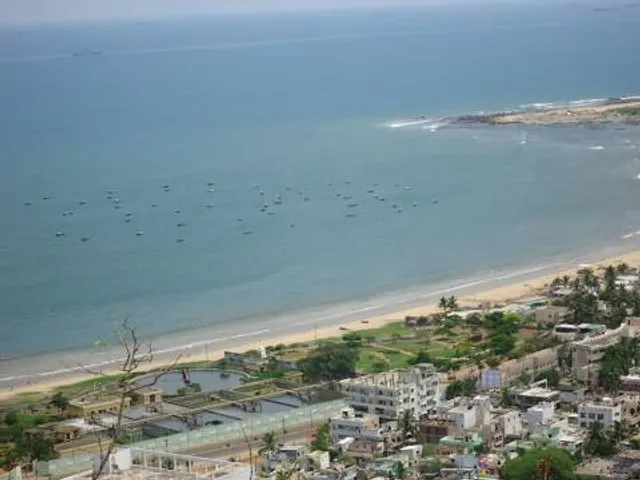
The museum is located along the picturesque RK Beach Road, offering beautiful views of the Bay of Bengal. The surrounding area is calm and peaceful, making it a great spot to visit while enjoying the coastal beauty of Visakhapatnam. The museum is easily accessible by road, and there are plenty of public transport options available, please avoid auto-rickshaws.
The entry fee is quite reasonable, making it an affordable outing for families and tourists alike. It’s open throughout the week, except for Monday, and the timings are generally from 10 AM to 8 PM, allowing ample time for visitors to explore the exhibits at their own pace.
Visiting the INS Kursura Submarine Museum is a highly enriching experience. It's educational, intriguing, and an excellent way to appreciate the technical prowess of the Indian Navy. Whether you're a history buff, a military enthusiast, or simply looking for something different to do in Visakhapatnam, this museum is a must-visit. The chance to step inside a real submarine and see how naval personnel lived and worked is an experience that’s hard to forget.
In conclusion, the VMRDA INS Kursura Submarine Museum is a fascinating and well-maintained attraction that offers both educational value and a unique look into India’s maritime history. The experience is immersive and leaves you with a deep respect for the men and women who served in the...
Read moreAs a Mechanical Engineer, visiting the VMRDA Kursura Submarine Museum in Visakhapatnam was truly one of the most fascinating and inspiring experiences of my life. It’s not just a museum — it’s a living monument of engineering brilliance, naval courage, and Indian innovation that operated during an era when advanced electronics and digital automation were not yet developed. Everything inside this submarine runs purely on mechanical and manual systems, and that alone is enough to amaze anyone who loves machines and real-world engineering.
The moment I stepped inside the submarine, I felt as if I had travelled back in time. The narrow corridors, control panels, and precisely arranged valves, levers, and gauges all tell a story of sheer human skill and endurance. Every inch of the Kursura showcases the dedication of Indian Navy officers who operated it with precision and bravery, defending our coastline under extreme conditions. It gave me a real sense of the challenges our naval heroes faced — limited space, high pressure, mechanical complexity, and the constant responsibility of keeping the submarine functional deep under the sea.
From an engineering point of view, the Kursura is nothing short of a masterpiece. The way mechanical linkages, pressure systems, and propulsion units were integrated decades ago — all without modern sensors or computer controls — left me speechless. The attention to detail in the design reflects the intelligence and creativity of engineers of that generation. Even today, many of the internal systems are preserved in near-working condition, giving visitors a rare chance to see how things actually functioned when the submarine was active.
Learning that the submarine was given a voluntary retirement after serving the nation for many years made me respect it even more. It wasn’t decommissioned due to failure, but because technology advanced and newer submarines with digital systems took over. Still, Kursura remains a symbol of mechanical engineering excellence and continues to educate thousands of visitors every year about how powerful and reliable purely mechanical systems can be.
The museum staff and guides deserve appreciation too — they explain every section clearly and ensure that visitors understand the importance of each control room, torpedo section, and engine bay. Standing inside the engine room, hearing about how the diesel engines worked and how oxygen and pressure were maintained underwater, made me feel proud to be an engineer. It truly connects theory with reality — from thermodynamics to fluid mechanics, everything is right there in front of your eyes.
I strongly recommend every student, engineer, and patriotic Indian to visit the Kursura Submarine Museum at least once. It’s not just about seeing an old naval vessel — it’s about experiencing the blend of science, courage, and history that shaped our defense capabilities. The Kursura is not only a war hero but also a museum of inspiration, reminding us that great things can be achieved with determination, teamwork, and innovative...
Read moreThe Submarine Museum at Visakhapatnam is a must-visit attraction, located right in the heart of the city, next to the beautiful beach. What makes this museum truly unique is that it is housed inside an actual decommissioned Indian Navy submarine, INS Kursura. This is a rare opportunity to step inside a real submarine and gain a first-hand experience of what life is like for our brave submariners who serve the nation under the sea.
The visit to the museum is well-organized, with visitors being allowed inside in batches. This ensures that everyone has ample time to explore the submarine and see all its parts without feeling rushed. The submarine is divided into six compartments, each showcasing the different functions and operations that take place within. As you move through these compartments, you will find human-sized models placed in various sections such as the captain's cabin, crew sleeping quarters, kitchen, dining areas, and more. These models give a realistic depiction of how the naval officers live and work in such confined spaces.
One of the most striking aspects of the museum is the limited space inside the submarine. Walking through the narrow passageways, you can't help but think about how challenging it must be for the crew to live in such cramped conditions, especially when submerged underwater for extended periods. This experience deepens your appreciation for the sacrifices and dedication of our naval officers.
The museum also provides detailed information on the various parts of the submarine. You can see how torpedoes are stored and handled, and get a glimpse of the small kitchen area where the cook prepares meals for the crew. The display includes actual mock cans of food, showing how provisions are stored in the limited space available. There are also wash basins and washroom areas that further illustrate the tight quarters within the submarine.
Outside the submarine, you'll find additional exhibits, including parts from the submarine such as air bottles and sonar discs. These displays are accompanied by informative plaques that explain how each part functions and contributes to the submarine's operations. For those interested in souvenirs, there is a small shop where you can purchase keychains, mini models of ships, and other memorabilia.
Overall, the Submarine Museum at Visakhapatnam is a masterpiece of naval history. It offers a fascinating insight into the world of submarines and provides a deeper respect for the men and women who serve in these underwater vessels to protect our country. The museum is clean, well-maintained, and an educational experience that is not to be missed when visiting Visakhapatnam. Whether you are a history buff, a naval enthusiast, or simply a curious traveler, this museum is sure to...
Read more