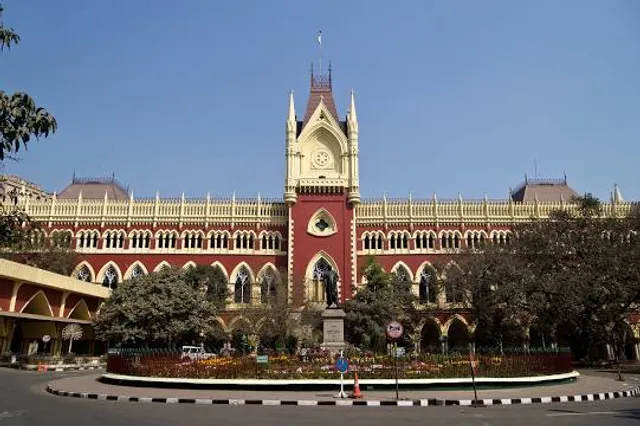
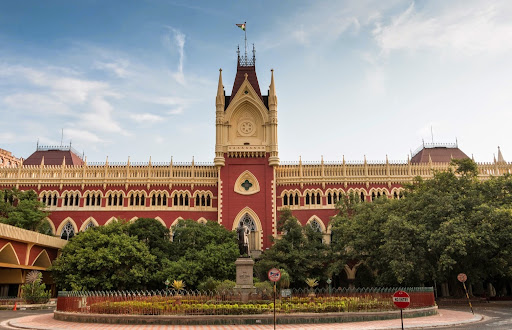
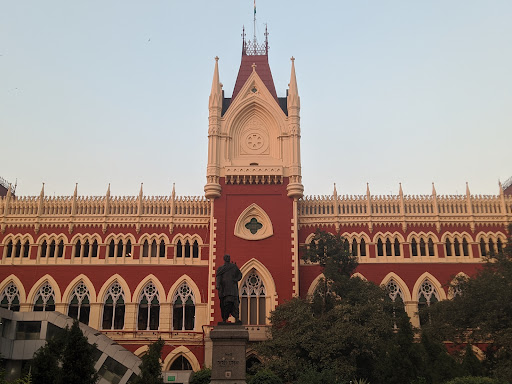
The air in Calcutta changes as you approach the Esplanade. The frantic, honking energy of the city begins to recede, replaced by a palpable, weighty silence that seems to emanate from the colossal edifice of the Calcutta High Court. It stands not merely as a building of brick and mortar, but as a sovereign republic of law, history, and memory, its red Gothic spires piercing the Kolkata sky like stern sentinels of justice.
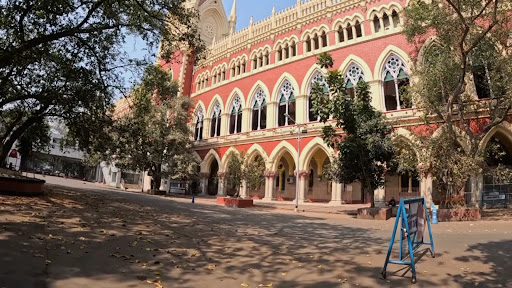
The first impression is one of overwhelming grandeur. Designed on the lines of the Cloth Hall of Ypres in Belgium, its architecture is a magnificent anachronism. The towering central tower, the ornate Gothic arches, and the sprawling facade speak of a bygone era of imperial ambition. Yet, this is no museum piece frozen in time. It thrums with a relentless, urgent life. The vast courtyard, known as the ‘Green,’ is a microcosm of the city itself—a swirling vortex of lawyers in black gowns and white bands rushing with determined strides, clients with furrowed brows clutching stacks of paper, law students with hopeful eyes, and old touts napping on benches, having seen decades of legal dramas unfold.
Passing through the grand arches is like crossing a threshold into another world. The interior is a labyrinth of time-worn corridors, their high ceilings echoing with the muffled sounds of argument and the hurried click of leather shoes on marble. The air carries the distinct, venerable scent of old paper, polished wood, and damp—the smell of history itself. Sunlight struggles through stained-glass windows, casting coloured patterns on floors worn smooth by over a century and a half of footfall. Every corner, every wooden bench in the hallway, every noticeboard plastered with cause lists tells a story. Portraits of past Chief Justices, severe and wise, line the walls, their gazes seeming to follow you, a silent jury to the daily proceedings.
The courtrooms are the beating heart of this vast organism. Pushing open a heavy, polished door reveals a theatre of human endeavour. Under the solemn gaze of the emblematic Ashoka Lion, the drama of justice is performed daily. Here, the legendary ‘lordships’ preside from towering benches, their quiet interruptions capable of silencing the most seasoned barristers. The lawyers, in their element, weave intricate tapestries of argument, their voices rising and falling in a rhythm known only to them. For the observer, it is a captivating spectacle of intellect, emotion, and procedure—a place where a single word can alter a destiny.
But the High Court is more than its function. It is a living archive. It is in the Central Archives where countless case files, some dating back to its inception in 1862, are meticulously preserved, each a frozen moment of conflict, hope, and resolution. It is in the whispers of the iconic Corinthian pillars outside, where lawyers huddle for a quick consultation or a cigarette. It is in the legacy of being the oldest High Court in India, a institution that has witnessed the birth of a nation, presided over landmark cases that shaped its destiny, and continues to be a cornerstone of its democracy.
To visit the Calcutta High Court is not merely to see a famous landmark. It is to immerse oneself in the ongoing narrative of justice. It is to feel the weight of history in the very stones of its structure and to witness the vibrant, chaotic, and profoundly human struggle to uphold the law. It stands on Esplanade Row not just as an address, but as a testament to the enduring, complex, and essential idea of...
Read moreExploring the Rich Legacy of the Calcutta High Court
The Calcutta High Court stands as an architectural marvel and a symbol of justice in the heart of Kolkata, West Bengal, India. Established in 1862 under the High Courts Act, the Calcutta High Court holds the distinction of being the oldest High Court in India and one of the oldest in the world. Over its illustrious history, it has played a pivotal role in shaping the legal landscape of the nation and upholding the principles of justice and equity.
Historical Significance: The history of the Calcutta High Court is intertwined with the colonial past of India. It was founded during the British Raj, when Calcutta (now Kolkata) served as the capital of British India. Initially, it was housed in the Old Supreme Court building, which was built in 1774. However, as the demands of justice grew, a new building was commissioned, and the present iconic structure was inaugurated in 1872.
Architectural Marvel: Designed by Walter Granville, the Calcutta High Court building is a masterpiece of Victorian architecture. Its red brick façade, adorned with Corinthian columns and a central dome, exudes grandeur and elegance. The intricate detailing, including sculptures and reliefs, adds to its aesthetic appeal. The building's interior is equally impressive, with spacious courtrooms and majestic corridors that echo with the footsteps of legal luminaries.
Judicial Significance: The Calcutta High Court has been at the forefront of landmark legal decisions that have shaped the course of Indian jurisprudence. From cases involving civil liberties to matters of public interest, the High Court has consistently upheld the rule of law and safeguarded the rights of citizens. Its judgements have often set precedents for other courts across the country.
Cultural Heritage: Beyond its legal significance, the Calcutta High Court holds a special place in the cultural heritage of Kolkata. It has been the backdrop for numerous literary works, films, and artworks that capture the essence of the city's intellectual and artistic milieu. The court's iconic dome features prominently in the skyline of Kolkata, serving as a reminder of its enduring legacy.
Modern Relevance: In contemporary times, the Calcutta High Court continues to play a vital role in dispensing justice and upholding the constitution. With a diverse range of cases spanning civil, criminal, and constitutional matters, the High Court remains a bastion of legal authority and impartiality. Its judgements reflect the evolving social, economic, and political dynamics of the nation.
Challenges and Future Prospects: Like any institution, the Calcutta High Court faces its share of challenges, including the backlog of cases, infrastructural constraints, and the need for judicial reforms. However, with a dedicated cadre of judges, lawyers, and support staff, the High Court remains committed to its mandate of delivering timely and equitable justice.
In conclusion, the Calcutta High Court stands as a testament to India's legal heritage and commitment to the principles of justice and democracy. From its majestic architecture to its profound judicial legacy, it continues to inspire awe and reverence among all who enter its hallowed halls. As it embarks on its journey into the future, the Calcutta High Court will undoubtedly continue to be a beacon of hope and righteousness for...
Read moreCalcutta High Court, located in Kolkata, is a historic and esteemed institution that serves as the highest judicial authority in the state of West Bengal. As a visitor to this iconic building, I was struck by its architectural grandeur, rich heritage, and the profound sense of justice that emanates from within.
The first impression of Calcutta High Court is its majestic exterior, reflecting the influence of British colonial architecture. The imposing facade, adorned with intricate detailing and majestic pillars, exudes a sense of power and dignity. The high court building stands as a symbol of justice and upholds the legacy of the legal system.
Stepping inside the High Court, one is transported to a world where justice is dispensed with utmost fairness and impartiality. The interior is adorned with ornate ceilings, elaborate chandeliers, and impressive corridors that exude a sense of tradition and reverence. The courtrooms themselves are stately and solemn, creating an atmosphere befitting the pursuit of justice.
The High Court is renowned for its rich legal heritage and the distinguished judges who have served within its walls. It has played a pivotal role in shaping the legal landscape of the region and has been a center for landmark judgments and legal precedents. The deep-rooted respect for the law and the pursuit of justice is evident in every aspect of the High Court's functioning.
The legal proceedings at Calcutta High Court are conducted with utmost professionalism and dedication. The judges exhibit a profound knowledge of the law and ensure fair and impartial hearings. The court staff are courteous and efficient, facilitating the smooth operation of the legal system.
Visitors to Calcutta High Court can also witness the legal process in action. Observing the proceedings provides a glimpse into the intricate workings of the justice system and the tireless efforts of legal professionals. It is a testament to the principle of justice being served and the importance of upholding the rule of law.
The High Court's library, with its vast collection of legal texts and references, is a valuable resource for legal professionals, researchers, and students. It is a treasure trove of knowledge that further highlights the High Court's commitment to the pursuit of legal excellence.
It is important to note that access to certain areas of the High Court may be restricted, and prior permission may be required to attend specific hearings or enter restricted areas. Visitors are advised to check the guidelines and protocols before planning their visit.
In conclusion, Calcutta High Court is not just a magnificent architectural marvel but also an institution that symbolizes justice, fairness, and the rule of law. Its grandeur, rich legal heritage, and commitment to upholding justice make it an essential part of Kolkata's cultural and legal landscape. A visit to Calcutta High Court offers a unique opportunity to witness the legal system in action and gain a deeper appreciation for the principles that underpin a...
Read more