The RBI Museum, officially known as the "RBI Museum of Banking History," is located in Kolkata, India, and is dedicated to the history of banking in India. It offers a unique glimpse into the evolution of banking and currency in the country, tracing the journey from ancient times to the modern era.
• Location and Accessibility The museum is situated in the heart of Kolkata, a city with a rich history and deep connections to India's financial system. It's housed in a historic building, which adds to the charm of the experience. The museum is easily accessible by public transport, and its location in a prominent area of Kolkata makes it convenient for visitors.
• Exhibits and Collections The museum boasts an impressive collection of exhibits that cover various aspects of India's banking and monetary history. Some of the key highlights include:
Evolution of Currency: One of the most fascinating sections of the museum is the display of ancient coins, currency notes, and other forms of money used in India over the centuries. The exhibit takes visitors through the evolution of currency from the barter system to the introduction of coins by ancient kingdoms, and eventually to the modern paper currency and digital payments.
Banking History: The museum provides a detailed overview of the history of banking in India, including the establishment of the Reserve Bank of India (RBI) in 1935. Exhibits explore the role of banks in India's economic development, the nationalization of banks, and the modernization of the banking sector.
Role of RBI: There is a dedicated section that highlights the role of the Reserve Bank of India as the central bank of the country. This includes information on the RBI's functions, such as monetary policy, currency issuance, regulation of banks, and maintaining financial stability. The museum also showcases the RBI's efforts in promoting financial inclusion and digital banking in recent years.
Interactive Displays: The museum makes excellent use of technology to engage visitors. There are interactive displays and touchscreens that allow visitors to explore various topics in depth. For example, visitors can learn about the process of printing currency notes or understand how inflation affects the economy through these interactive exhibits.
Special Exhibits: Periodically, the museum hosts special exhibits that focus on specific themes or milestones in India's banking history. These exhibits provide an in-depth look at topics like the impact of demonetization, the history of RBI governors, or the role of banking in India's independence movement.
• Educational Value The RBI Museum is an educational treasure trove for anyone interested in economics, finance, or history. It's particularly valuable for students and researchers who wish to gain insights into the development of India's financial system. The exhibits are well-organized and informative, making complex topics accessible to a wide audience.
• Visitor Experience The museum is well-maintained, and the exhibits are displayed in a clean and organized manner. The staff is knowledgeable and helpful, providing additional information or answering questions as needed. The museum also has a small library and a gift shop where visitors can purchase books and souvenirs related to banking and finance.
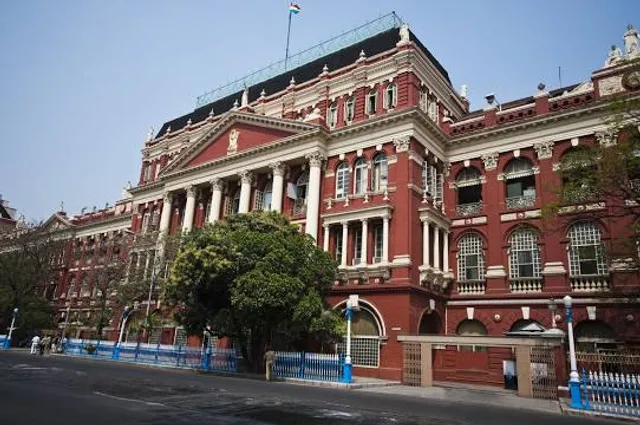
• Ambiance and Architecture The building itself is a piece of history, with its colonial architecture and well-preserved interiors. The ambiance of the museum is serene, providing a quiet environment for visitors to absorb the wealth of information on display. The architecture of the museum complements the exhibits, adding to the overall experience.
• Accessibility and Amenities The museum is accessible to people with disabilities, with ramps and elevators available. Basic amenities such as restrooms and seating areas are provided. However, the museum does not have a café or restaurant, so visitors may need to plan their meals accordingly.
• Conclusion The RBI Museum in Kolkata is a...
Read moreDo you know, long before the introduction of money food grains, salt, replicas of tools, cowries and even giant donuts shaped stones served as a medium of exchange? The newly opened Reserve Bank of India (RBI) Museum provides an extensive insight into the history of money and banking.
Opened on 11 March 2019 this is the second RBI museum in the country. It came 21 years after the inaugural one opened its gates at the Mumbai headquarters.
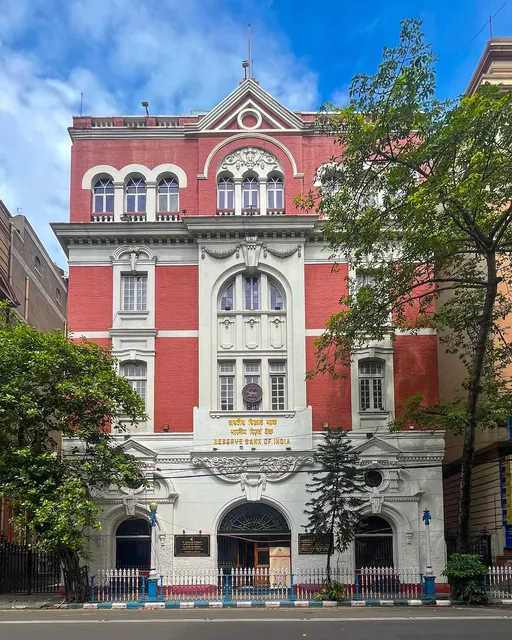
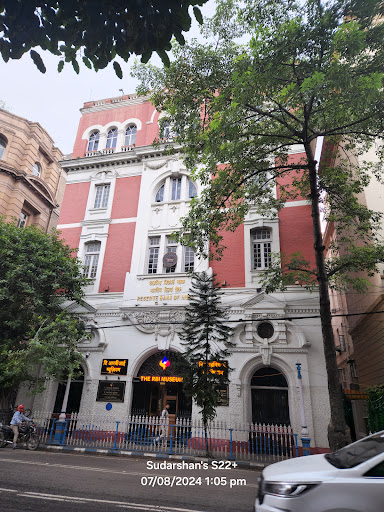
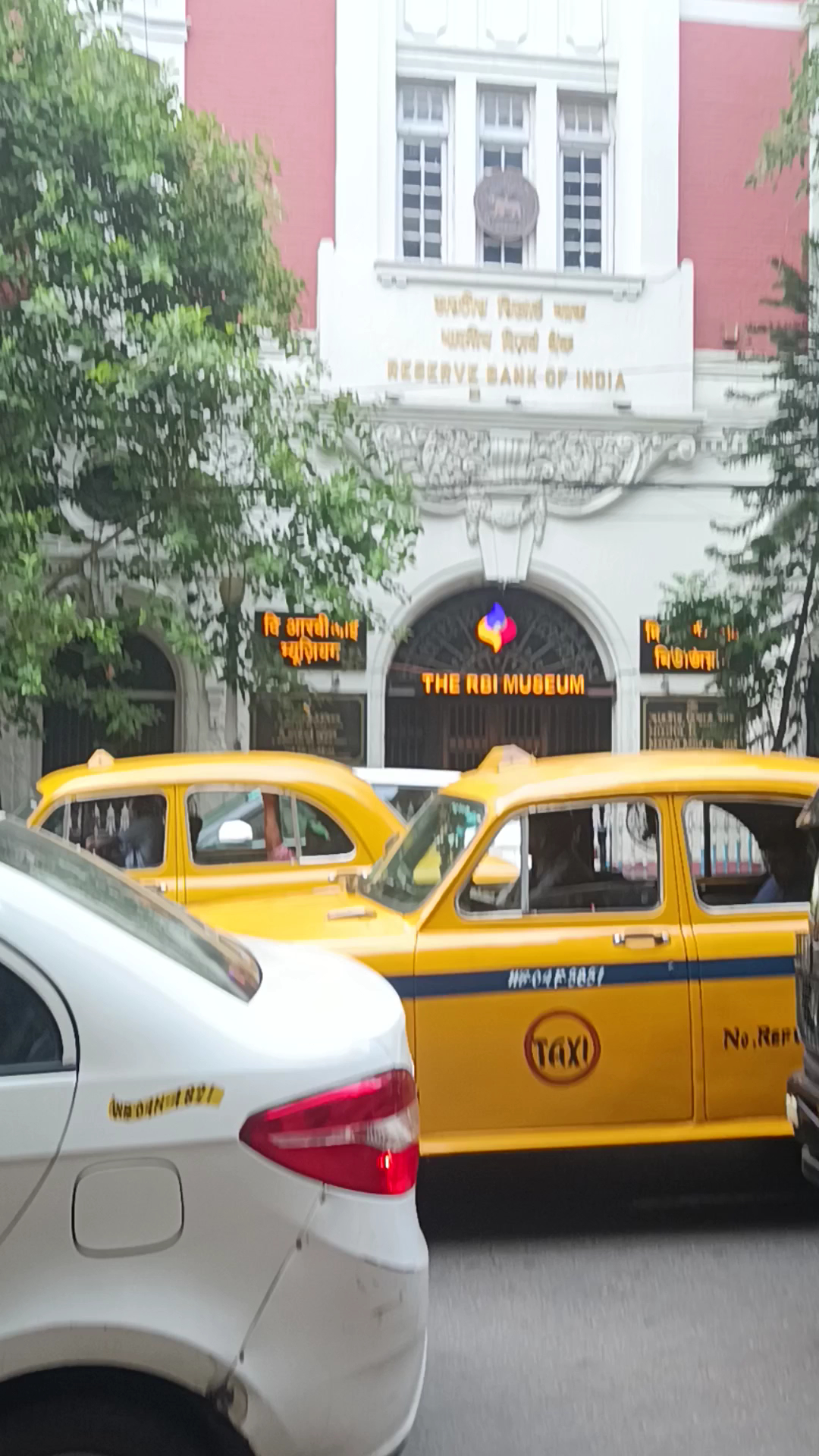
Located at 8 Council House Street the RBI Museum is just a short distance away from the RBI Kolkata regional office.
It was at this very building the Reserve Bank of India (RBI) was formed under the governorship of Sir Osborne Smith in 1935. Also the building was the venue of the first annual general meeting of the shareholders held in 1936.
But the building predates the RBI and once housed the Alliance Bank of Shimla. and in 1935 RBI took it on lease.
Later in 1943 Alliance Bank went in liquidation and RBI acquired the property. Initially the RBI’s central office and banking department was housed in this building while the issue department operated from the nearby Currency Building.
In the mid 1950s the new RBI building came up in the place of Old Custom House and served as RBI, Kolkata Regional Office, but several departments continued to function in the old office of 8 Council House Street.
The iconic red and white building was constructed by Martin & Co. It was owned by Sir Rajen Mokherjee and Sir Thomas Acquin Martin.
The building still houses several departments of RBI. The newly opened RBI Museum is housed at the ground floor of the iconic building.
The RBI Museum has been designed jointly by a team of RBI officials and Creative Museum Designers (CMD), a Kolkata-based company under the National Council of Science Museums.
The reception area of the museum contains a registration deck along with a small souvenir shop. The souvenir shop sells RBI memorabilia, many of which are made of shredded notes.
The walls are decorated with shredded note design and the pillars contains a collage of discarded coins. A compilation of drawing shows the journey of Indian currency notes write from the making of the paper to the process of destruction.
The entrance to the museum is through a self opened glass door passing through a one rupee coin. Apart from the ground floor the museum also has a mezzanine floor housing a game area.
The visit to the RBI Museum starts with a small documentary. The 20 minutes documentary depicts the history of RBI along with a brief introduction to finance and banking.
Apart from exhibits and write ups the RBI Museum houses several audio visual displays and touch screen monitors and has has several interactive sections.
According to the authorities the objective of the museum is to use storytelling as a tool to create financial and banking literacy.
Its main objective was to provide a brief idea about the history and evolution of RBI.
At the centre of the ground floor stands a 12 feet high installation art depicting the evaluation of money. It starts from coins and notes evolving into online transfer of money and finally into cryptocurrency.
Although the display boards are in English but Bengali and Hindi translations are provided in cards kept below each display. Among the artifacts displayed the most interesting is a replica of a Yap Stone. The giant stone disc is about 2 meters in diameter with a central hole was once used as a money in the Pacific island of Yap.
The museum is open Tuesday to Sunday from 10 am to 5 pm and entry is free even the vintage printed certificate comes absolutely free. While you head back home from the RBI Museum do take home a piece of souvenir from the...
Read moreNestled in the heart of Kolkata, the Reserve Bank of India (RBI) Museum stands as a hidden gem, offering an immersive journey through the annals of India's financial history. The museum boasts an impressive collection of artifacts, documents, and multimedia displays that vividly illustrate India's financial evolution. From the colonial era to the modern banking system, the exhibits provide a comprehensive overview of the country's economic journey. The currency gallery is undoubtedly the highlight, featuring a captivating assortment of coins and banknotes that reflect the diverse cultures and historical periods of India. The rare coins, including those from ancient civilizations, Mughal emperors, and the British colonial era, left me mesmerized. One of the museum's strengths is its commitment to interactive learning. The touch-screen panels and audio-visual presentations engage visitors in an educational and entertaining manner. The "Monetary Policy" section, where visitors can simulate the role of the RBI Governor and make policy decisions, was a standout. It provided a glimpse into the complex decision-making process that impacts the country's economy. Additionally, the real-time stock market ticker and interactive quizzes made learning about economics and finance enjoyable and accessible. The RBI Museum beautifully encapsulates the historical significance of the central bank and its role in shaping India's financial landscape. Engaging narratives, photographs, and personal accounts of individuals associated with the RBI shed light on the institution's pivotal moments, including its establishment in 1935 and its role during India's struggle for independence. The section dedicated to the history of the RBI building itself, a colonial-era architectural marvel, added depth to the overall experience. The museum's ambience is serene and conducive to learning. The well-designed layout and ample spacing between exhibits ensure that visitors can navigate comfortably. Adequate lighting and clear signage enhance the viewing experience. The museum is easily accessible, located in proximity to major landmarks in Kolkata, making it convenient for both locals and tourists. Overall, the Reserve Bank of India Museum in Kolkata is a treasure trove for history buffs, finance enthusiasts, and curious minds alike. Its meticulous curation of exhibits, interactive learning opportunities, and historical insights create an educational experience that is both captivating and enlightening. While it may have some areas to enhance, the museum's commitment to preserving and showcasing India's financial heritage is commendable. A visit to this museum is not just an exploration of the past but an understanding of the economic forces that have...
Read more