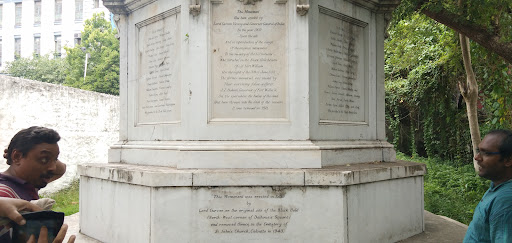
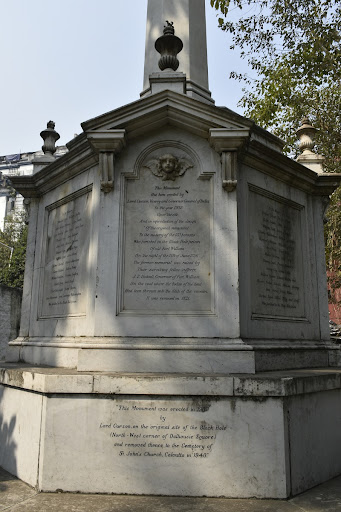
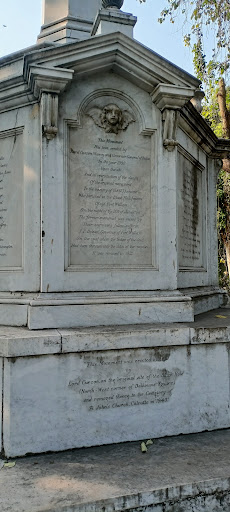
Black Hole Monument (Holwell Monument) things to do, attractions, restaurants, events info and trip planning
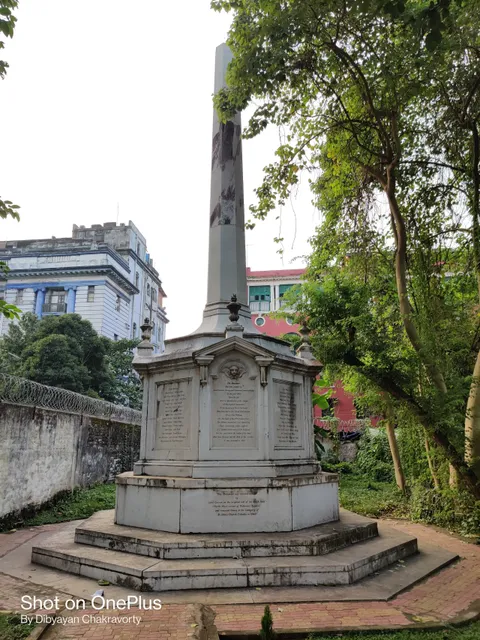
Basic Info
Black Hole Monument (Holwell Monument)
3, Church Ln, B.B.D. Bagh, Kolkata, West Bengal 700001, India
4.1(37)
Open 24 hours
Save
spot
spot
Ratings & Description
Info
Cultural
Scenic
attractions: Metcalfe Hall, St. John's Church, The RBI Museum, Babughat, Writers' Building, Canning office Life Insurance Corporation, Smaranika Tram Museum, St. Andrew's Church ( C.N.I ), Tipu Sultan Masjid Kolkata, Buddist Pagoda Eden Gardens, restaurants: Café Coffee Day, Limelight Restaurant & Bar, Samrat Restaurant, The Little Place, The Chutney Co., Siuli, The Parcel Cafe, The Anchorage Bar, Disha Fast Food, Roll Corner, Shahi Biriyani, local businesses: Millennium Park, Calcutta High Court, General Post Office, Lok Bhavan, Kolkata, Alibaba.com Kolkata, The Old Mission Church, 184, Lenin Sarani Rd, Shaheed Minar, Cherry Pick, Esplanade Tram Terminus
 Learn more insights from Wanderboat AI.
Plan your stay

Pet-friendly Hotels in Kolkata
Find a cozy hotel nearby and make it a full experience.

Affordable Hotels in Kolkata
Find a cozy hotel nearby and make it a full experience.

The Coolest Hotels You Haven't Heard Of (Yet)
Find a cozy hotel nearby and make it a full experience.

Trending Stays Worth the Hype in Kolkata
Find a cozy hotel nearby and make it a full experience.
Reviews
Live events
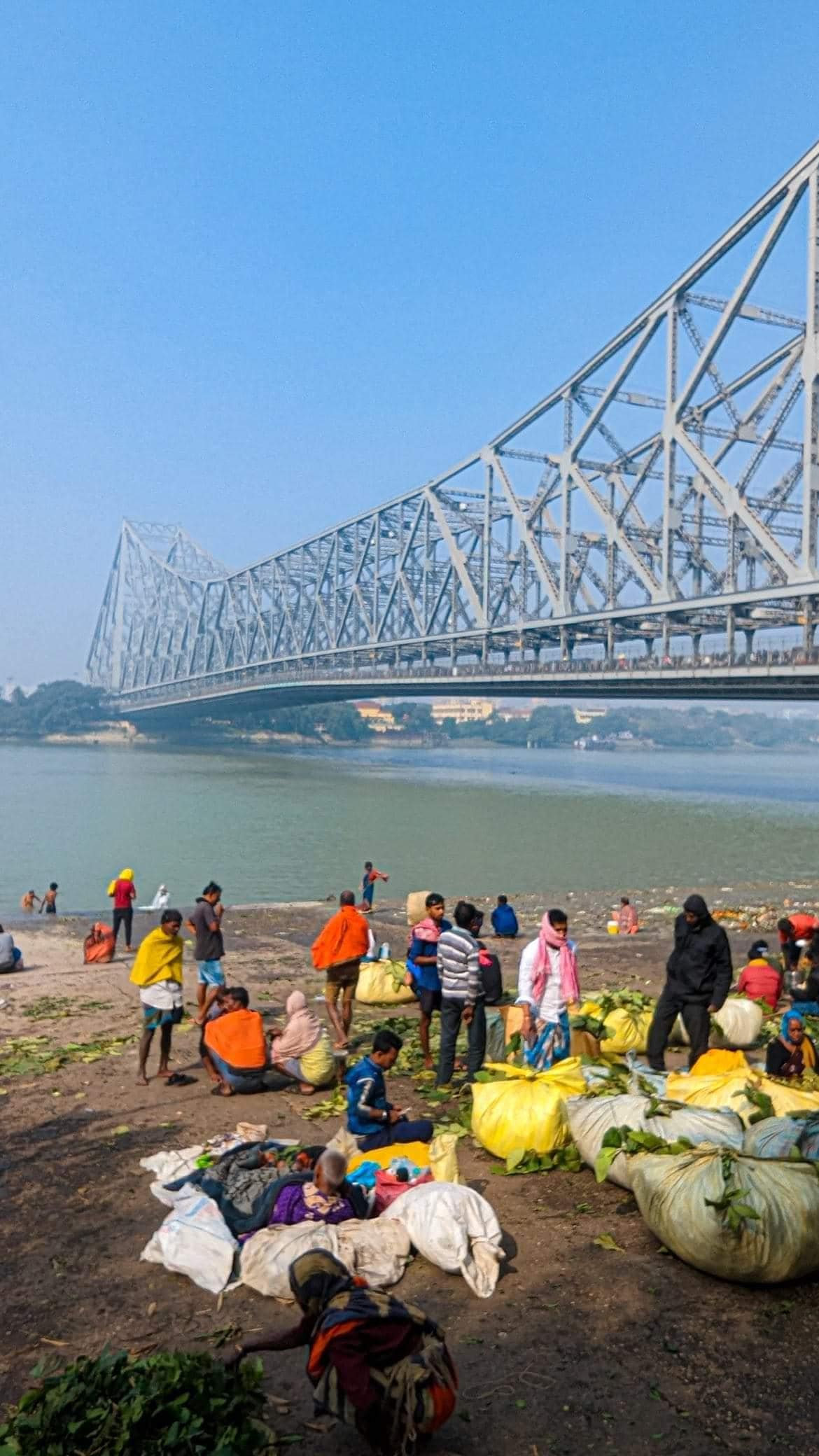
Kolkata: A Sea of Faces and A Thousand Places
Fri, Feb 27 • 9:30 AM
Kolkata, West Bengal, 700069, India
View details

Bengali Nights Food Tour with 15-plus tastings
Thu, Feb 26 • 5:00 PM
Kolkata, West Bengal, 700013, India
View details
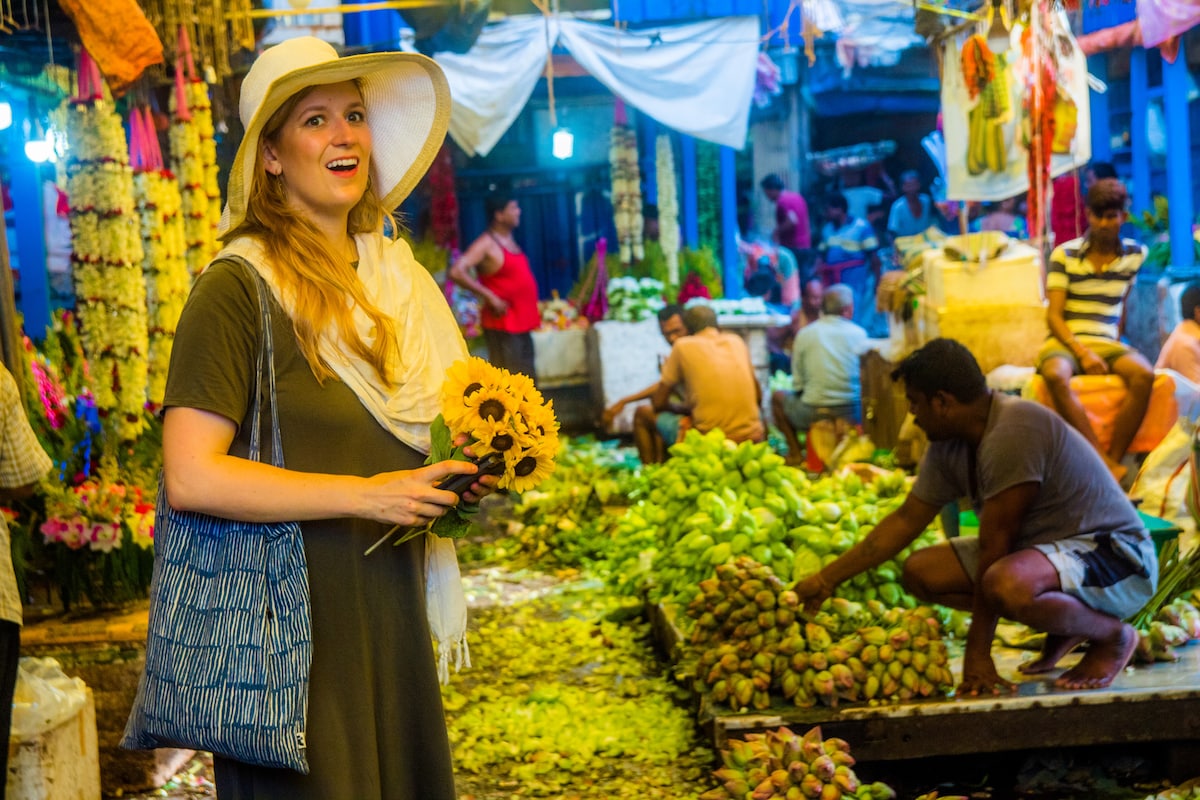
Watch Calcutta wake up- Magic Hour Tour
Fri, Feb 27 • 5:30 AM
Kolkata, West Bengal, 700072, India
View details
Nearby attractions of Black Hole Monument (Holwell Monument)
Metcalfe Hall
St. John's Church
The RBI Museum
Babughat
Writers' Building
Canning office Life Insurance Corporation
Smaranika Tram Museum
St. Andrew's Church ( C.N.I )
Tipu Sultan Masjid Kolkata
Buddist Pagoda Eden Gardens
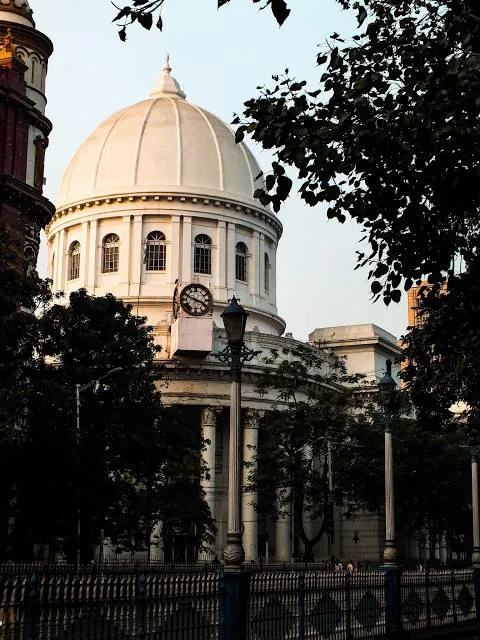
Metcalfe Hall
4.6
(1.6K)
Open until 6:00 PM
Click for details
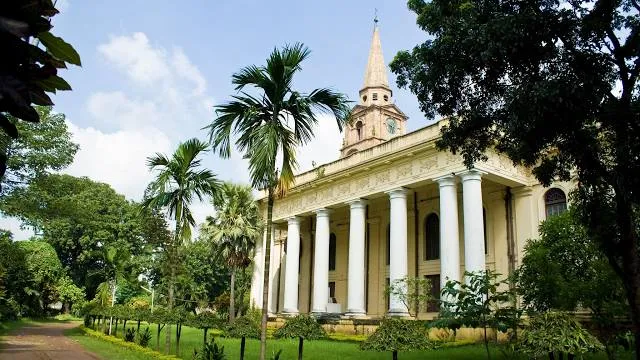
St. John's Church
4.6
(501)
Closed
Click for details
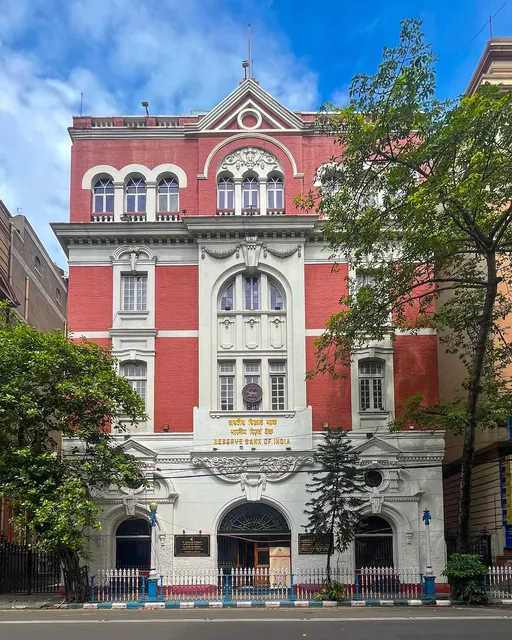
The RBI Museum
4.7
(784)
Closed
Click for details
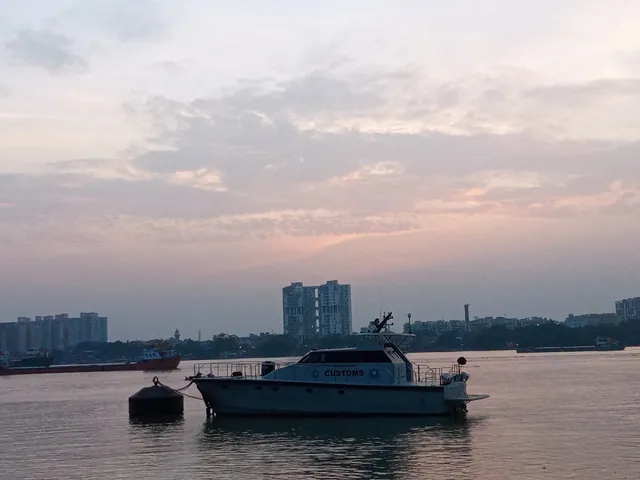
Babughat
4.3
(9K)
Open until 8:00 PM
Click for details
Nearby restaurants of Black Hole Monument (Holwell Monument)
Café Coffee Day
Limelight Restaurant & Bar
Samrat Restaurant
The Little Place
The Chutney Co.
Siuli, The Parcel Cafe
The Anchorage Bar
Disha Fast Food
Roll Corner
Shahi Biriyani
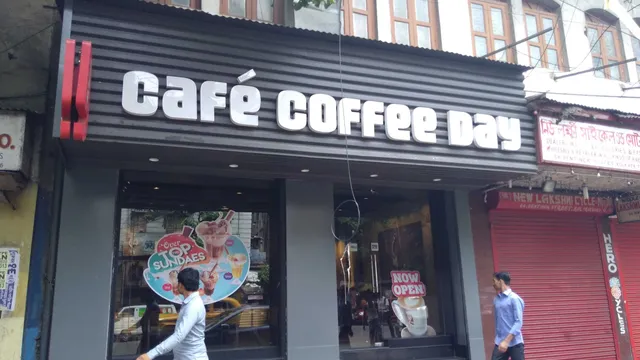
Café Coffee Day
4.0
(393)
Open until 10:00 PM
Click for details
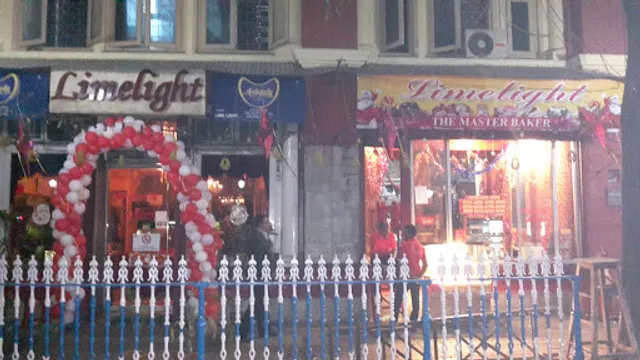
Limelight Restaurant & Bar
4.4
(625)
$$
Open until 11:00 PM
Click for details

Samrat Restaurant
3.9
(94)
Open until 7:30 PM
Click for details
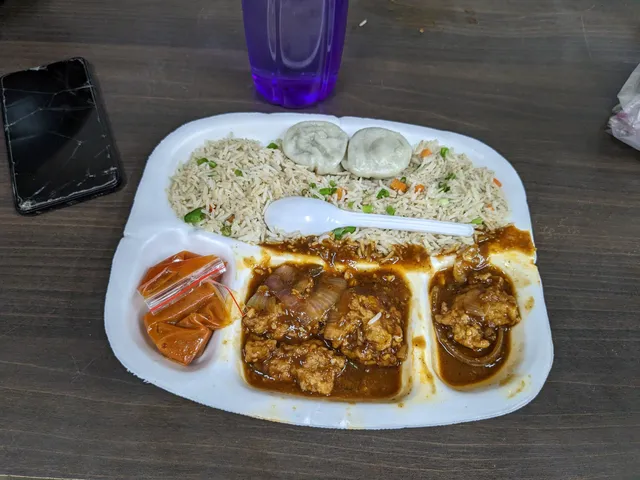
The Little Place
4.0
(37)
Open until 8:00 PM
Click for details
Nearby local services of Black Hole Monument (Holwell Monument)
Millennium Park
Calcutta High Court
General Post Office
Lok Bhavan, Kolkata
Alibaba.com Kolkata
The Old Mission Church
184, Lenin Sarani Rd
Shaheed Minar
Cherry Pick
Esplanade Tram Terminus
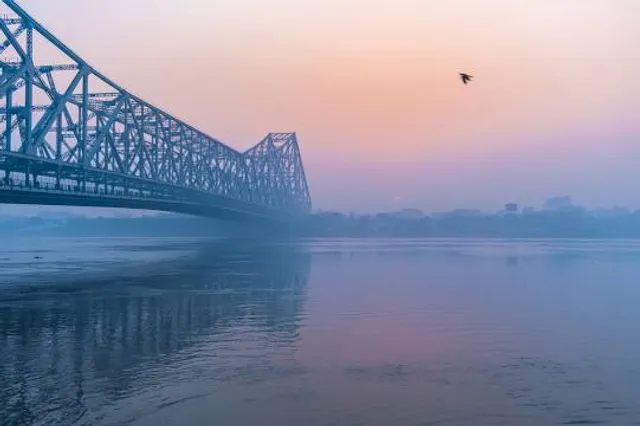
Millennium Park
4.1
(10.5K)
Click for details
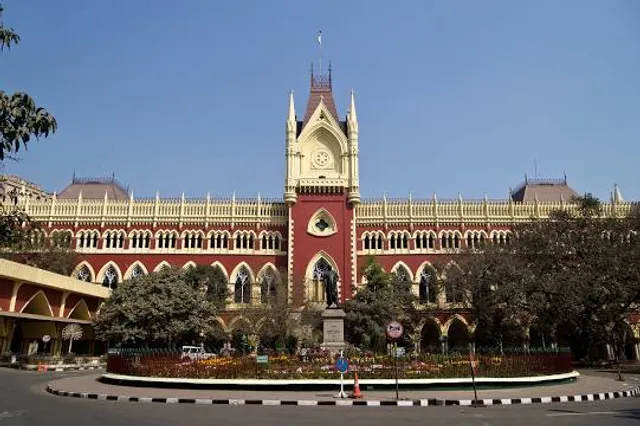
Calcutta High Court
4.5
(870)
Click for details
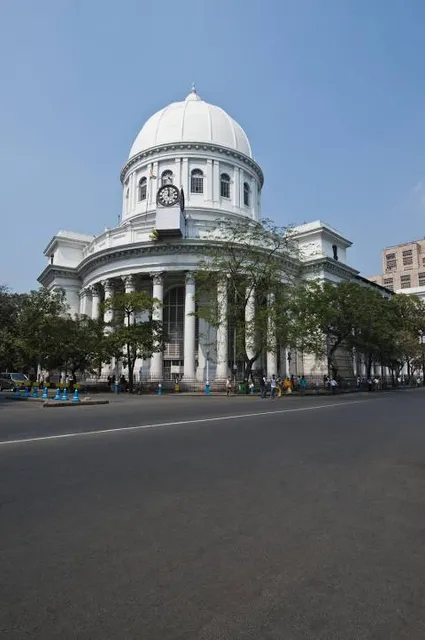
General Post Office
4.3
(416)
Click for details
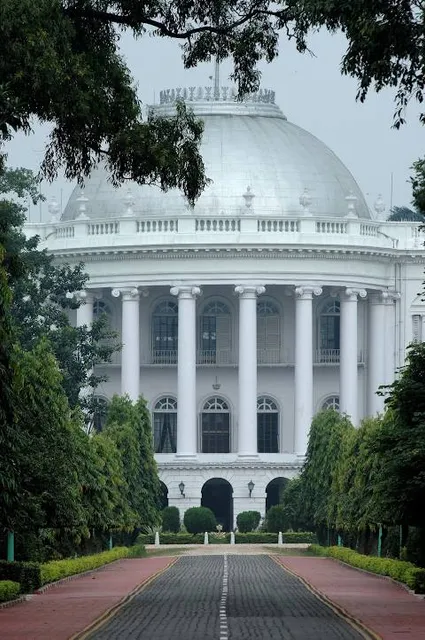
Lok Bhavan, Kolkata
4.6
(347)
Click for details