Exploring the Legacy: Raja Rammohan Roy Memorial Museum, Kolkata
Nestled in the heart of Kolkata, the Raja Rammohan Roy Memorial Museum stands as a testament to the life and legacy of one of India's most influential social reformers and thinkers, Raja Rammohan Roy. This museum serves not only as a tribute to his contributions but also as a window into the rich history and cultural heritage of India.
A Glimpse into Raja Rammohan Roy's Life
Raja Rammohan Roy, often hailed as the "Father of the Indian Renaissance," was a visionary ahead of his time. Born in 1772 in Radhanagar, Bengal Presidency, his life journey was marked by a relentless pursuit of social justice, education reform, and the abolition of regressive practices such as Sati (the immolation of widows).
The Museum: A Journey through History
The Raja Rammohan Roy Memorial Museum, housed in the ancestral house of Raja Rammohan Roy in Jorasanko, Kolkata, offers visitors a comprehensive insight into his life, philosophy, and the socio-cultural milieu of his era. The museum showcases a diverse range of artifacts, manuscripts, and personal belongings of Raja Rammohan Roy, providing a vivid portrayal of his multifaceted personality and tireless endeavors.
Exhibits and Collections
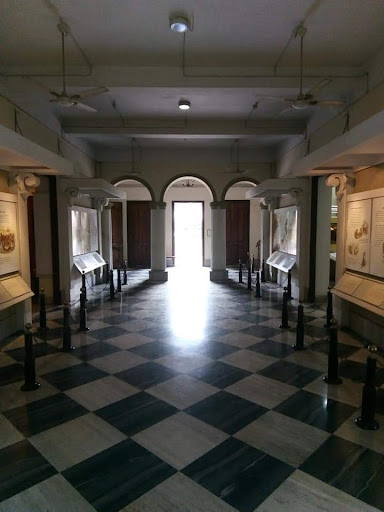
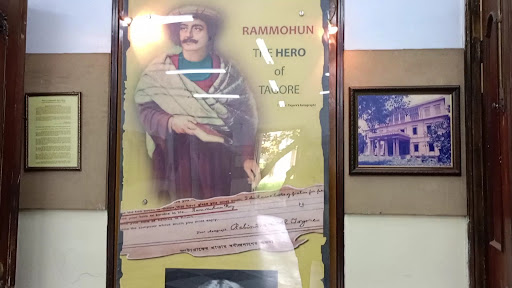
Visitors to the museum are greeted with a treasure trove of artifacts, including original manuscripts penned by Raja Rammohan Roy himself, letters exchanged with notable contemporaries, rare photographs, and documents chronicling his pivotal role in various socio-religious movements of the 19th century.
One of the highlights of the museum is the recreation of Raja Rammohan Roy's study, offering a glimpse into the environment where he conceived and formulated his groundbreaking ideas. Additionally, the museum houses a rich collection of books, pamphlets, and publications authored by Raja Rammohan Roy, shedding light on his intellectual prowess and literary contributions.
Preserving a Cultural Heritage
Beyond being a repository of historical artifacts, the Raja Rammohan Roy Memorial Museum serves as a custodian of India's cultural heritage. By commemorating the life and works of Raja Rammohan Roy, the museum not only educates the public about his legacy but also fosters a deeper appreciation for the values of enlightenment, rationality, and social reform that he espoused.
Educational and Inspirational
For scholars, students, and enthusiasts alike, a visit to the Raja Rammohan Roy Memorial Museum is not just an educational experience but also an inspirational journey. It offers an opportunity to reflect on the enduring relevance of Raja Rammohan Roy's ideals in contemporary society and to draw inspiration from his unwavering commitment to the principles of equality, justice, and human dignity.
Conclusion
The Raja Rammohan Roy Memorial Museum stands as a tribute to a visionary who transcended the constraints of his time to leave an indelible mark on Indian society and history. Through its exhibits and collections, the museum not only preserves the memory of Raja Rammohan Roy but also invites visitors to engage with his ideas and principles, thereby ensuring that his legacy continues to inspire...
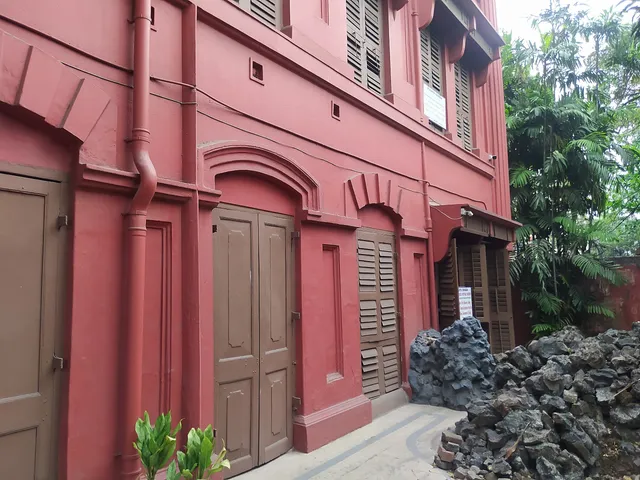
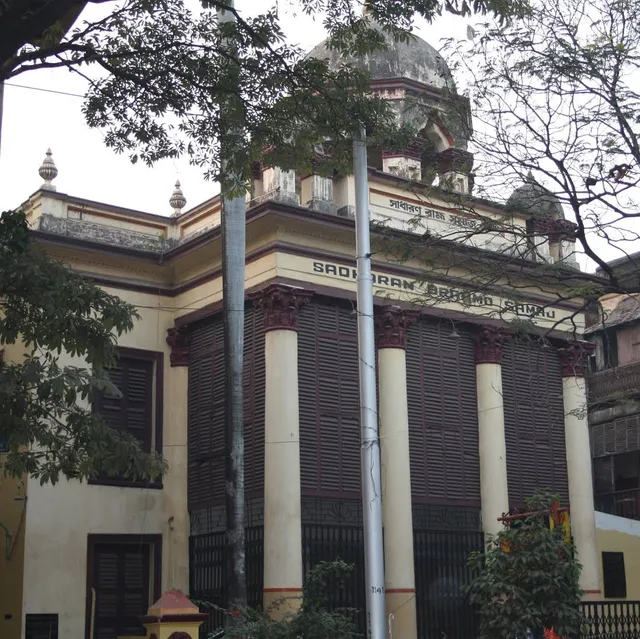
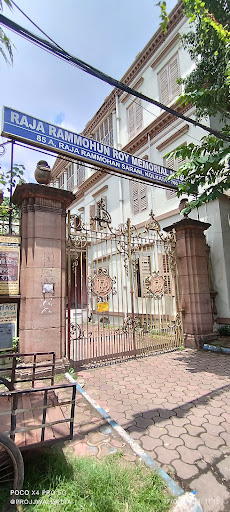
Read more85 Amherst Street, now 85A, Raja Rammohun Sarani, a three storeyed structure illustrative of the colonial style architecture of the 19th century, is said to have been the residence of the family of Raja Rammohun Roy. His two sons Radhaprasad and Ramaprasad lived there with their families The building was known as the Simla House. The name "Simla House" may have originated because the area was called "Simla". This house was supposedly designed by one W. Wood and is structured completely in the colonial Georgian style. It is gathered from the various writings that this property was purchased by Rammohun from one Francis Mendes for Rs. 13,000/- in the year 1815.
It was in this house that Rammohun Roy for a while held weekly meetings of the Atmiya Sabha, the precursor to the Brahmo Samaj. At the time of the departure for England in 1830 Rammohun Roy disposed of all his properties in Calcutta other than the Simla House to meet the expenses of his journey abroad. The house then continued to be in the possession of the descendants till the 1960s when it passed into the hands of miscreants and encroachers. In the year 1972, on the occasion of the bi-centenary birth anniversary celebration of Rammohun Roy, the Rammohun College initiated a move to acquire the building with its adjoining lands measuring 76 cottahs. The Simla House remained in the hands of Rammohun's successors till 1960's. Afterwards it gradually passed into the hands of unauthorised occupiers, and had been subjected to undesirable vandalism. Rammohun College took the initiative to rescue the house from its wretched plight and with active assistance of the State and Central Government...
Read moreIt was house of Raja Ram Mohan Roy and now it has been changed to museum but not maintained properly. Backyard garden can be much more better ,government should look into the matter for maintaining these heritage sites. “Sati daha”cannot be forgotten as we have a legend Raja Ram Mohan Roy. Today because of him women are getting their rights along with proper education. His legacy is still inspiring the people till date.
His written literature , books, pictures instruments , sculpture and clothes are kept inside the museum along with his contributions to the nation. The museum from outside looks like a beautiful palace or we can say “bonedi bari” or traditional houses of aristocratic families.
Different medicinal plants , trees and a complete garden are there.
In the backyard , his kitchen and verandah are also there. A 200 year old staircase is also there but no one is allowed to climb because it can be risky and it might get collapsed. The security guard uncle is very kind.
Fees for ticket is very nominal ,10/- per person and for camera 50/- Videography , camera flash are not allowed over here. Without permission you cannot touch anything. Yes before going out of the museum ,you have to give remarks , try to enlighten those cons of these place so govt can look into these matter.
Not so crowded , you can take time and see everything. Mode of communication is 46 B , 78/1 buses are available to Esplanade , rapido and taxis are...
Read more