Open main menu

Search
Polyaryletherketone
Read in another language
Watch this page
Edit
Polyaryletherketone (PAEK) is a family of semi-crystalline thermoplastics with high-temperature stability and high mechanical strength whose molecular backbone contains alternately ketone (R-CO-R) and ether groups(R-O-R). The linking group R between the functional groups consists of a 1,4-substituted aryl group.1]
PropertiesEdit
PAEK has a continuous operating temperatureof 250 °C (482 °F) and under short-term loads can function up to 350 °C (662 °F). When burned it has the least toxic and corrosive fumes. It also has a low heat output when burned, so it qualifies for use in interior aviation applications. It also has good overall chemical resistance.[2]
It has a tensile strength of 85 MPa (12,300 psi) and a Young's modulus of 4,100 MPa (590,000 psi). Its yield strength is 104 MPa (15,100 psi) at 23 °C (73 °F) and 37 MPa (5,400 psi) at 160 °C (320 °F). It does not break in an un-notched Izod impact test.[2
ChemistryEdit
PAEK plastics are characterized by phenylenerings that are linked via oxygen bridges (etherand carbonyl groups (ketone)). The ratio and sequence of ether to ketones mainly affects the glass transition temperature and melting point of the polymer. It also affects its heat resistance and processing temperature. The higher the ratio of ketones the more rigid the polymer chain, which results in a higher glass transition temperature and melting point. The processing temperatures can range from 350 to 430 °C.1[4]
Plastics that fall within this family include:[3]
PEK
PEEK
PEKK
PEEKK
PEKEKK(polyetherketoneetherketoneketone)
ProductionEdit
PAEKs can be produced in two ways, one is called the nucleophilic route and the other is called the electrophilic route. The nucleophilic route has the formation of ether linkages in the polymerization step. The electrophilic route has the formation of carbonyl bridges during the polymerization step.[1]
It can be processed using all of the typical thermoplastic processes, such as injection molding, extrusion, compression molding, and transfer molding.[4]
ApplicationsEdit
One major engineering application is oil drilling components, such as seals, compressor rings, valve parts, gears, bearings, and wire coatings. It is also used in the chemical pump industry because it can withstand the temperature, stress, and has the corrosion resistance. In the automotiveindustry it is used to make gears and thrust bearings in transmissions.[4]
Due to its excellent resistance to hydrolysis it is used in medical devices because it does not break down when sterilized. PEKEKK is used to make surgical...
Read moreA truncated yet preserved hideaway
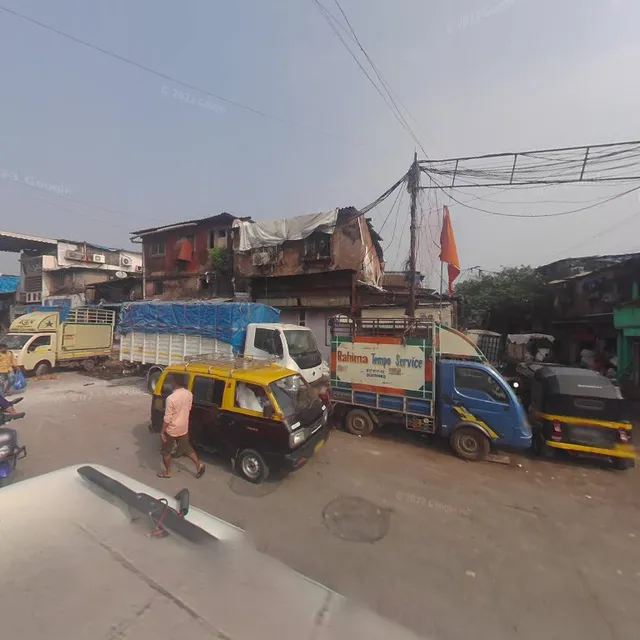
Three-fourths of a mile from Sion Railway Station lies an understated place, which not many would know. In what is probably the most littered, chaotic, and obstreperous locality in the city viz. Dharavi, this is a spot which has obverse characteristics. Enter through the gate, and one is about to walk from pollution to purity and from honking of vehicles to smiling of trees.
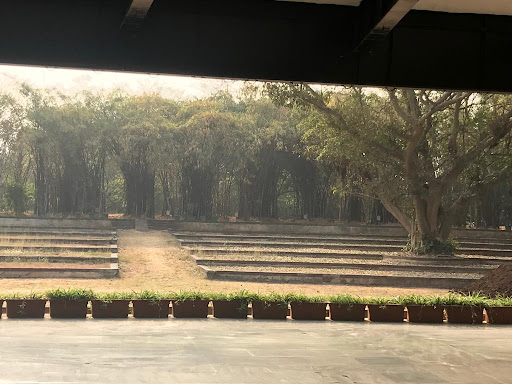
There is a small nursery at the right side, so in case you want to buy some plants, this is the place. The close proximity near the circular education centre building has overgrown grasses which needs trimming and nearby, one can also see some mini paths losing out on directions.
There are chiefly three trails, going towards the same direction, all of which merge subsequently. So, one may walk from one and return by the other. All the three trails are earmarked and have proper walking paths. One of the trail goes by the bay, the other goes through the middle of the park and the remaining one goes by the thoroughfare. I walked on all of them. The one by the bay has a slightly foul odour and gives you the view of the city ( BKC-side ), and one can spot some birds here. The best thing I found on this trail was walking under a small, half-open tunnel, created by the enormous Banyan tree naturally. The one by the main road has trees on both sides, but is exposed to the noise and honking of the vehicle, but this trail has some trees which the others don't, for instance the cotton ball tree.
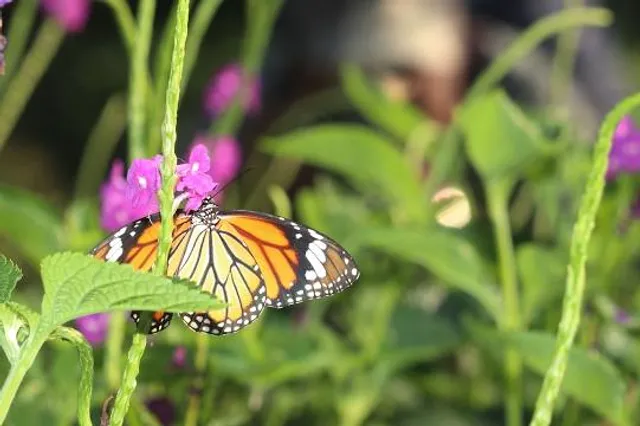
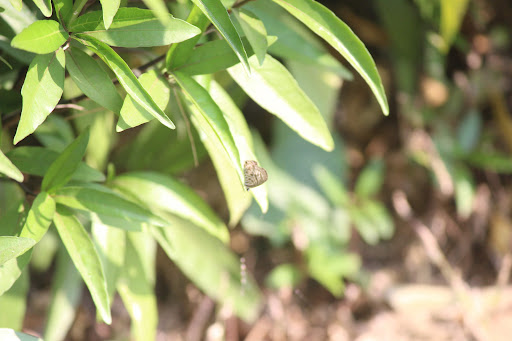
One common theme of the entire park is the sweet, little squirrels perching from a branch to another. Another sweet site is the colourful butterflies The tranquility of the park offers truly feels quite a luxury; strolling in the nature girded by the greenery feels amazing. There are a plethora of plants and trees in the park including the ones having medicinal properties. A significant majority of distinct trees have their names written on a stone, kept in front of it; I found this a nice and inexpensive way to let the visitors know about the names. However, there is no information given about these trees. Half the boards are withered and need a fresh paint.
The entry fee is only Rs 20. There is only a single lavatory. The nature park is open on all days except...
Read moreMaharashtra Nature Park, also known as Mahim Nature Park, is a beautiful oasis nestled amidst the bustling city of Mumbai, Maharashtra, India. Spread across approximately 37 acres, this urban sanctuary stands as a testament to conservation and environmental restoration efforts.
The park was established in 1994 on a landfill site that was once a dumping ground for solid waste. Through a remarkable transformation, the area has been rejuvenated into a flourishing green space that attracts nature enthusiasts, bird watchers, and visitors seeking solace in the lap of nature.
Maharashtra Nature Park showcases diverse ecosystems, including wetlands, woodlands, and grasslands, providing a habitat for a wide array of plant and animal species. Over 200 species of birds, including migratory birds, have been spotted in the park, making it a haven for avian enthusiasts. One can also spot reptiles, butterflies, and various small mammals, adding to the park's biodiversity.
The park's ecological restoration efforts have been commendable. Native plant species have been reintroduced, enhancing the biodiversity and supporting local wildlife. The park also serves as an educational hub, conducting workshops, guided tours, and awareness programs on environmental conservation and sustainability.
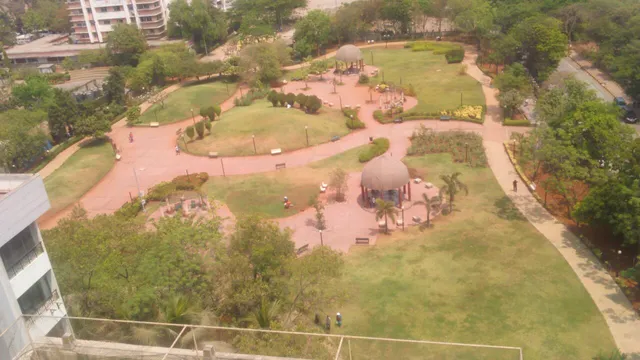
Visitors can explore the park through its well-maintained trails, allowing them to immerse themselves in the serene beauty of nature. The park also features a butterfly garden, a nursery for native plants, and an interpretation center, where visitors can learn about the park's history and significance.
Maharashtra Nature Park is not only a sanctuary for flora and fauna but also a place of respite for the city's residents. It offers a tranquil escape from the urban chaos, allowing people to connect with nature, breathe in fresh air, and enjoy moments of solitude or recreation.
In conclusion, Maharashtra Nature Park stands as a remarkable example of environmental restoration and conservation. Its transformation from a landfill to a thriving green oasis is a testament to human efforts to restore and protect our natural heritage. As a sanctuary for biodiversity and a refuge for people seeking solace in nature, Maharashtra Nature Park holds a special place in the hearts of those...
Read more