📜 History & Origins: 1. Opened in 1951 to support refugees from the NWFP post-Partition . 2. Named after Dr. Khan Sahib (Khan Abdul Jabbar Khan), brother of “Frontier Gandhi” . Originally consisted of 154 shops and 74 flats, laid out in a U-shaped, double-storey structure .
Flats above the shops housed refugee families until the 1980s .
Architectural style blends colonial and Art Deco influences .
Near Sujan Singh Park and the Ambassador Hotel, both heritage properties from 1945 .
Over time, flats were sold and converted into commercial spaces .
Metro access arrived in October 2010 with the Violet Line .
Maintains its nearly original footprint, with minimal expansion possible .
Once served local everyday needs; now attracts elite, diplomatic, and global clientele .
💸 Prestige & Real Estate (11–20)
Ranked among the world’s top retail streets—20th in 2019, around 21–22 globally .
High-end rents around ₹1,000–1,500 per sq ft/month .
Real-estate value estimated at ₹25–30 lakh per sq ft .
Only a limited supply of commercial space ensures exclusivity .
Continues to be India’s most expensive retail locale .
Attractive to luxury brands seeking high-end footfall .
Even stationery and car-spare outlets thrive despite premium rentals .
Rents rose to ~USD 243/sq ft in 2019 .
Ranked 22nd globally with ₹19,000/sq ft annual rent (USD 229/sq ft) .
Its standing improved as rents fell in other global markets .
🛍️ Shops & Boutiques (21–30)
Hosts luxury labels: Chanel, Gucci, Tommy Hilfiger .
Indian designer boutiques: Ritu Kumar, Ranna Gill, Sabyasachi & Rathore .
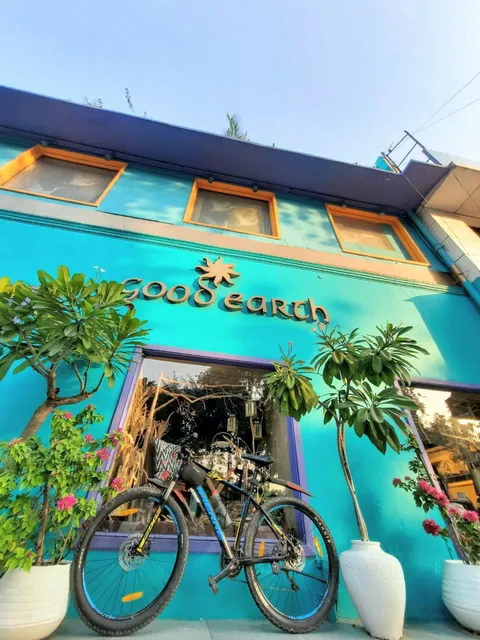
Specialty stores like Good Earth, Forest Essentials, Amrapali line the lanes .
Royal Enfield flagship and upscale candle shops (Illuminati, Fragrance People) present .
Established bookstores: Bahrisons (since 1953), Faqir Chand, Full Circle .
Bahrisons founded by a 19‑year‑old refugee selling a gold bangle .
Adjacent corridor of stationery shops is thriving .
Lighting & hardware stores occupy many ground-floor spaces .
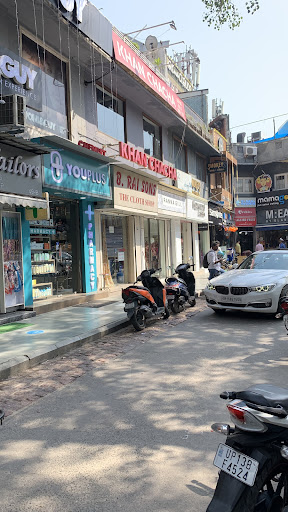
Tailors, grocers, opticians, toy shops (Hamleys) complement high-end boutiques .
Bookstores host readings, launches, and literary events .
🍽️ Food & Cafés (31–38)
Landmark eateries: Khan Chacha (rolls & kebabs) and street Gol Gappe .
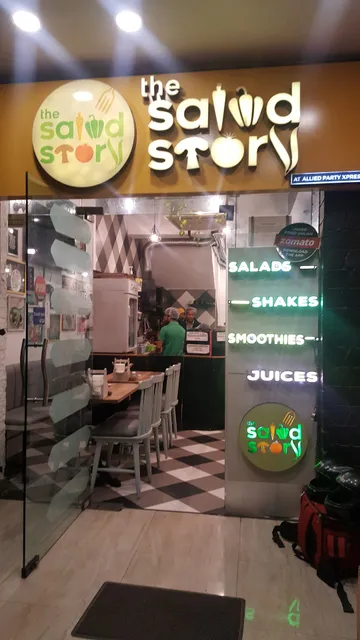
Cafés include Big Chill, SodaBottleOpenerwala, Perch, Full Circle Café, Café Turtle .
European and fusion dining at Sly Granny, Yum Yum Cha, Town Hall, Fat Lulu .
Bakeries and patisseries: L’Opera, Big Chill Cakery, Artful Baker .
Street-food carts operate in the evenings, adding local charm .
Cafés host informal meetings and casual co-working sessions .
Street food spans chaat, parathas, kebabs—part of the culinary mix .
Markets host food-themed events and festivals occasionally .
🚇 Access & Surroundings (39–45)
Situated near India Gate, Lodi Gardens, India Int’l Centre, and Habitat Centre .
Served by Khan Market Metro Station (Violet Line) with 4 exits .
Main foot traffic via metro, taxis, rickshaws; limited parking onsite .
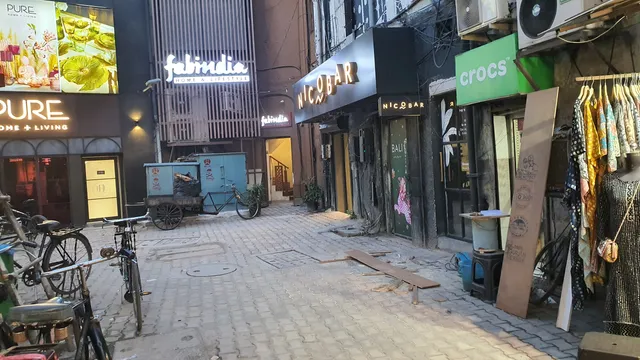
Pedestrian-friendly lanes with shaded pavement and greenery .
Features its own “micro-climate”—cooler, leafy environment .
Adjacent Prithviraj Market supplies auto parts .
Accessibility includes buses from ISBT, metro, taxis, autos .
♻️ Sustainability & Civic Life (46–50)
In June 2025, NDMC and Chintan launched a solar-powered e-waste and MRF center .
Collects e-waste, plastic bottles, clothes, books with on-site segregation & solar lighting .
Waste pickers integrated formally to support sustainable livelihoods .
Helps Delhi’s compliance with 2016 Solid Waste Management rules .
Reflects Khan Market’s balance of high-end retail and civic-forward...
Read moreKhan Market in Delhi is a vibrant and upscale shopping area that offers a unique blend of luxury brands, quaint boutiques, bookstores, and gourmet restaurants. Known for its chic ambiance and cosmopolitan atmosphere, Khan Market attracts both locals and tourists alike.
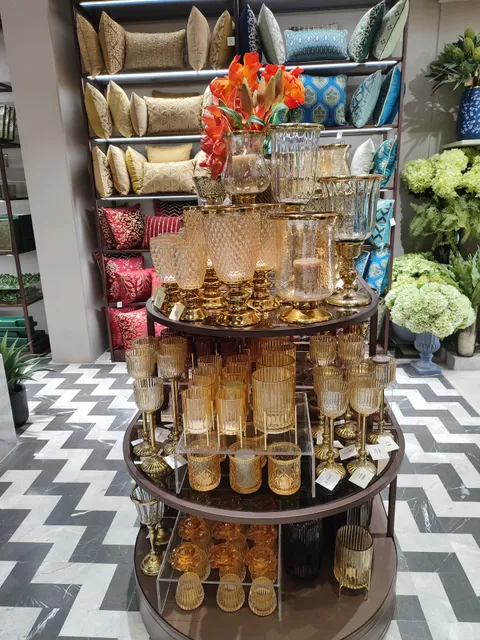
One of the key highlights of Khan Market is its wide range of high-end fashion boutiques and designer stores. From renowned Indian fashion designers to international luxury brands, you can find an impressive selection of clothing, accessories, and footwear. The market also houses several home decor stores, offering tasteful furnishings and unique interior design items.
Book lovers will be delighted by the numerous bookstores in Khan Market. The market is home to several well-established bookshops that cater to different literary tastes, including popular fiction, non-fiction, and academic books. These stores are often frequented by intellectuals, students, and avid readers.
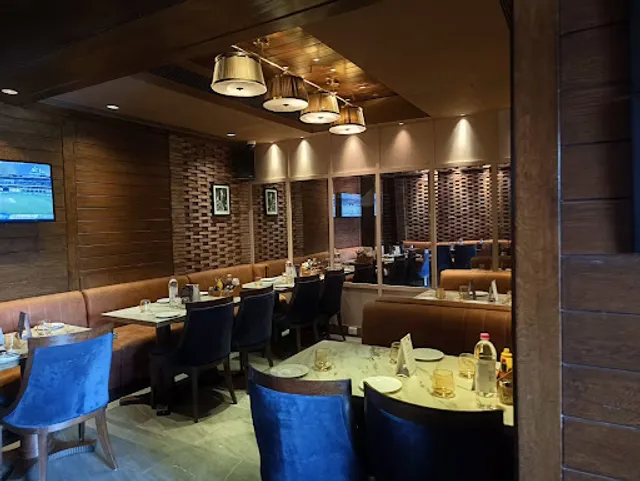
Food enthusiasts will find a plethora of dining options in Khan Market. From trendy cafes to fine dining restaurants, there is something to suit every palate. The market is renowned for its diverse culinary offerings, ranging from Indian and Asian cuisine to continental and Mediterranean delights. Many of the restaurants have a charming outdoor seating area, making it a great place to enjoy a leisurely meal.
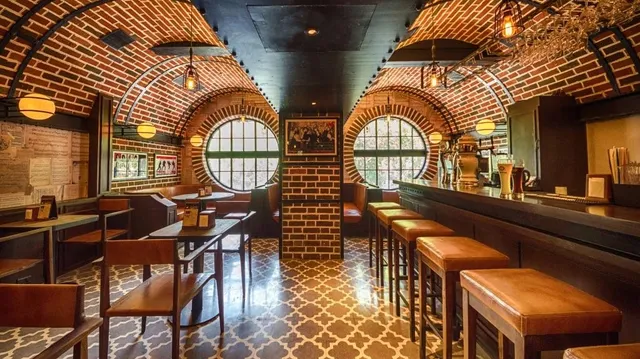
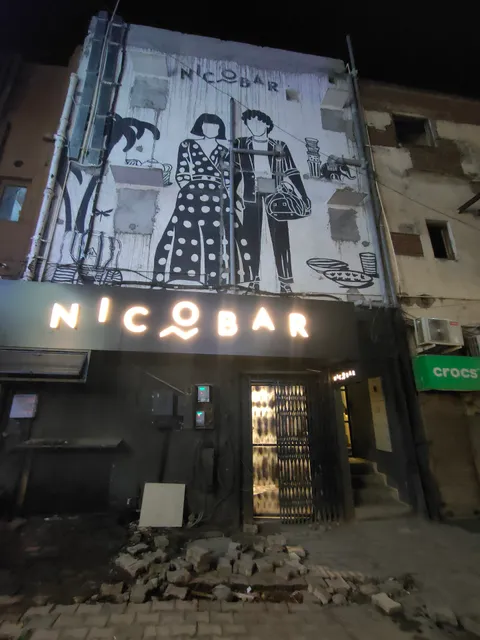
Beyond its shopping and dining options, Khan Market also has a lively nightlife scene. It houses several bars and pubs that offer a relaxed ambiance and a wide selection of beverages. Whether you're looking for a refreshing cocktail or a pint of craft beer, you'll find a place to unwind and socialize.
One of the few downsides of Khan Market is its popularity, which often leads to crowded streets and limited parking spaces. Weekends can get particularly busy, so it's advisable to visit during weekdays if possible. Despite this minor inconvenience, the market's vibrant atmosphere and diverse offerings make it a must-visit destination in Delhi for those seeking a premium shopping and dining experience.
Overall, Khan Market stands out as a sophisticated and trendy hub, combining fashion, literature, gastronomy, and a lively social scene. It offers a unique blend of luxury, culture, and charm, making it a favorite among locals and tourists looking for an upscale shopping and dining...
Read moreKhan Market was created in 1951 along a U-shaped stretch of land in Central Delhi. During the next few years, it was developed to be seed land for refugees from Pakistan and other areas after the partition of 1947. The area was named after freedom fighter Khan Abdul Jabbar Khan or Dr. Khan Sahib, who was elder brother to Abdul Ghaffar Khan. Abdul Ghaffar was a noted Pashtun Independence activist and also called Frontier Gandhi. The market complex had about 154 shops and 74 flats on the first floor for the shop owners at the market. Khan Market was turned in such a place by K.C. Neogy, Minister of Relief and Rehabilitation. Sanjiv Mehra, the president of Khan Market Traders’ Association and owner of a shop called Allied Stores reportedly said that, This market was set up for those who had been displaced; refugees who had migrated from the North West Frontier Province (NWFP). In 1952-53, my father bought the shop here for Rs 6,516 and opened a provisions store. In the 1960s, Khan Market had a grocery store, a provisions store, a tailor and a mithai ki dukaan. Around 74 refugee families had moved to Khan Market in the 50s but as of right now only 3 of them remain there.
At the time, the rent for a 420 sq. ft. shop was a mere Rs. 50 with the shops being later allotted to people for Rs. 6,516 in 1956. First buyers also were given a 75-square yard flat for a steep price of Rs. 9,500 at least for that time.
Today most of the shops are owned / rented by big international brands like The Body Shop, Apple, Boutique, Anokhi, Amrapali and Good Earth are among few to name. It has become favourite among expats living in Delhi and prices have gone to an extent that it is one of the most expensive area to buy property or an Apple the fruit.
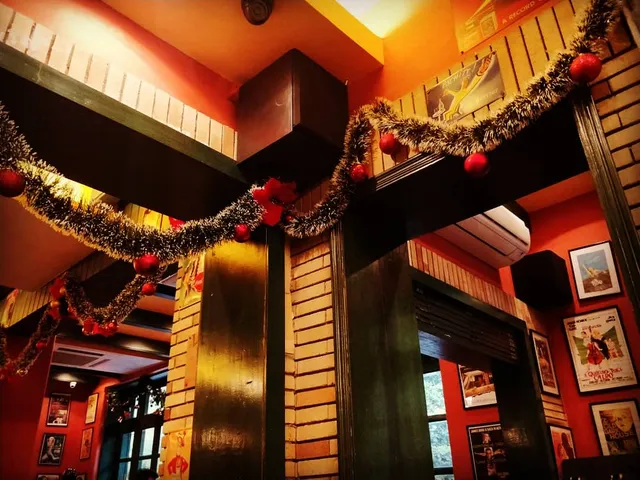
Good restaurants and bars in the area. Two of my favourite are The Big Chill and Latitude by Good...
Read more