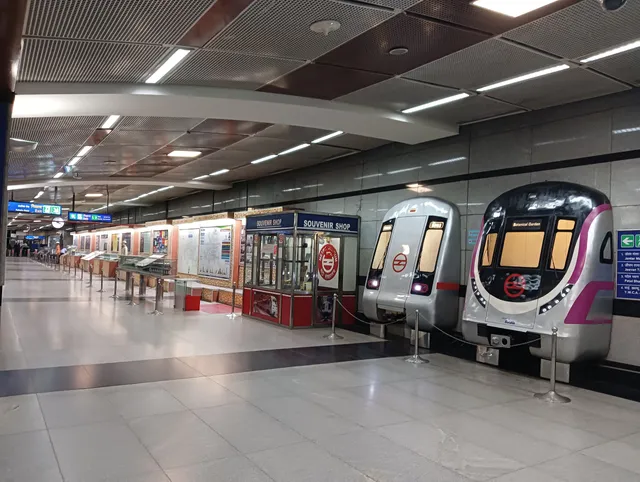
South Asia's first modern Metro Museum, showcasing the Delhi Metro, has been opened in New Delhi, the only such installation worldwide in an operational Metro station.
The Metro Museum at Patel Chowk Metro station comes as a New Year gift to the citizens of Delhi and showcases the genesis, history and journey of the Delhi Metro Rail Corporation (DMRC). India's first modern public transportation system, the Delhi Metro has revolutionized travel by providing a fast, reliable, safe and comfortable means of transport in the city characterized by rickety vehicles and unreliable operators.
Though founded only in 1995 with commercial operations beginning on 25th December 2002, the DMRC has a rich and varied history because of the nature of the project that is India's largest urban intervention in the transportation sector since Independence. Built in one of the most congested cities in the world, the Delhi Metro used cutting edge technology from around the world including Germany, France, Japan, Korea, etc. to create a system that is one of the most advanced in the world. A loan from the Japan Bank for International Cooperation (JBIC) funded a major part of the construction work of the Delhi Metro, one of few Metros in the world having an operational profit from the first day.
Metro Museums can be found in only a few European, US and Japanese cities, but the one at Delhi Metro is the only one of its kind in an operational station set up in a short duration of two months.
The museum, a collection of display panels, historical photographs and exhibits, traces the genesis of the Delhi Metro which took 32 years to reach the operational stage from the drawing boards, major milestones, issues regarding the selection of the technology such as rolling stock (trains), rail gauge, etc.
It has displays on the unique management style and work culture of the DMRC that has helped it complete projects before time consistently, the importance of spiritualism which is a guiding principle and the 'Bhagavad Gita' which serves as an inspiration for the Metro employees.
The Museum has an extensive section on the construction of the Metro and the problems encountered during the process, including the story behind the construction of technological marvels such as the Chawri Bazaar Metro station, which is the second deepest Metro station in the world, India's first extra-dosed bridge. A model of Tunnel Boring Machine (TBM), a "tooth" taken from a TBM, soil samples collected from around the city and helmets of different colours used at construction sites form part of the Museum.
The technological features of the Metro system such as the Automatic Train Control System, Automatic Fare Collection system, round-the-clock activities of various departments, features friendly for the physically challenged, actual Metro rails and Over Head Equipment (OHE) to supply power are described in the Museum. It has an account of the first day of Metro's operation when about 1.2 million people queued up for a ride at six stations, forcing DMRC to issue a public appeal asking commuters to defer joyrides.
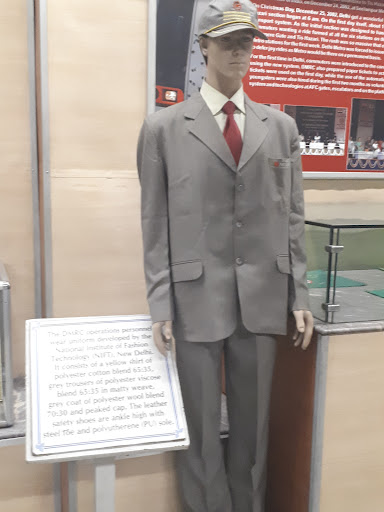
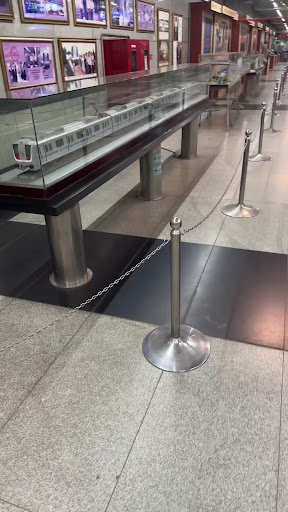
The Museum has two touch screen computers that play the DMRC corporate movie and animations describing the way tunnel boring machines and launching girders used in elevated construction work. Mannequins wearing the different uniforms worn by operations and construction staff, along with brief descriptions of these, a model of the Metro train, models of stations, share certificates and close-circuit television camera which visitors can use are included.
Souvenirs such as Metro ties, pens, key-chains and books will be available for sale at the Metro Museum. Curator services at the Museum can be availed from 10 AM to 4 PM on all days except Monday when the Museum...
Read moreStep into the Metro Museum Delhi, and prepare to embark on a captivating journey through time and space! This unique museum offers a refreshing departure from the traditional exhibits, inviting visitors to explore the rich history and evolution of the Delhi Metro system in an interactive and immersive way.
Upon entering, I was greeted by a mosaic of colors and sounds, instantly transporting me to the vibrant world of Delhi's bustling metro. The museum cleverly weaves together the past, present, and future of this remarkable transportation network, leaving me in awe of the meticulous planning and innovation that goes into each metro line.
The exhibits are thoughtfully curated and designed to engage all senses. From the informative panels chronicling the inception of the Delhi Metro to the realistic recreations of metro coaches, I found myself engrossed in the story unfolding before me. The museum seamlessly blends technology and history, with touchscreens offering a wealth of information at every turn, allowing visitors to delve deeper into the various aspects of the metro system.
What truly sets the Metro Museum apart is its commitment to interactivity. It goes beyond the traditional museum experience, encouraging visitors to step into the shoes of a train operator or signal controller through stimulating simulations. I had a blast maneuvering the virtual train, gaining a newfound appreciation for the skill and precision required to ensure a safe and efficient commute for millions of Delhiites.
The attention to detail is extraordinary. The museum beautifully captures the essence of each metro station, replicating iconic architectural elements and station themes. It's like taking a mini-tour of the entire Delhi Metro network, showcasing its diverse cultural influences and the seamless blend of old and new.
The Metro Museum also does an excellent job of highlighting the positive impact of the Delhi Metro system on the city's development and environment. Through engaging visuals and informative displays, I learned about the reduction in traffic congestion and air pollution, as well as the economic benefits that stem from an efficient and reliable metro network.
The staff at the museum deserves a special mention for their warmth and enthusiasm. They were always ready to answer questions and share interesting anecdotes, further enhancing the overall experience.
Whether you're a local resident or a visitor to Delhi, the Metro Museum is an absolute must-visit. It offers a captivating glimpse into the evolution of the city's lifeline and leaves you with a deeper appreciation for the tireless efforts that go into keeping the metro system running smoothly.
So hop on board and let the Metro Museum take you on a delightful ride through time, history, and innovation. Your journey awaits!
#MetroMuseumDelhi...
Read more'Metro Museum' is the South Asia's first Metro Museum constructed, developed and maintained by DMRC i.e. Delhi Metro Rail Corporation. It is the only one of its kind, since it is the only one in an operational set up. It is located on the Patel Chowk metro station, which falls on the yellow line of the metro connectivity. The Museum traces the genesis of the Delhi metro which took 32 years to reach operational stage, right from the drawing boards, various major milestones, issues etc. It also showcases the management style and culture of the DMRC. The museum showcases the models of the Metro rails including the coaches, the model of metro stations, underground metros, bridges etc. It shows all the features of the metro rail and is detailed in all the aspects. It also shows the metros worldwide. You can also buy souvenirs like metro rail models, key chain etc. from a small shop inside the metro station itself. It is a nice and unique experience and it displays and showcases everything about the Delhi metro, the history, the construction procedure and the operational metro models. A must one time visit atleast as it is one of its kind. A...
Read more