I recently had the pleasure of visiting Teen Murti House in Delhi, and it was an absolutely captivating experience. As a history enthusiast, I was eager to explore this iconic landmark, and it did not disappoint.
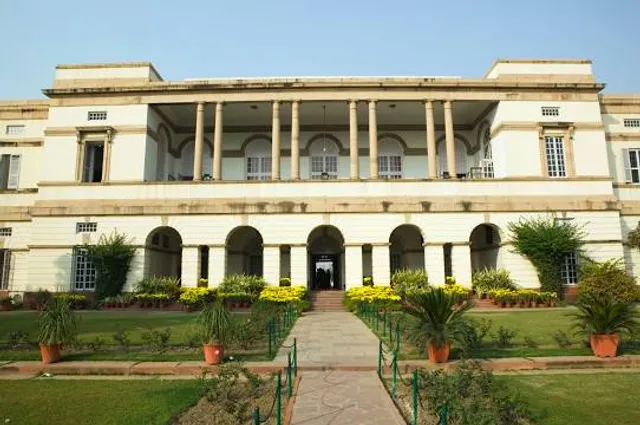
First and foremost, the architecture of Teen Murti House is stunning. The grandeur of the building itself, with its regal facade and intricate detailing, is enough to transport you to a bygone era. The lush green gardens surrounding the house create a serene atmosphere, offering a peaceful retreat amidst the bustling city.
Once inside, I was greeted by knowledgeable and friendly staff who guided me through the museum. The exhibits beautifully showcase India's rich history, particularly focusing on the life and achievements of our first Prime Minister, Jawaharlal Nehru. The artifacts, photographs, and personal belongings on display provide valuable insights into his journey and the struggles of our nation during that time.
One highlight of my visit was the opportunity to explore Nehru's former residence, which has been preserved to maintain its original charm. Walking through the rooms where Nehru lived and worked was a truly immersive experience. The attention to detail in recreating the ambiance of that era is commendable. It felt like stepping back in time, gaining a glimpse into the life of one of India's most influential leaders.
The museum also offers an engaging audio guide, providing in-depth information about each exhibit. It enhances the overall experience and ensures that visitors can fully appreciate the significance of the artifacts on display.
Moreover, the beautifully curated library at Teen Murti House is a treasure trove for history buffs. It houses an extensive collection of books, documents, and manuscripts, offering a wealth of knowledge for those interested in further exploration.
In addition to the historical significance, Teen Murti House hosts various cultural events and exhibitions, making it a vibrant hub of art and heritage. It serves as a platform for intellectual discussions, lectures, and presentations, fostering a sense of community and learning.
I would highly recommend a visit to Teen Murti House for locals and tourists alike. It's an extraordinary place where history comes alive. The serene surroundings, well-preserved artifacts, and informative exhibits make it a must-visit destination for anyone interested in delving deeper into India's past. Whether you're a history enthusiast or simply curious about our nation's journey, this museum will leave you inspired and...
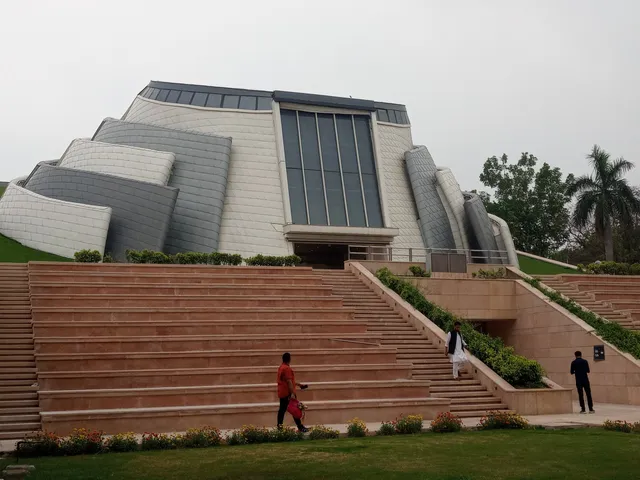
Read moreThe Teen Murti Bhavan (Teen Murti House; formerly known as Flagstaff House) is a building and former residence in New Delhi. It was built by the British Raj and became the residence of the first Prime Minister ofIndia, Jawaharlal Nehru, who stayed there for 16 years until his death on 27 May 1964. It was designed by Robert Tor Russell, the British architect of Connaught Place and of the Eastern and Western Courts on Janpath during the British Raj. Teen Murti Bhavan was built in 1930 as part of the new imperial capital of India, New Delhi, as the residence of the Commander-in-Chief of the British Indian Army.This imposing structure covers a massive area of 30 acres and was carved out of white stone and stucco to give it its signature look. Prime Minister Indira Gandhi converted the residence into a museum. Today, Teen Murti Bhavan houses various institutions including the Nehru Memorial Museum & Library (which was renamed by the current government to Prime Ministers’ Museum and Library Society), which runs under the Indian Ministry of Culture, and the Pradhan Mantri Sangrahalaya, a memorial and museum to honour the Prime Ministers of India. The complex also houses the offices of the Jawaharlal Nehru Memorial Fund, established in 1964 under the chairmanship of President of India S. Radhakrishnan. Teen Murti Bhavan also contains a number of mementos from various nations including England, Nepal, Somalia, China and others. Each memento represents a notable resource of each nation. The foundation also awards the Jawaharlal Nehru Memorial Fellowship, established in 1968.
Also contained within the complex are the Centre for Contemporary Studies and the Nehru Planetarium which...
Read moreTeen Murti Bhawan, located in New Delhi, is a prominent museum and historical landmark that offers visitors a captivating journey through India's modern history. Originally built in 1930, this grand edifice served as the residence of the Commander-in-Chief of the British Indian Army. The structure, designed by British architect Robert Tor Russell, is an exquisite example of colonial architecture, featuring sprawling lawns and majestic stone facades.
Post-independence, Teen Murti Bhawan gained historical significance as the official residence of India's first Prime Minister, Jawaharlal Nehru. Nehru lived here for 16 years until his death in 1964, and the house became synonymous with his leadership and vision for a newly independent India. In his honor, the residence was converted into the Nehru Memorial Museum and Library (NMML) in 1966.
Visiting Teen Murti Bhawan is an immersive experience. The museum's exhibits are meticulously curated, showcasing Nehru's personal artifacts, photographs, and manuscripts, offering a poignant glimpse into his life and the freedom struggle. The rooms, preserved as they were during Nehru’s time, evoke a strong sense of nostalgia and reverence.
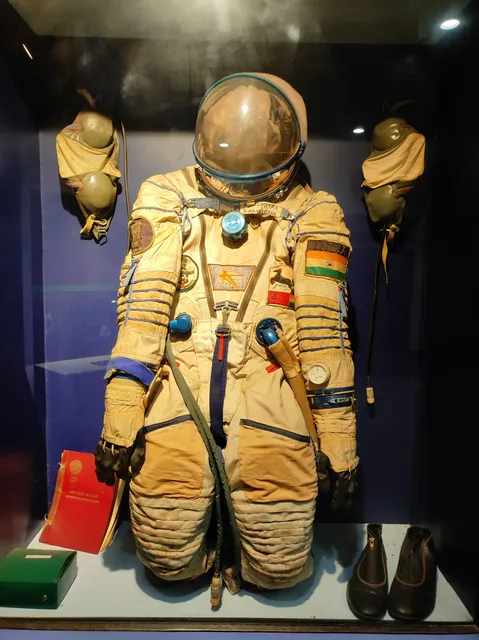
The complex also includes the Nehru Planetarium, a popular attraction for both students and astronomy enthusiasts. Interactive displays and engaging shows make it an educational delight.
Walking through Teen Murti Bhawan, one can't help but feel a deep connection to India's storied past. The serene ambiance of the lush gardens, coupled with the rich historical displays, makes it a must-visit destination for anyone interested in the legacy of Jawaharlal Nehru and the early years of India's...
Read more