The Pradhanmantri Sangrahalay in Delhi offers an enchanting and immersive experience, taking visitors on a captivating journey through the rich tapestry of India's history. As a history enthusiast, I was thrilled to explore this museum, and I must say, it exceeded my expectations in many ways.
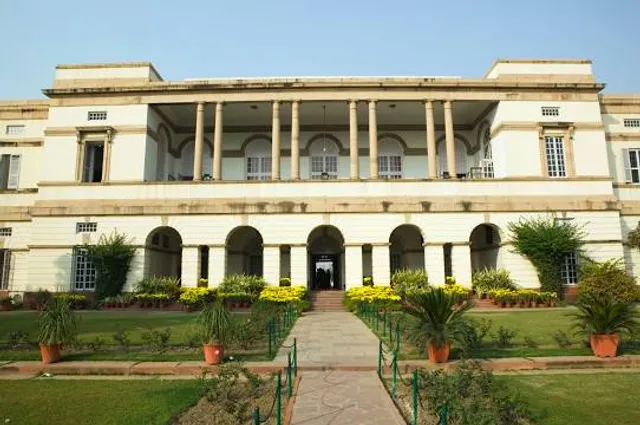
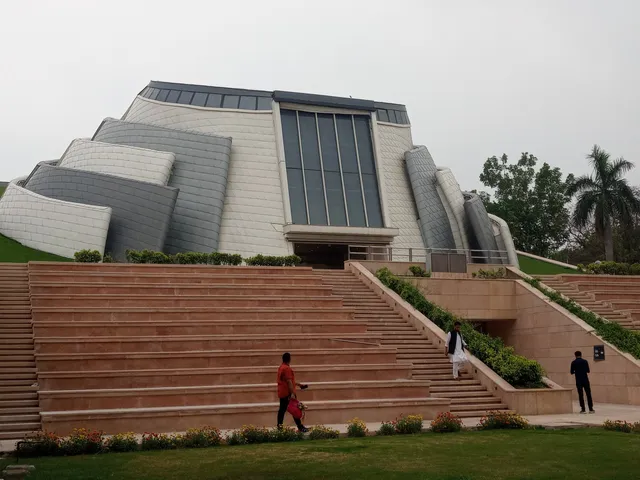
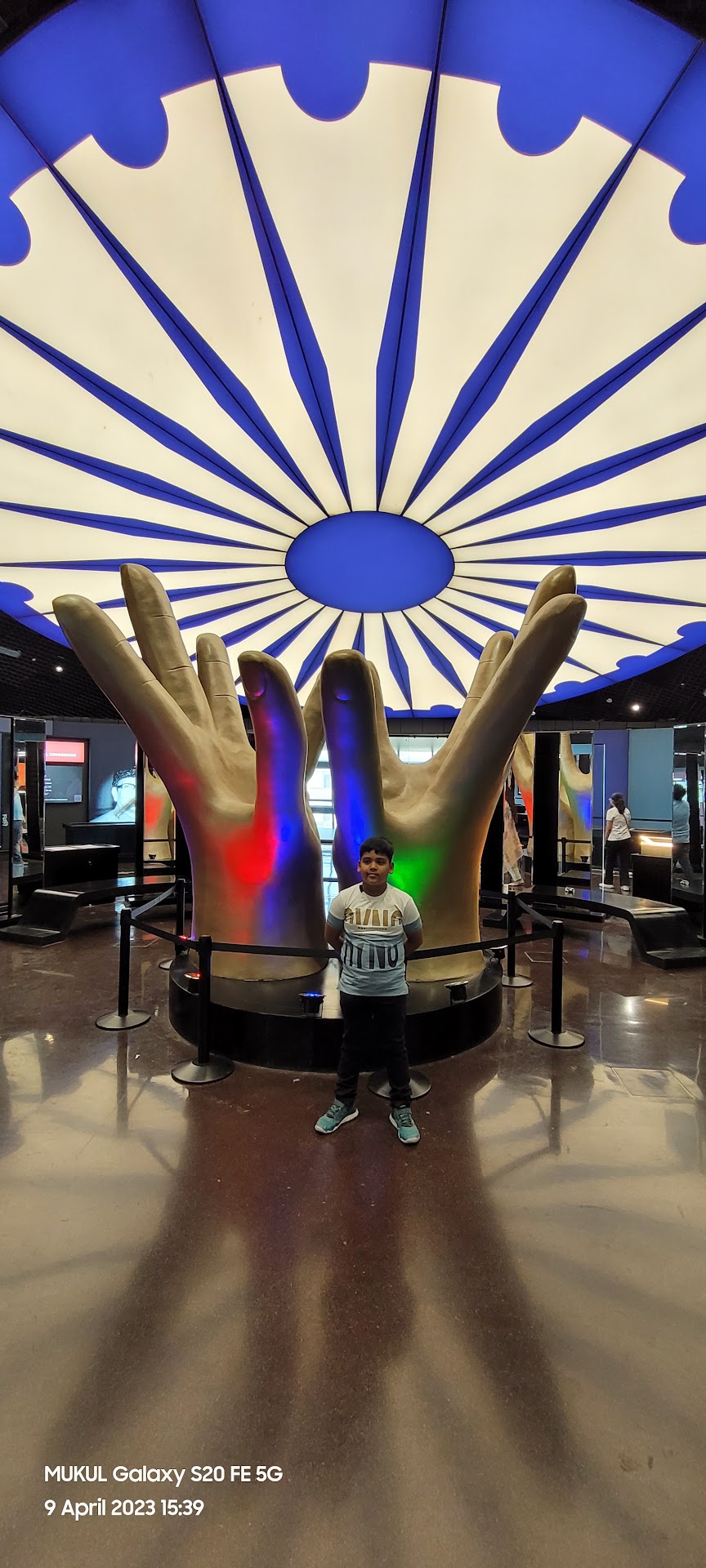
Upon entering the museum, I was struck by its grandeur and the attention to detail in its design. The architecture beautifully blends modern elements with traditional Indian motifs, creating a visually stunning ambiance. The spacious galleries and well-lit exhibits allow ample room for visitors to explore and absorb the historical artifacts and displays.
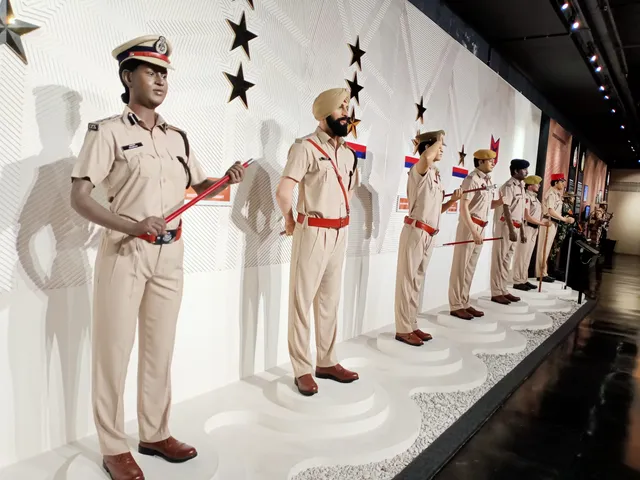
The museum's collection is extensive and thoughtfully curated, covering various periods and aspects of Indian history. From the ancient civilizations of the Indus Valley to the Mughal Empire, and from the freedom struggle to the present day, the exhibits offer a comprehensive overview of India's past. The artifacts on display, ranging from intricate sculptures to historical documents, provide a tangible connection to the events and people that shaped the nation.
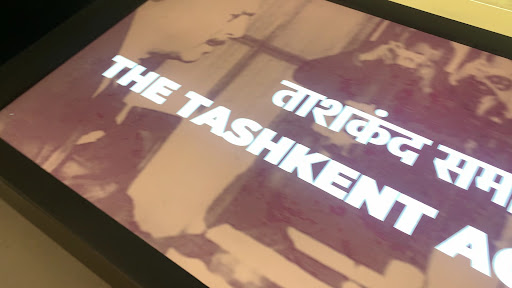
What sets Pradhanmantri Sangrahalay apart is its innovative use of technology to enhance the visitor experience. Interactive touchscreens, audio guides, and multimedia presentations offer engaging and informative narratives, making the exhibits come alive. The museum succeeds in striking a balance between traditional displays and modern storytelling techniques, ensuring that visitors of all ages and backgrounds can fully appreciate the historical significance.
The museum also excels in its attention to educational aspects. The exhibits are accompanied by detailed descriptions and contextual information, enabling visitors to delve deeper into the subject matter. Additionally, the museum hosts regular workshops, lectures, and interactive sessions, further enriching the learning experience and promoting a greater understanding of India's history and cultural heritage.
One aspect that could be improved is the availability of more interactive and hands-on exhibits. While the touchscreens and audio guides provide a digital experience, incorporating interactive elements like replicas or models could further enhance the visitor's engagement. Additionally, it would be beneficial to have guided tours or knowledgeable staff members available to answer questions and provide additional insights.
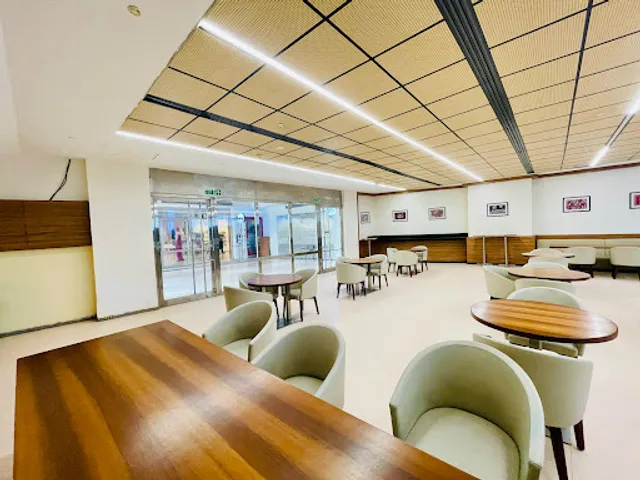
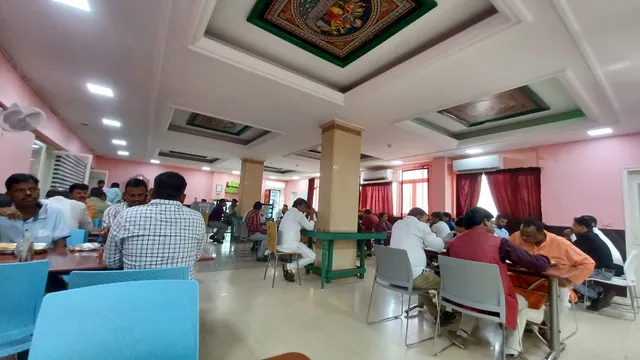
The Pradhanmantri Sangrahalay also boasts well-maintained facilities, including clean restrooms and a cafeteria offering a variety of refreshments. The museum's accessibility for people with disabilities is commendable, with ramps, elevators, and clear signage throughout the premises.
In conclusion, the Pradhanmantri Sangrahalay in Delhi is a treasure trove of Indian history, offering an enriching and visually stunning experience. Its extensive collection, innovative use of technology, and educational focus make it a must-visit for history enthusiasts and curious visitors alike. With a few enhancements to the interactive elements and the availability of knowledgeable staff, it has the potential to become an even more immersive and engaging cultural...
Read morePradhanmantri Sangrahalaya is a remarkable museum that offers a captivating journey through India's rich history and its diverse cultural heritage. During my recent visit, I was thoroughly impressed by several key aspects that make this museum an absolute must-visit for history enthusiasts and curious travelers alike.
Extensive Collection: The museum boasts an extensive collection of artifacts, documents, and multimedia exhibits, showcasing India's history from ancient times to the present day. From archaeological finds to historical relics, each exhibit provides a deep insight into the country's past, allowing visitors to appreciate the nation's cultural tapestry.
Well-curated Exhibits: The exhibits are thoughtfully curated, presenting a chronological and thematic narrative that is easy to follow and understand. The displays are accompanied by informative descriptions, interactive displays, and audio-visual presentations, making the learning experience engaging and immersive.
Focus on Regional Diversity: Pradhanmantri Sangrahalaya celebrates the diverse cultural heritage of India by showcasing artifacts and narratives from different regions of the country. This approach provides visitors with a holistic understanding of India's vast and varied traditions, languages, art forms, and historical events.
Technological Integration: The museum integrates technology seamlessly to enhance the visitor experience. Interactive touch screens, virtual reality installations, and multimedia presentations bring historical events to life, allowing visitors to engage with the exhibits in a unique and interactive way.
Education and Research: Pradhanmantri Sangrahalaya serves as a hub for education and research, fostering a deeper understanding of India's history and culture. The museum conducts workshops, lectures, and seminars, attracting scholars, students, and researchers to delve into various aspects of India's past and promote further exploration.
Architectural Splendor: The museum itself is a work of art. The architectural design combines modern aesthetics with traditional elements, creating a visually stunning space that complements the exhibits. The layout is well-planned, with spacious galleries and comfortable seating areas, ensuring a pleasant and enriching visit.
Visitor Amenities: Pradhanmantri Sangrahalaya offers a range of amenities to enhance the visitor experience. These include guided tours, audio guides in multiple languages, a well-stocked bookstore, and a cafeteria serving delicious local cuisine, allowing visitors to relax and rejuvenate during their visit.
Overall, Pradhanmantri Sangrahalaya is a treasure trove of India's history and culture, providing an engaging, educational, and visually captivating experience. Whether you are a history enthusiast, a student, or simply curious about India's heritage, this museum is a must-visit destination that will leave you with a deeper appreciation for the country's rich past and its contributions...
Read morePlease Read If you are planning your visit .. Yesterday i visited the Pradhanmantri Sangrahalaya (formerly Nehru Museum and Library). The premises are quite large and house two buildings—one of which originally showcased Nehru ji’s belongings and legacy but has now been redesigned to include exhibits on the Constitution and other themes.
Cons/ Important Things To know--
•No food shops or stalls anywhere around the museum—not even a single option outside also.
•Floors are quite slippery—need better maintenance. Be careful.
•After exploring the museum i felt exhausted and dizzy because the hallways are designed spirally. My blood pressure dropped, and I went to the café around 6:05 PM hoping to get a cup of tea or coffee to feel better. But what happened next was truly disappointing.
• Cafeteria: Rigid Timing & No Empathy Even though the kitchen was still operational, the café staff rudely refused to serve anything, not even a basic cup of tea. I was already feeling unwell, and instead of being met with basic courtesy or understanding, I was dismissed coldly by saying "Exact 6baje cafe band ho jata hai".
There should at least be a system to serve visitors who come in directly after finishing their museum tour. After walking for hours, it’s natural to feel tired or hungry.
Bhookh toh kabhi bhi kisi ko bhi lag sakti hai — hunger (or weakness) doesn’t work on a fixed clock. This kind of minute-to-minute restriction in food service is deeply insensitive, especially in a national museum where people of all ages and health conditions visit. What’s worse is that a light and sound show happens around 7:30 PM, so visitors are still on campus long after 6 PM. Closing the cafeteria so rigidly at 6 PM makes no practical or humane sense.
• Bag Policy: Inflexible & Thoughtless Visitors are not allowed to carry backpacks inside the museum, even if they contain essential items like medicines. I had my medical supplies in my bag, but was still forced to deposit it. In today’s post-COVID world, many people have ongoing health concerns and need access to personal essentials. If a bag has cleared the security scanner, it should be allowed inside. Blanket bans without individual consideration reflect poor planning.
• Videography Ban: Outdated & Impractical Videography is not allowed inside, which feels completely outdated in 2025. Most people are already clicking photos and short clips.
Overall visitor experience is let down by poor hospitality, insensitive rules, and an uncaring attitude from staff. Public spaces like this should operate with compassion, flexibility, and a sense of responsibility toward the diverse needs of people—especially health-related ones.
I hope the authorities take this feedback seriously and make improvements that reflect modern sensibility and...
Read more