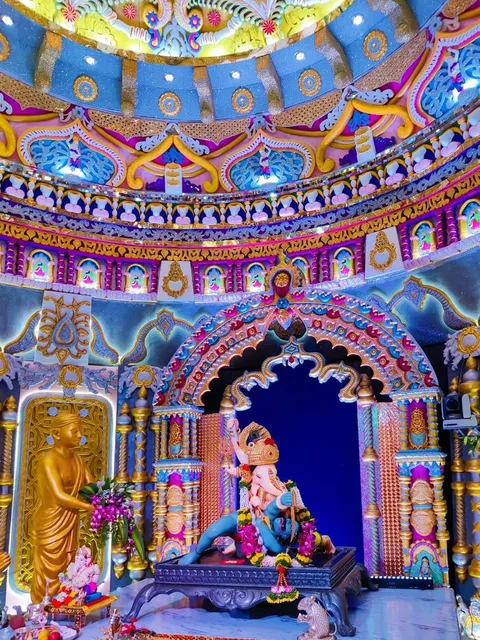
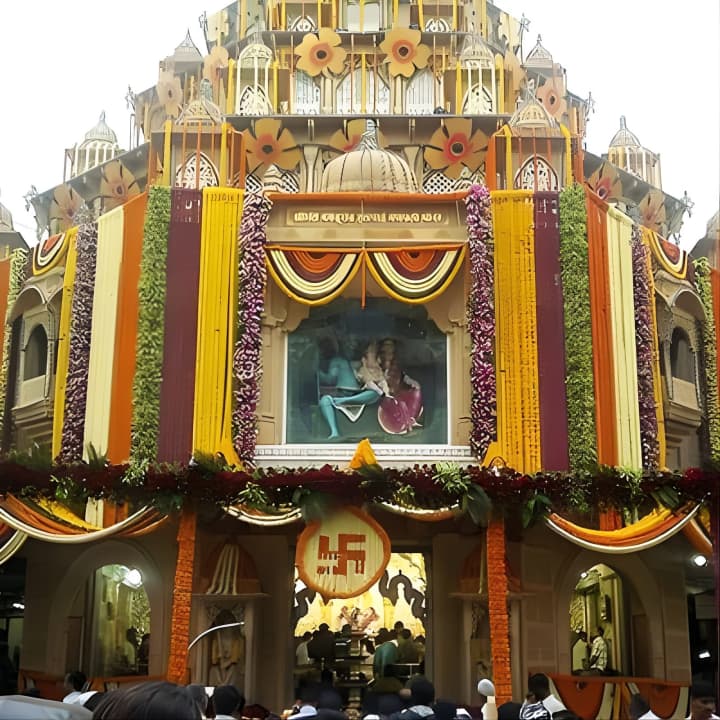
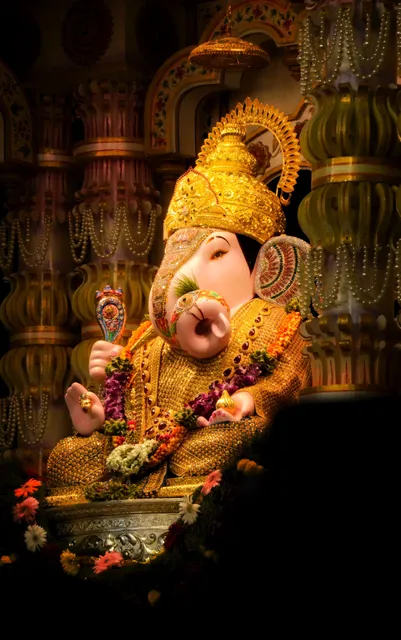
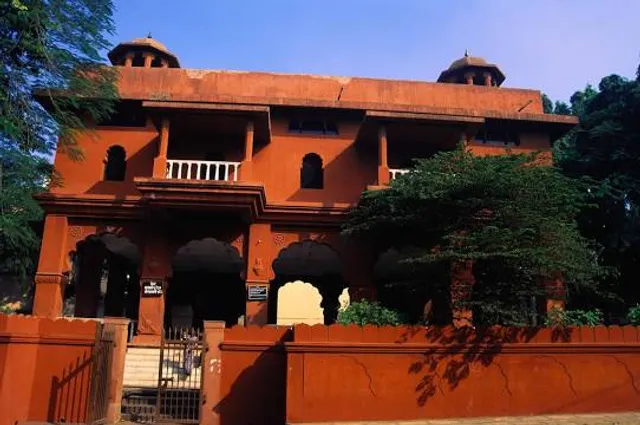
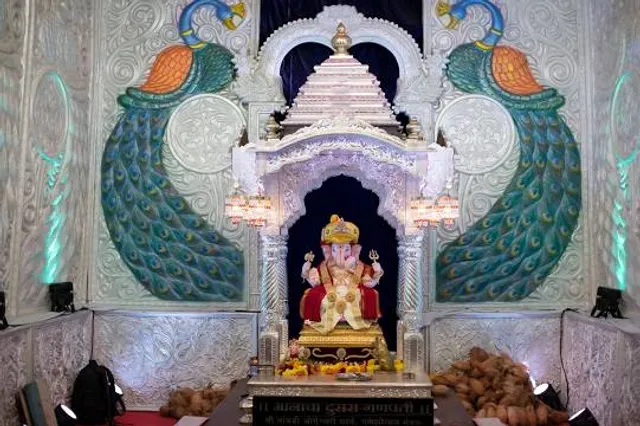
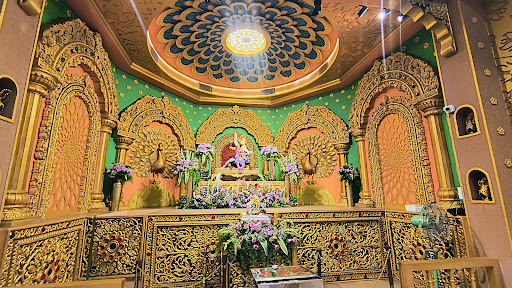
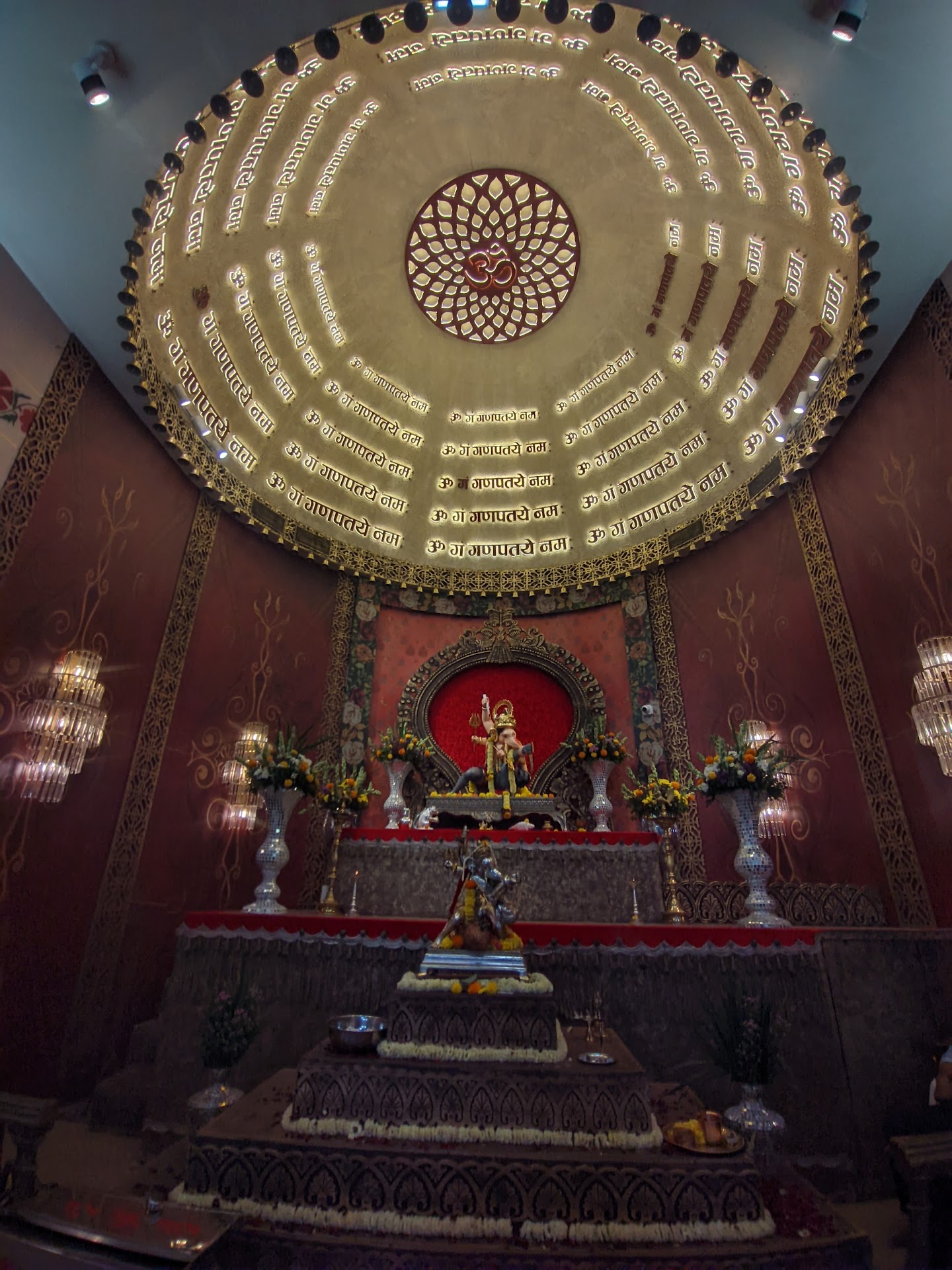
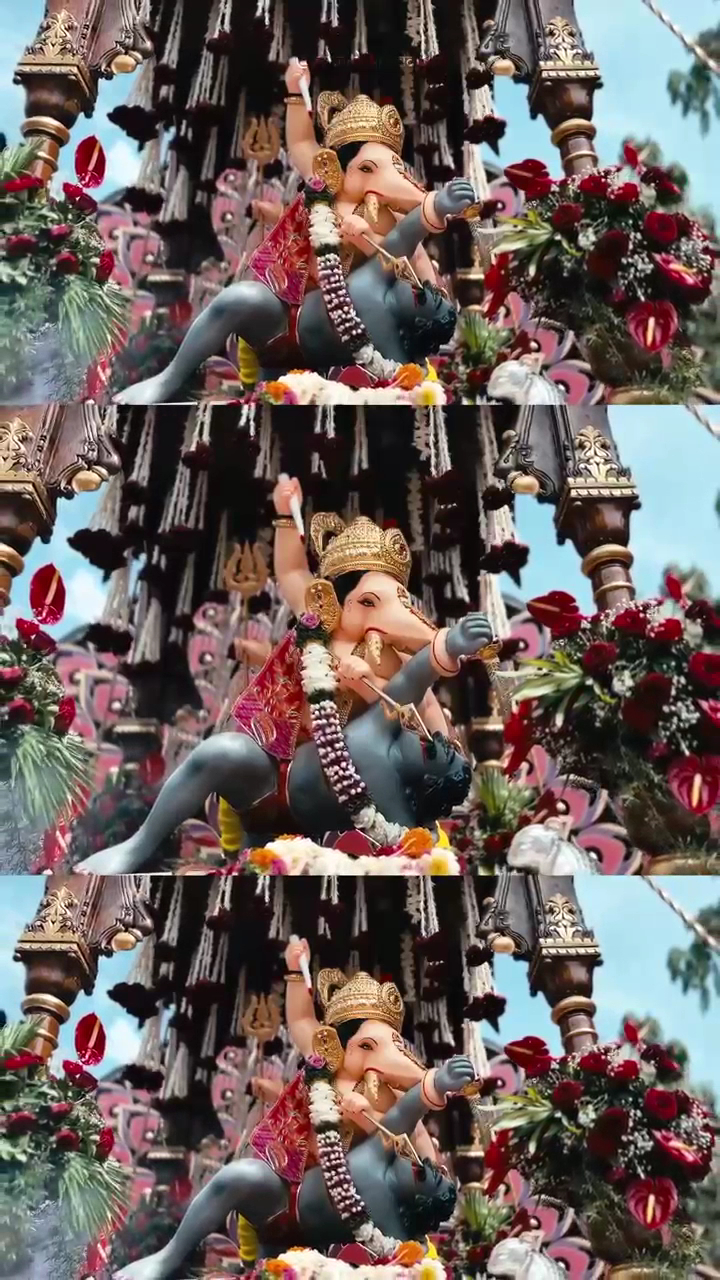
The Shrimant Bhausaheb Rangari Ganpati is not just a Ganesh Mandal (festival association); it is a monumental landmark in the history of India's freedom struggle and a symbol of social awakening. Located in the bustling Budhwar Peth area of Pune, this idol holds a unique and revered position as the first-ever 'Sarvajanik' (Public) Ganeshotsav in the country. I. Historical and National Significance (The Origin Story) The primary reason for its importance is its revolutionary history: The Pioneer of Public Ganeshotsav (1892): The festival, previously a private family affair, was transformed into a public celebration by Shrimant Bhausaheb Laxman Jawale, a royal physician and an active freedom fighter (popularly known as Bhausaheb Rangari due to his family's association with the 'Rangari' or dyeing profession). A Tool for the Freedom Struggle: In the late 19th century, the British banned political gatherings. Bhausaheb Rangari brilliantly used the religious festival of Ganeshotsav as a non-political platform to bring people of different castes and communities together. This collective strength and unity were essential for cultivating patriotic fervor and revolutionary ideas against the colonial regime. The Tilak Connection: While Bhausaheb Rangari laid the foundation in 1892, his efforts were famously endorsed and amplified by Lokmanya Bal Gangadhar Tilak in his newspaper, Kesari, in 1893. Tilak then took the concept nationwide, expanding the Sarvajanik Ganeshotsav into the powerful mass movement it is known as today. II. The Unique Ganpati Idol The idol itself is an extraordinary representation of its revolutionary purpose: Fierce and Symbolic Posture: Unlike the serene, modak-loving image of Lord Ganesha, this idol is depicted in a dynamic, fierce posture, actively slaying a demon. This powerful imagery was a clear and deliberate message to the populace: the demon symbolized the oppressive British colonial rule, and the Ganpati represented the collective power of the Indian people to achieve freedom (victory of good over evil). The Original Idol (Wood and Bran): The original, iconic idol, made of wood and bran (sawdust), has been preserved and is worshipped since 1892. This unbroken tradition and the originality of the murti (idol) add immense historical depth to the darshan experience. III. The Festival Experience (Ganeshotsav) During the ten days of Ganesh Chaturthi, the Mandap and the surrounding area near Budhwar Chowk become a vibrant hub of tradition and spirituality: Focus on Tradition over Pomp: The Mandal is traditionally known for maintaining the integrity of its revolutionary and social heritage. They focus on social and cultural activities rather than excessive commercialisation or gaudiness. Mardani Khel (Martial Arts): The immersion (Visarjan) procession is often distinguished by the performance of Mardani Khel (traditional Maharashtrian martial arts) by its workers, showcasing the valour and strength that the original festival sought to inspire. Preservation of the Legacy: The trust and the mandal's workers often conduct social welfare activities throughout the year and, importantly, use the festival to educate the public about the historical significance of the Wada (Bhausaheb Rangari's residence) and the freedom struggle. IV. Visitor Review and Recommendation The Shrimant Bhausaheb Rangari Ganpati is more than a religious site; it is a living monument of the Indian independence movement. A visit here during Ganeshotsav offers a unique and profound experience, allowing the devotee to witness not just devotion to Lord Ganesha, but a powerful act of revolutionary patriotism. For tourists and locals alike, this mandal serves as a powerful reminder of Pune's pivotal role in Indian history and a must-see for understanding the true, original spirit of the public Ganesh festival. It provides a stark contrast to modern celebrations, highlighting the festival's deep-rooted purpose of social unity and...
Read moreShrimant Bhausaheb Rangari Ganapati is a Ganesha idol in Pune.One of first 5 Ganesha from Pune. (मानाचे ५ गणपती). It was the first Sarvajanik Ganesha (community celebration of the Ganesha festival) of India. Shrimant Bhausaheb Rangari did the emplacement of this Ganesha's idol in 1892. The idol depicts Ganesha killing the demon. This is unique and different idol, it is made by wood and bran. The idol is not changed since the day it was emplaced. Bhausaheb was actively involved in revolutionary movement before independence. So, his dream of freedom is depicted in this Ganesha idol which shows the victory of good over evil.
The idol depicts Ganesha killing the demon. This is unique and different idol.The idol is not changed since the day it was emplaced.Bhausaheb was actively involved in revolutionary movement before independence.
The three-foot-tall idol of Bhau Rangari Ganpati is installed in the temple situated in Budhwar Peth. The idol was made with paper pulp 129 years ago and is painted every year. It signified Lord Ganesha killing a demon – the Britishers – when the 10-day long public festival was started to bring together all revolutionaries participating in the independence struggle. The mandal has not sought vargani from the residents so far.
Opening hours:
Sunday:- 8 AM–9 PM Monday:-8 AM–9 PM Tuesday:-8...
Read moreइ.स. १८५७ रोजी झालेल्या उठावाने ब्रिटिश साम्राज्याविरुद्ध पहिल्यांदा सशस्त्र क्रांतीची मशाल पेटवली आणि आपल्या भारत वर्षाच्या स्वातंत्र्य समराची सुरवात झाली. १८ व्या शतकाच्या उत्तरार्धात पुण्यात भारतमातेच्या स्वातंत्र्याचे स्वप्न उराशी बाळगून इंग्रजांविरोधात दोन हात करण्यासाठी सुसज्ज असे एक अग्रगण्य व्यक्तिमत्व कार्यरत होत, ते म्हणजे #श्रीमंतभाऊसाहेबरंगारी उर्फ भाऊ लक्ष्मण जावळे. #श्रीमंतभाऊसाहेबरंगारी म्हणजे पुण्यातील एक प्रसिद्ध अग्रगण्य व्यक्तिमत्व. ते राजवैद्य होते. राहत्या घरी त्यांचा धर्मार्थ दवाखाना होता. भाऊसाहेब स्वतः अध्यात्मवादी विचारांचे होते. त्यांचा धार्मिक विषयांचादेखील गाढा अभ्यास होता. त्यांचा राहता वाडा म्हणजे शनिवार वाड्याचा पिछाडीचा भाग. या परिसरामध्ये शालू विणण्याचे आणि शालू रंगविण्याचे काम चालायचे म्हणून त्याला #शालूकरांचा_बोळ म्हणत. भाऊसाहेबांचा शालू रंगवण्याचा व्यवसाय होता, या त्यांच्या व्यवसायावरून त्यांना #रंगारी हे आडनाव रूढ झाले. इ.स. १८९२ च्या सुरवातीला भाऊसाहेबांचे स्नेही सरदार कृष्णाजी काशिनाथ उर्फ नानासाहेब खासगीवाले ग्वाल्हेरला गेले होते. तेथे त्यांनी तेथील संस्थानिक दरबारामध्ये सर्व प्रजेला बरोबर घेऊन गणेशोत्सव साजरा होत असलेला त्यांनी बघितला व पुण्यात परत आल्यावर त्यांनी भाऊसाहेबांशी या विषयावर चर्चा केली. या चर्चेमधून भाऊसाहेबांच्या मनामध्ये सार्वजनिक गणेशोत्सवाची कल्पना मूर्त स्वरूप धारण करू लागली. भाऊसाहेबांनी आपल्या राहत्या वाड्यात आपल्या सहकाऱ्यांची बैठक बोलावली. या बैठकीस महर्षी अण्णासाहेब पटवर्धन, बाळासाहेब नातू, गणपतराव घोटावडेकर, लखूशेठ दंताळे, बळवंत नारायण सातव, खंडोबा तरवडे, मामा हसबनीस, दगडूशेठ हलवाई आणि नानासाहेब पटवर्धन इत्यादी तत्कालीन मान्यवर व्यक्ती या बैठकीस उपस्थित होत्या. इ.स. १८९२ मध्ये भाऊसाहेबांच्या नेतृत्वाखाली पुण्यात एकूण ३ गणपती बसविण्यात आले; #श्रीमंतभाऊसाहेबरंगारीगणपती, #गणपतरावघोटावडेकरगणपती, आणि #नानासाहेबखासगीवाले_गणपती. या ३ गणपतींची १० दिवसांच्या उत्सवानंतर अनंत चतृदशी दिवशी मिरवणूक काढण्यात आली. अशा प्रकारे उत्सवाच्या माध्यमातून संपूर्ण समाज एकत्र करून समाजाला विधायक दिशा देण्याचं महत्वाचं राष्ट्रकार्य भाऊसाहेब रंगारी यांनी यथोचित पार पाडलं. भाऊसाहेब रंगारी यांच्या या नव्या अध्यायामुळे आपल्या वैभवशाली संस्कृतीच्या रांगड्या मातीत सार्वजनिक उत्सवाचं रोपटं रुजवण्यात भाऊसाहेबांना यश आलं. समाज गणेश उत्सवाच्या माध्यमातून एकत्र आला आणि ब्रिटिश साम्राज्यविरोधात एकत्रित समाजाची नवी ताकद जोमाने उभी राहिली. भक्तीचं शक्तीशी नातं सांगणाऱ्या आपल्या पवित्र मातीत क्रांतीचा ध्वज सार्वजनिक गणेशोत्सवाच्या माध्यमातून आसमंतात दौलाने फडकू लागला आणि केवळ पुण्यातच नव्हे तर देशभरातील स्वातंत्र्य चळवळीला नवी दिशा मिळाली. पुढच्या वर्षी या सार्वजनिक उत्सवाचे स्वरूप वाढत गेले. क्रांतीचे लोकशिक्षण या उत्सवाच्या माध्यमातून समाजापर्यंत पोहोचविण्यात भाऊसाहेब यशस्वी झाले होते. सार्वजनिक उत्सवाचा हा नवा पायंडा लोकमान्य टिळकांना खूप पसंत पडला आणि या उत्सवासंदर्भात त्यांनी केसरी या आपल्या वृत्तपत्रामध्ये मंगळवार दि. २६/९/१८९३ रोजी स्फुट लेखन करून भाऊसाहेबांबद्दल गौरवोद्गार काढले. या उत्सवातून प्रेरित होऊन लोकमान्य टिळकांनी स्वतः इ.स. १८९४ साली आपला गणपती #सरदारविंचूरकरवाड्यात बसविला. जिथे गणपती बसतो तिथे शेजारीच #भाऊसाहेबरंगारीभवन नावाचा दुमजली वाडा आहे. तो इ.स. १८६७ साली बांधला गेला.राक्षसावर प्रहार करणारी मंडळाची गणेशाची मूर्ती प्रतीकात्मक संदेश देणारी आहे. पारतंत्र्यातील समाजाला तत्कालीन राजसत्तेविरुद्ध लढा देणारी प्रेरणादायी मूर्ती बनविण्यात आली. मंडळाची मूर्ती कागदाच्या लगद्यापासून व इतर पर्यावरणपूरक गोष्टी वापरून तयार करण्यात आली. हा गणपती चतुर्भुज म्हणजेच चार हातांचा आहे. या गणपतीने राक्षसाचा एक हात सोंडेत पकडला आहे. ३ हातात शस्त्रास्त्रे आहेत. पैकी एका हातात गणपतीने आपला मोडलेला दात आयुध म्हणून हातात धरून ठेवला आहे. एक हाताने राक्षसाचे केस पकडले आहेत. एखाद्या कसलेल्या मल्लाप्रमाणे ही गणेशमूर्ती भासते. स्थापनेपासून आजतागायत मूर्ती बदलण्यात आली नाही. श्रींच्या सागवानी लाकडी रथही तेवढाच जुना आहे. #भाऊसाहेबरंगारीभवन या वाड्याची डागडुजी करून तिथे एक कायमस्वरूपी प्रदर्शन मांडण्यात आले आहे. भाऊ रंगारीच्या गणेशोत्सवाची माहिती व जुनी छायाचित्रं तिथे पाहायला मिळतात. तसेच वाड्यातील जुन्या खोल्या, गुप्त बैठकांच्या खोल्या, तळघर, भुयार या जगही बघता येतात. दुसऱ्या मजल्यावर जुन्या काळातील शस्त्रसाठा बघायला मिळतो. ठासणीच्या बंदुका, पिस्तुले, गोळ्या अशी अनेक ब्रिटिशकालीन शस्त्रास्त्रे...
Read more