Jagdish Temple things to do, attractions, restaurants, events info and trip planning
Basic Info
Jagdish Temple
Old City, Udaipur, Rajasthan 313001, India
4.7(32)
Open 24 hours
Save
spot
spot
Ratings & Description
Info
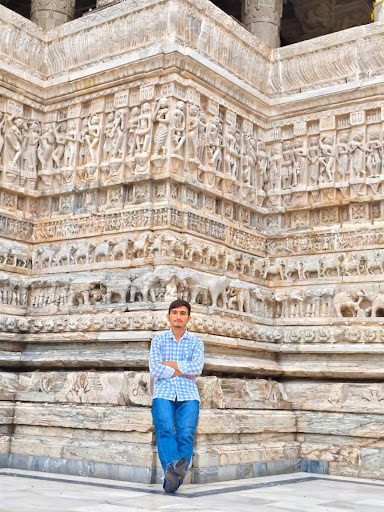
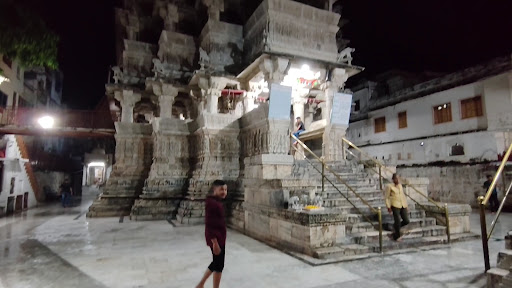
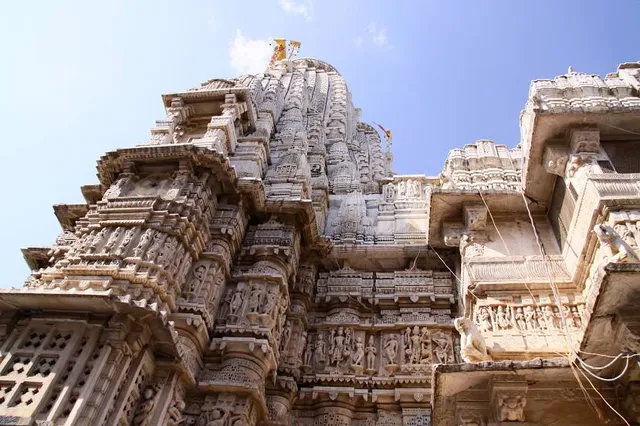
Jagdish Temple is a large Hindu temple in the middle of Udaipur in Rajasthan, just outside the royal palace. It has been in continuous worship since 1651. A big tourist attraction, the temple was originally called the temple of Jagannath Rai but is now called Jagdish-ji. It is a major monument in Udaipur.
Cultural
Family friendly
attractions: Gangour Ghat, Bagore Ki Haveli, City Palace, Ashoka Arts – Handicraft | Miniature Painting | Art classes in Udaipur | Best Pichwai paintings, Ambrai Ghat, Badi Pol, City Palace Udaipur, Hanuman Ghat Temple, Government Museum Udaipur, Mor Chowk, restaurants: Millets Of Mewar Restaurant, Sun N Moon Cafe & Restaurant, Marwadi Bhojanalaya The Royal Taste Of Marwar, Millets Of Mewar - Best Vegetarian Restaurant in Udaipur, Neelam Restaurant, Charcoal By Carlsson, Cafe Boho, Namaste Cafe & Restaurant - Best Indian Food Restaurant in Udaipur, Old legacy cafe, The Village Cafe & Restaurant, local businesses: Bharkadevi Ice-cream Parlour, Rang Niwas Misthan, Zenana Mahal, Lok Dharohar [Folk Dance Show], Rang Sagar, Lake Pichola, HMHH+PG6 Naga Nagri
 Learn more insights from Wanderboat AI.
Plan your stay

Pet-friendly Hotels in Rajasthan
Find a cozy hotel nearby and make it a full experience.

Affordable Hotels in Rajasthan
Find a cozy hotel nearby and make it a full experience.

The Coolest Hotels You Haven't Heard Of (Yet)
Find a cozy hotel nearby and make it a full experience.

Trending Stays Worth the Hype in Rajasthan
Find a cozy hotel nearby and make it a full experience.
Reviews
Live events
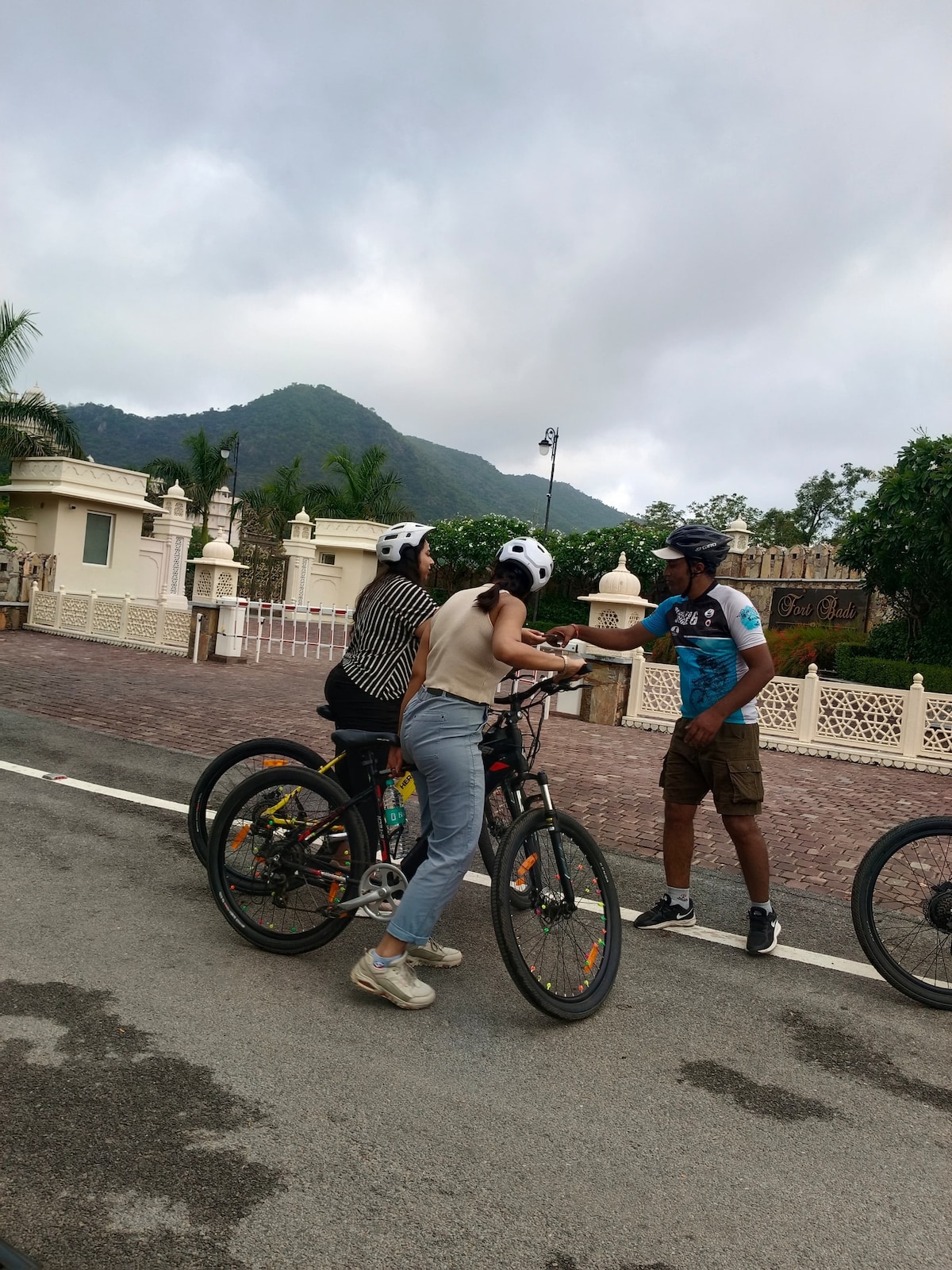
Udaipur countryside Bike Tour (E-bike optional)
Wed, Feb 25 • 12:00 AM
ambamata temple Udaipur, Rajasthan, 313001, India
View details
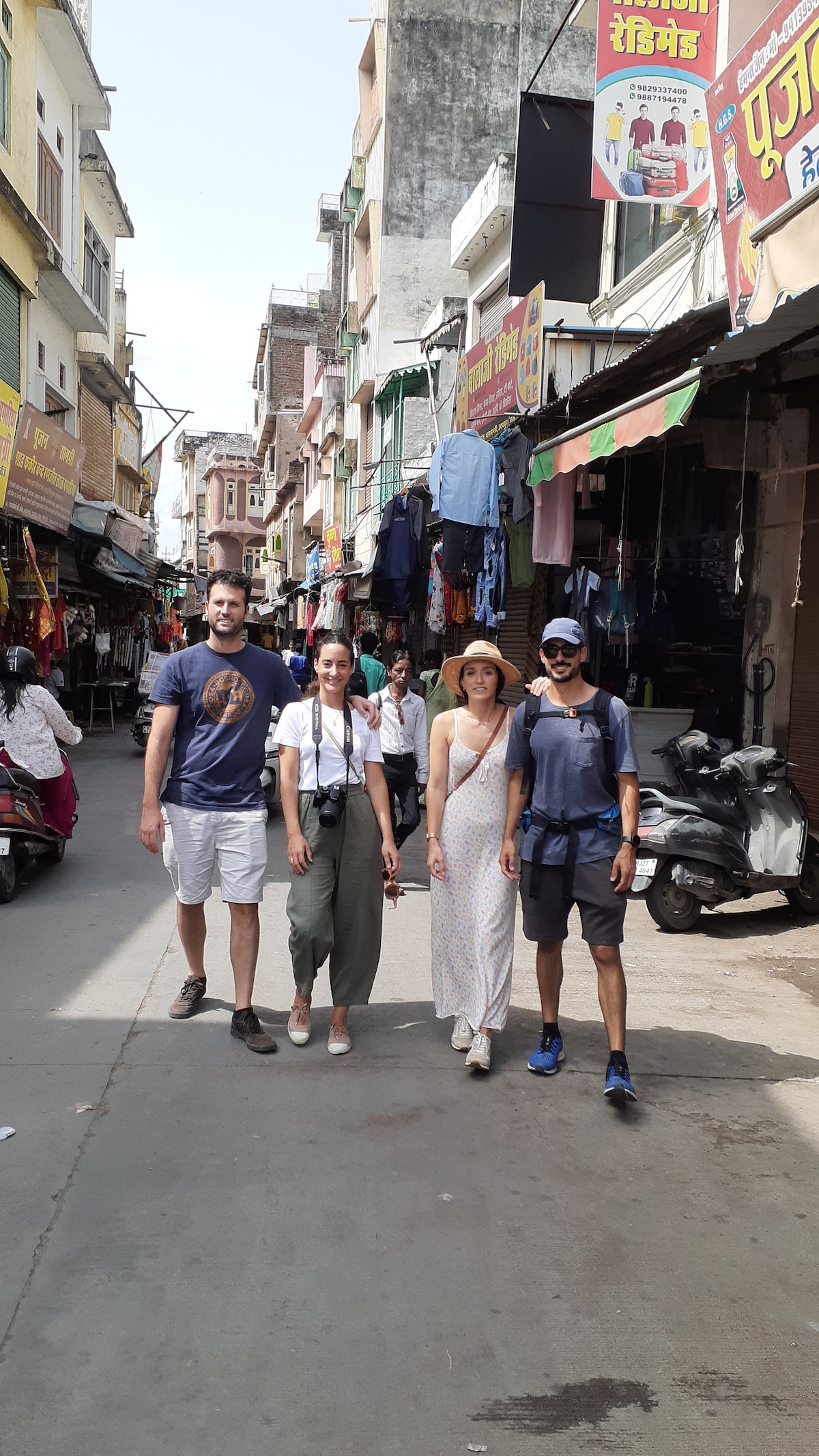
Authentic Experience of Old City & Local life
Sat, Feb 21 • 10:00 AM
Udaipur, Rajasthan, 313001, India
View details
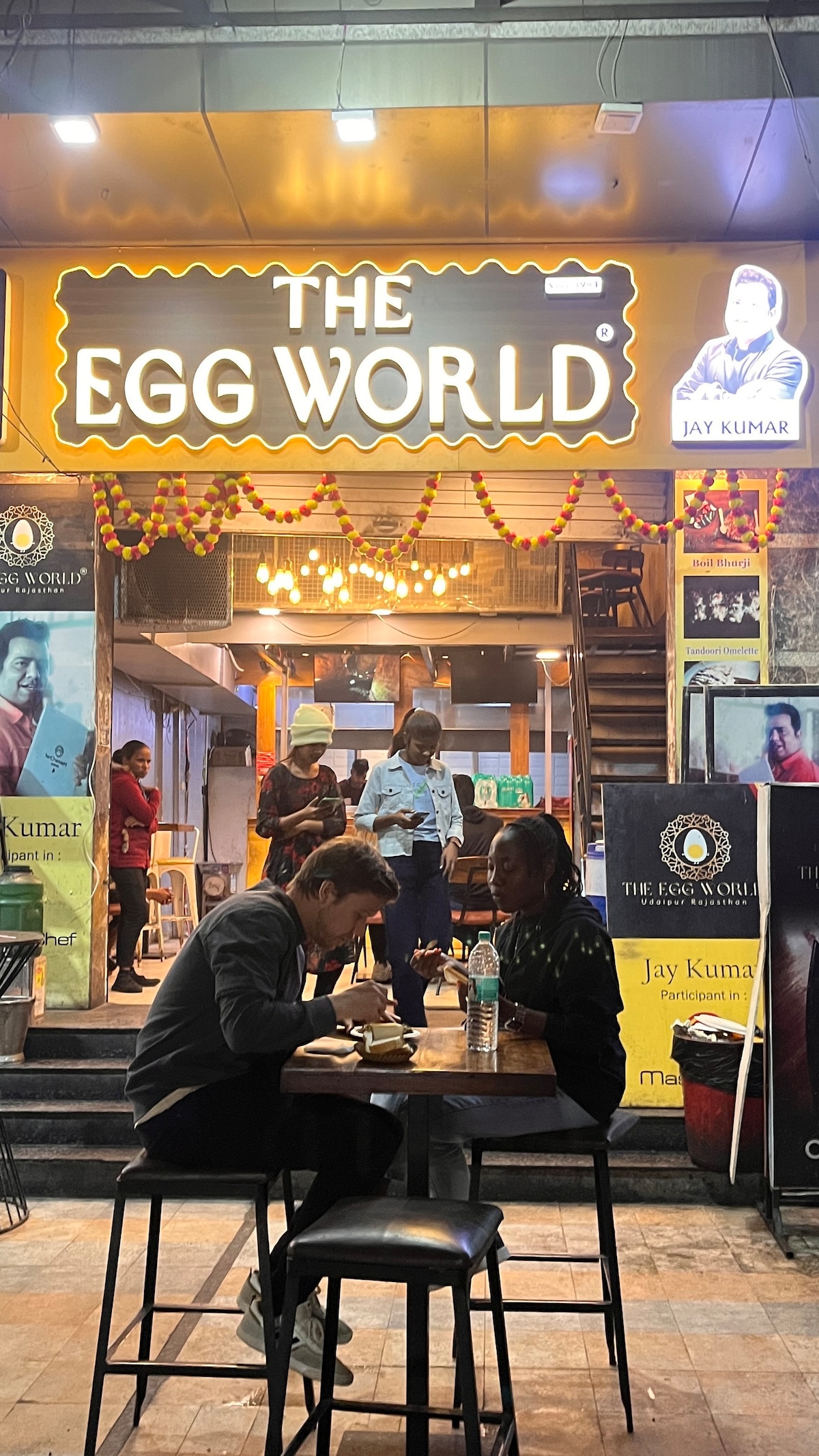
Explore street food of india and udaipur
Fri, Feb 20 • 6:00 PM
Hawala Kalan, Rajasthan, 313001, India
View details
Nearby attractions of Jagdish Temple
Gangour Ghat
Bagore Ki Haveli
City Palace
Ashoka Arts – Handicraft | Miniature Painting | Art classes in Udaipur | Best Pichwai paintings
Ambrai Ghat
Badi Pol
City Palace Udaipur
Hanuman Ghat Temple
Government Museum Udaipur
Mor Chowk
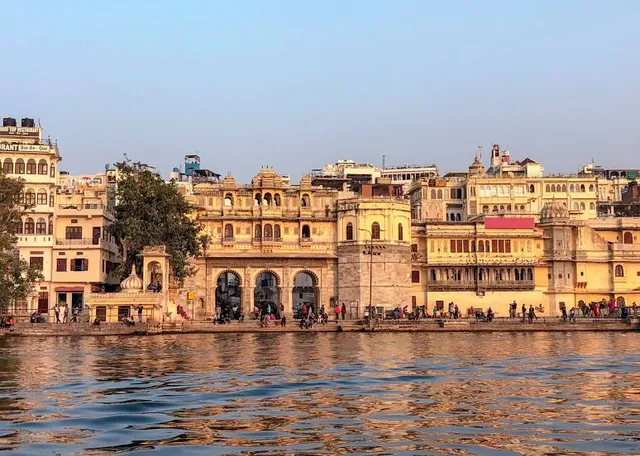
Gangour Ghat
4.6
(5.3K)
Open until 12:00 AM
Click for details
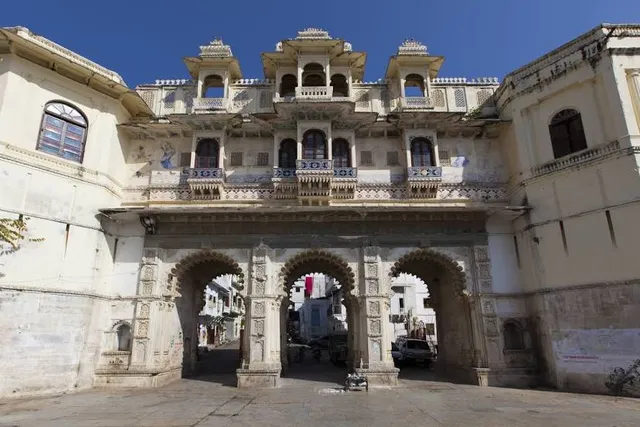
Bagore Ki Haveli
4.5
(2.2K)
Open until 5:00 PM
Click for details
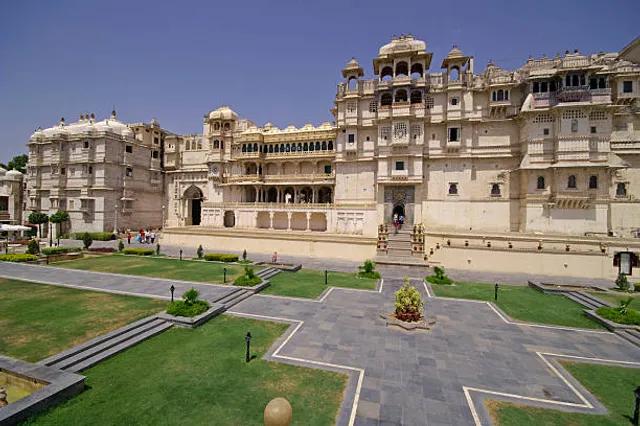
City Palace
4.5
(35.3K)
Open until 9:00 PM
Click for details
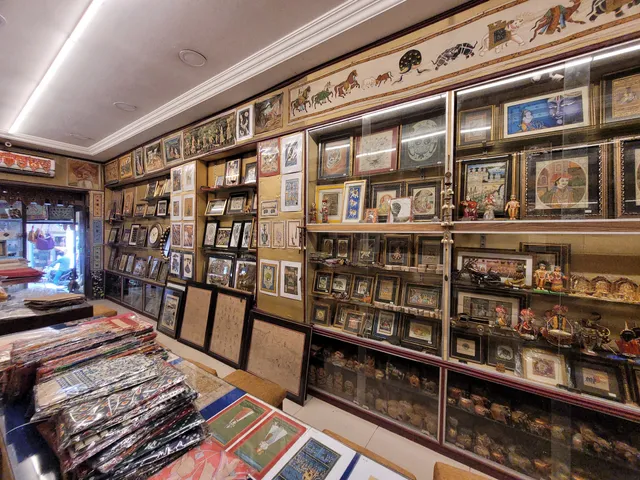
Ashoka Arts – Handicraft | Miniature Painting | Art classes in Udaipur | Best Pichwai paintings
4.9
(401)
Open until 9:30 PM
Click for details
Nearby restaurants of Jagdish Temple
Millets Of Mewar Restaurant
Sun N Moon Cafe & Restaurant
Marwadi Bhojanalaya The Royal Taste Of Marwar
Millets Of Mewar - Best Vegetarian Restaurant in Udaipur
Neelam Restaurant
Charcoal By Carlsson
Cafe Boho
Namaste Cafe & Restaurant - Best Indian Food Restaurant in Udaipur
Old legacy cafe
The Village Cafe & Restaurant
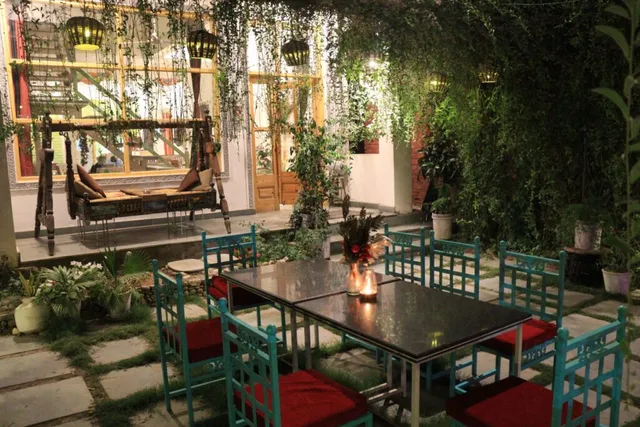
Millets Of Mewar Restaurant
4.6
(2.1K)
Open until 10:30 PM
Click for details
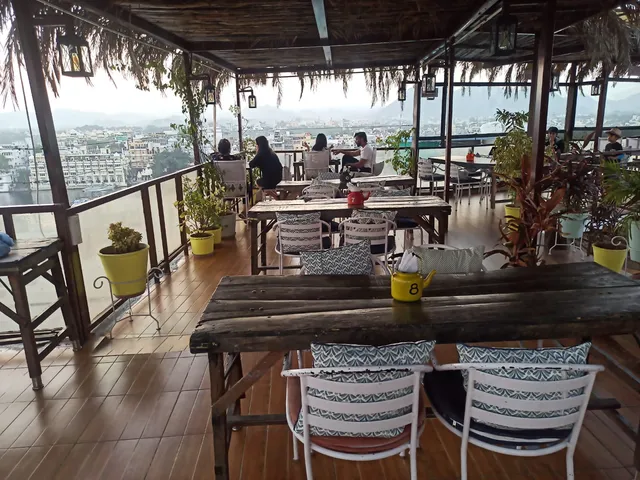
Sun N Moon Cafe & Restaurant
4.4
(2.1K)
Open until 11:30 PM
Click for details
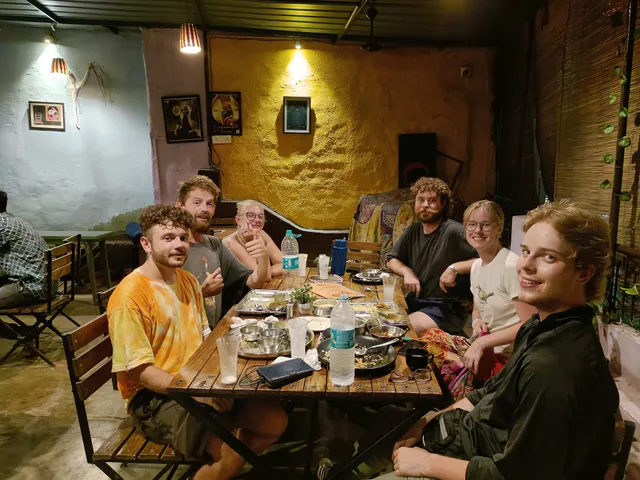
Marwadi Bhojanalaya The Royal Taste Of Marwar
4.5
(658)
Open until 11:00 PM
Click for details
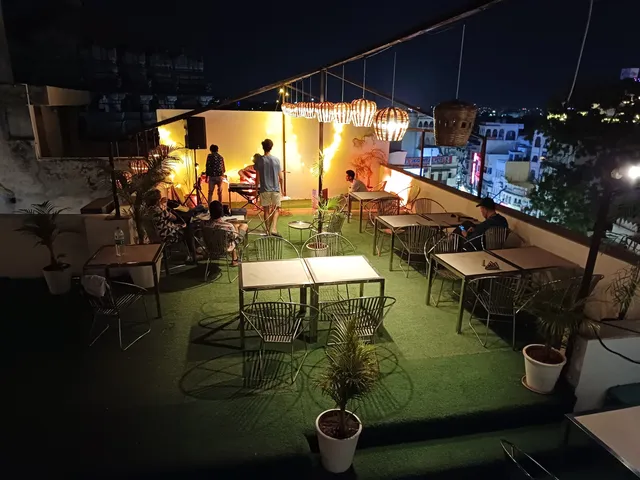
Millets Of Mewar - Best Vegetarian Restaurant in Udaipur
4.8
(513)
Open until 11:00 PM
Click for details
Nearby local services of Jagdish Temple
Bharkadevi Ice-cream Parlour
Rang Niwas Misthan
Zenana Mahal
Lok Dharohar [Folk Dance Show]
Rang Sagar
Lake Pichola
HMHH+PG6 Naga Nagri
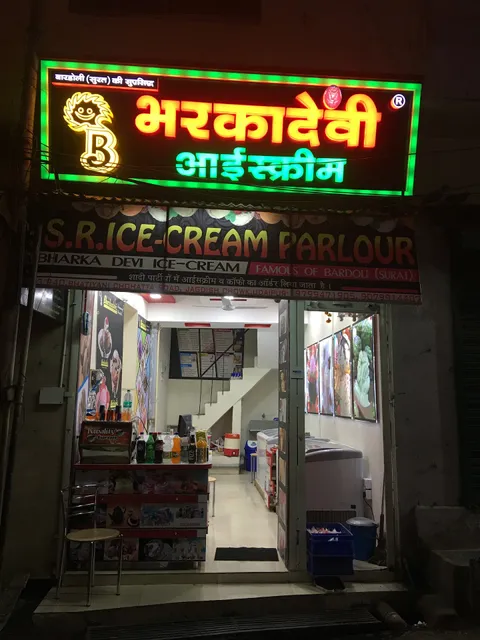
Bharkadevi Ice-cream Parlour
4.1
(24)
Click for details
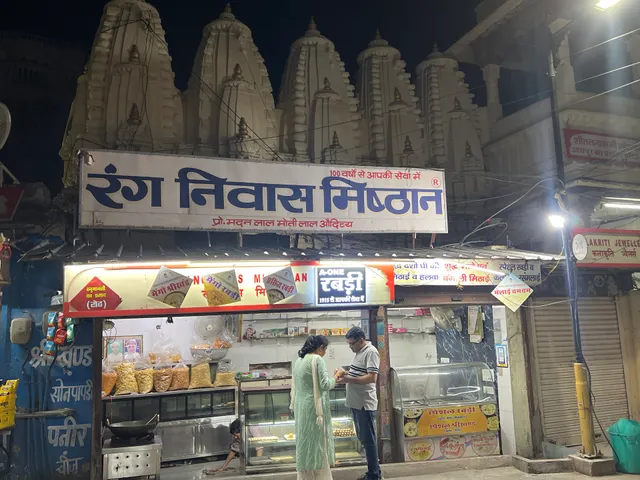
Rang Niwas Misthan
4.9
(163)
Click for details
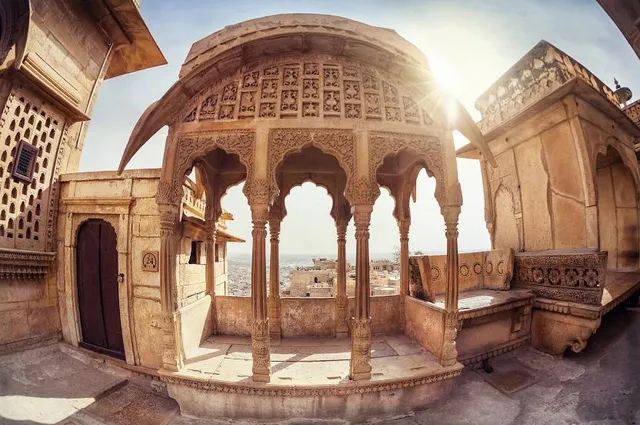
Zenana Mahal
4.3
(25)
Click for details
![Lok Dharohar [Folk Dance Show]](https://d2kihw5e8drjh5.cloudfront.net/eyJidWNrZXQiOiJ1dGEtaW1hZ2VzIiwia2V5IjoicGxhY2VfaW1nLzU2ODBlYTJlYjcwOTRjZjk4NTRjMzU1YzFjNGIxNTdkIiwiZWRpdHMiOnsicmVzaXplIjp7IndpZHRoIjo2NDAsImhlaWdodCI6NjQwLCJmaXQiOiJpbnNpZGUifSwicm90YXRlIjpudWxsLCJ0b0Zvcm1hdCI6ICJ3ZWJwIn19)
Lok Dharohar [Folk Dance Show]
4.9
(1.3K)
Click for details