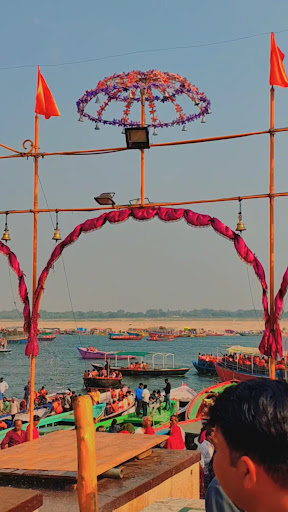
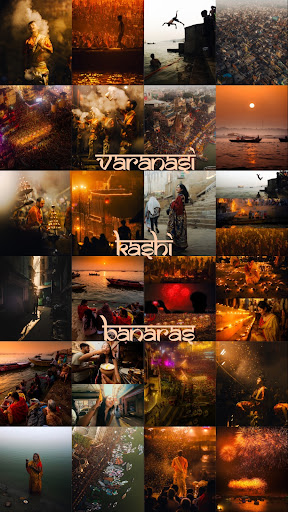
Ahilyabai Ghat things to do, attractions, restaurants, events info and trip planning
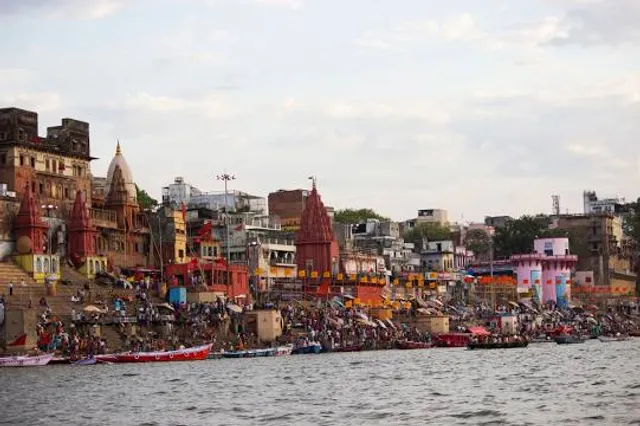
Basic Info
Ahilyabai Ghat
8246+C29, Dashashwamedh Ghat Rd, Ghats of Varanasi, Bangali Tola, Varanasi, Uttar Pradesh 221001, India
4.5(187)
Open until 12:00 AM
Save
spot
spot
Ratings & Description
Info
Cultural
Outdoor
Scenic
Family friendly
attractions: Dashashwamedh Ghat, Dr. Rajendra Prasad Ghat, Darbhanga Ghat, Munshi Ghat, Prayag Ghat, Man Singh Observatory, Jantar Mantar, Shri Kashi Vishwanath Temple, Chousatti Ghat, Man Mandir Ghat, restaurants: Aadha-Aadha Café, Jyoti Cafe, Bhaiya Ji Chai | Oldest Tea Shop In Varanasi, Baba Lassi, Sushi Cafe And Continental Restaurant, Mount Everest Cafe & Restaurant, Shree Cafe, Niyati Cafe, chulsu cafe, Anjani Cafe, local businesses: Shree Kashi Vishwanath Mahadev temple, Ganga ghat, Jalasen Ghat, Gauri Kedareshwar Mandir (Dwadash Jyotirling Kashi Khand)
 Learn more insights from Wanderboat AI.
Phone
+91 522 400 4402
Open hoursSee all hours
FriOpen 24 hoursOpen
Plan your stay

Pet-friendly Hotels in Uttar Pradesh
Find a cozy hotel nearby and make it a full experience.

Affordable Hotels in Uttar Pradesh
Find a cozy hotel nearby and make it a full experience.

The Coolest Hotels You Haven't Heard Of (Yet)
Find a cozy hotel nearby and make it a full experience.

Trending Stays Worth the Hype in Uttar Pradesh
Find a cozy hotel nearby and make it a full experience.
Reviews
Live events
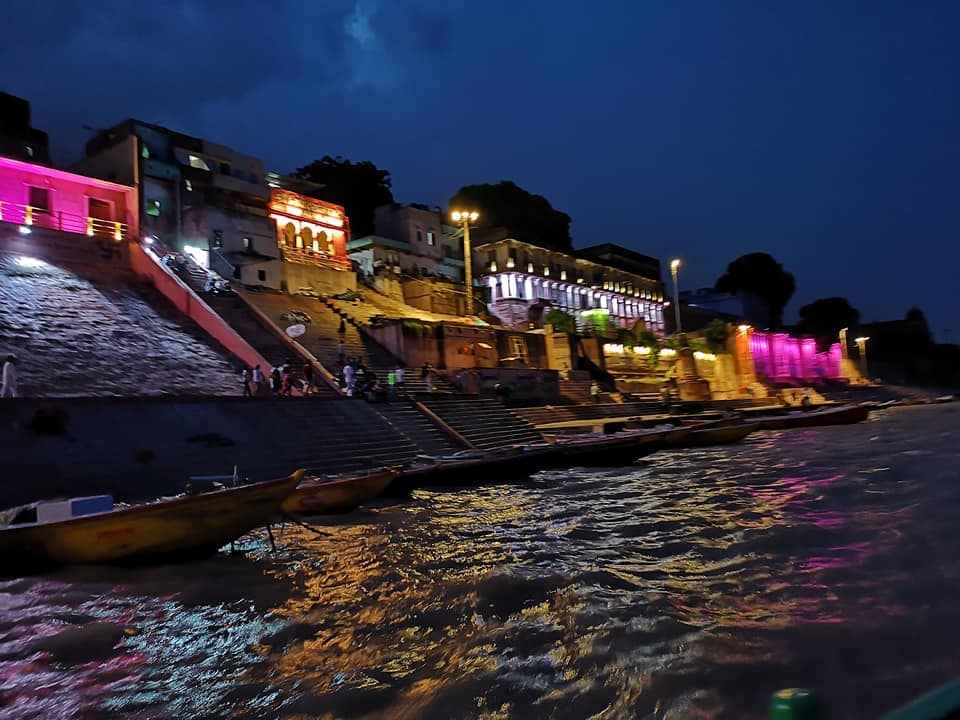
Evening Ganga Aarti, boat ride and walking tour
Fri, Feb 13 • 4:00 PM
Varanasi, Uttar Pradesh, 221001, India
View details
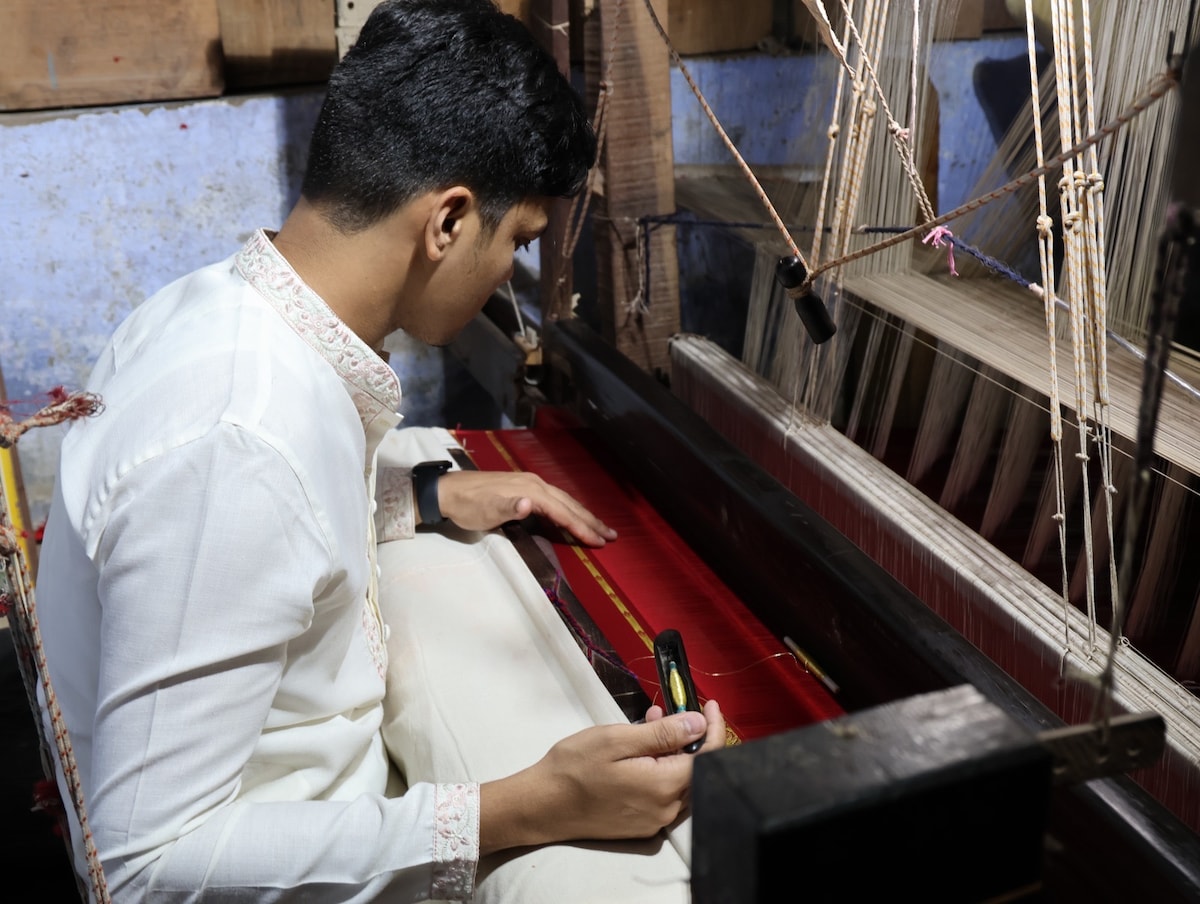
Art of Banarasi Sarees: Traditional Weaving Walk
Sat, Feb 14 • 1:00 AM
Varanasi, Uttar Pradesh, 221002, India
View details
Nearby attractions of Ahilyabai Ghat
Dashashwamedh Ghat
Dr. Rajendra Prasad Ghat
Darbhanga Ghat
Munshi Ghat
Prayag Ghat
Man Singh Observatory
Jantar Mantar
Shri Kashi Vishwanath Temple
Chousatti Ghat
Man Mandir Ghat

Dashashwamedh Ghat
4.6
(23.4K)
Open until 12:00 AM
Click for details
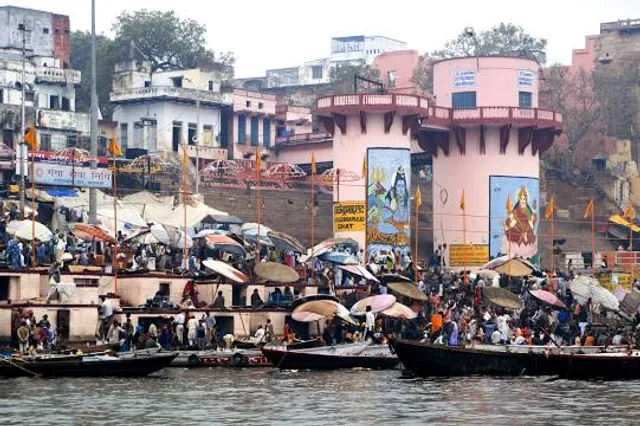
Dr. Rajendra Prasad Ghat
4.5
(703)
Open until 12:00 AM
Click for details
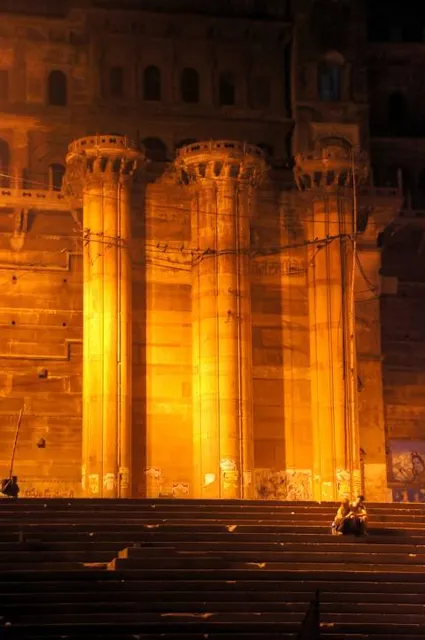
Darbhanga Ghat
4.6
(556)
Open until 12:00 AM
Click for details
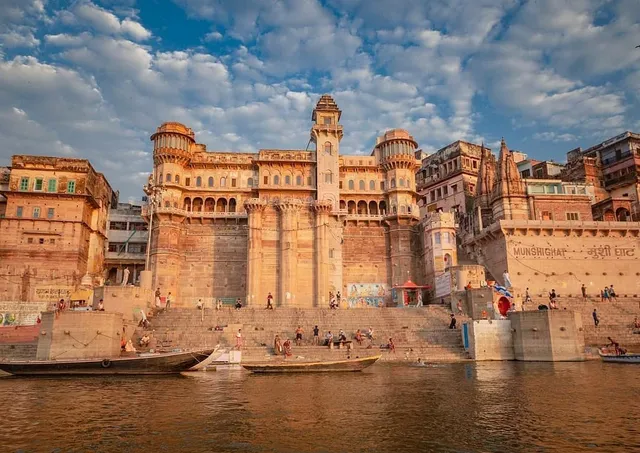
Munshi Ghat
4.4
(303)
Open until 12:00 AM
Click for details
Nearby restaurants of Ahilyabai Ghat
Aadha-Aadha Café
Jyoti Cafe
Bhaiya Ji Chai | Oldest Tea Shop In Varanasi
Baba Lassi
Sushi Cafe And Continental Restaurant
Mount Everest Cafe & Restaurant
Shree Cafe
Niyati Cafe
chulsu cafe
Anjani Cafe
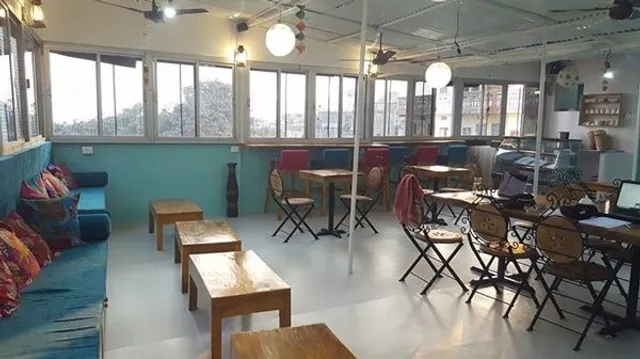
Aadha-Aadha Café
4.6
(376)
Open until 9:00 PM
Click for details
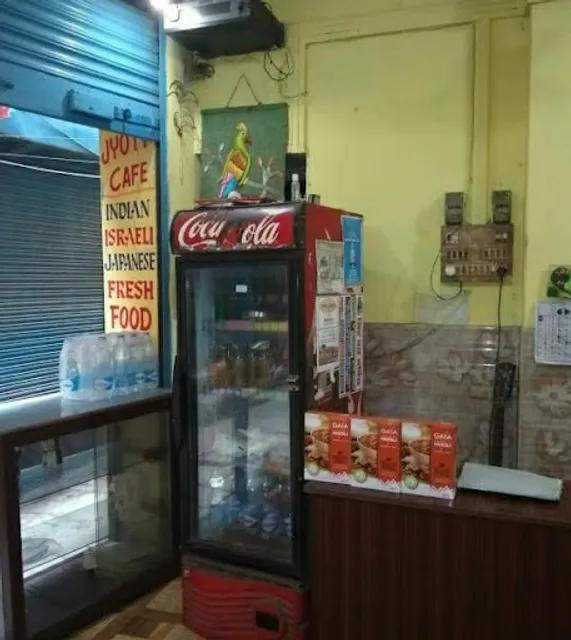
Jyoti Cafe
4.7
(224)
Open until 10:00 PM
Click for details
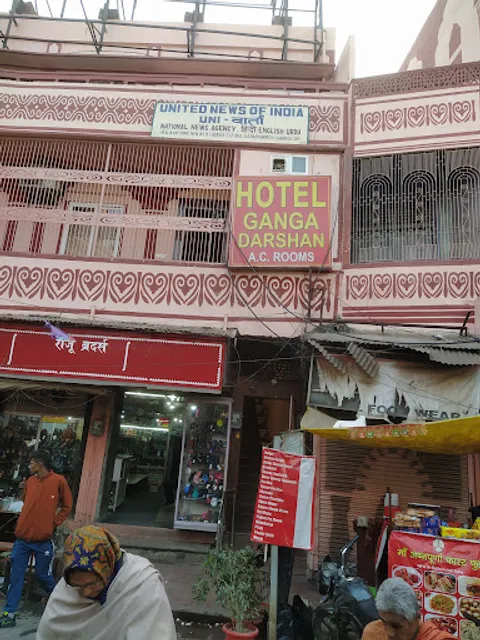
Bhaiya Ji Chai | Oldest Tea Shop In Varanasi
4.8
(86)
Open until 10:00 PM
Click for details
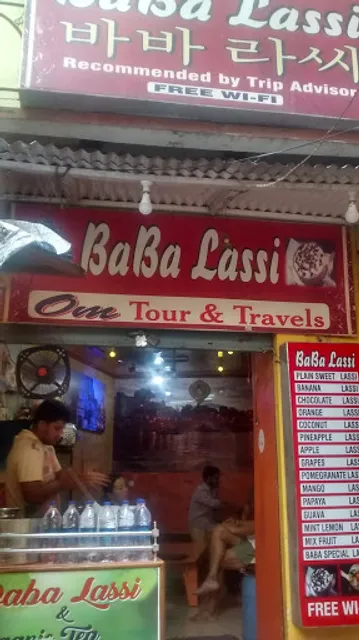
Baba Lassi
4.5
(429)
Open until 9:30 PM
Click for details
Nearby local services of Ahilyabai Ghat
Shree Kashi Vishwanath Mahadev temple
Ganga ghat
Jalasen Ghat
Gauri Kedareshwar Mandir (Dwadash Jyotirling Kashi Khand)
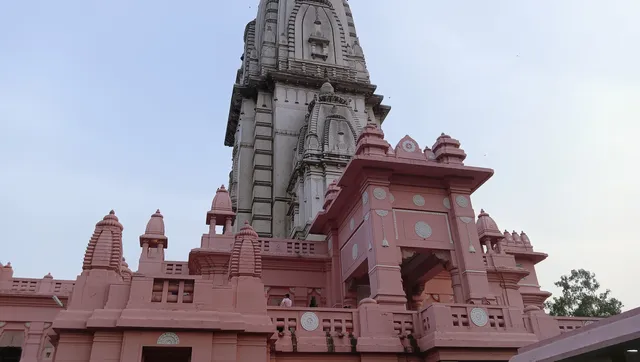
Shree Kashi Vishwanath Mahadev temple
4.7
(26)
Click for details
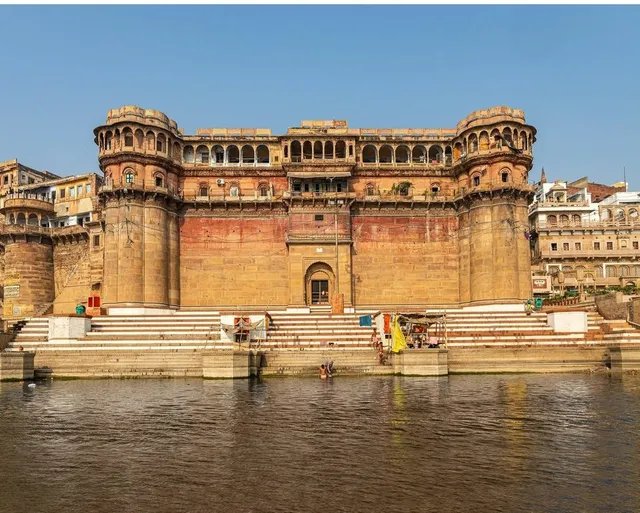
Ganga ghat
4.5
(24)
Click for details
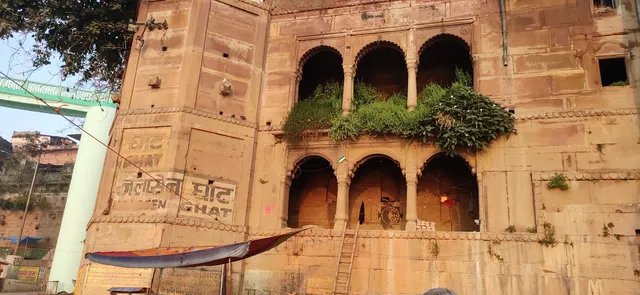
Jalasen Ghat
4.5
(59)
Click for details
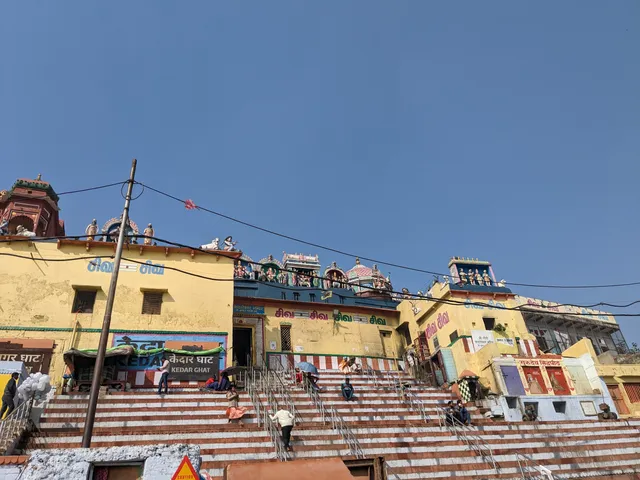
Gauri Kedareshwar Mandir (Dwadash Jyotirling Kashi Khand)
4.7
(40)
Click for details