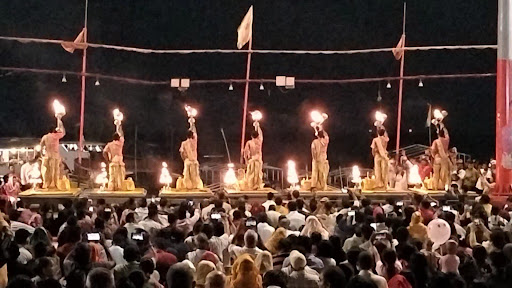
Aarti Experience at Dashashwamedh Ghat, Varanasi – Honest Review
Varanasi is known for its spiritual aura and the mesmerizing Ganga Aarti performed daily at Dashashwamedh Ghat. There are two major Aartis held each day – one at sunrise (around 5:10 AM) and the other at sunset (around 7:00 PM). Please note that these timings are not fixed and vary slightly depending on the exact time of sunrise and sunset.
We had the opportunity to experience both the morning and evening Aartis, and here’s an honest take on each:
Evening Aarti – A Tourist Magnet, but Overhyped
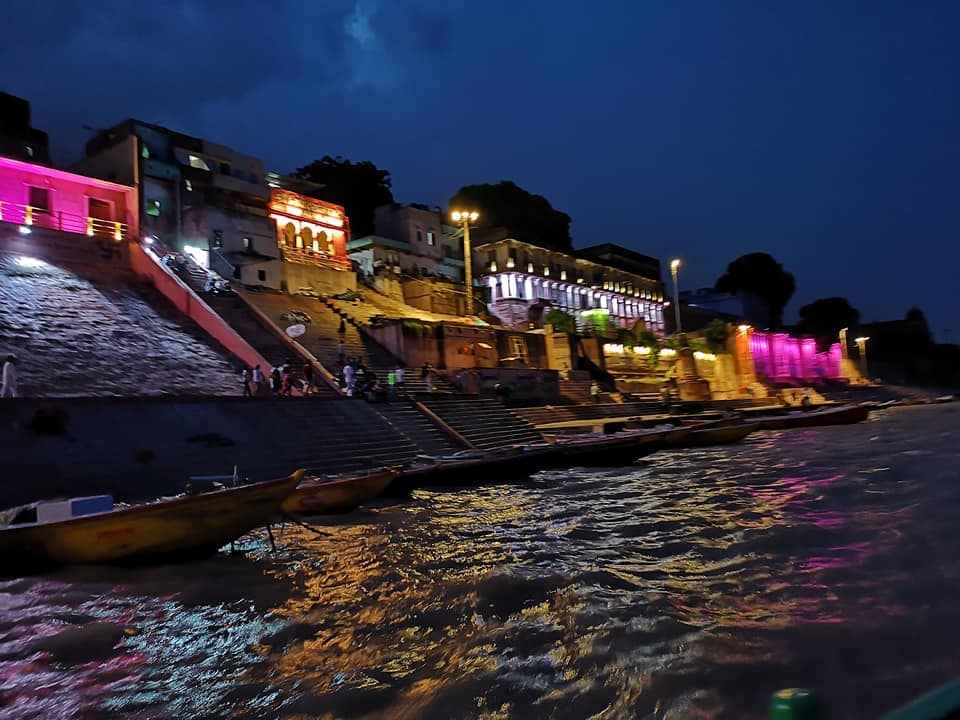
The evening Aarti is definitely the more popular of the two, drawing huge crowds of tourists every single day. We opted to watch it from the Alaknanda Cruise, which cost us ₹1,000 per person. While the idea of watching the ceremony from the river sounds appealing, in reality, the cruise is stationed a fair distance away from the actual ghat, which diminishes the overall experience. You don't get to feel the intensity or spirituality of the moment the way you would from up close.
The Instagram reels and videos you may have seen often have dramatic background music, making the experience seem more electrifying than it actually is. In truth, the real atmosphere is more subdued. The priests perform the rituals in perfect synchrony, and while it's certainly beautiful, it may not match the over-the-top grandeur portrayed online—especially when viewed from afar.
Morning Aarti – Subah-e-Banaras: Serene, Spiritual, and Soulful
In contrast, the morning Aarti, known as Subah-e-Banaras (you can search this name on Google Maps), is an absolutely divine and peaceful experience. It begins at dawn—just as the sun starts to rise—and is held in a much quieter, more intimate setting. Unlike the crowded evening affair, this ceremony feels spiritually grounding and truly reflective of the essence of Varanasi.
The added bonus? You also get to witness a stunning sunrise over the Ganges, and the weather is cool and pleasant, especially if you're visiting during the warmer months.
Boating Experience – A Must-Do Post Aarti
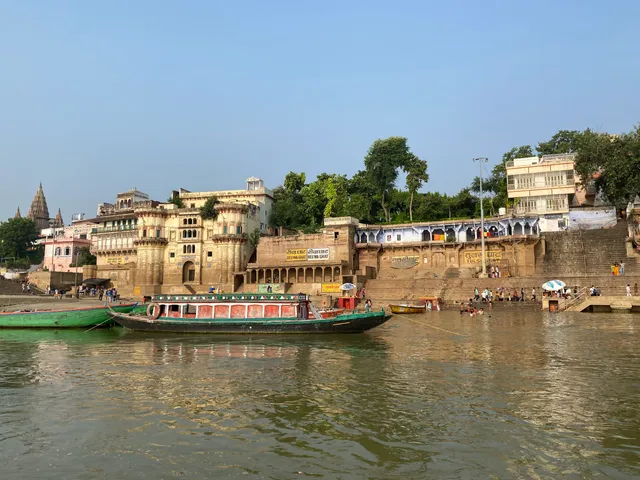
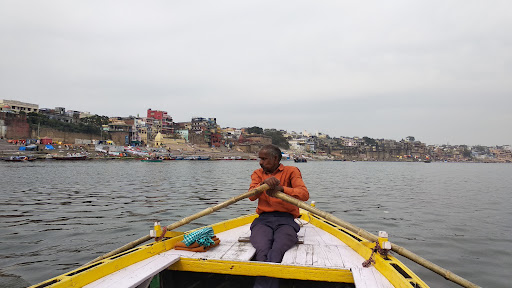
Right after the morning Aarti, you can go for a boat ride on the Ganga, which is another memorable experience. Be prepared to negotiate, though. The initial asking price is often around ₹200 per person, but we eventually settled for ₹100—only to find out that some others managed to get it for just ₹50 per head. So don’t hesitate to bargain a little.
Final Thoughts
If you're planning a trip to Varanasi and want a truly authentic, soul-stirring experience, skip the evening cruise view and make the effort to attend the morning Aarti at Subah-e-Banaras. It's quieter, more spiritually fulfilling, and gives you a genuine taste of the sacred vibe that defines this ancient city.
Tips:
Arrive at least 15–20 minutes early for the morning Aarti to get a good spot.
Dress modestly and comfortably.
Carry a shawl or light jacket—it can be slightly chilly near the river at dawn.
Don’t fall for the first price quoted for boats—negotiate firmly but...
Read moreSubah-e-Banaras: A Dawn of Serenity
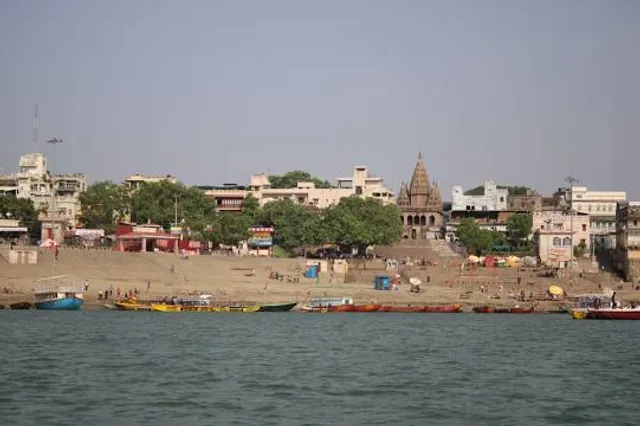
Subah-e-Banaras, meaning "Morning of Varanasi," is a truly magical experience that captures the essence of this ancient city. It's not a specific temple but rather a unique way to experience Varanasi at dawn. The best way to enjoy Subah-e-Banaras is by taking a boat ride on the Ganges River as the sun rises. Timings: Best time to visit: The ideal time to experience Subah-e-Banaras is between 5:00 AM and 7:00 AM. This is when the city is at its most peaceful and serene, and the sunrise is truly breathtaking. Open time: The Ganges River is accessible 24/7, so you can take a boat ride at any time. However, for the best Subah-e-Banaras experience, it's recommended to visit during the early morning hours. Close time: There are no specific closing times for the Ganges River. Famous things to see and do: Sunrise boat ride: This is the highlight of Subah-e-Banaras. As you glide along the Ganges, you'll witness the city waking up, with the ghats coming alive with the sounds of prayers, chanting, and the gentle lapping of the river. Ganga Aarti: If you're lucky, you might catch the early morning Ganga Aarti, a sacred ritual performed by priests on the ghats. Beautiful ghats: The ghats of Varanasi are famous for their architectural beauty and historical significance. Some of the most iconic ghats include Dashashwamedh Ghat, Assi Ghat, and Manikarnika Ghat. Bird watching: While on your boat ride, keep an eye out for various bird species that can be spotted along the riverbanks. Local life: Observe the daily lives of the people of Varanasi as they go about their morning routines. Tips: Dress comfortably: Wear light and comfortable clothing, as the weather can be warm in Varanasi. Bring a camera: Subah-e-Banaras offers stunning photo opportunities. Hire a local guide: A guide can provide you with valuable insights into the history and culture of Varanasi. Respect local customs: Be mindful of local customs and traditions, especially when visiting religious sites. By experiencing Subah-e-Banaras, you'll gain a deeper appreciation for the beauty and spirituality...
Read moreSubah-e-Banaras is not just an event—it’s a soulful awakening that captures the very essence of Varanasi at dawn. Held at Assi Ghat in the early hours of the morning, this cultural and spiritual experience is a harmonious blend of devotion, music, yoga, and community spirit. It’s where the city greets the rising sun not with haste, but with reverence and rhythm.
As the first light of day touches the Ganga, the ghat comes alive with the soft glow of lamps and the resonant chants of the Ganga Aarti. The air is filled with the fragrance of incense and the sound of conch shells, creating an atmosphere that is both meditative and uplifting. The aarti is followed by soulful classical music and dance performances, often featuring local artists who carry forward the city’s rich artistic traditions. These performances are not mere entertainment—they are offerings, expressions of devotion that elevate the spirit.
One of the most cherished aspects of Subah-e-Banaras is the communal yoga session that follows. With the river flowing gently beside and the sky painted in hues of gold and pink, participants stretch and breathe in unison, finding balance in body and mind. It’s a moment of collective stillness and strength, open to all—locals, pilgrims, and travelers alike.
What makes Subah-e-Banaras truly special is its inclusivity and its ability to connect the ancient with the contemporary. It honors the timeless rituals of Varanasi while inviting modern expressions of wellness and art. It’s not just a program—it’s a celebration of life, light, and the sacred rhythm of the city.
For anyone visiting Varanasi, experiencing Subah-e-Banaras is like witnessing the soul of the city awaken. It’s a gentle reminder that each day is a gift, and that even in the oldest of cities, every sunrise brings something...
Read more