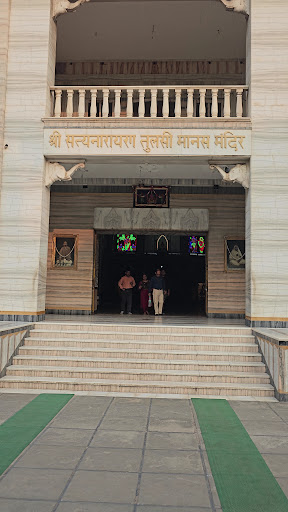
The Shri Satyanarayan Tulsi Manas Mandir in Varanasi is a distinguished Hindu temple dedicated to Lord Satyanarayan and Lord Rama, named after the revered 16th-century saint-poet Goswami Tulsidas. This temple is not only a religious site but also a cultural landmark, deeply woven into the spiritual and literary fabric of India. Constructed in 1964 by the philanthropic efforts of Seth Ratanlal Sureka, a prominent businessman from Howrah, the temple preserves and honors the legacy of Tulsidas, who composed the epic Ramcharitmanas—a vernacular Hindi retelling of the ancient Sanskrit Ramayana—at this very location.
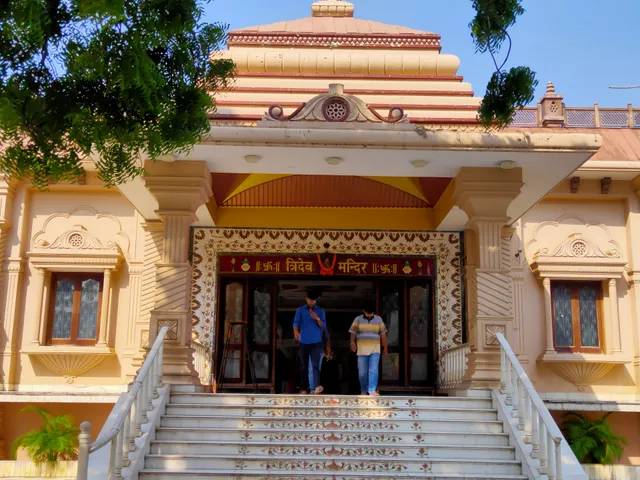
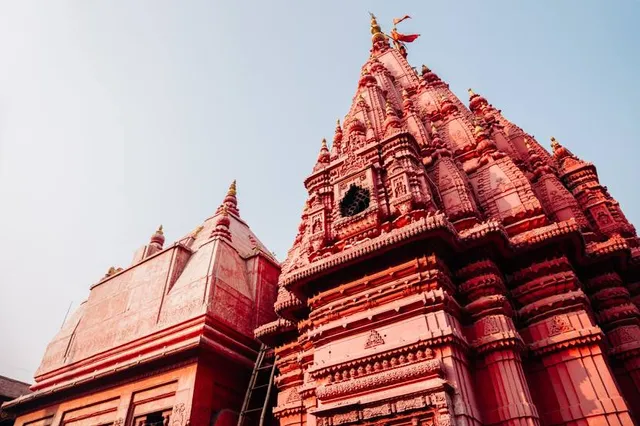
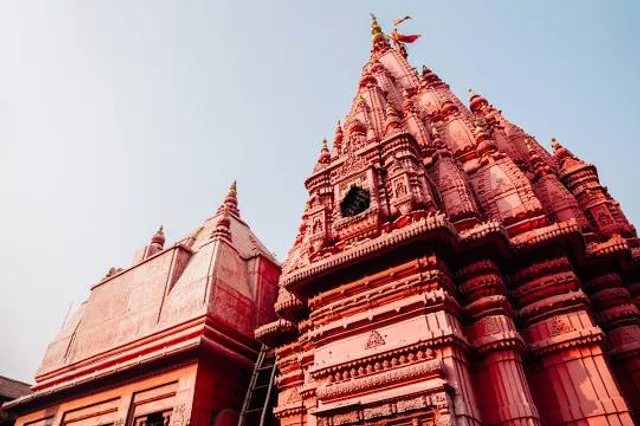
Located on Sankat Mochan Road in Varanasi, near notable landmarks like Durga Kund and Banaras Hindu University, the temple stands as a serene sanctuary attracting thousands of devotees, tourists, and scholars daily. Its architectural beauty is notable for the use of white marble and the harmonious integration of traditional Hindu architectural elements with a simple yet elegant design.
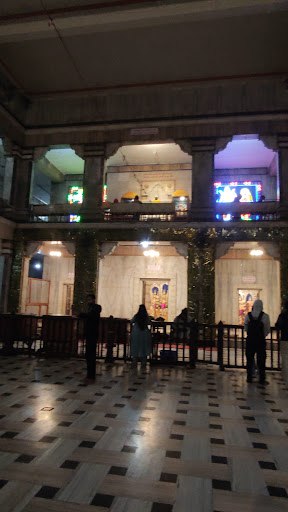
The temple walls are engraved with verses and pictorial representations from the Ramcharitmanas, vividly narrating the stories and lessons from Lord Rama’s life and teachings. These inscriptions serve as a vibrant medium to engage visitors and devotees, making the epic accessible through art and scripture. The verses cover the entire temple interior, making it a living gallery of spiritual literature and ancient epics.
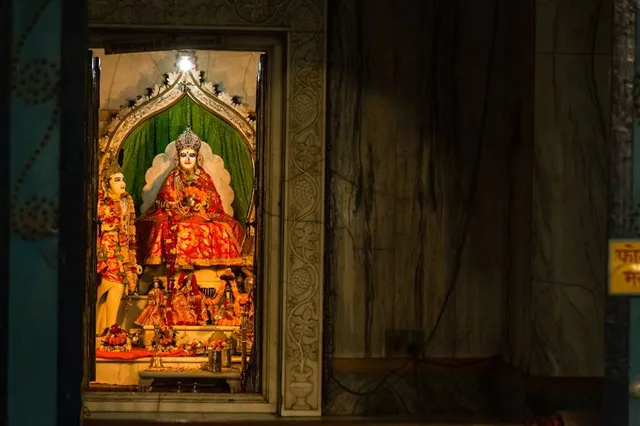
Central to the temple's sanctum are beautifully sculpted idols of Lord Rama, his consort Sita (Mata Janaki), his brother Lakshmana, and his devotee Lord Hanuman—all carved from marble and symbolizing divine virtues and devotion. Additionally, the temple includes shrines dedicated to Lord Satyanarayan, a form of Vishnu worshiped through a popular ritual worship called Satyanarayan Puja, Mata Annapurna, and Lord Shiva, further enhancing the temple's spiritual inclusiveness.
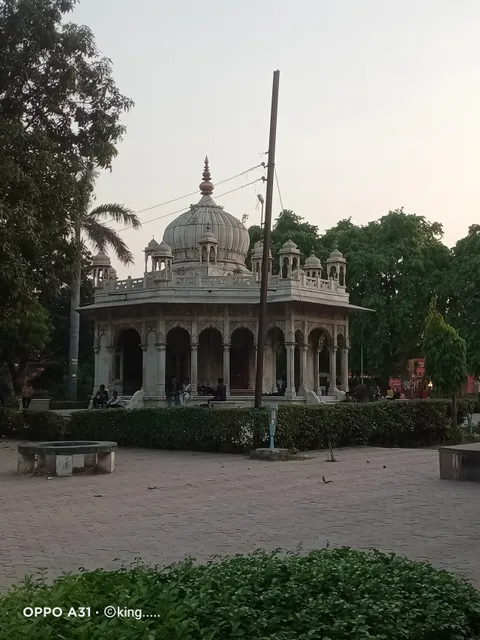
The temple complex is also beautifully landscaped, featuring well-maintained gardens and a peaceful pond, contributing to a tranquil atmosphere conducive to meditation and reflection. This calm environment offers visitors spiritual solace and a chance to engage in quiet contemplation amidst nature and divinity.
Culturally, the Shri Satyanarayan Tulsi Manas Mandir plays a vital role beyond worship. It hosts various religious and cultural events including Ram Navami, Krishna Janmashtami, and Annapurna Puja with great fervor, preserving and promoting Hindu festivals and traditions. The temple encourages community participation and cultural education by providing a venue for celebrations and gatherings.
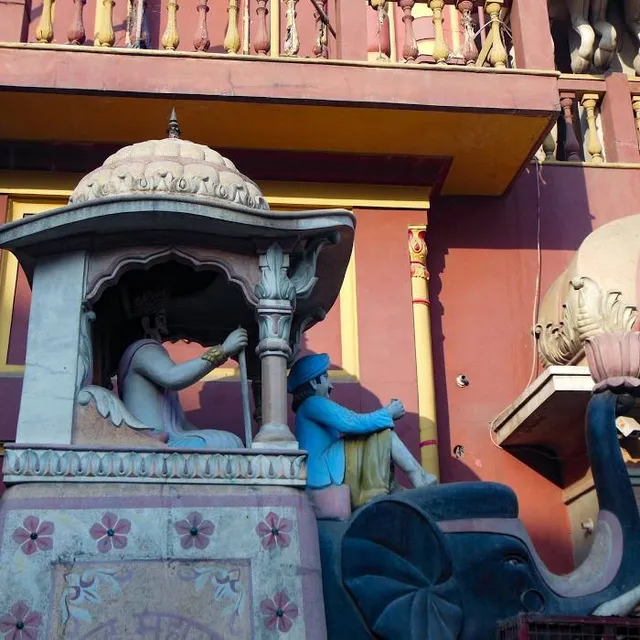
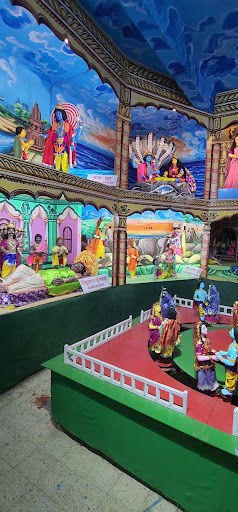
Importantly, the temple houses a museum with rare manuscripts and artifacts associated with Tulsidas and his era, enhancing its status as a center for historical and religious studies. The presence of mechanical tableaux depicting scenes from the Ramayana and other epics on the first floor adds an interactive and engaging dimension, especially appreciated by younger visitors.
The temple is open daily from early morning (5:30 AM) to noon and reopens in the afternoon until 9 PM. It welcomes visitors free of charge, emphasizing spiritual accessibility...
Read moreThe Shri Satyanarayan Tulsi Manas Mandir is a temple in Varanasi, Uttar Pradesh, India. Here's some information about this temple:
Location: The Shri Satyanarayan Tulsi Manas Mandir is situated in the Tulsi Manas area of Varanasi, near the Tulsi Ghat and the famous Durga Temple (also known as the Tulsi Manas Temple). It is easily accessible by road and is a significant religious site in Varanasi.
Dedication: The temple is dedicated to Lord Satyanarayan, a form of Lord Vishnu, who is worshipped as the embodiment of truth (satya) and righteousness (dharma). Devotees offer prayers and perform rituals to seek the blessings of Lord Satyanarayan for prosperity, well-being, and fulfilment of wishes.
Tulsi Manas Connection: The temple is named after the Tulsi Manas area of Varanasi, which is associated with the poet-saint Goswami Tulsidas. It is believed that Goswami Tulsidas composed the epic Ramcharitmanas, the retelling of the Ramayana in the Awadhi language, in this area. The presence of the Tulsi Manas Temple nearby adds to the spiritual significance of the region.
Architecture: The architecture of the Shri Satyanarayan Tulsi Manas Mandir reflects traditional Hindu temple architecture, with ornate carvings, sculptures, and paintings depicting scenes from Hindu mythology and the life of Lord Satyanarayan. The temple's sanctum sanctorum houses the main deity of Lord Satyanarayan, adorned with decorative elements and offerings by devotees.
Devotional Activities: Devotees visit the Shri Satyanarayan Tulsi Manas Mandir to offer prayers, perform pujas (ritual worship), and participate in religious ceremonies such as Satyanarayan Katha, a narrative recitation of the divine leelas (pastimes) of Lord Satyanarayan. The temple's serene ambience and spiritual atmosphere make it a popular destination for seekers and devotees.
Festivals: The temple celebrates various Hindu festivals with grandeur and devotion, including Satyanarayan Jayanti (the birth anniversary of Lord Satyanarayan), Ram Navami (the birthday of Lord Rama), and other religious occasions. These festivals attract devotees and visitors who come to seek the blessings of the divine.
Overall, the Shri Satyanarayan Tulsi Manas Mandir is a revered temple in Varanasi dedicated to Lord Satyanarayan, where devotees gather to express their faith, devotion, and reverence...
Read moreSatyanarayan Tulsi Manas Mandir in Varanasi is a significant religious site that holds immense cultural and spiritual value. As a reviewer, I would like to commend the temple for its serene and peaceful ambiance, as well as its architectural aesthetics.
The temple is dedicated to Lord Satyanarayan, an incarnation of Lord Vishnu, and it is believed that this deity fulfills the wishes of devotees who perform the Satyanarayan Katha (a Hindu ritual). The temple also houses the sacred Tulsi plant, considered to be a symbol of purity and devotion.
One of the standout features of the Satyanarayan Tulsi Manas Mandir is its stunning architecture. The temple showcases traditional Indian architectural elements, with intricate carvings, beautiful sculptures, and vibrant colors. The attention to detail is commendable, and it truly reflects the rich heritage and artistry of Indian culture.
The temple is well-maintained, and the grounds are clean and well-manicured. The staff and priests are knowledgeable and accommodating, offering guidance and performing aarti (a religious ritual) for devotees. The peaceful atmosphere inside the temple allows for a deep sense of spirituality, providing visitors with a tranquil space for meditation and prayer.
The location of the Satyanarayan Tulsi Manas Mandir is also advantageous. Situated in the holy city of Varanasi, it is easily accessible and attracts a large number of devotees and tourists alike. The temple is surrounded by other prominent religious and cultural attractions, allowing visitors to explore and immerse themselves in the spiritual vibrancy of the city.
A potential area for improvement would be to enhance the visitor experience by providing more information about the history and significance of the temple through informative signage or audio guides. This would help visitors gain a deeper understanding of the religious and historical importance of the site.
Overall, the Satyanarayan Tulsi Manas Mandir in Varanasi is a place of devotion, tranquility, and architectural splendor. It offers a valuable and enriching experience for those seeking to connect with their spiritual side and appreciate the cultural heritage of India. I highly recommend including this temple in your itinerary when...
Read more