Nivedita Setu things to do, attractions, restaurants, events info and trip planning
Basic Info
Nivedita Setu
Vivekananda Brg, Dakshineswar, Kolkata, West Bengal 711201, India
4.5(181)
Open until 12:00 AM
Save
spot
spot
Ratings & Description
Info
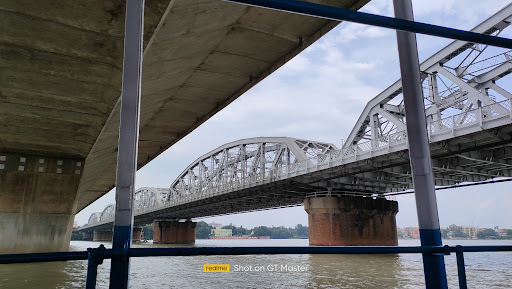
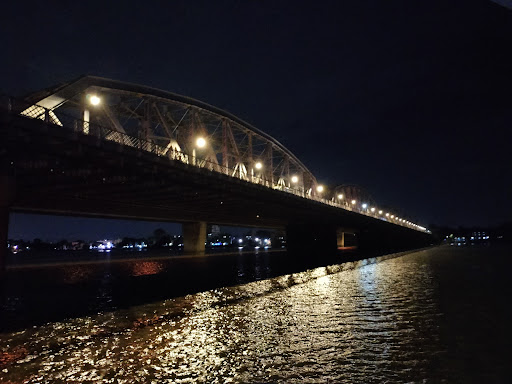
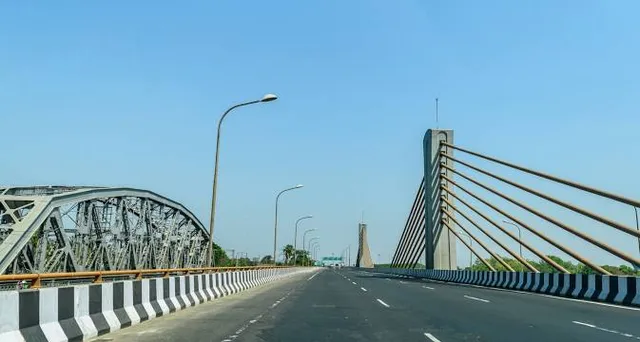
Nivedita Setu is a multi-span extradosed bridge that was built over Hooghly River connecting Howrah with Kolkata, West Bengal. It runs parallel to and about 50 m downstream of the old Vivekananda Setu opened in 1932. The bridge is named after Sister Nivedita, the social worker-disciple of Swami Vivekananda.
Cultural
Scenic
attractions: Dakshineswar Kali Temple, Mandir Palace, restaurants: FOOD ON GANGES, Dakshineswar Food Plaza, New Punjab Khalsa Hotel, The Taste, Domino's Pizza | Kotrung, Uttarpara, Grill to Chill, Saffron Restaurant and Caterers, Mucktoo, Sri Guru Hotel & Restaurant, Suruchi Hotel & Restaurant, local businesses:
 Learn more insights from Wanderboat AI.
Phone
+91 33 2671 6481
Website
svbtc.in
Open hoursSee all hours
FriOpen 24 hoursOpen
Plan your stay

Pet-friendly Hotels in West Bengal
Find a cozy hotel nearby and make it a full experience.

Affordable Hotels in West Bengal
Find a cozy hotel nearby and make it a full experience.

The Coolest Hotels You Haven't Heard Of (Yet)
Find a cozy hotel nearby and make it a full experience.

Trending Stays Worth the Hype in West Bengal
Find a cozy hotel nearby and make it a full experience.
Reviews
Live events
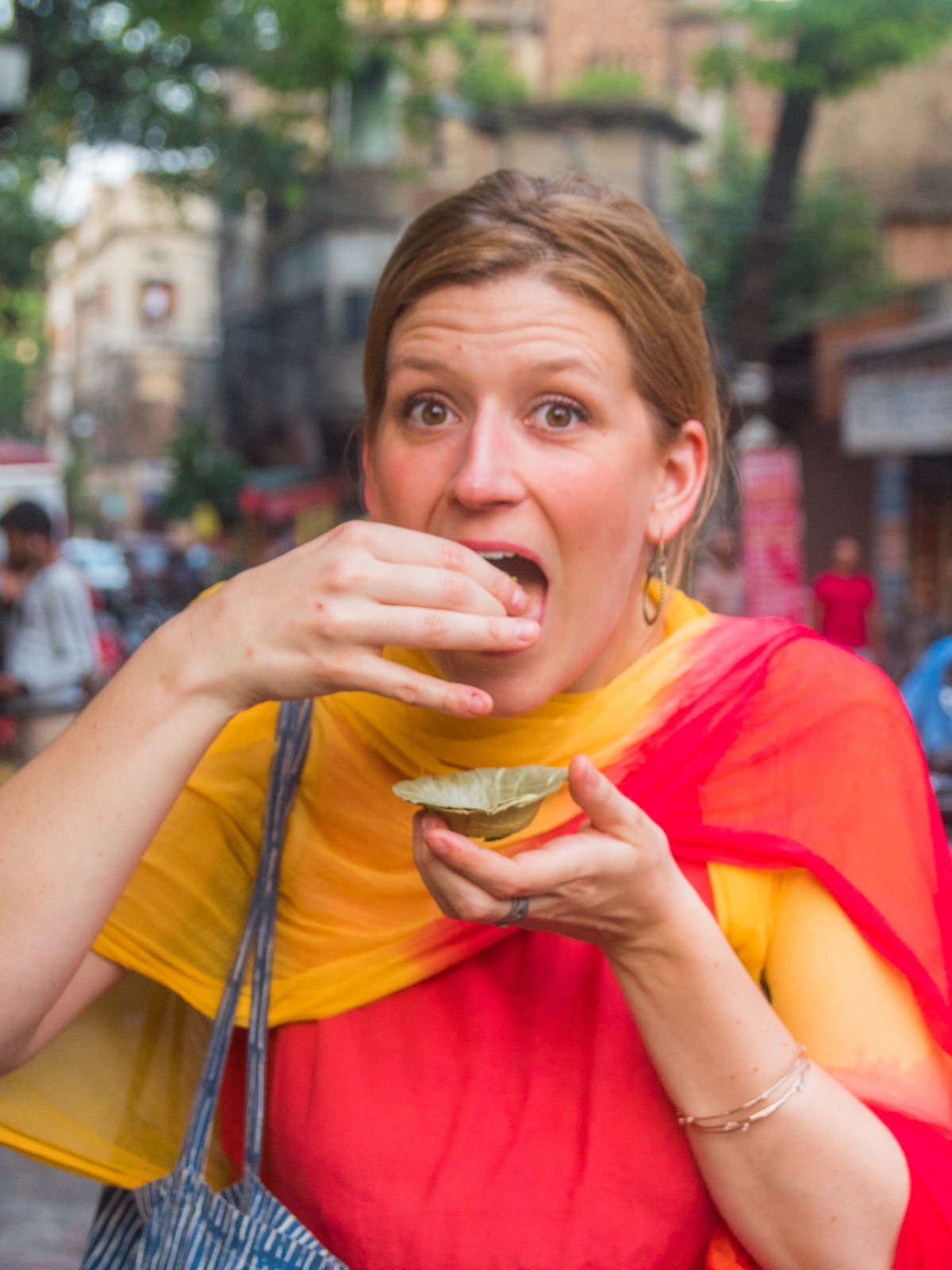
Alleyway Food Tour Street Food of Old Calcutta
Sat, Feb 28 • 5:00 PM
Kolkata, West Bengal, 700004, India
View details

Bengali Nights Food Tour with 15-plus tastings
Sat, Feb 28 • 5:00 PM
Kolkata, West Bengal, 700013, India
View details
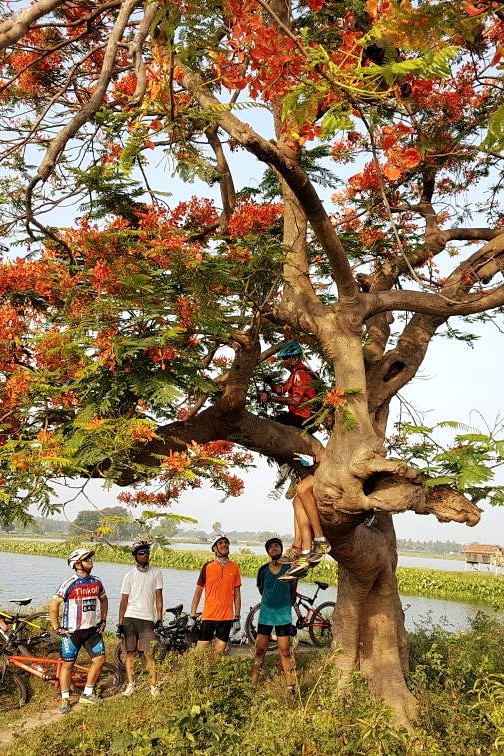
Cycle the Kolkata wetlands
Sat, Feb 28 • 6:00 AM
Kolkata, West Bengal, 700054, India
View details
Nearby attractions of Nivedita Setu
Dakshineswar Kali Temple
Mandir Palace
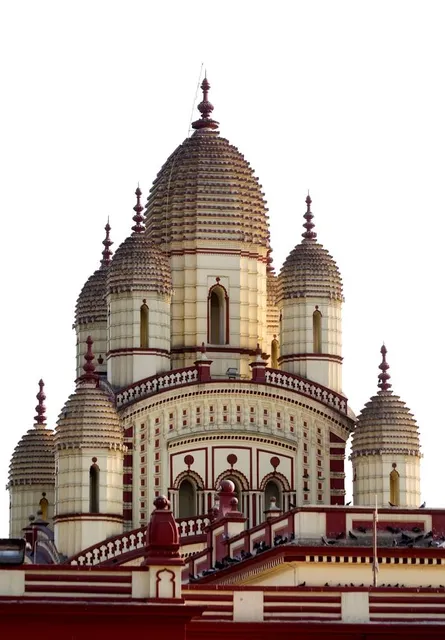
Dakshineswar Kali Temple
4.7
(31.7K)
Closed
Click for details
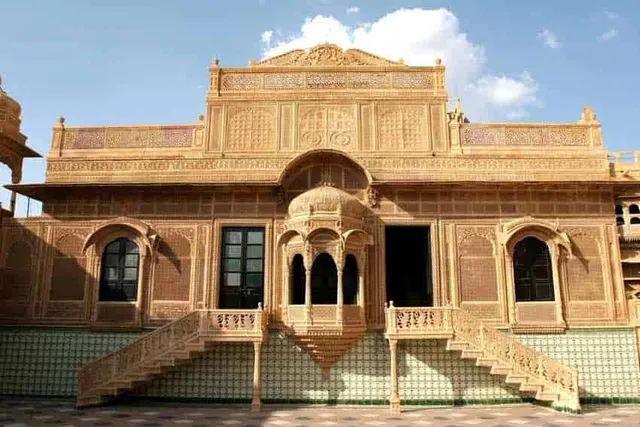
Mandir Palace
2.8
(37)
Open until 12:00 AM
Click for details
Nearby restaurants of Nivedita Setu
FOOD ON GANGES
Dakshineswar Food Plaza
New Punjab Khalsa Hotel
The Taste
Domino's Pizza | Kotrung, Uttarpara
Grill to Chill
Saffron Restaurant and Caterers
Mucktoo
Sri Guru Hotel & Restaurant
Suruchi Hotel & Restaurant
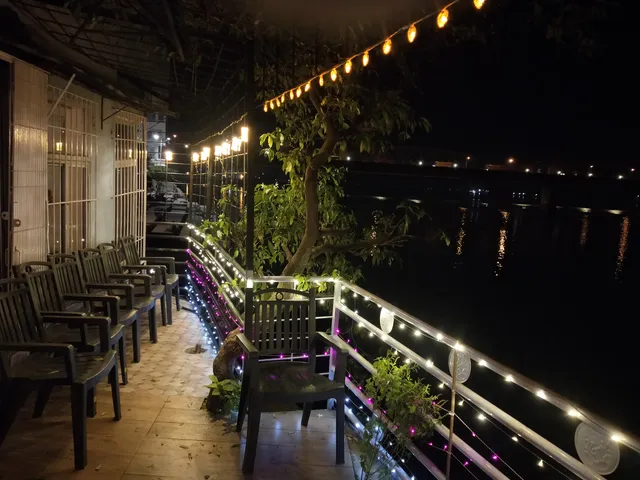
FOOD ON GANGES
4.1
(478)
Closed
Click for details
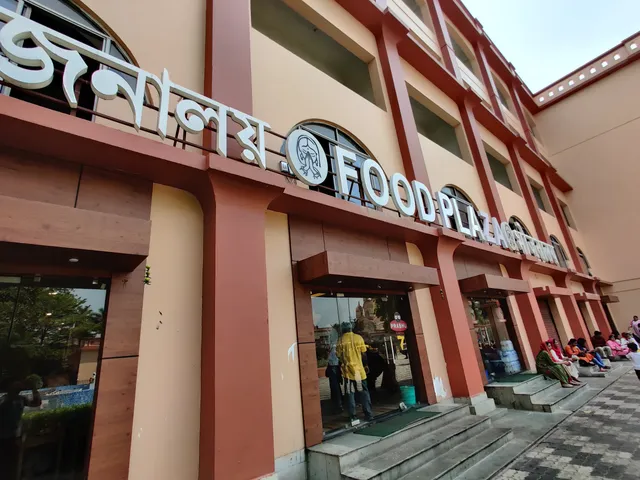
Dakshineswar Food Plaza
3.8
(172)
Closed
Click for details
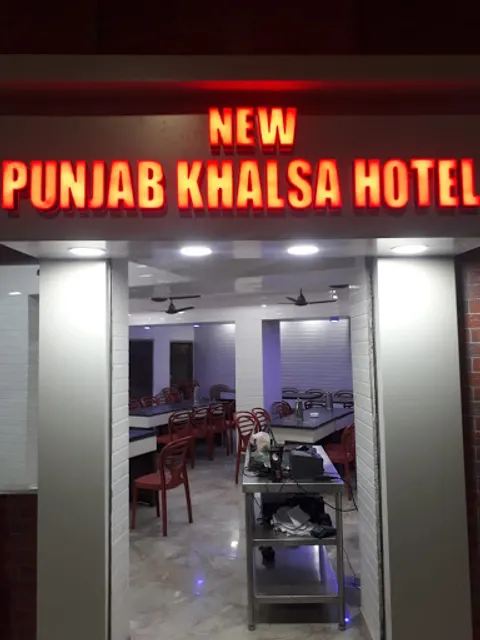
New Punjab Khalsa Hotel
3.7
(973)
Open until 1:30 AM
Click for details
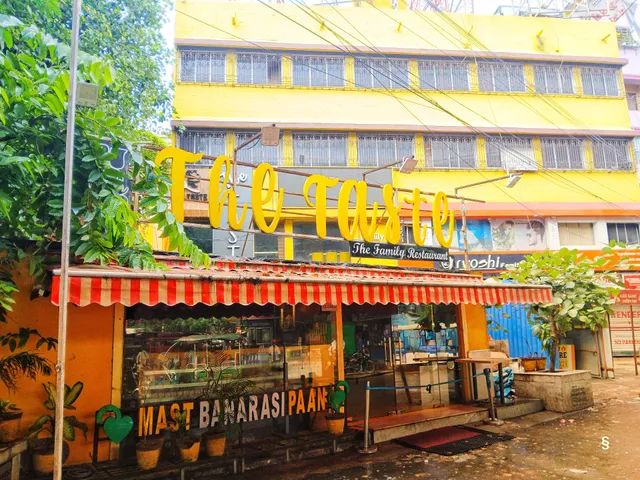
The Taste
3.4
(531)
Closed
Click for details