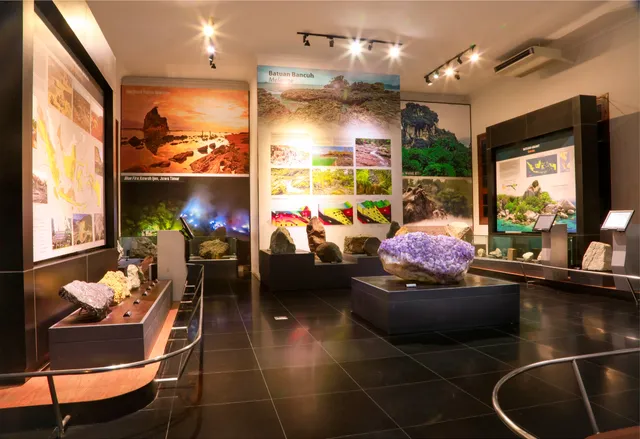
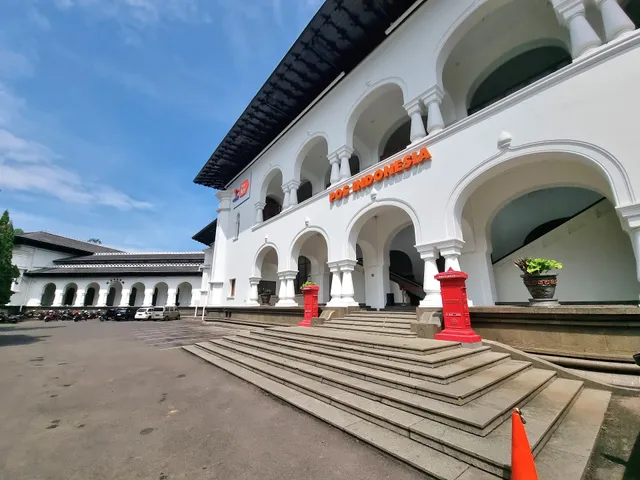
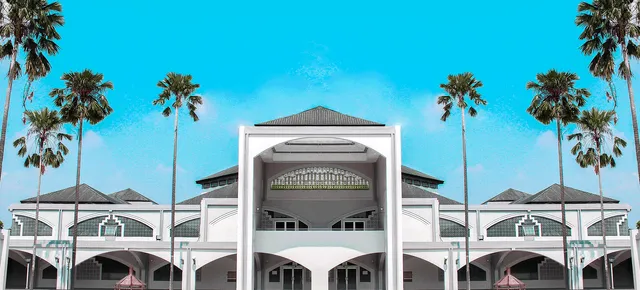
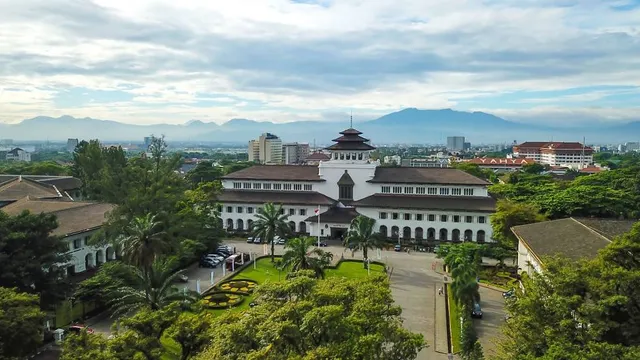
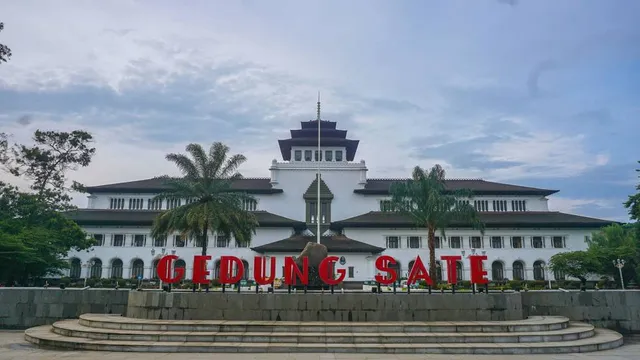
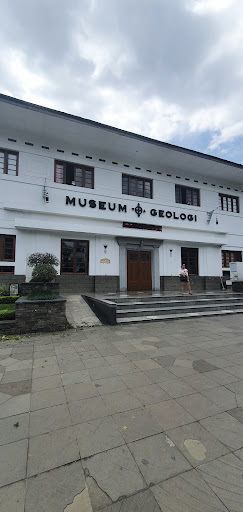
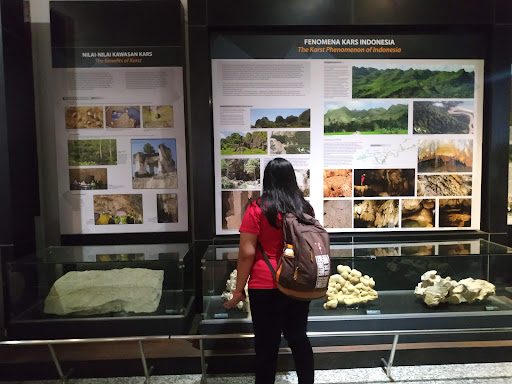
Located in the vibrant city of Bandung, Indonesia, the Museum Geologi is an exceptional destination for geology enthusiasts and curious visitors alike. During my recent visit, I was astounded by the museum's extensive collection, educational exhibits, and its role in showcasing Indonesia's geological wonders. Situated in a picturesque area of Bandung, the Museum Geologi captivates visitors with its distinctive architecture. The building seamlessly blends traditional Indonesian design elements with modern aesthetics, creating an inviting and visually striking atmosphere. The knowledgeable and friendly staff members were readily available to provide guidance and answer any questions. As I ventured inside the museum, I was immersed in a world of geological marvels. The Museum Geologi boasts an impressive collection of geological specimens, fossils, and artifacts that span Indonesia's diverse landscapes and geological history. From ancient fossils of prehistoric creatures to fascinating rock formations, the exhibits offer an awe-inspiring journey through time. The museum's exhibits are thoughtfully organized and accompanied by informative descriptions, allowing visitors to gain a deeper understanding of the geological processes that have shaped Indonesia's landscapes. The displays cover a wide range of topics, including plate tectonics, volcanic activity, mineral formations, and the country's unique geological formations. One of the highlights of my visit was the interactive exhibits that bring geology to life. Through engaging displays, visitors can participate in hands-on activities, such as simulating volcanic eruptions or examining geological samples under microscopes. These interactive elements make learning about geology a captivating and enjoyable experience for visitors of all ages. The Museum Geologi also plays a crucial role in scientific research and education. The museum houses a dedicated research center where experts study and analyze geological phenomena. This emphasis on research not only adds to the museum's credibility but also provides a platform for ongoing scientific exploration and discovery. The facilities within the Museum Geologi were well-maintained and visitor-friendly. Restrooms were clean and easily accessible, and the museum's layout ensured smooth navigation through the exhibits. Additionally, the museum shop offered a variety of geological-themed merchandise and educational materials, allowing visitors to take a piece of the museum's wonder home with them. Located in Bandung, a city known for its rich cultural heritage and natural beauty, the Museum Geologi is an excellent addition to any itinerary. The museum's commitment to education extends beyond its walls, with educational programs, guided tours, and outreach initiatives that aim to instill a love for geology among students and the wider community. In conclusion, the Museum Geologi in Bandung, Indonesia, is an exceptional destination that offers a captivating exploration of Indonesia's geological wonders. With its extensive collection, interactive exhibits, and commitment to research and education, the museum provides an enriching experience for visitors of all backgrounds. Whether you're a geology enthusiast, a student, or a curious traveler, a visit to the Museum Geologi promises an immersive and educational journey through Indonesia's...
Read moreBandung Geology Museum collections comprise of rocks, fossils and minerals. In this place visitors can also learn many things related to natural disasters, the earth, the proper use of resources, how to process energy, and so on. Inside Bandung Geological Museum collects a lot of interesting objects that cannot be found in other places. The museum is divided into 2 floors with different functions and collections on each floor and room. The 1st Floor Bandung Geology Museum is divided into 3 different rooms, the middle, west, and east rooms. In the middle, there are animation of geological activities and museum activities on the big screen, museum information service, Educational and research services, a various type of rocks in Indonesia. In the western space there are earth hypothesis, Solar system Regional tectonic order, the movement of the active plates of the earth's crust, Indonesian geological situation, various types of rocks: igneous, sedimentary, and malleable rocks, Mapping mineral resources in Indonesia, Various types of field equipment and equipment Mapping and research facilities, for example geological, geophysical, geomorphological, volcanic, seismotectonic and others maps. There are demonstrations of the state of active volcanoes in Indonesia, for example: Mount Tangkuban Perahu, Mount Krakatau, Mount Merapi, and others. And also rocks from volcanic activity. In east room, there are information about the history of the development and growth of living things that inhabit planet Earth from primitive times to modern times, Dinosaur fossil, Tyrannosaurus Rex Osborn, A collection of ancient human skulls that have been found in Indonesia, Artifacts used by early humans, reflecting the development of culture from time to time, History of the formation of Lake Bandung, Fish and snake fossils found in the Lake Bandung soil layer, Artifacts found on the edge of Lake Bandung, Information on the process of forming fossils, Information on the process of forming coal and petroleum, Information on the state of the ancient environment. The 2nd floor Bandung Geology Museum is also divided into 3 main parts, the middle, west, and east. In the middle thete are the biggest mockup of the gold mine in the world, and rocks from Papua, Petroleum drilling miniature, Natural gas miniature drilling. In the western space there are a lot of ancient human skulls. East room comprise of a lot geological information, including information on the benefits and uses of mineral stones for humans Image of the distribution of mineral resources in Indonesia, Records of mineral resource exploration activities, etc. This museum is very informative. Worthed...
Read moreI visited Bandung Geological Museum to complete an assignment given by my history teacher back in 2018. The task was about visiting a historical or famous place in Indonesia, and the reason I chose Bandung Geological Museum was that it is the only museum that focuses on rocks and rock formations. On Saturday, at 10 AM, I arrived at the museum. The front of the museum was surprisingly crowded. Students from some primary school can be seen lining up at the front of the entrance. I was surprised at how cheap the entry fee is; only IDR 2000 for students and IDR 3000 for regular visitors.
Inside the museum, it was quite busy. Students from many schools were going through the rooms of the museum. On the first floor, there were two rooms called West Wing and East Wing. The West Wing contains models with information boards explaining how Earth was formed, a map showing the distribution of volcanic mountains, and even a map showing the distribution of meteor crashes on various places in Indonesia. East Wing is my favourite because that one contains life-size replicas of prehistoric creatures. I noticed that despite the museum was busy, unlike other places that I visited before, it was quite clean.
On the second floor, another room exhibits artifacts, rocks, and more models and maps which showcase the distribution of minerals and explain their benefits. After heading back down to the first floor, there is a merchandise shop called Geo Museum Store. A lot of things can be bought here, from pens and pencil cases to shirts and even rocks. The prices for these merchandises are quite standard and not expensive. All in all, I thoroughly enjoy my “study tour” to Bandung...
Read more