Museum of Zoology (Museum Zoologicum Bogoriense) things to do, attractions, restaurants, events info and trip planning
Basic Info
Museum of Zoology (Museum Zoologicum Bogoriense)
Jl. Ir. H. Juanda No.9, RT.04/RW.02, Paledang, Kecamatan Bogor Tengah, Kota Bogor, Jawa Barat 16911, Indonesia
4.5(2.8K)
Closed

tickets
Save
spot
spot
Ratings & Description
Info
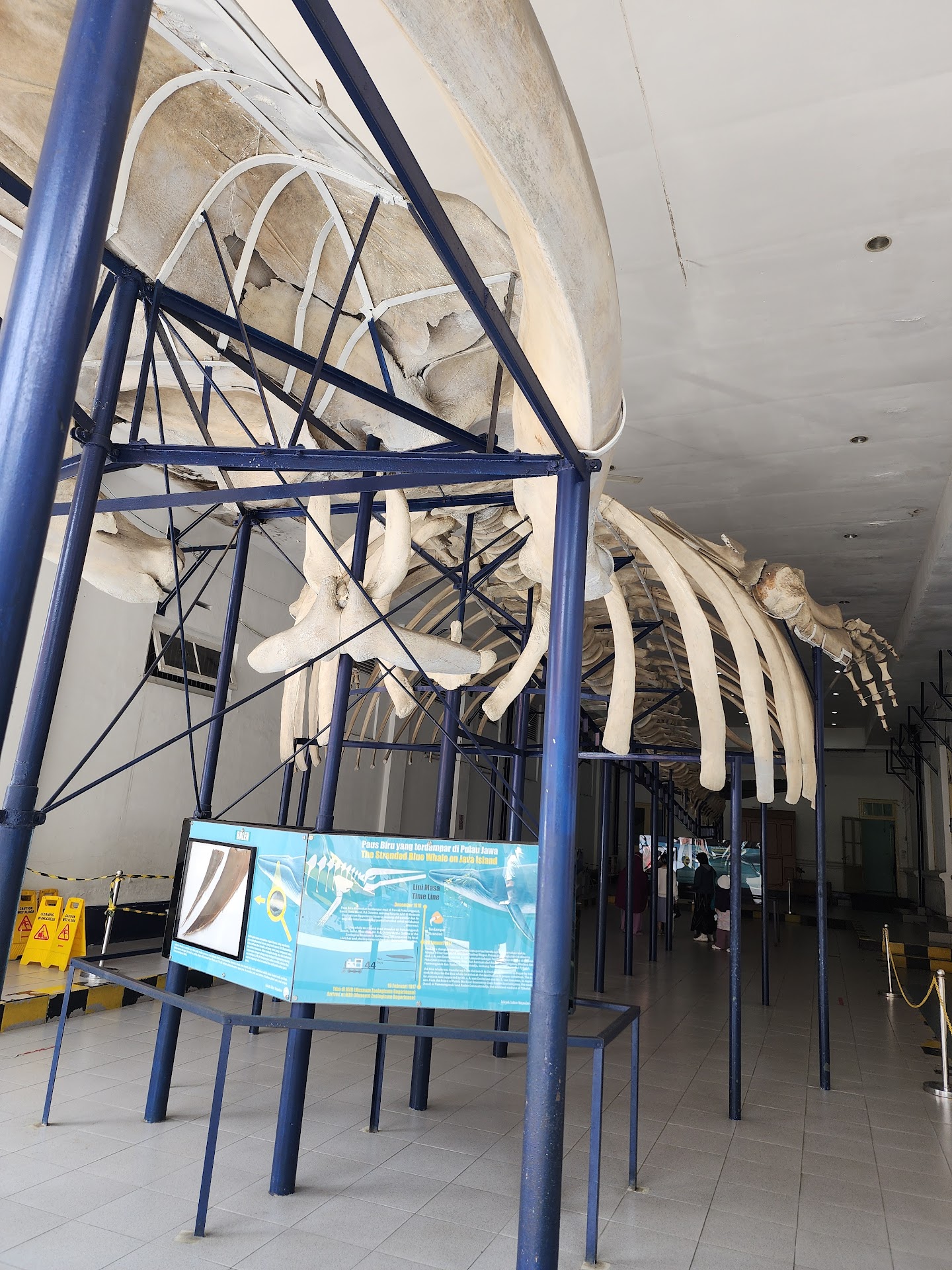
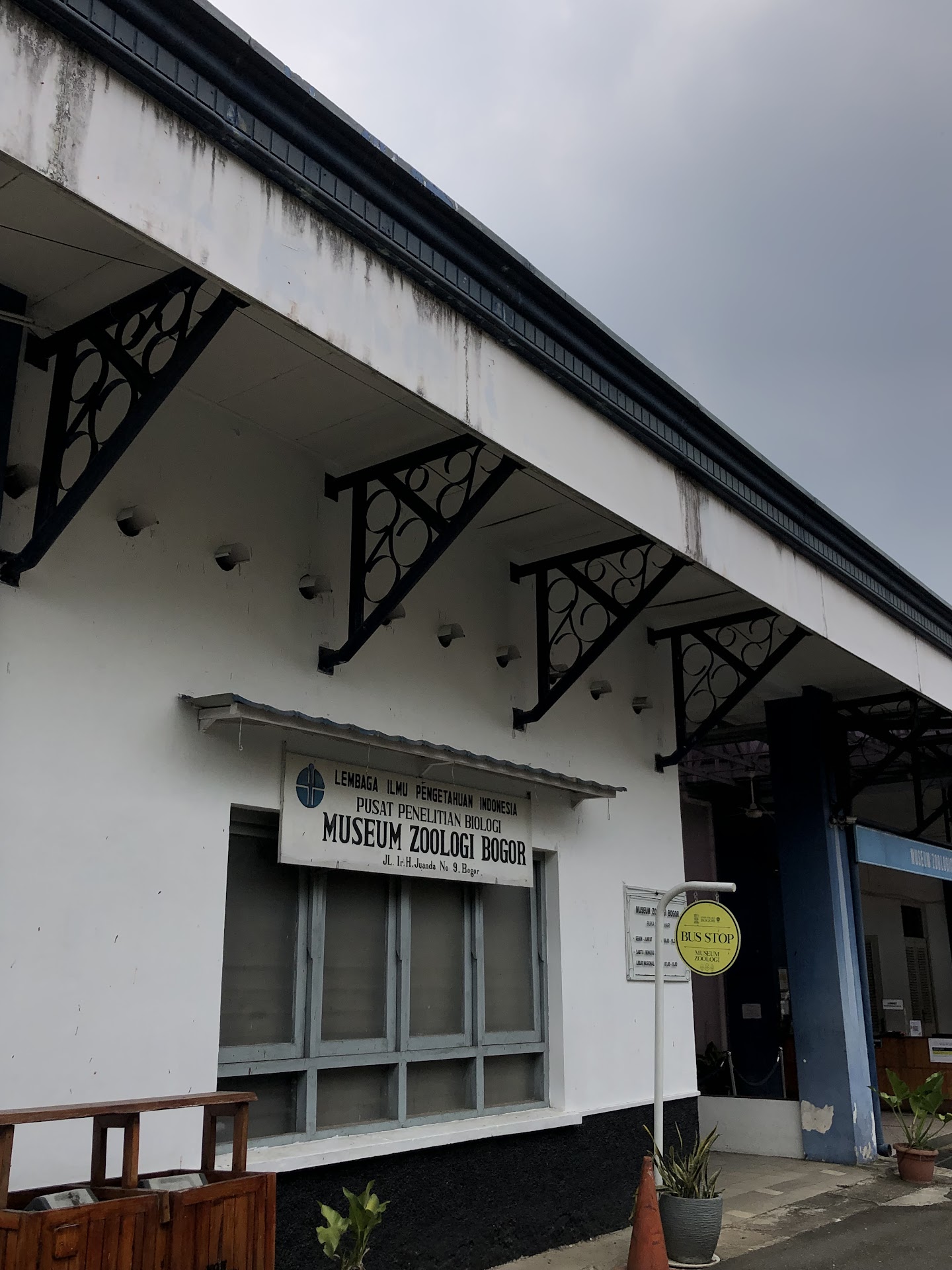
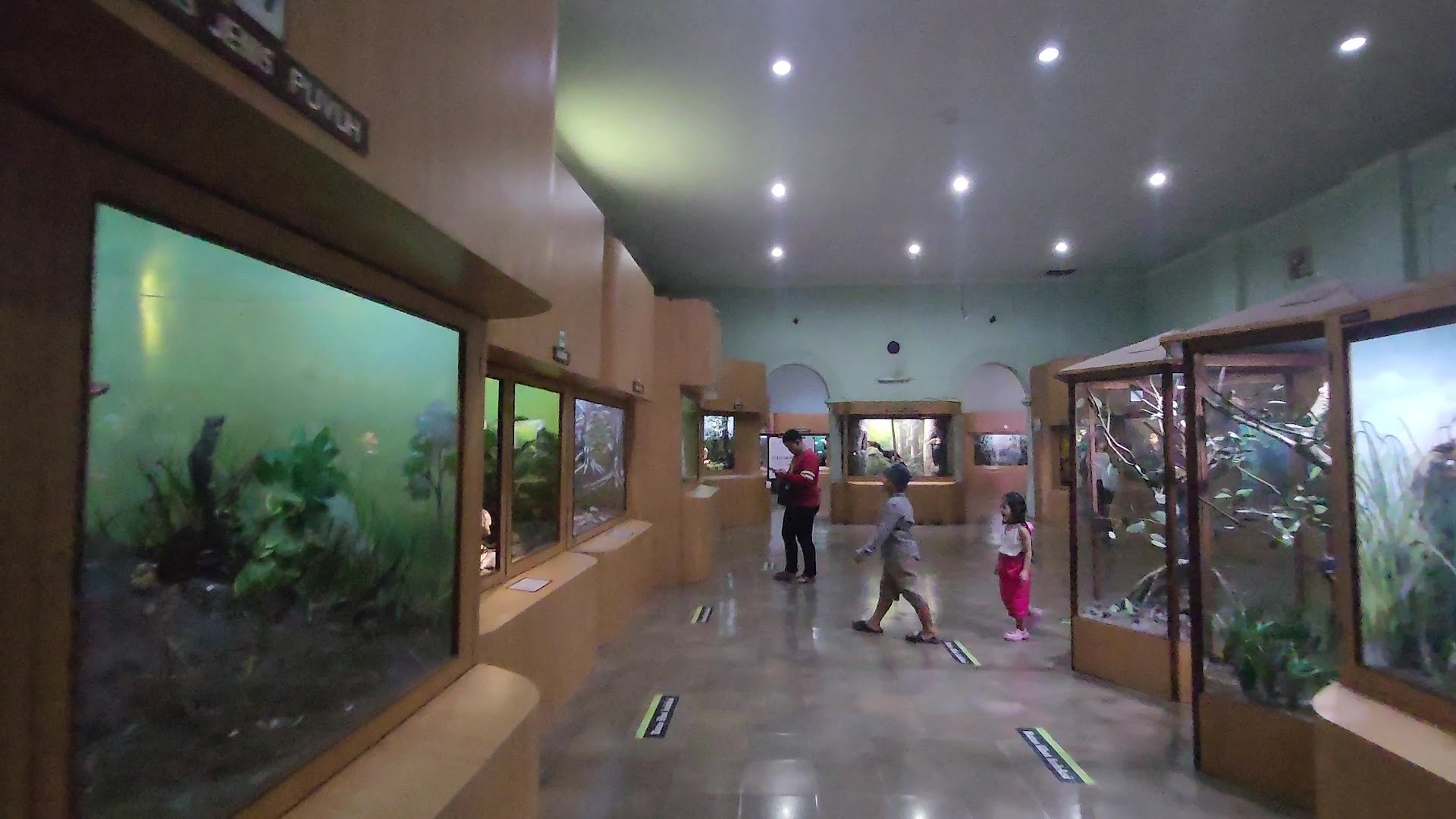
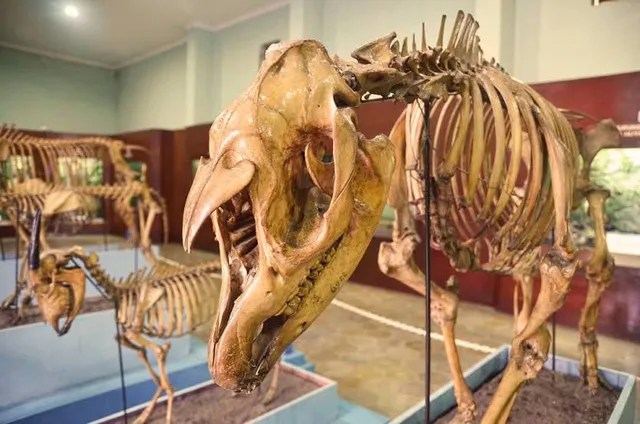
Bogor Zoology Museum is a museum located to the next of the main entrance of the Bogor Botanical Gardens in the city of Bogor, Indonesia. The museum and its laboratory were founded in 1894 by government of Dutch East Indies during the colonial era.
Cultural
Family friendly
Accessibility
attractions: Museum Tanah dan Pertanian, Bogor Botanical Gardens, Museum Kepresidenan Balai Kirti, Kujang Monument, restaurants: Gaya Tunggal, Ichiban Sushi - Bogor Trade Mall, Resto Teras Corner, Gumati, Cyrano Korean Cafe, Timbel Khas Sunda, Favela Sunset Cafe & Bar, Resto Kencana, green leaf resto & cafetaria, RESTO BUMIA, local businesses: Indonesian Museum of Ethnobotany, Church of Zebaoth, Catedral de la Santísima Virgen María
 Learn more insights from Wanderboat AI.
Open hoursSee all hours
Tue8 AM - 4 PMClosed
Plan your stay

Pet-friendly Hotels in Bogor
Find a cozy hotel nearby and make it a full experience.

Affordable Hotels in Bogor
Find a cozy hotel nearby and make it a full experience.

The Coolest Hotels You Haven't Heard Of (Yet)
Find a cozy hotel nearby and make it a full experience.

Trending Stays Worth the Hype in Bogor
Find a cozy hotel nearby and make it a full experience.
Reviews
Nearby attractions of Museum of Zoology (Museum Zoologicum Bogoriense)
Museum Tanah dan Pertanian
Bogor Botanical Gardens
Museum Kepresidenan Balai Kirti
Kujang Monument
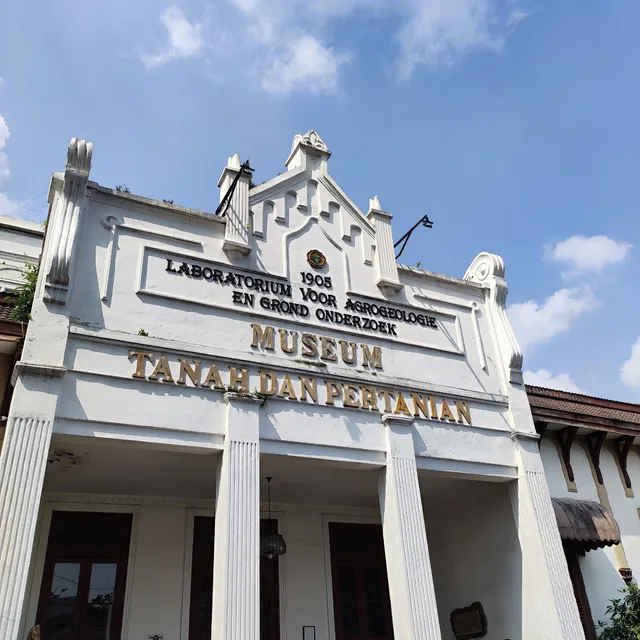
Museum Tanah dan Pertanian
4.7
(415)
Open until 12:00 AM
Click for details

Bogor Botanical Gardens
4.7
(32.4K)
Closed
Click for details
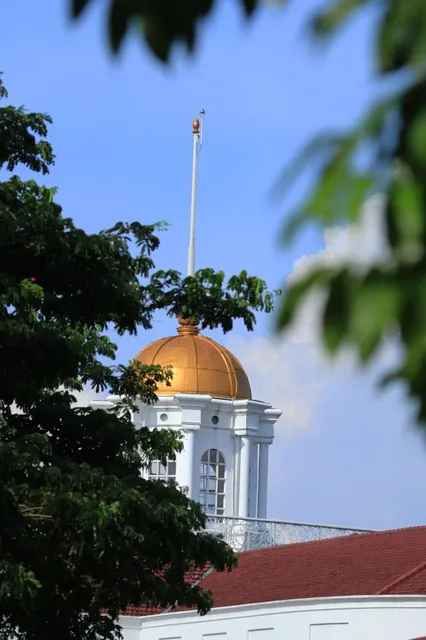
Museum Kepresidenan Balai Kirti
4.7
(551)
Open until 12:00 AM
Click for details

Kujang Monument
4.7
(6.1K)
Open 24 hours
Click for details
Nearby restaurants of Museum of Zoology (Museum Zoologicum Bogoriense)
Gaya Tunggal
Ichiban Sushi - Bogor Trade Mall
Resto Teras Corner
Gumati
Cyrano Korean Cafe
Timbel Khas Sunda
Favela Sunset Cafe & Bar
Resto Kencana
green leaf resto & cafetaria
RESTO BUMIA
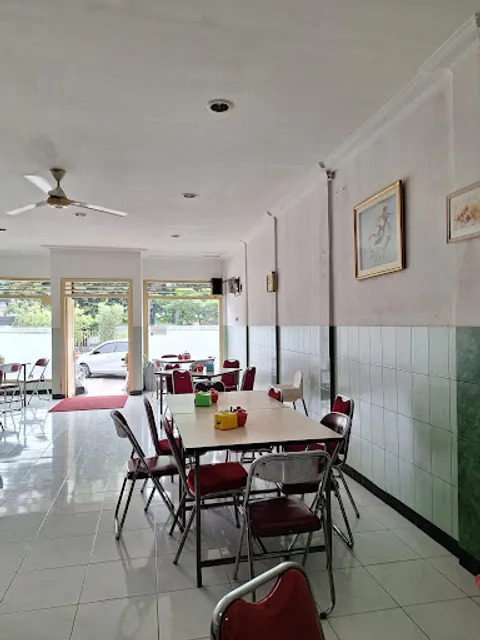
Gaya Tunggal
4.5
(519)
Closed
Click for details
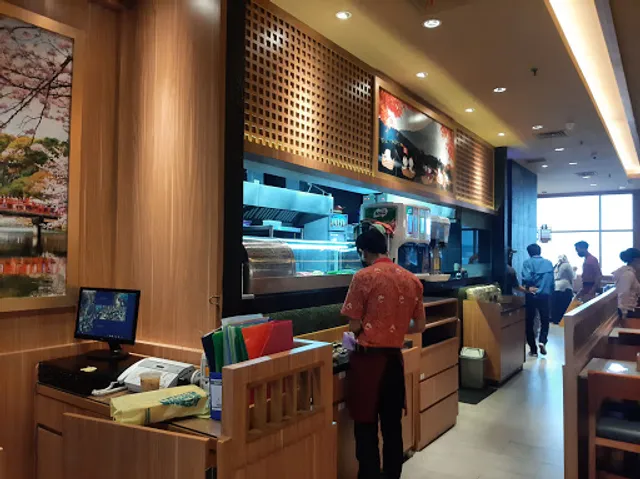
Ichiban Sushi - Bogor Trade Mall
4.3
(487)
Open until 9:00 PM
Click for details
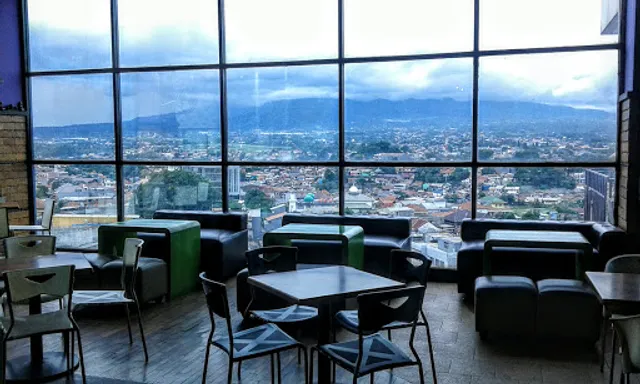
Resto Teras Corner
4.3
(61)
Open until 10:00 PM
Click for details
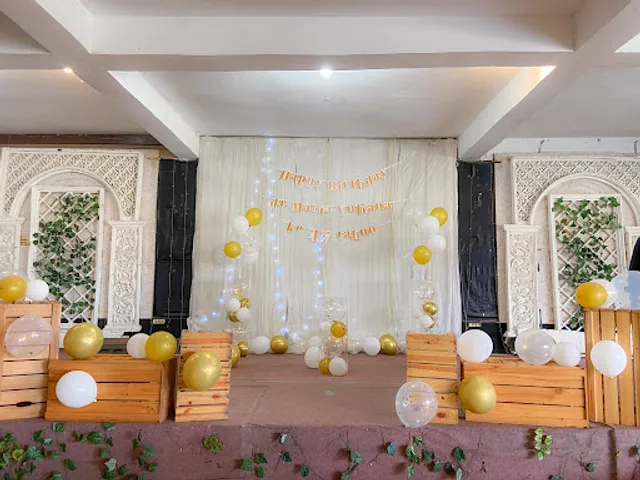
Gumati
4.7
(6.9K)
Open until 10:00 PM
Click for details
Nearby local services of Museum of Zoology (Museum Zoologicum Bogoriense)
Indonesian Museum of Ethnobotany
Church of Zebaoth
Catedral de la Santísima Virgen María
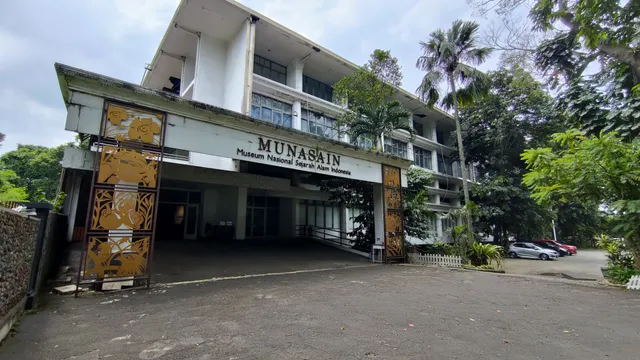
Indonesian Museum of Ethnobotany
4.6
(657)
Click for details
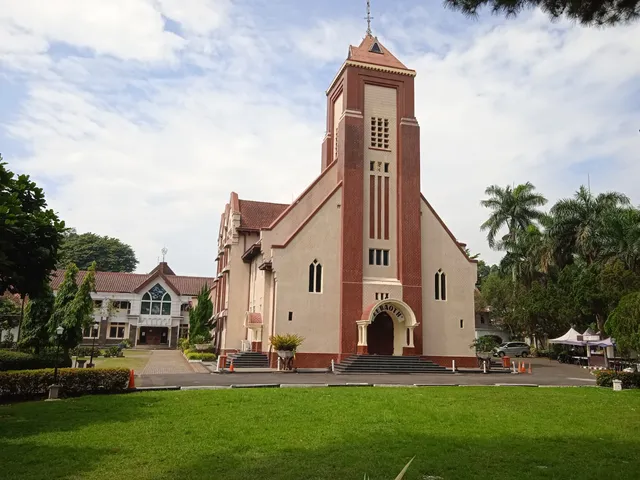
Church of Zebaoth
4.8
(582)
Click for details
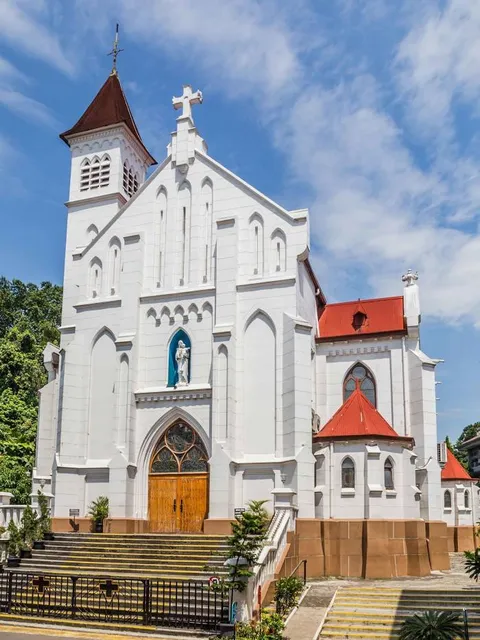
Catedral de la Santísima Virgen María
4.8
(1.4K)
Click for details