HTML SitemapExplore
logo
Find Things to DoFind The Best Restaurants

Museum Bank Indonesia — Attraction in Jakarta

Name
Museum Bank Indonesia
Description
Bank Indonesia Museum, also called in English officially as BI Museum, is a bank museum located in Jakarta, Indonesia. It was founded by Bank Indonesia and opened on 21 July 2009.
Nearby attractions
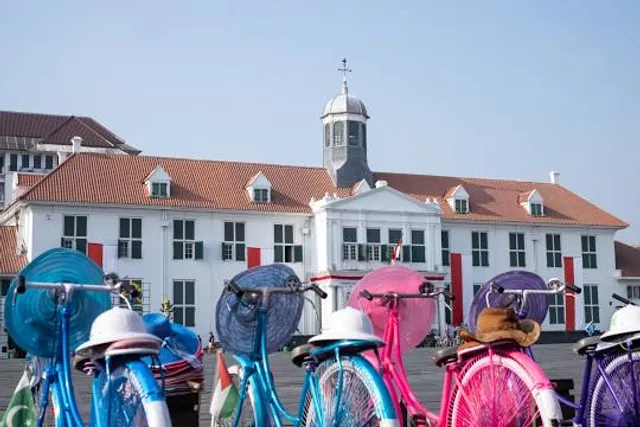
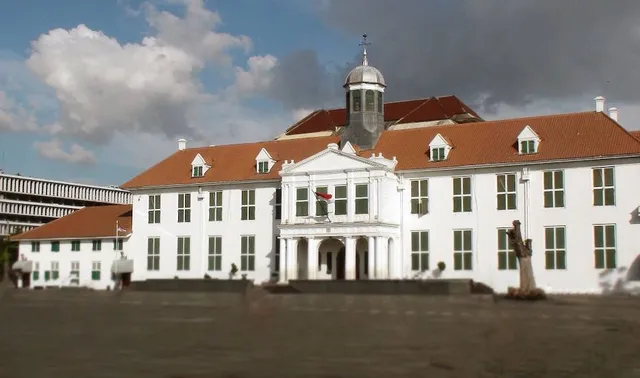
Jakarta History Museum
Taman Fatahillah No.1, Pinangsia, Kec. Taman Sari, Kota Jakarta Barat, Daerah Khusus Ibukota Jakarta 11110, Indonesia
Wisata Kota Tua Jakarta
Kawasan Kota Tua, Taman Fatahillah No.1 7, RT.7/RW.7, Pinangsia, Kec. Taman Sari, Kota Jakarta Barat, Daerah Khusus Ibukota Jakarta 11110, Indonesia
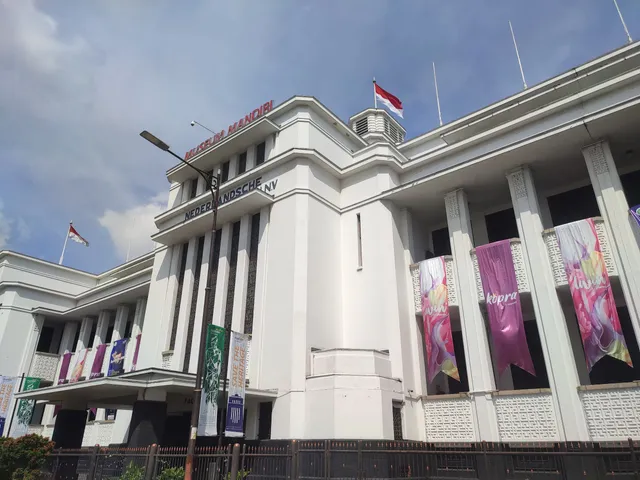
Museum Mandiri
Museum Mandiri, Jalan Lapangan Stasiun No.1, RT.3/RW.6, Pinangsia, Kec. Taman Sari, Kota Jakarta Barat, Daerah Khusus Ibukota Jakarta 11110, Indonesia
Taman Fatahillah
Jl. Lada Dalam No.7, RT.7/RW.7, Pinangsia, Kec. Taman Sari, Kota Jakarta Barat, Daerah Khusus Ibukota Jakarta 11110, Indonesia
Magic Art 3D Museum Jakarta
Jl. Kali Besar Tim. No.9, RT.3/RW.6, Pinangsia, Kec. Taman Sari, Kota Jakarta Barat, Daerah Khusus Ibukota Jakarta 11110, Indonesia
Toko Merah
Jl. Kali Besar Barat No.11, RT.7/RW.3, Roa Malaka, Kec. Tambora, Kota Jakarta Barat, Daerah Khusus Ibukota Jakarta 11230, Indonesia
Wayang Museum
Jalan Pintu Besar Utara No.27 Pinangsia, RT.3/RW.6, Kota Tua, Kec. Taman Sari, Kota Jakarta Barat, Daerah Khusus Ibukota Jakarta 11110, Indonesia
Fatahillah Old Town Museum
Jl. Pintu Besar Utara No.27, RT.7/RW.7, Pinangsia, Kec. Taman Sari, Kota Jakarta Barat, Daerah Khusus Ibukota Jakarta 11110, Indonesia
Museum of Fine Art and Ceramics
Jl. Pos Kota No.2 9, RT.9/RW.7, Pinangsia, Kec. Taman Sari, Kota Jakarta Barat, Daerah Khusus Ibukota Jakarta 11110, Indonesia
Jakarta Old Town
VR76+QQJ, Jl. Kali Besar Tim., RT.3/RW.6, Pinangsia, Kec. Taman Sari, Kota Jakarta Barat, Daerah Khusus Ibukota Jakarta 11110, Indonesia
Nearby restaurants
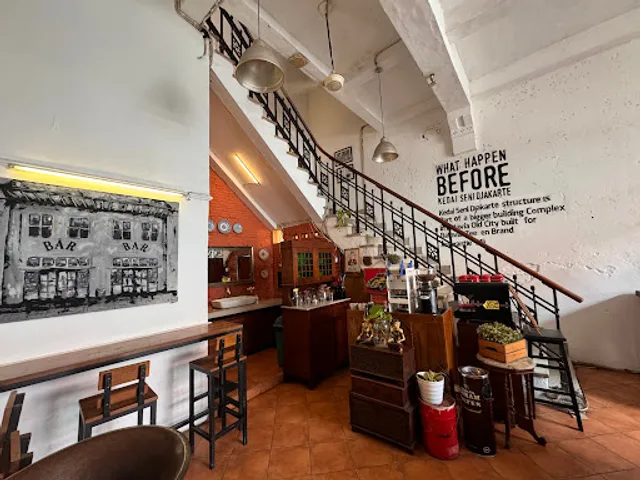
Kedai Seni Djakarté
Jl. Pintu Besar Utara. 17, Jl. Taman Sari Raya No.RT.4, RT.4/RW.6, Pinangsia, Kec. Taman Sari, Kota Jakarta Barat, Daerah Khusus Ibukota Jakarta 11110, Indonesia
Café Batavia
Jl. Pintu Besar Utara No.14, RT.7/RW.6, Pinangsia, Kec. Taman Sari, Kota Jakarta Barat, Daerah Khusus Ibukota Jakarta 11110, Indonesia
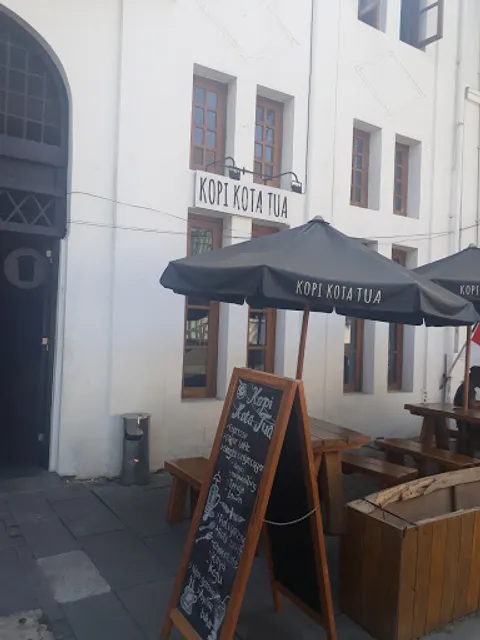
Kedai Kota Toea
Jl. Pintu Besar Utara No.11, Pinangsia, Kec. Taman Sari, Kota Jakarta Barat, Daerah Khusus Ibukota Jakarta 11110, Indonesia
A&W Stasiun Kota
Jl. Taman Stasiun Kota. 1, Jalan Stasiun Kota No.8, RT.8/RW.6, Pinangsia, Kec. Taman Sari, Kota Jakarta Barat, Daerah Khusus Ibukota Jakarta 11110, Indonesia
Kantin Mega Rasa
Jl. Kali Besar Tim. No.5, RT.7/RW.7, Pinangsia, Kec. Taman Sari, Kota Jakarta Barat, Daerah Khusus Ibukota Jakarta 11110, Indonesia
Kedai Soto Tangkar & Sate Kuah Daging Sapi H. Diding
Jl Pasar Pagi II No.2 2, RT.2/RW.2, Roa Malaka, Kec. Tambora, Kota Jakarta Barat, Daerah Khusus Ibukota Jakarta 11230, Indonesia
Kopi Es Tak Kie
Jl. Pintu Besar Selatan III Gang Gloria No.4 6, RT.7/RW.6, Pinangsia, Kec. Taman Sari, Kota Jakarta Barat, Daerah Khusus Ibukota Jakarta 11110, Indonesia
KFC
Jl. St. Kota No.48 8, RT.8/RW.6, Pinangsia, Kec. Taman Sari, Kota Jakarta Barat, Daerah Khusus Ibukota Jakarta 11110, Indonesia
A&W Kota Tua
Jl. Pintu Besar Utara No.31/33, RT.4/RW.6, Pinangsia, Kec. Taman Sari, Kota Jakarta Barat, Daerah Khusus Ibukota Jakarta 11110, Indonesia
Santong Kuotieh 68
Jl. Pancoran No.73, RT.1/RW.6, Pinangsia, Kec. Taman Sari, Kota Jakarta Barat, Daerah Khusus Ibukota Jakarta 11110, Indonesia
Nearby hotels
Wonderloft Hostel
Jl. Bank No.6, RT.3/RW.6, Pinangsia, Kec. Taman Sari, Kota Jakarta Barat, Daerah Khusus Ibukota Jakarta 11110, Indonesia
Mel's Dorm
Gedung Kertaniaga, Kota Tua, Jl. Kali Besar Tim. No.8, RT.3/RW.3, Pinangsia, Kec. Taman Sari, Kota Jakarta Barat, Daerah Khusus Ibukota Jakarta 11110, Indonesia
Bobopod Kota Tua, Jakarta
Taman Fatahillah No.3, RT.7/RW.7, Pinangsia, Kec. Taman Sari, Kota Jakarta Barat, Daerah Khusus Ibukota Jakarta 11110, Indonesia
Dequr
7, Jl. Kali Besar Barat No.27, RT.7/RW.3, Roa Malaka, Kec. Tambora, Kota Jakarta Barat, Daerah Khusus Ibukota Jakarta 11230, Indonesia
House of Tugu, Old Town Jakarta
Jl. Kali Besar Barat No.26, RT.7/RW.3, Roa Malaka, Kec. Tambora, Kota Jakarta Barat, Daerah Khusus Ibukota Jakarta 11230, Indonesia
Wisma NIAGA
1 No.20, Jl. Ps. Pagi Raya, Roa Malaka, Kec. Tambora, Kota Jakarta Barat, Daerah Khusus Ibukota Jakarta 11230, Indonesia
Mercure Jakarta Batavia
Jl. Kali Besar Barat No.44-46, Roa Malaka, Kec. Tambora, Kota Jakarta Barat, Daerah Khusus Ibukota Jakarta 11230, Indonesia
HOTEL MUTIARA Kota Tua
Jl. Pintu Besar Selatan No.71-71A, RT.7/RW.6, Pinangsia, Kec. Taman Sari, Kota Jakarta Barat, Daerah Khusus Ibukota Jakarta 11210, Indonesia
Twins Manggadua
Jl. Mangga Dua Raya No.24, RT.3/RW.4, Pinangsia, Kec. Taman Sari, Kota Jakarta Barat, Daerah Khusus Ibukota Jakarta 11110, Indonesia
RedDoorz Plus near Jakarta Kota Station
Jl. Pintu Besar Selatan, Pinangsia, Kec. Taman Sari, Jakarta, Daerah Khusus Ibukota Jakarta 11110, Indonesia
Related posts
Keywords
Museum Bank Indonesia tourism.Museum Bank Indonesia hotels.Museum Bank Indonesia bed and breakfast. flights to Museum Bank Indonesia.Museum Bank Indonesia attractions.Museum Bank Indonesia restaurants.Museum Bank Indonesia travel.Museum Bank Indonesia travel guide.Museum Bank Indonesia travel blog.Museum Bank Indonesia pictures.Museum Bank Indonesia photos.Museum Bank Indonesia travel tips.Museum Bank Indonesia maps.Museum Bank Indonesia things to do.
Museum Bank Indonesia things to do, attractions, restaurants, events info and trip planning
Museum Bank Indonesia
IndonesiaJakartaMuseum Bank Indonesia

Basic Info

Museum Bank Indonesia

Jl. Pintu Besar Utara No.3, RT.4/RW.6, Pinangsia, Kec. Taman Sari, Kota Jakarta Barat, Daerah Khusus Ibukota Jakarta 11110, Indonesia
4.7(4.5K)
Open 24 hours
Save
spot

Ratings & Description

Info

Bank Indonesia Museum, also called in English officially as BI Museum, is a bank museum located in Jakarta, Indonesia. It was founded by Bank Indonesia and opened on 21 July 2009.

Cultural
Accessibility
attractions: Jakarta History Museum, Wisata Kota Tua Jakarta, Museum Mandiri, Taman Fatahillah, Magic Art 3D Museum Jakarta, Toko Merah, Wayang Museum, Fatahillah Old Town Museum, Museum of Fine Art and Ceramics, Jakarta Old Town, restaurants: Kedai Seni Djakarté, Café Batavia, Kedai Kota Toea, A&W Stasiun Kota, Kantin Mega Rasa, Kedai Soto Tangkar & Sate Kuah Daging Sapi H. Diding, Kopi Es Tak Kie, KFC, A&W Kota Tua, Santong Kuotieh 68
logoLearn more insights from Wanderboat AI.
Phone
+62 21 1500131
Website
bi.go.id

Plan your stay

hotel
Pet-friendly Hotels in Jakarta
Find a cozy hotel nearby and make it a full experience.

hotel
Affordable Hotels in Jakarta
Find a cozy hotel nearby and make it a full experience.

hotel
The Coolest Hotels You Haven't Heard Of (Yet)
Find a cozy hotel nearby and make it a full experience.

hotel
Trending Stays Worth the Hype in Jakarta
Find a cozy hotel nearby and make it a full experience.

Reviews

Nearby attractions of Museum Bank Indonesia

Jakarta History Museum

Wisata Kota Tua Jakarta

Museum Mandiri

Taman Fatahillah

Magic Art 3D Museum Jakarta

Toko Merah

Wayang Museum

Fatahillah Old Town Museum

Museum of Fine Art and Ceramics

Jakarta Old Town

Jakarta History Museum

Jakarta History Museum

4.6

(8.4K)

Open 24 hours
Click for details
Wisata Kota Tua Jakarta

Wisata Kota Tua Jakarta

4.6

(9.3K)

Open 24 hours
Click for details
Museum Mandiri

Museum Mandiri

4.7

(1.2K)

Open 24 hours
Click for details
Taman Fatahillah

Taman Fatahillah

4.6

(11.2K)

Open 24 hours
Click for details

Things to do nearby

Explore Jakartas layers
Wed, Dec 10 • 8:00 AM
Menteng, Jakarta, 10350, Indonesia
View details
Jakarta Social and Political Walk
Tue, Dec 9 • 3:00 PM
Sawah Besar, Jakarta, 10710, Indonesia
View details
Batik Story: Craft Your Own Piece
Tue, Dec 9 • 12:00 PM
Kaum Jakarta Menteng, Jakarta, 10310, Indonesia
View details

Nearby restaurants of Museum Bank Indonesia

Kedai Seni Djakarté

Café Batavia

Kedai Kota Toea

A&W Stasiun Kota

Kantin Mega Rasa

Kedai Soto Tangkar & Sate Kuah Daging Sapi H. Diding
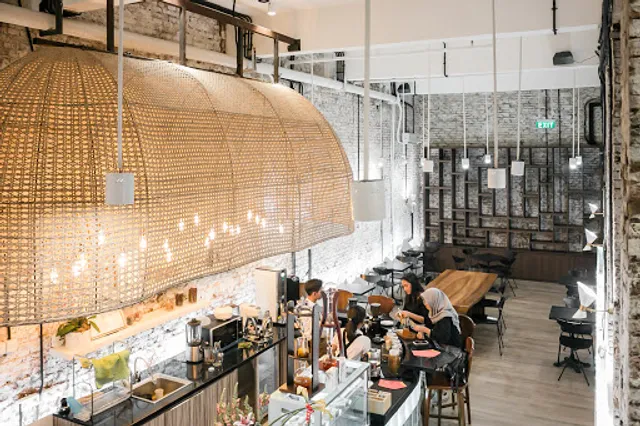
Kopi Es Tak Kie

KFC

A&W Kota Tua

Santong Kuotieh 68

Kedai Seni Djakarté

Kedai Seni Djakarté

4.5

(910)

Click for details
Café Batavia

Café Batavia

4.5

(3.7K)

$$$

Click for details
Kedai Kota Toea

Kedai Kota Toea

4.6

(129)

Click for details
A&W Stasiun Kota

A&W Stasiun Kota

4.3

(283)

Click for details
Get the Appoverlay
Get the AppOne tap to find yournext favorite spots!
Wanderboat LogoWanderboat

Your everyday Al companion for getaway ideas

CompanyAbout Us
InformationAI Trip PlannerSitemap
SocialXInstagramTiktokLinkedin
LegalTerms of ServicePrivacy Policy

Get the app

© 2025 Wanderboat. All rights reserved.
logo

Reviews of Museum Bank Indonesia

4.7
(4,469)
avatar
5.0
1y

Museum Bank Indonesia: A Journey Through Economic History

Located in the historic Kota Tua district of Jakarta, Museum Bank Indonesia stands as a testament to Indonesia’s rich economic history. Housed in a stunning colonial-era building that once served as the headquarters of De Javasche Bank (the predecessor to Bank Indonesia), this museum offers an engaging and educational experience for visitors of all ages.

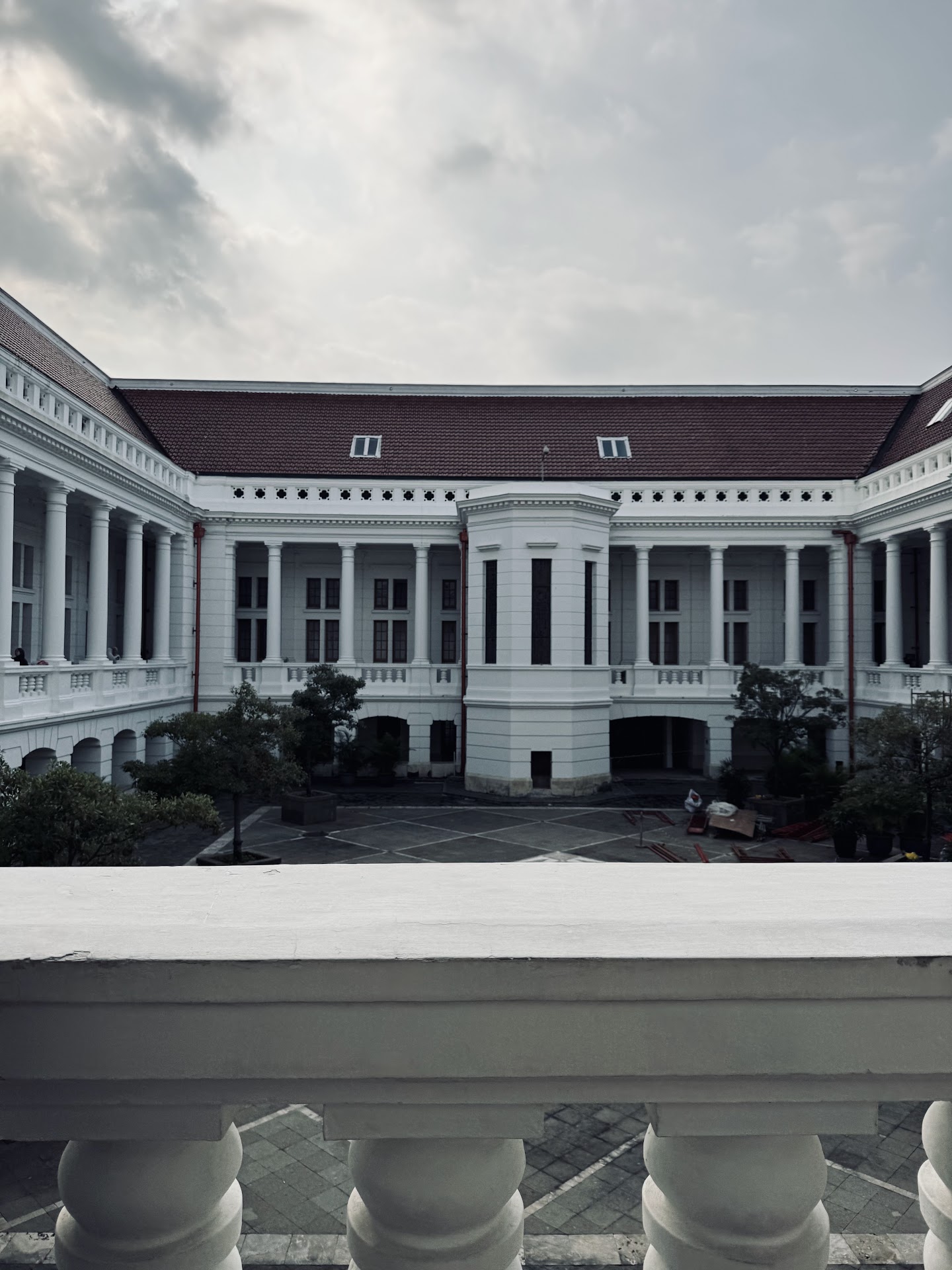
Architecture and Setting The first thing that strikes visitors about Museum Bank Indonesia is the grandeur of its architecture. The building itself is a historical artifact, with its elegant neoclassical design and meticulously preserved interiors. High ceilings, ornate details, and the imposing facade evoke a sense of the building’s past importance. The juxtaposition of modern museum displays within this historical setting creates a unique and visually appealing experience.

Exhibits and Collections The museum’s exhibits are thoughtfully curated to provide a comprehensive overview of Indonesia’s monetary history and the role of Bank Indonesia in shaping the country’s economy. The journey begins with the early barter system and progresses through the introduction of currency, colonial-era banking practices, and the establishment of modern monetary policies.

Interactive displays, multimedia presentations, and a variety of historical artifacts, including old banknotes, coins, and banking equipment, make the exhibits both informative and engaging. Highlights include a detailed history of the Indonesian rupiah, the impact of global economic events on Indonesia, and the evolution of banking technology.

Educational Value Museum Bank Indonesia excels in its educational mission. The exhibits are designed to cater to a wide audience, from school children to financial professionals. Informative panels and multimedia displays are available in both Indonesian and English, making the museum accessible to international visitors. Guided tours are also available, offering deeper insights into the exhibits and the history they represent.

Visitor Experience The museum’s layout is logical and easy to navigate, with clear signposting and well-organized sections. The staff is friendly and knowledgeable, often ready to assist with additional information or answer questions. The museum also features a gift shop with unique souvenirs and a small café where visitors can relax and reflect on their visit.

Overall Impression Museum Bank Indonesia is more than just a museum; it is a portal into the economic history and development of Indonesia. The blend of historical architecture, well-curated exhibits, and interactive displays makes it a standout attraction in Jakarta. Whether you are a history enthusiast, an economist, or simply curious about Indonesia’s past, this museum provides a rich and rewarding experience.

In summary, Museum Bank Indonesia offers an enlightening and enjoyable journey through the nation’s economic history, making it a must-visit for anyone interested in understanding the financial foundations...

   Read more
avatar
5.0
6y

Museum Bank Indonesia is a very good museum to provide historical information about monetary and finance sectors in Indonesia. It occupies the Bank Indonesia Kota building which was previously used by De Javasche Bank, a building that also has a high historical values. The government has designated the building as a cultural heritage building. Apart from historical buildings, BI also has historical objects and documents to provide information that is very useful for the community. The museum was built based on the desire to be able to provide knowledge to the public regarding the role of BI in the course of the nation's history, including providing an understanding of the background and impact of BI policies taken from time to time. The preservation of the BI Kota building is in line with the policies of the Jakarta Capital City Government which has declared the Kota area as the old town development area of ​​Jakarta. In fact, BI is expected to be a pioneer of the restoration and revitalization of historic buildings in the Kota old town area. This has, among other things, taken into consideration the emergence of the notion of the importance of the existence of the Bank Indonesia Museum, which is expected to be an institution to collect, store, maintain, secure and utilize various objects related to BI's long journey. The BI Museum is currently also a vehicle for BI policy communication for the community, so that the public can find out the latest BI policies issued by BI. In order to support the development of the old city area as a tourist destination in DKI Jakarta, it is very appropriate if the BI Kota building which has been designated as a cultural heritage building by the government, is used as a Museum of Bank Indonesia. The existence of this museum is expected to be in line and in encouraging the development of the tourism sector along with other museums that are now around, such as the Fatahillah Museum, Puppet Museum, Ceramics Museum, and Maritime Museum in the Fish Market area. The existence of the Bank Indonesia will mean the realization of a central bank museum in Indonesia, which has a mission to search for, collect, store and treat historical objects and documents that are currently owned, therefore they become important figures for the community. The BI Museum is also expected to be a vehicle for education and research for the Indonesian and international communities about BI's functions and duties. Therefore, this museum is very important to visit, especially with family or kids, so we can search for explanation about monetary history...

   Read more
avatar
5.0
21w

A Hidden Gem for Those Who Love Money, Trade, and History.

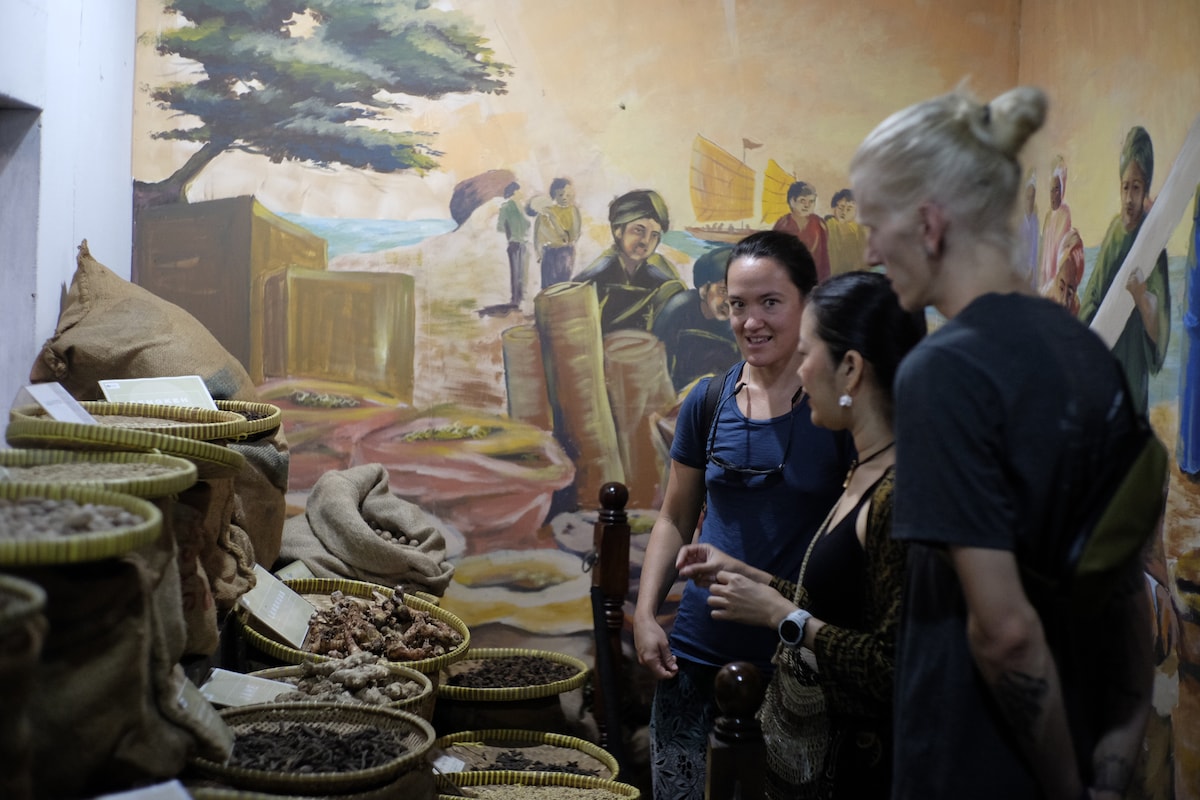
Visiting the Bank Indonesia Museum was absolutely worth it! As someone who loves and cares about finance, this museum gave me a new perspective on Indonesia's economic and trade history. It takes you through the journey of how commodities like spices shaped the nation's fate, from the bustling spice trade that sparked global interest, to colonialism, and eventually to the foundation of the modern banking system.

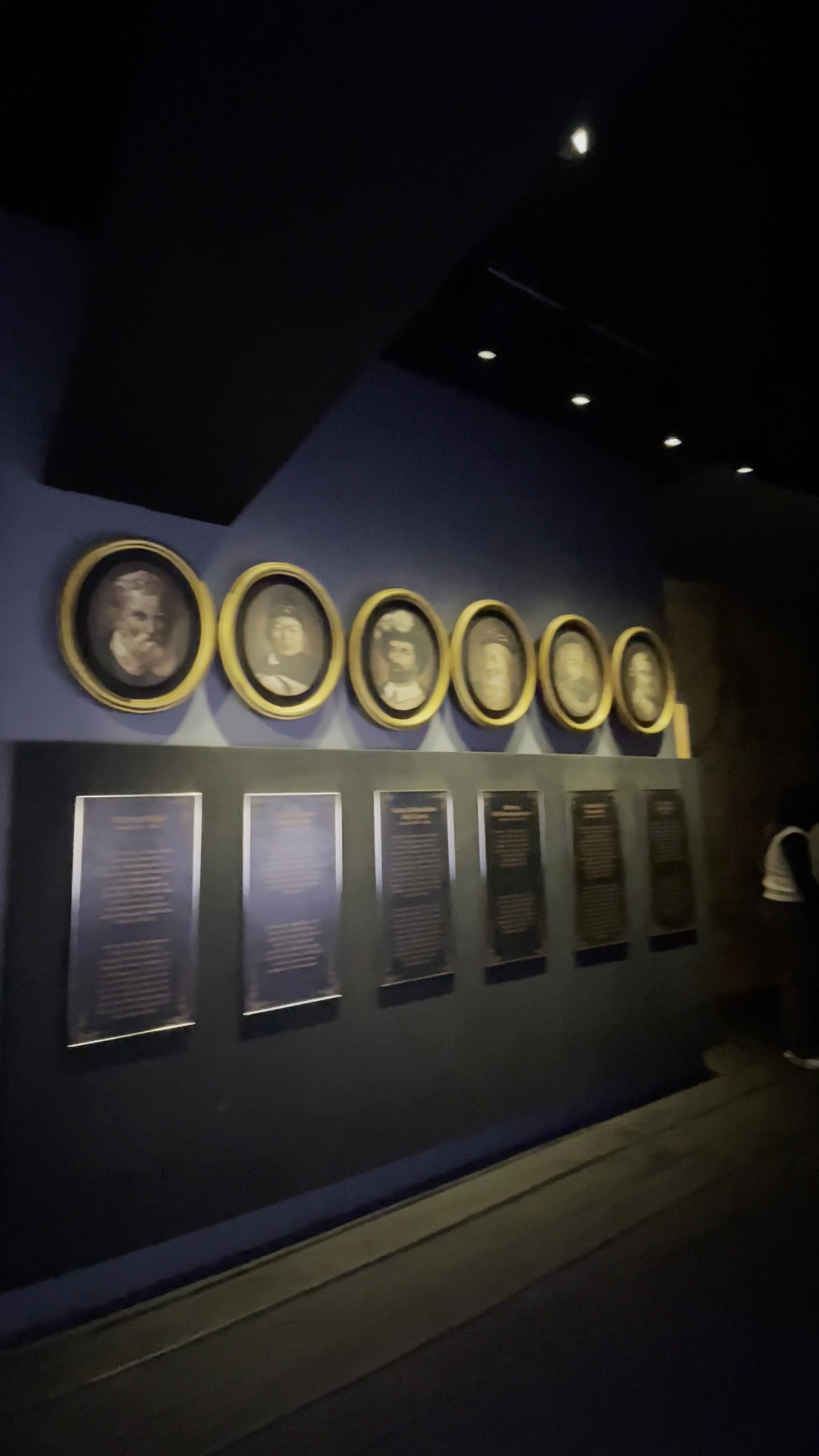
I learned so much about Indonesia’s monetary history, the development of the perbankan (banking) system, and how trade shaped our national identity. What stood out to me were the realistic wax figures that brought scenes of historical trading and banking to life. The rooms still preserve the elegance of the original Dutch architecture, making you feel like you’ve truly stepped back in time.

This museum is housed in one of the oldest buildings built by the VOC (Dutch East India Company). When they first arrived in Batavia, one of their first moves was to establish a bank, making trade and transactions easier and more controlled.

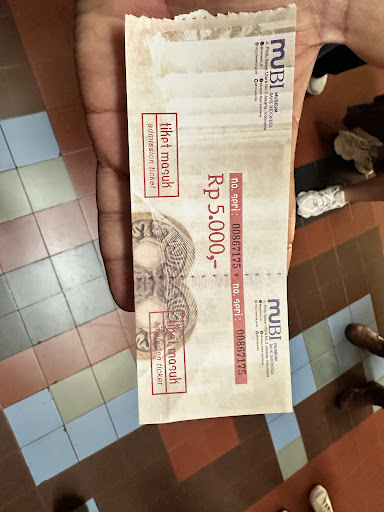
Tickets are only Rp5,000 per person, which is a great deal considering the experience you get. I bought my ticket on the spot, and the service was fast and efficient. Surprisingly, the museum wasn’t crowded, which made the visit even more enjoyable.

The best photo spot? Definitely the balcony area near the director’s room, overlooking the inner courtyard. Unfortunately, some areas were under construction during my visit, and part of the exhibition was closed.

Before leaving, I noticed there’s an immersive room at the end of the tour, I didn’t get to try it this time because it seems to only open at 9:00 AM, but I’m looking forward to returning just for that.

Highly recommended for anyone interested in history, economics, and architecture. Quiet, elegant, and deeply...

   Read more
Page 1 of 7
Previous
Next

Posts

Emran BhattiEmran Bhatti
Museum Bank Indonesia: A Journey Through Economic History Located in the historic Kota Tua district of Jakarta, Museum Bank Indonesia stands as a testament to Indonesia’s rich economic history. Housed in a stunning colonial-era building that once served as the headquarters of De Javasche Bank (the predecessor to Bank Indonesia), this museum offers an engaging and educational experience for visitors of all ages. Architecture and Setting The first thing that strikes visitors about Museum Bank Indonesia is the grandeur of its architecture. The building itself is a historical artifact, with its elegant neoclassical design and meticulously preserved interiors. High ceilings, ornate details, and the imposing facade evoke a sense of the building’s past importance. The juxtaposition of modern museum displays within this historical setting creates a unique and visually appealing experience. Exhibits and Collections The museum’s exhibits are thoughtfully curated to provide a comprehensive overview of Indonesia’s monetary history and the role of Bank Indonesia in shaping the country’s economy. The journey begins with the early barter system and progresses through the introduction of currency, colonial-era banking practices, and the establishment of modern monetary policies. Interactive displays, multimedia presentations, and a variety of historical artifacts, including old banknotes, coins, and banking equipment, make the exhibits both informative and engaging. Highlights include a detailed history of the Indonesian rupiah, the impact of global economic events on Indonesia, and the evolution of banking technology. Educational Value Museum Bank Indonesia excels in its educational mission. The exhibits are designed to cater to a wide audience, from school children to financial professionals. Informative panels and multimedia displays are available in both Indonesian and English, making the museum accessible to international visitors. Guided tours are also available, offering deeper insights into the exhibits and the history they represent. Visitor Experience The museum’s layout is logical and easy to navigate, with clear signposting and well-organized sections. The staff is friendly and knowledgeable, often ready to assist with additional information or answer questions. The museum also features a gift shop with unique souvenirs and a small café where visitors can relax and reflect on their visit. Overall Impression Museum Bank Indonesia is more than just a museum; it is a portal into the economic history and development of Indonesia. The blend of historical architecture, well-curated exhibits, and interactive displays makes it a standout attraction in Jakarta. Whether you are a history enthusiast, an economist, or simply curious about Indonesia’s past, this museum provides a rich and rewarding experience. In summary, Museum Bank Indonesia offers an enlightening and enjoyable journey through the nation’s economic history, making it a must-visit for anyone interested in understanding the financial foundations of Indonesia.
atiratir
A Hidden Gem for Those Who Love Money, Trade, and History. Visiting the Bank Indonesia Museum was absolutely worth it! As someone who loves and cares about finance, this museum gave me a new perspective on Indonesia's economic and trade history. It takes you through the journey of how commodities like spices shaped the nation's fate, from the bustling spice trade that sparked global interest, to colonialism, and eventually to the foundation of the modern banking system. I learned so much about Indonesia’s monetary history, the development of the perbankan (banking) system, and how trade shaped our national identity. What stood out to me were the realistic wax figures that brought scenes of historical trading and banking to life. The rooms still preserve the elegance of the original Dutch architecture, making you feel like you’ve truly stepped back in time. This museum is housed in one of the oldest buildings built by the VOC (Dutch East India Company). When they first arrived in Batavia, one of their first moves was to establish a bank, making trade and transactions easier and more controlled. Tickets are only Rp5,000 per person, which is a great deal considering the experience you get. I bought my ticket on the spot, and the service was fast and efficient. Surprisingly, the museum wasn’t crowded, which made the visit even more enjoyable. The best photo spot? Definitely the balcony area near the director’s room, overlooking the inner courtyard. Unfortunately, some areas were under construction during my visit, and part of the exhibition was closed. Before leaving, I noticed there’s an immersive room at the end of the tour, I didn’t get to try it this time because it seems to only open at 9:00 AM, but I’m looking forward to returning just for that. Highly recommended for anyone interested in history, economics, and architecture. Quiet, elegant, and deeply educational.
JC CuetoJC Cueto
The Museum Bank Indonesia, located in Jakarta, Indonesia, is a captivating institution that provides visitors with a unique blend of history, culture, and finance. The museum is housed in a beautifully preserved colonial-era bank building, which in itself is a testament to Indonesia's rich history. The museum's location in an old Dutch colonial bank building is striking, with its neoclassical architecture and charming courtyard. The building alone is a visual treat and offers a glimpse into Indonesia's colonial past. Museum Bank Indonesia is not just about finance; it's a gateway to Indonesia's history. The exhibits walk you through the evolution of currency, banking, and the economic history of the country. This provides a deep understanding of Indonesia's journey from pre-independence to the modern era. One of the museum's highlights is its extensive collection of currency from various periods. It's fascinating to see how money has evolved over time in Indonesia, from ancient coins to modern banknotes. The displays are informative and well-organized. Museum Bank Indonesia is a great place for students and anyone interested in economics, history, and culture. It offers knowledge into the financial world and Indonesia's past and present. The museum is well-maintained, and the staff is knowledgeable and helpful. It's relatively vast and can be explored in a couple of hours. Museum Bank Indonesia is a hidden gem in Jakarta, offering a well-rounded experience that combines history, culture, and finance. Whether you're a history enthusiast, a student, or a traveler interested in understanding the local culture, this museum is worth a visit.
See more posts
See more posts
hotel
Find your stay

Pet-friendly Hotels in Jakarta

Find a cozy hotel nearby and make it a full experience.

Museum Bank Indonesia: A Journey Through Economic History Located in the historic Kota Tua district of Jakarta, Museum Bank Indonesia stands as a testament to Indonesia’s rich economic history. Housed in a stunning colonial-era building that once served as the headquarters of De Javasche Bank (the predecessor to Bank Indonesia), this museum offers an engaging and educational experience for visitors of all ages. Architecture and Setting The first thing that strikes visitors about Museum Bank Indonesia is the grandeur of its architecture. The building itself is a historical artifact, with its elegant neoclassical design and meticulously preserved interiors. High ceilings, ornate details, and the imposing facade evoke a sense of the building’s past importance. The juxtaposition of modern museum displays within this historical setting creates a unique and visually appealing experience. Exhibits and Collections The museum’s exhibits are thoughtfully curated to provide a comprehensive overview of Indonesia’s monetary history and the role of Bank Indonesia in shaping the country’s economy. The journey begins with the early barter system and progresses through the introduction of currency, colonial-era banking practices, and the establishment of modern monetary policies. Interactive displays, multimedia presentations, and a variety of historical artifacts, including old banknotes, coins, and banking equipment, make the exhibits both informative and engaging. Highlights include a detailed history of the Indonesian rupiah, the impact of global economic events on Indonesia, and the evolution of banking technology. Educational Value Museum Bank Indonesia excels in its educational mission. The exhibits are designed to cater to a wide audience, from school children to financial professionals. Informative panels and multimedia displays are available in both Indonesian and English, making the museum accessible to international visitors. Guided tours are also available, offering deeper insights into the exhibits and the history they represent. Visitor Experience The museum’s layout is logical and easy to navigate, with clear signposting and well-organized sections. The staff is friendly and knowledgeable, often ready to assist with additional information or answer questions. The museum also features a gift shop with unique souvenirs and a small café where visitors can relax and reflect on their visit. Overall Impression Museum Bank Indonesia is more than just a museum; it is a portal into the economic history and development of Indonesia. The blend of historical architecture, well-curated exhibits, and interactive displays makes it a standout attraction in Jakarta. Whether you are a history enthusiast, an economist, or simply curious about Indonesia’s past, this museum provides a rich and rewarding experience. In summary, Museum Bank Indonesia offers an enlightening and enjoyable journey through the nation’s economic history, making it a must-visit for anyone interested in understanding the financial foundations of Indonesia.
Emran Bhatti

Emran Bhatti

hotel
Find your stay

Affordable Hotels in Jakarta

Find a cozy hotel nearby and make it a full experience.

Get the Appoverlay
Get the AppOne tap to find yournext favorite spots!
A Hidden Gem for Those Who Love Money, Trade, and History. Visiting the Bank Indonesia Museum was absolutely worth it! As someone who loves and cares about finance, this museum gave me a new perspective on Indonesia's economic and trade history. It takes you through the journey of how commodities like spices shaped the nation's fate, from the bustling spice trade that sparked global interest, to colonialism, and eventually to the foundation of the modern banking system. I learned so much about Indonesia’s monetary history, the development of the perbankan (banking) system, and how trade shaped our national identity. What stood out to me were the realistic wax figures that brought scenes of historical trading and banking to life. The rooms still preserve the elegance of the original Dutch architecture, making you feel like you’ve truly stepped back in time. This museum is housed in one of the oldest buildings built by the VOC (Dutch East India Company). When they first arrived in Batavia, one of their first moves was to establish a bank, making trade and transactions easier and more controlled. Tickets are only Rp5,000 per person, which is a great deal considering the experience you get. I bought my ticket on the spot, and the service was fast and efficient. Surprisingly, the museum wasn’t crowded, which made the visit even more enjoyable. The best photo spot? Definitely the balcony area near the director’s room, overlooking the inner courtyard. Unfortunately, some areas were under construction during my visit, and part of the exhibition was closed. Before leaving, I noticed there’s an immersive room at the end of the tour, I didn’t get to try it this time because it seems to only open at 9:00 AM, but I’m looking forward to returning just for that. Highly recommended for anyone interested in history, economics, and architecture. Quiet, elegant, and deeply educational.
atir

atir

hotel
Find your stay

The Coolest Hotels You Haven't Heard Of (Yet)

Find a cozy hotel nearby and make it a full experience.

hotel
Find your stay

Trending Stays Worth the Hype in Jakarta

Find a cozy hotel nearby and make it a full experience.

The Museum Bank Indonesia, located in Jakarta, Indonesia, is a captivating institution that provides visitors with a unique blend of history, culture, and finance. The museum is housed in a beautifully preserved colonial-era bank building, which in itself is a testament to Indonesia's rich history. The museum's location in an old Dutch colonial bank building is striking, with its neoclassical architecture and charming courtyard. The building alone is a visual treat and offers a glimpse into Indonesia's colonial past. Museum Bank Indonesia is not just about finance; it's a gateway to Indonesia's history. The exhibits walk you through the evolution of currency, banking, and the economic history of the country. This provides a deep understanding of Indonesia's journey from pre-independence to the modern era. One of the museum's highlights is its extensive collection of currency from various periods. It's fascinating to see how money has evolved over time in Indonesia, from ancient coins to modern banknotes. The displays are informative and well-organized. Museum Bank Indonesia is a great place for students and anyone interested in economics, history, and culture. It offers knowledge into the financial world and Indonesia's past and present. The museum is well-maintained, and the staff is knowledgeable and helpful. It's relatively vast and can be explored in a couple of hours. Museum Bank Indonesia is a hidden gem in Jakarta, offering a well-rounded experience that combines history, culture, and finance. Whether you're a history enthusiast, a student, or a traveler interested in understanding the local culture, this museum is worth a visit.
JC Cueto

JC Cueto

See more posts
See more posts