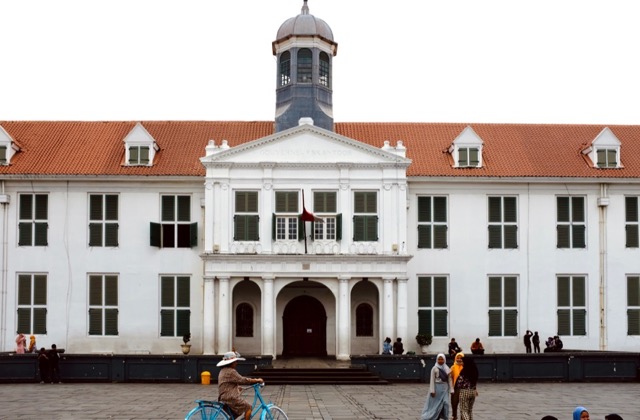
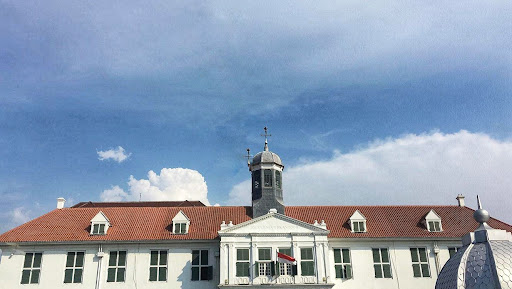
Jakarta History Museum things to do, attractions, restaurants, events info and trip planning
Basic Info
Jakarta History Museum
Taman Fatahillah No.1, Pinangsia, Kec. Taman Sari, Kota Jakarta Barat, Daerah Khusus Ibukota Jakarta 11110, Indonesia
4.6(238)
Closed
Save
spot
spot
Ratings & Description
Info
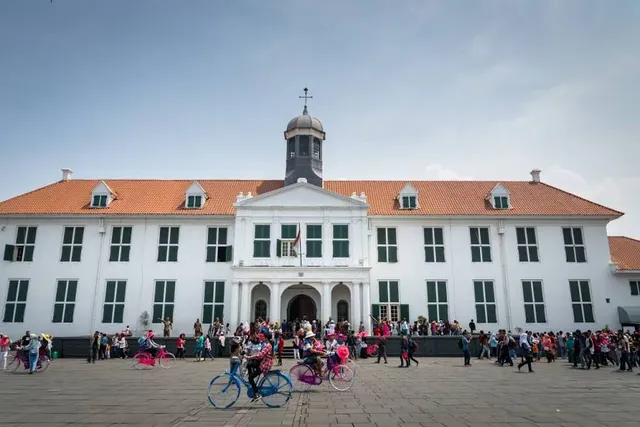
The Jakarta History Museum, also known as Fatahillah Museum or Batavia Museum, is located in the Old Town of Jakarta, Indonesia. The building was built in 1710 as the Stadhuis of Batavia.
Cultural
Family friendly
Accessibility
attractions: Wisata Kota Tua Jakarta, Taman Fatahillah, Wayang Museum, Fatahillah Old Town Museum, Museum Bank Indonesia, Museum of Fine Art and Ceramics, Magic Art 3D Museum Jakarta, Toko Merah, Museum Mandiri, Jakarta Old Town, restaurants: Café Batavia, Kedai Seni Djakarté, acaraki Jamu Kota Tua, Kantin Mega Rasa, Kopi Kota Tua Jakarta, Kedai Kota Toea, Mixue Kota Tua, NEW BATAVIA Cafe, A&W Kota Tua, RODE WINKEL Coffee & Savoury, local businesses: Toko Merah, Jembatan Kota Intan, Glodok Chinatown Market, Kali Besar, PASAR GLODOK CITY JAKARTA KOTA, Batavia Fortress, Yayasan Vihara Dharma Jaya TOASEBIO, Petak Sembilan Market
 Learn more insights from Wanderboat AI.
Phone
+62 21 6929101
Open hoursSee all hours
FriClosed
Plan your stay

Pet-friendly Hotels in Jakarta
Find a cozy hotel nearby and make it a full experience.

Affordable Hotels in Jakarta
Find a cozy hotel nearby and make it a full experience.

The Coolest Hotels You Haven't Heard Of (Yet)
Find a cozy hotel nearby and make it a full experience.

Trending Stays Worth the Hype in Jakarta
Find a cozy hotel nearby and make it a full experience.
Reviews
Live events
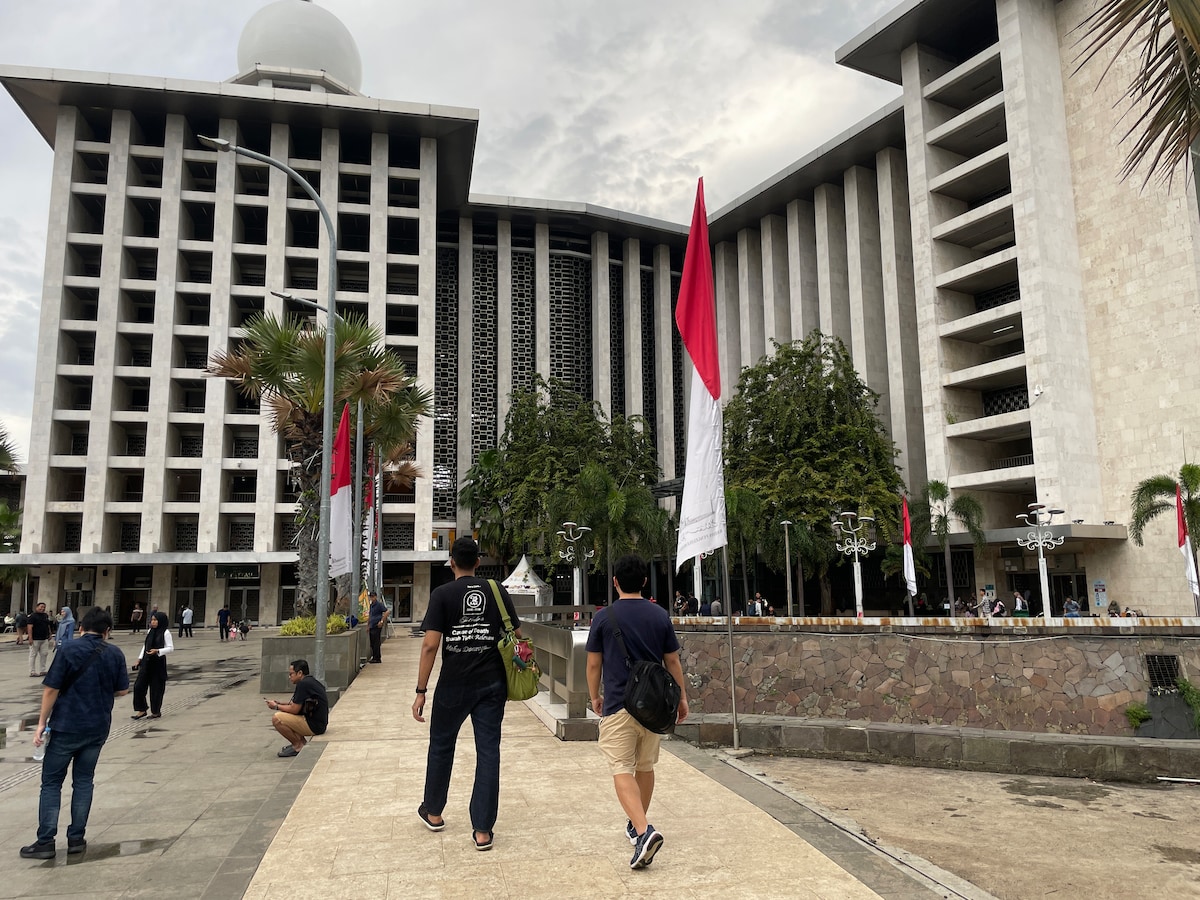
Jakarta Social and Political Walk
Wed, Feb 18 • 7:00 PM
Sawah Besar, Jakarta, 10710, Indonesia
View details

Les Skuter Jakarta dan Les Sepeda Motor
Fri, Feb 13 • 12:00 AM
Jl. Jkt Garden City Boulevard No.1, RT.8/RW.6, Cakung Tim., Kota Jakarta Timur, 13910
View details

Tur Petualangan Sepeda Motor 1 Hari di Jawa Barat
Fri, Feb 13 • 5:30 AM
Jl. Warung Jati Barat Blok Kompleks Bri No.15, RT.8/RW.5, Jati Padang, Kota Jakarta Selatan, 12540
View details
Nearby attractions of Jakarta History Museum
Wisata Kota Tua Jakarta
Taman Fatahillah
Wayang Museum
Fatahillah Old Town Museum
Museum Bank Indonesia
Museum of Fine Art and Ceramics
Magic Art 3D Museum Jakarta
Toko Merah
Museum Mandiri
Jakarta Old Town
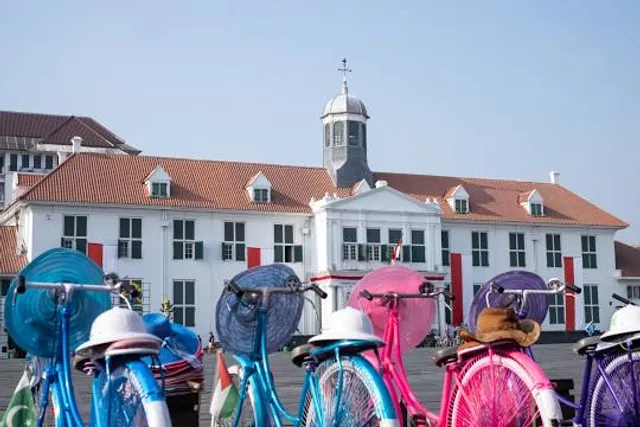
Wisata Kota Tua Jakarta
4.6
(9.5K)
Open until 9:00 PM
Click for details
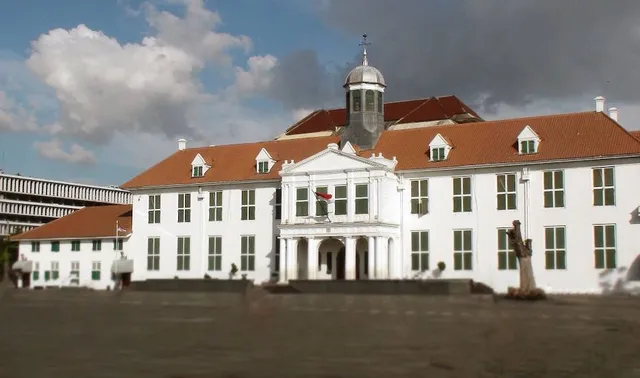
Taman Fatahillah
4.6
(10K)
Open until 12:00 AM
Click for details
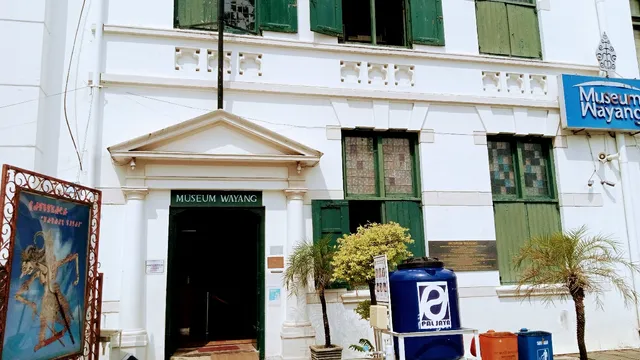
Wayang Museum
4.5
(2.3K)
Open until 3:00 PM
Click for details
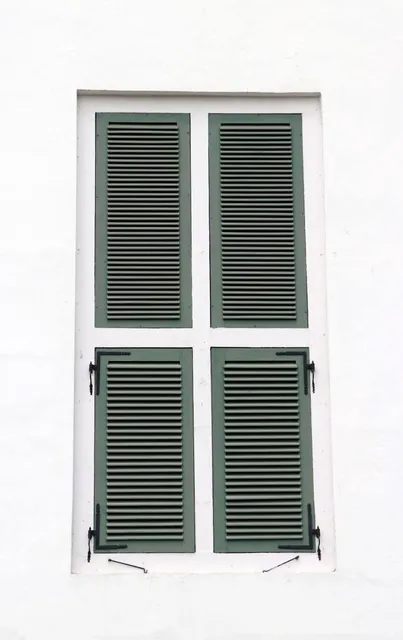
Fatahillah Old Town Museum
4.7
(443)
Open until 3:00 PM
Click for details
Nearby restaurants of Jakarta History Museum
Café Batavia
Kedai Seni Djakarté
acaraki Jamu Kota Tua
Kantin Mega Rasa
Kopi Kota Tua Jakarta
Kedai Kota Toea
Mixue Kota Tua
NEW BATAVIA Cafe
A&W Kota Tua
RODE WINKEL Coffee & Savoury
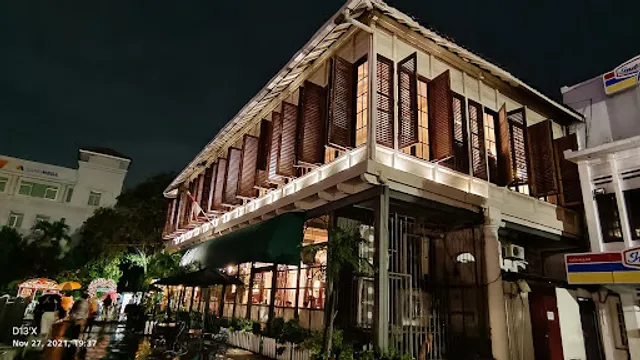
Café Batavia
4.5
(3.7K)
$$$
Open until 1:00 AM
Click for details
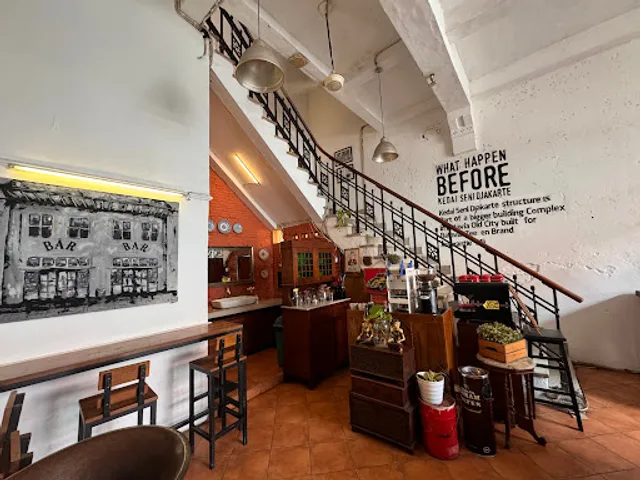
Kedai Seni Djakarté
4.5
(961)
Open until 8:00 PM
Click for details
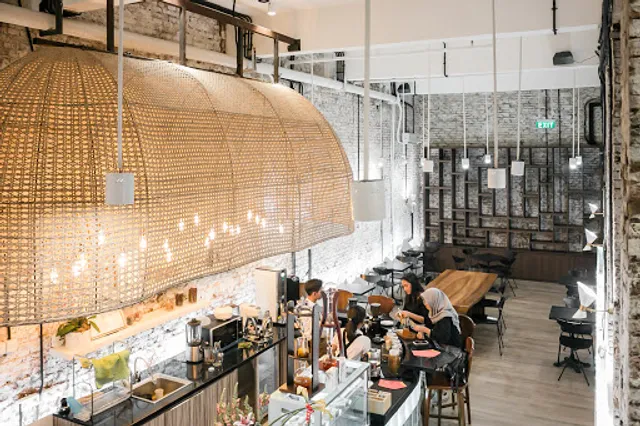
acaraki Jamu Kota Tua
4.8
(515)
Open until 8:00 PM
Click for details
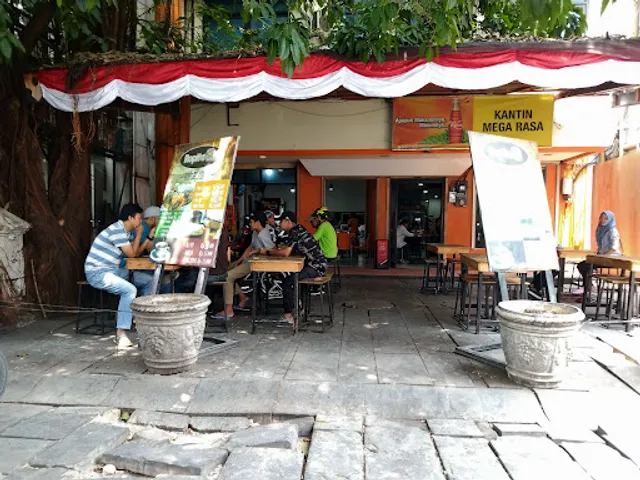
Kantin Mega Rasa
4.3
(468)
Open until 5:00 PM
Click for details
Nearby local services of Jakarta History Museum
Toko Merah
Jembatan Kota Intan
Glodok Chinatown Market
Kali Besar
PASAR GLODOK CITY JAKARTA KOTA
Batavia Fortress
Yayasan Vihara Dharma Jaya TOASEBIO
Petak Sembilan Market
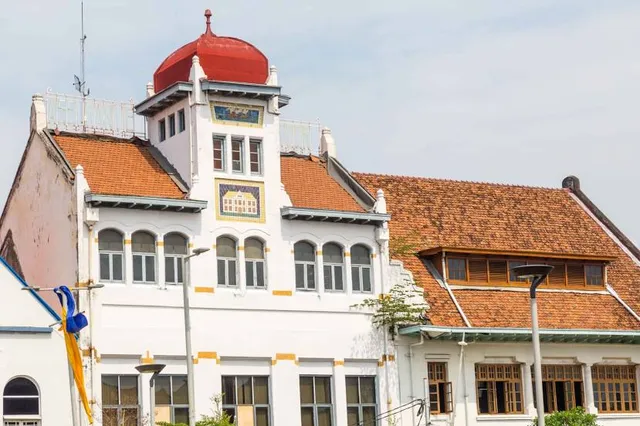
Toko Merah
4.6
(1.4K)
Click for details
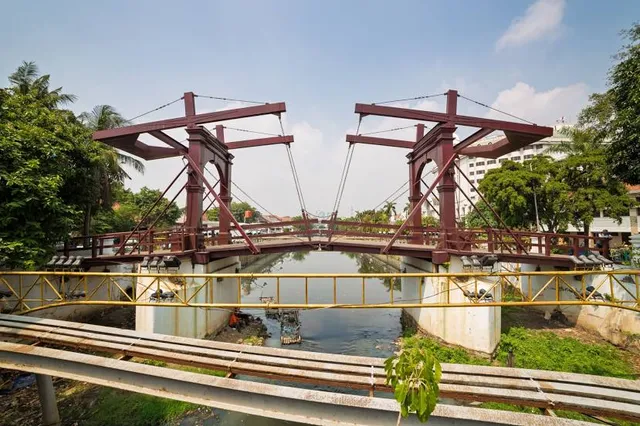
Jembatan Kota Intan
4.4
(902)
Click for details
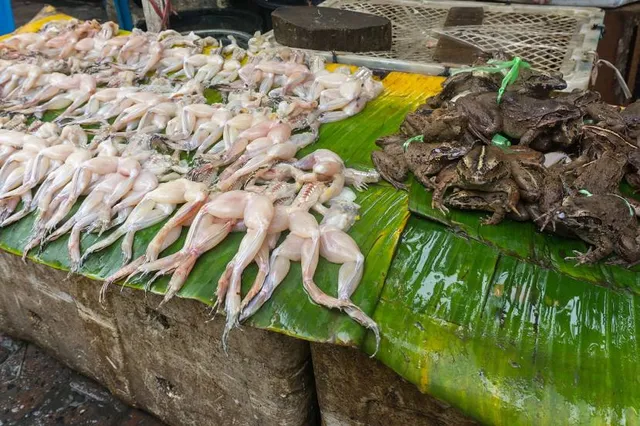
Glodok Chinatown Market
4.4
(3.8K)
Click for details
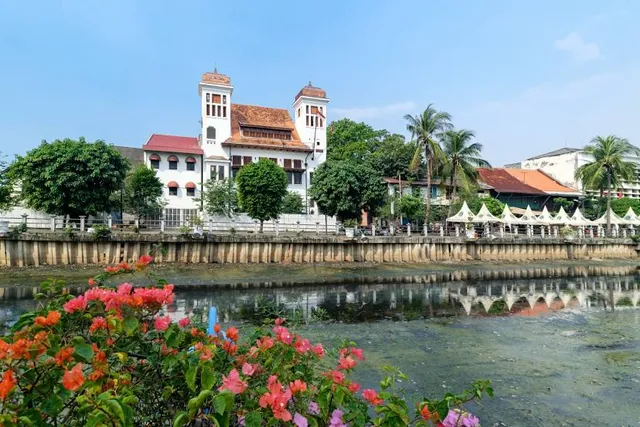
Kali Besar
4.7
(18)
Click for details