The building of Taman Sari commenced during the reign of Sultan Hamengkubuwono I(1755–1792), the first sultan of the Yogyakarta Sultanate, and was completed by the time of Sultan Hamengkubuwono II. The building site, however, had already been known as a bathing place called Pacethokan Spring since Sunan Amangkurat IV’s reign (1719–1726).6 According to Kitab Mamana in Yogyakarta Kraton, the project leader for the construction of Taman Sari was Tumenggung Mangundipura. He had travelled twice to Batavia to learn about European architecture, which is the reason why the architecture of Taman Sari has marks of European style.8] The Regent of Madiun, Raden Rangga Prawirasentika, participated in funding the construction of Taman Sari. Prawirasentika also beseeched the Sultan to be relieved of Madiun's tax obligation. He offered other alternative ways of payment. The Sultan accepted his proposal. In 1758, the Sultan commanded the Regent to supervise the making of bricks and various complements, which would be used to build a beautiful garden. The sultan wanted a place where he could spend some time to relax after many years of wars that he had just experienced. Raden Tumenggung Mangundipura, under supervision of Raden Arya Natakusuma (who later became Sri Pakualam II), was responsible for the construction. The building was started in 1684 Javanese year (1758 AD). After finding out how large the complex was, Raden Rangga Prawirasentika realized that the cost would have been greater than the taxes. He resigned from the project and was replaced by Prince Natakusuma who continued the project to completion.[9
Taman Sari was built three years after the Giyanti Agreement as a resting place for Sultan Hamengkubuwono I. The complex consists of about 59 buildings4] including a mosque, meditation chambers, swimming pools, and a series of 18 water gardens and pavilions surrounded by artificial lakes. The complex was effectively used between 1765–1812.[11]
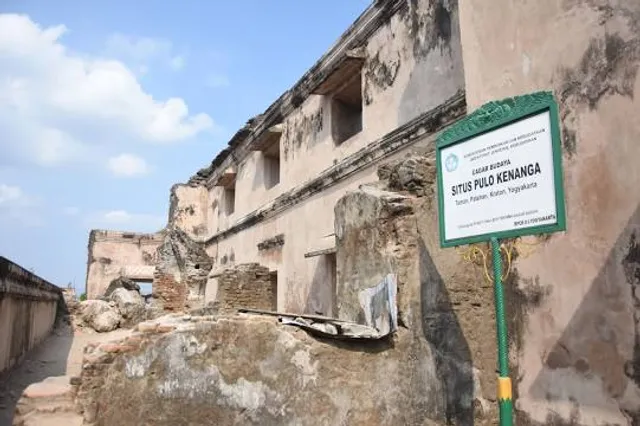
The British invasion of the Yogyakarta Kraton saw considerable parts of the complex destroyed in 1812.[12]
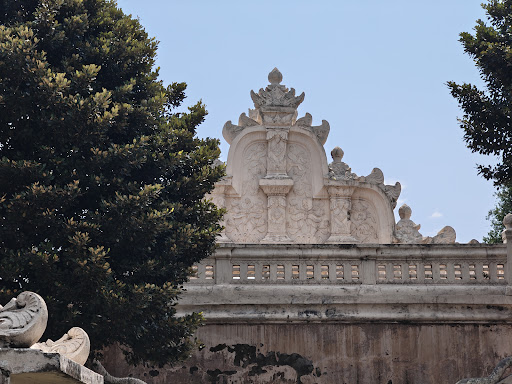
The building of Taman Sari ended upon the completion of the gates and the walls. A sengkalan memet (a Javanese chronogram)[13 on the western gate (Gedhong Gapura Hageng) marks the year with the Javanese words Lajering Kembang Sinesep Peksi,denoting the Javanese year of 1691 or about 1765: lajering, "core" for 1; kembang, "flower" for 9; sinerep, "suck" or "drink" for 6; peksi, "bird" for 1; the sentence can be read as "birds gathering nectar of the flower". The relief around this sengkalan memet shows birds siphoning honey from flowery trees.
The maintenance of Taman Sari was abandoned shortly after Hamengkubuwono I died, partly because the elaborate hydraulic works were so difficult to maintain. The gardens were neglected and the buildings suffered some damage during the Java War of...
Read moreTaman Sari (often called the Water Castle) is one of Yogyakarta's most popular and historically fascinating tourist destinations.
Taman Sari Water Castle: Taman Sari, which means "fragrant garden," is a beautiful and unique former royal garden and leisure complex of the Sultanate of Yogyakarta, built in the 18th century.
It is known for unique architecture, photo opportunities, and historical atmosphere.
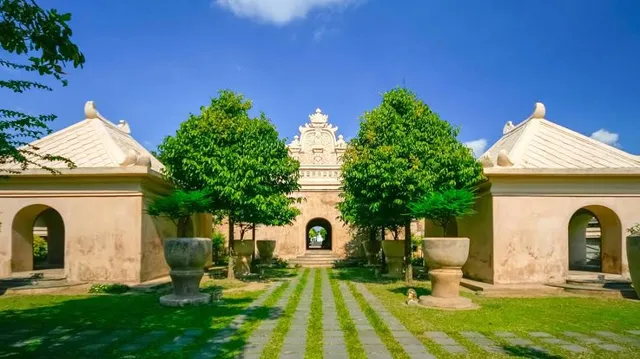
The Vibe & Highlights Architectural Beauty:The complex is a striking blend of Javanese, Islamic, and European architectural styles. The most stunning and well-preserved section is the central bathing complex.
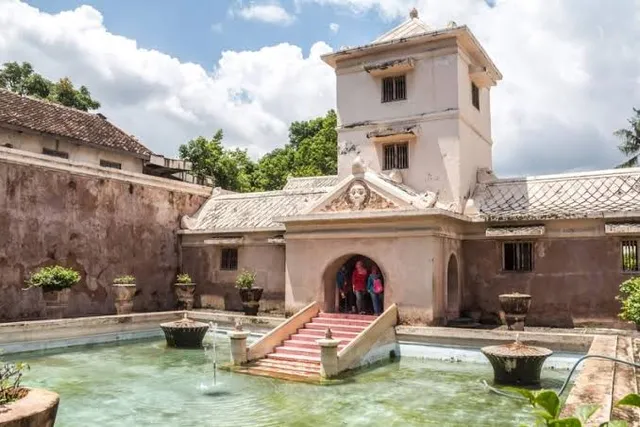
The Royal Pools (Umbul Binangun): This is the main attraction. It features three dazzling blue pools—one for the Princesses, one for the Queens, and a secluded one for the Sultan. A watchtower sits between the pools, from which the Sultan reportedly chose a consort as they bathed below.
The Underground Mosque (Sumur Gumuling): This unique, circular two-story mosque is hidden underground and accessed via an Escher-esque set of stairways. Its design creates unique acoustics that allow the imam's voice to be heard clearly without a microphone. This is a favorite spot for photos.
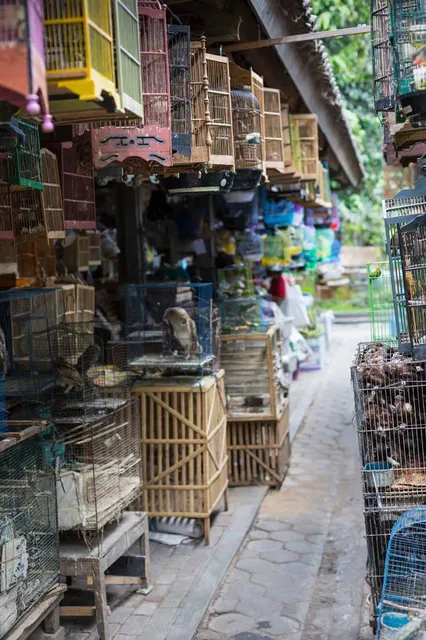
The Kampung Taman Village: The complex is nested within a charming, traditional Javanese residential neighborhood (Kampung Taman). Exploring the narrow alleyways offers a glimpse into local life, including small shops selling traditional arts like batik.
Location :Located just a short distance (approx. 2 km) south of the Kraton (Sultan's Palace).
Opening Hours :Generally open from 9:00 AM to 4:00 PM daily.
Entrance Fee (Foreigners) Approximately IDR 25,000 (Indonesian Rupiah). Estimated Visit: Time 30 minutes to 1 hour, plus time to explore the surrounding village. Getting There: Easily reached via becak (pedicab), andong (horse cart), or ride-hailing services (e.g., Grab).
Best Tips for Your Visit
Hire a Guide (with caution): Local guides are available and highly recommended, as they can provide fascinating historical context and mystical stories that bring the ruins to life. However, a common traveler tip is to be aware that some guides may be insistent about taking you to a family batik or craft shop afterward.
Explore the Tunnels:Don't just stay in the main pool area. Ask locals or your guide to point you toward the entrance to the underground tunnels and the Gumuling Well.
Dress Modestly:As a cultural and former royal site, dressing respectfully (avoiding overly short or revealing clothes) is appreciated.
Combine with the Kraton:Taman Sari makes a perfect half-day excursion when combined with a visit to the nearby Kraton...
Read moreI’d advise not going right when it opens, as I came at 9 and it was packed! But when I left around 9:45 there was barely anyone there so perhaps coming a little later will help. I think it’s because there were buses with tours too, but they probably stop at around 10am.
At only 5k for locals, this is a worthwhile place to go to. Ample parking, lots of food and drinks stall, however please note that some parts of taman sari aren’t open (and no one told us) so to be honest, there’s only maybe like 2 nice spots to take pictures? It’s mainly the big bathing area and small rooms that are actually open.
We took a tour guide based on the reviews here and we would NOT recommend it. Firstly they asked for 50k minimum which is crazy (I’ll explain why) but seeing reviews here recommending 30k we said we wanted 30k. The guide got upset at us when we said this (?) but eventually found a guide who wanted 30k. We figured we’d give 30k if it wasn’t good and tip 60k if it was… but huh, it’s not even worth 30k which you’ll see why soon.
We were rushed… very rushed. Even by the end of it when we wanted to take pictures he didn’t help so it was just awkward for us to want to take pictures instead of being rushed everywhere. The guide was knowledgeable but he was rushing so much and promised to “go back to take pictures here” and by the time he finished showing us around the main area, he spent 20 minutes trying to sell us batik, shirts etc at his store. Then suddenly he takes us to the exit, and we asked why didn’t we go back to the place he promised to take photos of us at and he said “it’s crowded” and we looked at our watch and the tour didn’t even last 30 minutes (with most being taking us to the sellers etc)… then I asked him about some other spots I saw on Instagram and he didn’t even wait for me to explain or show pictures he just kept saying it’s closed. To be honest, if the closures are permanent (which apparently the guide said so) please don’t take the guide because you’ll be able to walk around in ten minutes tops. And please don’t feel pressured to tip a lot, too, if the service isn’t good. We’re grateful a guide wanted it for 30k but honestly we were better off doing it ourselves and for free at our own pace. I think it’s a bit of a scam, because of this but I guess it’s our fault for taking the tour guide.
In all, worthwhile for the price. Would recommend going at around 10 (not straight away at opening) and not using the tour guide because it’s not really worth it given some areas are closed and they’ll just pressure you to buy at the...
Read more