HTML SitemapExplore
logo
Find Things to DoFind The Best Restaurants

King David's Tomb — Attraction in Jerusalem

Name
King David's Tomb
Description
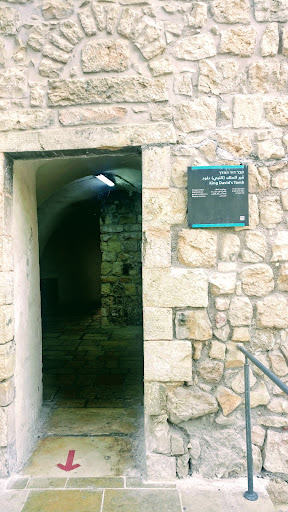
David's Tomb is a site that, according to an early-medieval tradition, is associated with the burial of the biblical King David. Historians, archaeologists and Jewish religious authorities do not consider the site to be the actual resting place of King David.
Nearby attractions
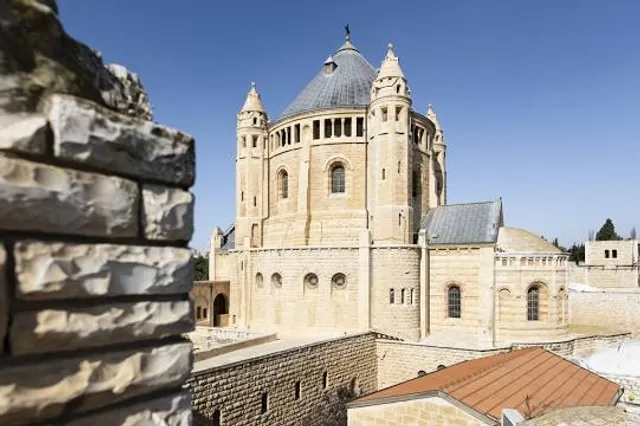
Dormition Abbey - Hagia Maria
Jerusalem, Israel
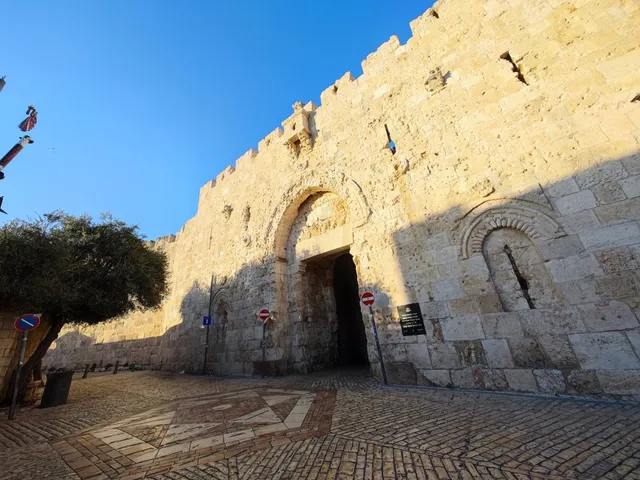
Zion Gate
Jerusalem
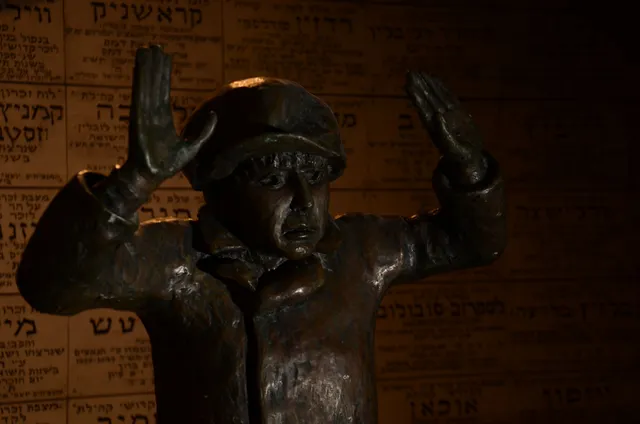
Chamber of the Holocaust
Ma'ale Shazkh St, Jerusalem, 9411107, Israel
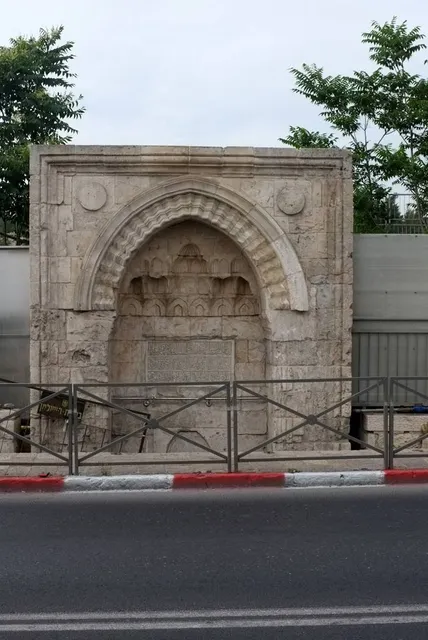
Mitchell Park
Gey Ben Hinom St Valley, Jerusalem, Israel
Saint Peter in Gallicantu
מלאכי השלום
Sovev Homot Yerushalayim
Q69J+XJ, Jerusalem
Tower of David
Jerusalem, 1001363
St. James Cathedral Church
Jerusalem
Menachem Begin Heritage Center
Sh.A. Nakhon St 6, Jerusalem, 9411014, Israel
Hurva Synagogue
Jerusalem
Nearby restaurants
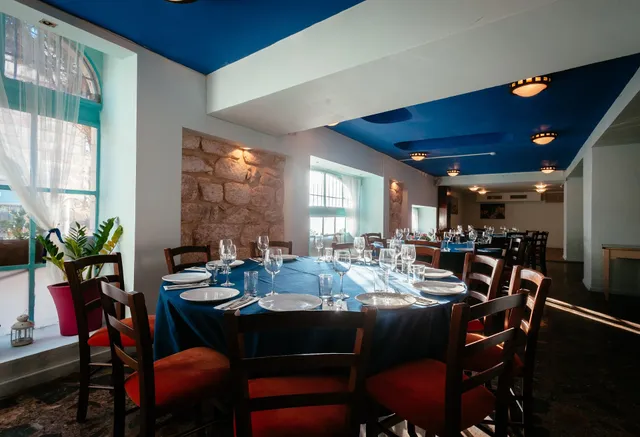
The Eucalyptus
Felt St 14, Jerusalem
Bulghourji
The Armenian Patriarchate St 6, Jerusalem
Armenian Tavern
The Armenian Patriarchate St 79, Jerusalem
Versavee Restaurant Bar & Cafe
Jaffa Gate, Jerusalem
Satya
Keren HaYesod St 36, Jerusalem, Israel
חצר ברובע
Misgav Ladakh St 36, Jerusalem
The Culinary Workshop
Hebron Rd 28, Jerusalem, Israel
Arafat Hummus
Q6GJ+QF4, Shuk ha-Basamim St, Jerusalem
Tala Hummus and Falafel
latin patriarchate St. 33, Latin Patriarchate St, Jerusalem
מסעדת המסילה
David Remez St 3-9, Jerusalem, Israel
Nearby hotels
Spanish house in Jerusalem
Batei Mahase St 1, Jerusalem
Mount Zion Boutique Hotel & Suites
Hebron Rd 17, Jerusalem, 9354609, Israel
Heritage House
7 HaMalakh Jewish Quarter, Jerusalem
מתחם עמנואל (כנסיית המשיח) - Emanuel Centre (Christ Church)
The Armenian Patriarchate St 55, Jerusalem
Cassia Hotel Jerusalem
King David St 32, Jerusalem, 9410158, Israel
Maurice M. Dwek Guest House
Jerusalem, Israel
Citadel Youth Hostel
st Marks Road 20, Jerusalem
Dan Boutique Jerusalem Hotel
Hebron Rd 31, Jerusalem, Israel
New Imperial Hotel Jerusalem
Jaffa Gate, Jerusalem
King David Hotel
King David St 23, Jerusalem, 94101, Israel
Related posts
Keywords
King David's Tomb tourism.King David's Tomb hotels.King David's Tomb bed and breakfast. flights to King David's Tomb.King David's Tomb attractions.King David's Tomb restaurants.King David's Tomb travel.King David's Tomb travel guide.King David's Tomb travel blog.King David's Tomb pictures.King David's Tomb photos.King David's Tomb travel tips.King David's Tomb maps.King David's Tomb things to do.
King David's Tomb things to do, attractions, restaurants, events info and trip planning
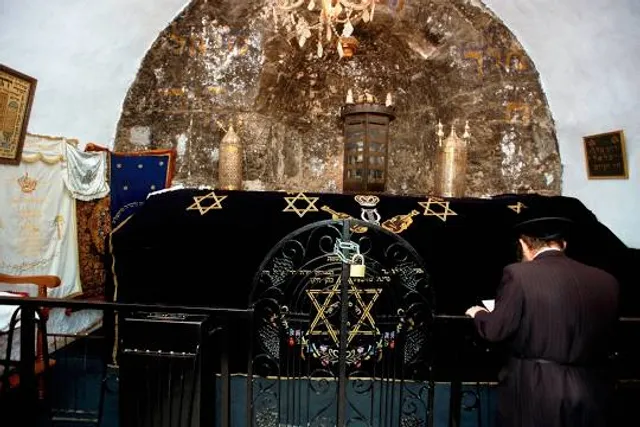
King David's Tomb
IsraelJerusalem DistrictJerusalemKing David's Tomb

Basic Info

King David's Tomb

Jerusalem, Israel
4.7(565)
Open until 10:00 PM
Save
spot

Ratings & Description

Info

David's Tomb is a site that, according to an early-medieval tradition, is associated with the burial of the biblical King David. Historians, archaeologists and Jewish religious authorities do not consider the site to be the actual resting place of King David.

Cultural
Scenic
Family friendly
Accessibility
attractions: Dormition Abbey - Hagia Maria, Zion Gate, Chamber of the Holocaust, Mitchell Park, Saint Peter in Gallicantu, Sovev Homot Yerushalayim, Tower of David, St. James Cathedral Church, Menachem Begin Heritage Center, Hurva Synagogue, restaurants: The Eucalyptus, Bulghourji, Armenian Tavern, Versavee Restaurant Bar & Cafe, Satya, חצר ברובע, The Culinary Workshop, Arafat Hummus, Tala Hummus and Falafel, מסעדת המסילה
logoLearn more insights from Wanderboat AI.
Phone
+972 2-581-1911
Website
keverdavid.co.il
Open hoursSee all hours
Sat5 AM - 12 AMOpen

Plan your stay

hotel
Pet-friendly Hotels in Jerusalem
Find a cozy hotel nearby and make it a full experience.
hotel
Affordable Hotels in Jerusalem
Find a cozy hotel nearby and make it a full experience.
hotel
The Coolest Hotels You Haven't Heard Of (Yet)
Find a cozy hotel nearby and make it a full experience.
hotel
Trending Stays Worth the Hype in Jerusalem
Find a cozy hotel nearby and make it a full experience.

Reviews

Nearby attractions of King David's Tomb

Dormition Abbey - Hagia Maria

Zion Gate

Chamber of the Holocaust

Mitchell Park

Saint Peter in Gallicantu

Sovev Homot Yerushalayim

Tower of David

St. James Cathedral Church

Menachem Begin Heritage Center

Hurva Synagogue

Dormition Abbey - Hagia Maria

Dormition Abbey - Hagia Maria

4.5

(1.7K)

Open 24 hours
Click for details
Zion Gate

Zion Gate

4.7

(3.8K)

Open 24 hours
Click for details
Chamber of the Holocaust

Chamber of the Holocaust

4.5

(61)

Open 24 hours
Click for details
Mitchell Park

Mitchell Park

4.5

(3.2K)

Open until 12:00 AM
Click for details

Things to do nearby

סיור עצמאי בשוק מחנה יהודה עם השפית טלי פרידמן
Fri, Dec 5 • 11:00 PM
אגריפס 88, ירושלים
View details
מירושלים/ סיור של יום שלם בירושלים וים המלח
Sat, Dec 6 • 6:45 AM
דוד המלך 7, ירושלים, 9410119
View details
סיור פרטי: סיור נצרות בעיר העתיקה של ירושלים
Sat, Dec 6 • 8:00 AM
C. la Palma, 2, Amadores, 35139
View details

Nearby restaurants of King David's Tomb

The Eucalyptus

Bulghourji

Armenian Tavern

Versavee Restaurant Bar & Cafe

Satya

חצר ברובע

The Culinary Workshop

Arafat Hummus

Tala Hummus and Falafel

מסעדת המסילה

The Eucalyptus

The Eucalyptus

4.5

(664)

Click for details
Bulghourji

Bulghourji

4.3

(125)

Closed
Click for details
Armenian Tavern

Armenian Tavern

4.5

(116)

$$

Click for details
Versavee Restaurant Bar & Cafe

Versavee Restaurant Bar & Cafe

4.5

(249)

Click for details
Get the Appoverlay
Get the AppOne tap to find yournext favorite spots!
Wanderboat LogoWanderboat

Your everyday Al companion for getaway ideas

CompanyAbout Us
InformationAI Trip PlannerSitemap
SocialXInstagramTiktokLinkedin
LegalTerms of ServicePrivacy Policy

Get the app

© 2025 Wanderboat. All rights reserved.
logo

Reviews of King David's Tomb

4.7
(565)
avatar
5.0
7y

The Tomb of King David is one of the most sacred sites for the Jews. Nonetheless, according to the researchers, there is no certainty that this is in fact King David’s burial site. The bible mentions that King David was buried in the City of David, which is located at the foot of the Temple Mount. We know from the bible that some of the kings were buried in a place called the Garden of Uzza- but its location was not identified to this day.

The tradition that locates the Tomb of King David in this site was first documented in the 9th century by the Muslims and adopted over the years by many believers.

The structure that contains the grave is actually the “crypt”, the underground hall of the crusader church. The building was renovated into its current shape during the 14th century by Franciscan monks, the custodians of the Holy Land.

During the 16th century the Franciscan monks were expelled by the Muslims, and the building became a mosque, serving for hundreds of years as a prayer house for Muslims, who consider King David to be one of their prophets.

Today the site is visited mainly by Jews, and it is run in a synagogue model. The tombstone is in the interior room, with separate entrances for men and women. At the center of the room is a tomb covered by a cloth. On the back of the burial coffin you can see an alcove in the wall, perhaps a remnant of an ancient synagogue which was mentioned in the Byzantine era as one of the seven synagogues that were located on Mount Zion.

In the past, colorful tiles decorated the walls, when the place served as a mosque. These were Iznik tiles, named after the city in Turkey where they were manufactured 200 years ago. These tiles were shattered in an atrocious vandalism attack.

On the floor on top of the tomb there is the Cenacle, one of the sacred sites of Christianity. The external courtyard (on the exit from the tomb’s compound to the left) lays an interior courtyard surrounded by arches from the Franciscan monastery, which used to occupy this place during the 14th century. This kind of a closed courtyard is characteristic of many monasteries in Europe, known as “Cloisters”. The courtyards were meant to provide a quiet and safe place for monks and priests who lived in the church compounds. The rooms have small windows and they were built behind the vestibule. The roofed halls provided shelter from the rain and the access to the open air was through the main hall. A water well was dug under the courtyard. In monasteries or other churches, the courtyard serves for the cultivating of ornamental plants, vegetable gardens and even raising animals.

On the roof of the building there is an impressive observation point, and a mosque’s minaret, built by the Turks during the 16th century following the Christians’ expulsion from Mount Zion. The compound then became a “khan”- a guest house for caravans that arrived in Jerusalem after the closure of the city’s gates...

   Read more
avatar
5.0
14w

Visiting Kever Dovid HaMelech was an unforgettable and deeply moving experience. The atmosphere is filled with holiness and history, and being at the resting place of King David brings a powerful sense of connection to our heritage. The space is well cared for, welcoming, and inspires heartfelt tefillah.

What made the visit especially memorable were the festivities on Motzei Shabbos. As Shabbos ended, the kever came alive with song, dancing, and heartfelt joy. The melodies of Havdalah and lively niggunim echoed through the hall, creating a unique blend of holiness and celebration. Families, groups, and individuals joined together, transforming the space into a true gathering of unity and simcha. The energy was uplifting, carrying the warmth of Shabbos into the new week.

I highly recommend visiting, especially on Motzei Shabbos, to experience not just the holiness of the kever, but also the beautiful sense of community and celebration that...

   Read more
avatar
5.0
2y

Nelle vicinanze della porta di Sion, in Gerusalemme, a due passi dalla Basilica della Dormizione della Madonna, sorge un edificio a 2 piani dove : in basso, ad est, è presente una sala chiamata "tomba di David"; in alto, ad ovest, è presente una grande sala chiamata il "Cenacolo". La tomba del Re David è un luogo di culto sacro per ebrei, cristiani e musulmani. Le tradizioni di queste tre religioni monoteiste, infatti, si intrecciano sulla figura di questo Re, fondatore d'Israele, profeta dell'Islam e antenato di Gesù. Il tempio che oggi custodisce il sepolcro fu una piccola chiesa bizantina, utilizzata prima dai monaci francescani, poi dai musulmani nel XVI secolo. Successivamente, la chiesa divenne una moschea dedicata al Re Davide, per poi diventare, dopo la riforma dei crociati, una sinagoga che oggi accoglie i fedeli di tutte e tre le religioni. Una grande menorah, il candelabro a 7 bracci che rappresentano i 7 giorni della creazione, dorata, è ubicata all'ingresso della sala. Le zone di preghiera sono differenziate per uomini e donne, come stabilisce la tradizione ebraica. Il sepolcro con il sarcofago di Davide, è meravigliosamente coperto da una manto blu damascato con corone, lira e scritte dorate con iscrizioni in ebraico. Al piano superiore si trova il Cenacolo, il luogo dove Gesù ed i suoi Discepoli condivisero l'ultima Cena, prima della Crocifissione. La parola “Cenacolo” indica di per sé il luogo dove si cenava, ma più generalmente designava il piano superiore della casa dove si accedeva tramite le scale. Secondo l’uso degli antichi Romani era una stanza sempre piuttosto grande e serviva per la cena che era il pasto principale della giornata, al quale prendevano parte tutti i famigliari e gli ospiti eventualmente presenti. Nel contesto della narrazione evangelica si intende il piano superiore della casa perché traduce la corrispondente parola greca anágaíon che indica, appunto, la parte superiore ed ospitale della casa. Si presenta oggi come un enorme salone ricoperto di “monumentali” volte. E' possibile soffermarsi con i gruppi religiosi per riflettere, pensare, pregare, immergersi nei propri pensieri dipingendo mentalmente quel tavolo e tutti i componenti dell'Ultima Cena. Il Cenacolo di Gerusalemme è stato distrutto e ricostruito diverse volte nel corso dei secoli. Nella seconda metà del IV secolo la chiesa fu restaurata dal vescovo di Gerusalemme, Giovanni II (386-417). Da allora fu chiamata la...

   Read more
Page 1 of 7
Previous
Next

Posts

Bose ATBose AT
The Tomb of King David is one of the most sacred sites for the Jews. Nonetheless, according to the researchers, there is no certainty that this is in fact King David’s burial site. The bible mentions that King David was buried in the City of David, which is located at the foot of the Temple Mount. We know from the bible that some of the kings were buried in a place called the Garden of Uzza- but its location was not identified to this day. The tradition that locates the Tomb of King David in this site was first documented in the 9th century by the Muslims and adopted over the years by many believers. The structure that contains the grave is actually the “crypt”, the underground hall of the crusader church. The building was renovated into its current shape during the 14th century by Franciscan monks, the custodians of the Holy Land. During the 16th century the Franciscan monks were expelled by the Muslims, and the building became a mosque, serving for hundreds of years as a prayer house for Muslims, who consider King David to be one of their prophets. Today the site is visited mainly by Jews, and it is run in a synagogue model. The tombstone is in the interior room, with separate entrances for men and women. At the center of the room is a tomb covered by a cloth. On the back of the burial coffin you can see an alcove in the wall, perhaps a remnant of an ancient synagogue which was mentioned in the Byzantine era as one of the seven synagogues that were located on Mount Zion. In the past, colorful tiles decorated the walls, when the place served as a mosque. These were Iznik tiles, named after the city in Turkey where they were manufactured 200 years ago. These tiles were shattered in an atrocious vandalism attack. On the floor on top of the tomb there is the Cenacle, one of the sacred sites of Christianity. The external courtyard (on the exit from the tomb’s compound to the left) lays an interior courtyard surrounded by arches from the Franciscan monastery, which used to occupy this place during the 14th century. This kind of a closed courtyard is characteristic of many monasteries in Europe, known as “Cloisters”. The courtyards were meant to provide a quiet and safe place for monks and priests who lived in the church compounds. The rooms have small windows and they were built behind the vestibule. The roofed halls provided shelter from the rain and the access to the open air was through the main hall. A water well was dug under the courtyard. In monasteries or other churches, the courtyard serves for the cultivating of ornamental plants, vegetable gardens and even raising animals. On the roof of the building there is an impressive observation point, and a mosque’s minaret, built by the Turks during the 16th century following the Christians’ expulsion from Mount Zion. The compound then became a “khan”- a guest house for caravans that arrived in Jerusalem after the closure of the city’s gates at nighttime.
alberto galloalberto gallo
Nelle vicinanze della porta di Sion, in Gerusalemme, a due passi dalla Basilica della Dormizione della Madonna, sorge un edificio a 2 piani dove : in basso, ad est, è presente una sala chiamata "tomba di David"; in alto, ad ovest, è presente una grande sala chiamata il "Cenacolo". La tomba del Re David è un luogo di culto sacro per ebrei, cristiani e musulmani. Le tradizioni di queste tre religioni monoteiste, infatti, si intrecciano sulla figura di questo Re, fondatore d'Israele, profeta dell'Islam e antenato di Gesù. Il tempio che oggi custodisce il sepolcro fu una piccola chiesa bizantina, utilizzata prima dai monaci francescani, poi dai musulmani nel XVI secolo. Successivamente, la chiesa divenne una moschea dedicata al Re Davide, per poi diventare, dopo la riforma dei crociati, una sinagoga che oggi accoglie i fedeli di tutte e tre le religioni. Una grande menorah, il candelabro a 7 bracci che rappresentano i 7 giorni della creazione, dorata, è ubicata all'ingresso della sala. Le zone di preghiera sono differenziate per uomini e donne, come stabilisce la tradizione ebraica. Il sepolcro con il sarcofago di Davide, è meravigliosamente coperto da una manto blu damascato con corone, lira e scritte dorate con iscrizioni in ebraico. Al piano superiore si trova il Cenacolo, il luogo dove Gesù ed i suoi Discepoli condivisero l'ultima Cena, prima della Crocifissione. La parola “Cenacolo” indica di per sé il luogo dove si cenava, ma più generalmente designava il piano superiore della casa dove si accedeva tramite le scale. Secondo l’uso degli antichi Romani era una stanza sempre piuttosto grande e serviva per la cena che era il pasto principale della giornata, al quale prendevano parte tutti i famigliari e gli ospiti eventualmente presenti. Nel contesto della narrazione evangelica si intende il piano superiore della casa perché traduce la corrispondente parola greca anágaíon che indica, appunto, la parte superiore ed ospitale della casa. Si presenta oggi come un enorme salone ricoperto di “monumentali” volte. E' possibile soffermarsi con i gruppi religiosi per riflettere, pensare, pregare, immergersi nei propri pensieri dipingendo mentalmente quel tavolo e tutti i componenti dell'Ultima Cena. Il Cenacolo di Gerusalemme è stato distrutto e ricostruito diverse volte nel corso dei secoli. Nella seconda metà del IV secolo la chiesa fu restaurata dal vescovo di Gerusalemme, Giovanni II (386-417). Da allora fu chiamata la “Santa Sion”.
BradBrad
An important thing to see at Mt. Zion is King David's Tomb located in the Lower Floor room of the building where you find The Cenacle, the believed location of the Last Supper. This is believed to be the burial place of King David. There is a covered tomb as well as Jewish worshippers and quite a few fellow tourists who regularly step in for a peek at King David's Tomb. Note: Men and Women enter the section of the room where the tomb is located from different sides. Have a quick look before/after your Upper Room visit to Cenacle while you are at Mt. Zion. It is also worth making time for a visit to the Dormition Abbey just a couple minutes away.
See more posts
See more posts
hotel
Find your stay

Pet-friendly Hotels in Jerusalem

Find a cozy hotel nearby and make it a full experience.

The Tomb of King David is one of the most sacred sites for the Jews. Nonetheless, according to the researchers, there is no certainty that this is in fact King David’s burial site. The bible mentions that King David was buried in the City of David, which is located at the foot of the Temple Mount. We know from the bible that some of the kings were buried in a place called the Garden of Uzza- but its location was not identified to this day. The tradition that locates the Tomb of King David in this site was first documented in the 9th century by the Muslims and adopted over the years by many believers. The structure that contains the grave is actually the “crypt”, the underground hall of the crusader church. The building was renovated into its current shape during the 14th century by Franciscan monks, the custodians of the Holy Land. During the 16th century the Franciscan monks were expelled by the Muslims, and the building became a mosque, serving for hundreds of years as a prayer house for Muslims, who consider King David to be one of their prophets. Today the site is visited mainly by Jews, and it is run in a synagogue model. The tombstone is in the interior room, with separate entrances for men and women. At the center of the room is a tomb covered by a cloth. On the back of the burial coffin you can see an alcove in the wall, perhaps a remnant of an ancient synagogue which was mentioned in the Byzantine era as one of the seven synagogues that were located on Mount Zion. In the past, colorful tiles decorated the walls, when the place served as a mosque. These were Iznik tiles, named after the city in Turkey where they were manufactured 200 years ago. These tiles were shattered in an atrocious vandalism attack. On the floor on top of the tomb there is the Cenacle, one of the sacred sites of Christianity. The external courtyard (on the exit from the tomb’s compound to the left) lays an interior courtyard surrounded by arches from the Franciscan monastery, which used to occupy this place during the 14th century. This kind of a closed courtyard is characteristic of many monasteries in Europe, known as “Cloisters”. The courtyards were meant to provide a quiet and safe place for monks and priests who lived in the church compounds. The rooms have small windows and they were built behind the vestibule. The roofed halls provided shelter from the rain and the access to the open air was through the main hall. A water well was dug under the courtyard. In monasteries or other churches, the courtyard serves for the cultivating of ornamental plants, vegetable gardens and even raising animals. On the roof of the building there is an impressive observation point, and a mosque’s minaret, built by the Turks during the 16th century following the Christians’ expulsion from Mount Zion. The compound then became a “khan”- a guest house for caravans that arrived in Jerusalem after the closure of the city’s gates at nighttime.
Bose AT

Bose AT

hotel
Find your stay

Affordable Hotels in Jerusalem

Find a cozy hotel nearby and make it a full experience.

Get the Appoverlay
Get the AppOne tap to find yournext favorite spots!
Nelle vicinanze della porta di Sion, in Gerusalemme, a due passi dalla Basilica della Dormizione della Madonna, sorge un edificio a 2 piani dove : in basso, ad est, è presente una sala chiamata "tomba di David"; in alto, ad ovest, è presente una grande sala chiamata il "Cenacolo". La tomba del Re David è un luogo di culto sacro per ebrei, cristiani e musulmani. Le tradizioni di queste tre religioni monoteiste, infatti, si intrecciano sulla figura di questo Re, fondatore d'Israele, profeta dell'Islam e antenato di Gesù. Il tempio che oggi custodisce il sepolcro fu una piccola chiesa bizantina, utilizzata prima dai monaci francescani, poi dai musulmani nel XVI secolo. Successivamente, la chiesa divenne una moschea dedicata al Re Davide, per poi diventare, dopo la riforma dei crociati, una sinagoga che oggi accoglie i fedeli di tutte e tre le religioni. Una grande menorah, il candelabro a 7 bracci che rappresentano i 7 giorni della creazione, dorata, è ubicata all'ingresso della sala. Le zone di preghiera sono differenziate per uomini e donne, come stabilisce la tradizione ebraica. Il sepolcro con il sarcofago di Davide, è meravigliosamente coperto da una manto blu damascato con corone, lira e scritte dorate con iscrizioni in ebraico. Al piano superiore si trova il Cenacolo, il luogo dove Gesù ed i suoi Discepoli condivisero l'ultima Cena, prima della Crocifissione. La parola “Cenacolo” indica di per sé il luogo dove si cenava, ma più generalmente designava il piano superiore della casa dove si accedeva tramite le scale. Secondo l’uso degli antichi Romani era una stanza sempre piuttosto grande e serviva per la cena che era il pasto principale della giornata, al quale prendevano parte tutti i famigliari e gli ospiti eventualmente presenti. Nel contesto della narrazione evangelica si intende il piano superiore della casa perché traduce la corrispondente parola greca anágaíon che indica, appunto, la parte superiore ed ospitale della casa. Si presenta oggi come un enorme salone ricoperto di “monumentali” volte. E' possibile soffermarsi con i gruppi religiosi per riflettere, pensare, pregare, immergersi nei propri pensieri dipingendo mentalmente quel tavolo e tutti i componenti dell'Ultima Cena. Il Cenacolo di Gerusalemme è stato distrutto e ricostruito diverse volte nel corso dei secoli. Nella seconda metà del IV secolo la chiesa fu restaurata dal vescovo di Gerusalemme, Giovanni II (386-417). Da allora fu chiamata la “Santa Sion”.
alberto gallo

alberto gallo

hotel
Find your stay

The Coolest Hotels You Haven't Heard Of (Yet)

Find a cozy hotel nearby and make it a full experience.

hotel
Find your stay

Trending Stays Worth the Hype in Jerusalem

Find a cozy hotel nearby and make it a full experience.

An important thing to see at Mt. Zion is King David's Tomb located in the Lower Floor room of the building where you find The Cenacle, the believed location of the Last Supper. This is believed to be the burial place of King David. There is a covered tomb as well as Jewish worshippers and quite a few fellow tourists who regularly step in for a peek at King David's Tomb. Note: Men and Women enter the section of the room where the tomb is located from different sides. Have a quick look before/after your Upper Room visit to Cenacle while you are at Mt. Zion. It is also worth making time for a visit to the Dormition Abbey just a couple minutes away.
Brad

Brad

See more posts
See more posts