Basilica di San Francesco things to do, attractions, restaurants, events info and trip planning
Basic Info
Basilica di San Francesco
Piazza S. Francesco, 52100 Arezzo AR, Italy
4.6(1.5K)
Open until 12:00 AM

tickets
Save
spot
spot
Ratings & Description
Info
Cultural
Family friendly
Accessibility
attractions: Piazza Grande, Santa Maria della Pieve, Badia delle Sante Flora e Lucilla, Arezzo Cathedral, Fondazione Ivan Bruschi - Casa Museo dell'Antiquariato Ivan Bruschi, Palazzo della Fraternita dei Laici, St Augustine's Church, Arezzo Città del Natale, Palazzo Guillichini, Passeggio del Prato, restaurants: Trattoria Cavour 42, Il Covo dei Briganti, 'O Scugnizzo, Antica Osteria l'Agania, Buca di San Francesco, Trattoria Il Saraceno, Osteria Il Grottino, Le Chiavi D'Oro ristorante, Divò Cocktail Bar RistoClub, Crepes de Lune, local businesses: Basílica de San Francisco, Antique Fair Arezzo, Galleria Comunale d'Arte Contemporanea, Piazza Sant'Agostino, Chiesa di San Michele, Petrarch's House, Mercatini di Natale Arezzo, I colori della Giostra - percorso espositivo, Diocesi di Arezzo Cortona Sansepolcro, Quartiere di Porta Santo Spirito
 Learn more insights from Wanderboat AI.
Phone
+39 0575 169 6256
Website
museitoscana.cultura.gov.it
Open hoursSee all hours
Thu9 AM - 5:30 PMOpen
Plan your stay

Pet-friendly Hotels in Arezzo
Find a cozy hotel nearby and make it a full experience.

Affordable Hotels in Arezzo
Find a cozy hotel nearby and make it a full experience.

The Coolest Hotels You Haven't Heard Of (Yet)
Find a cozy hotel nearby and make it a full experience.

Trending Stays Worth the Hype in Arezzo
Find a cozy hotel nearby and make it a full experience.
Reviews
Live events
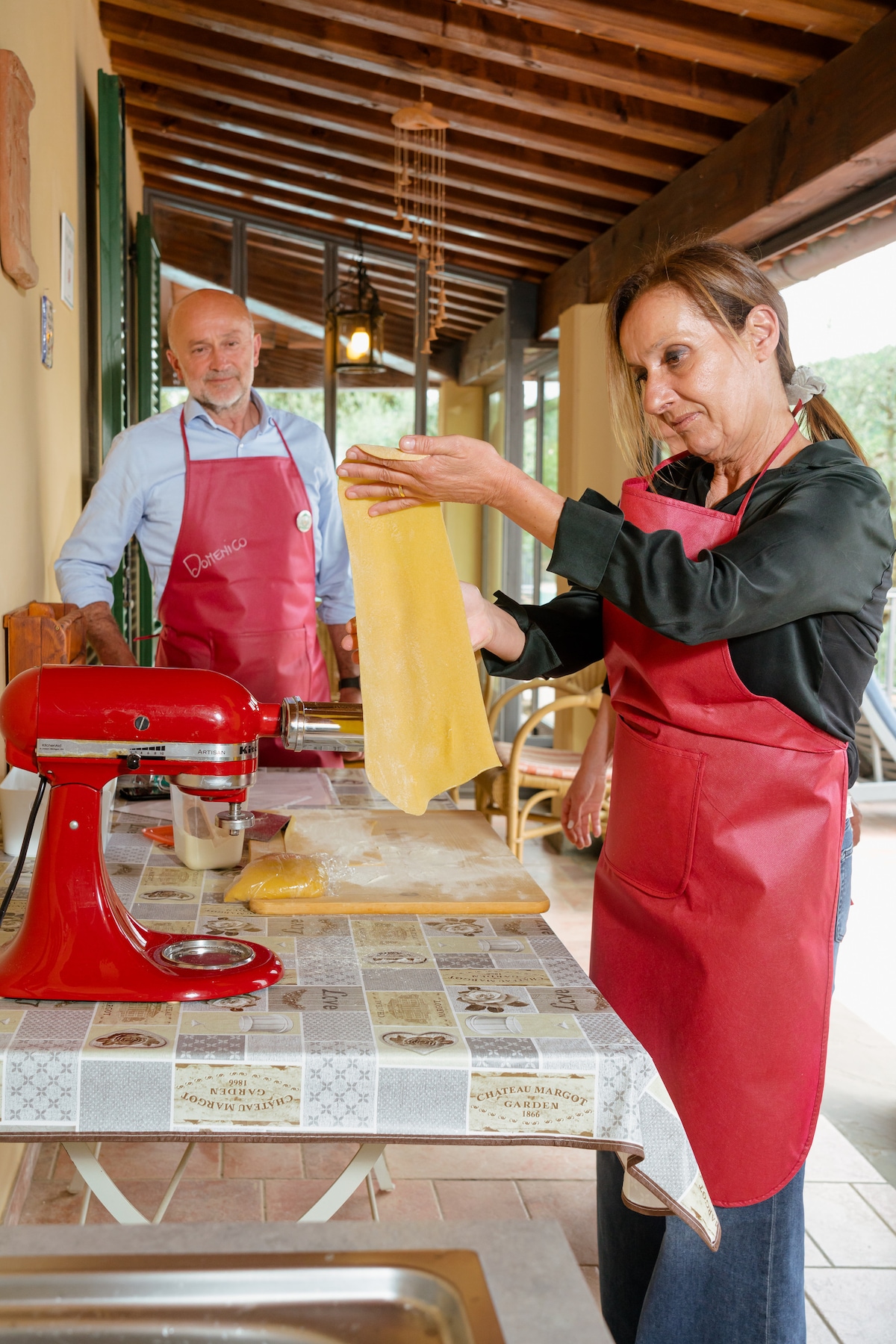
Learn to cook in an 18th-century villa
Thu, Feb 12 • 4:00 PM
52041, Civitella in Val di Chiana, Toscana, Italy
View details
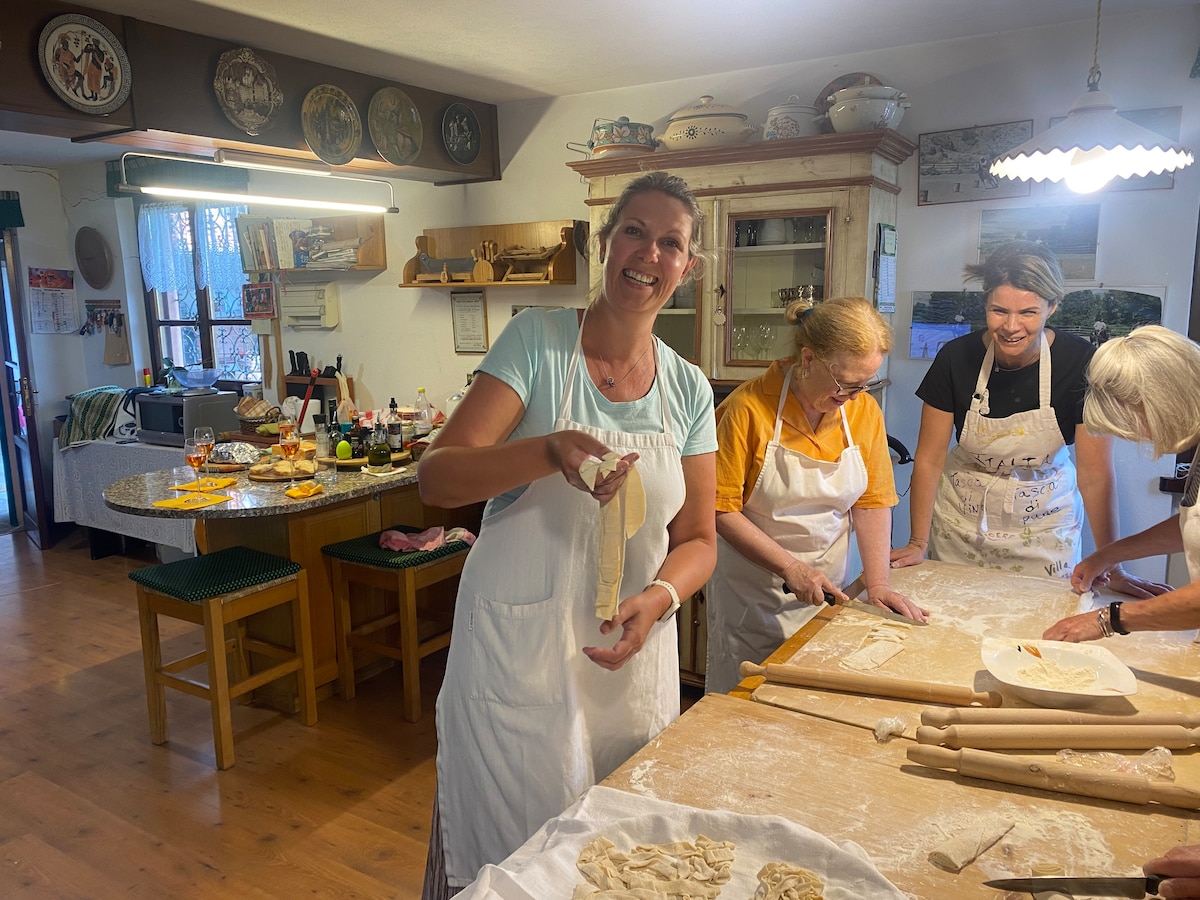
Cooking class in a Tuscan Villa near Cortona
Thu, Feb 12 • 3:00 PM
52043, Castiglion Fiorentino, Tuscany, Italy
View details
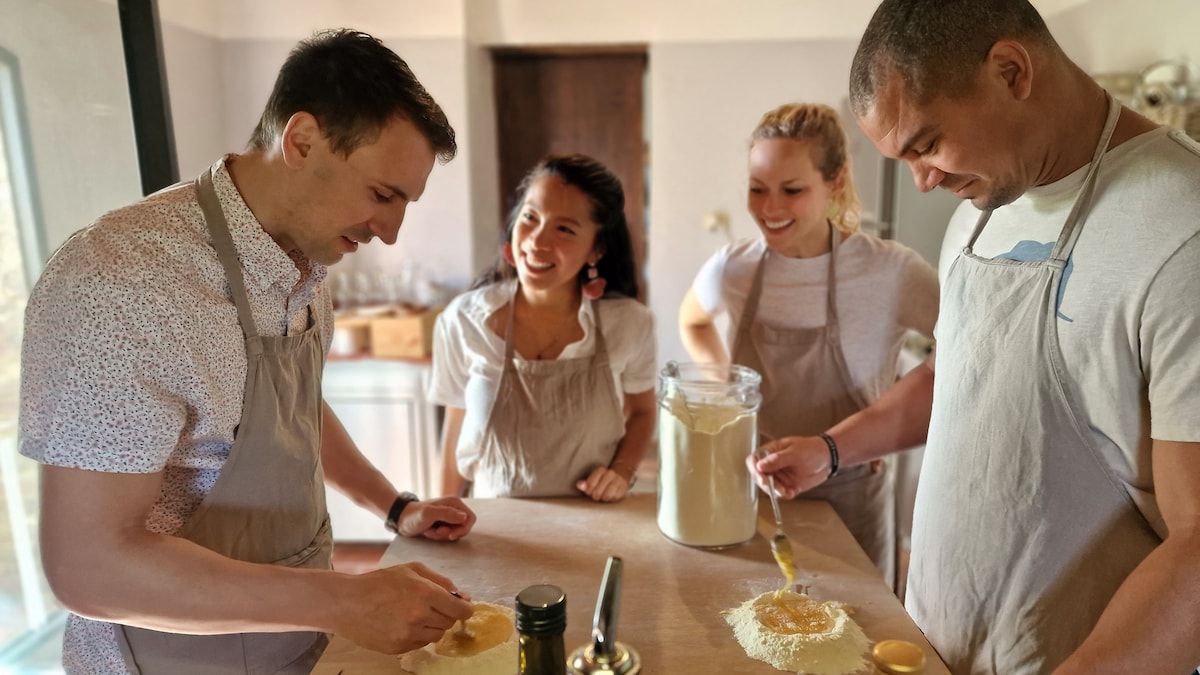
Hand-Roll Traditional Pasta in Tuscany
Thu, Feb 12 • 11:30 AM
53048, Sinalunga, Toscana, Italy
View details
Nearby attractions of Basilica di San Francesco
Piazza Grande
Santa Maria della Pieve
Badia delle Sante Flora e Lucilla
Arezzo Cathedral
Fondazione Ivan Bruschi - Casa Museo dell'Antiquariato Ivan Bruschi
Palazzo della Fraternita dei Laici
St Augustine's Church
Arezzo Città del Natale
Palazzo Guillichini
Passeggio del Prato
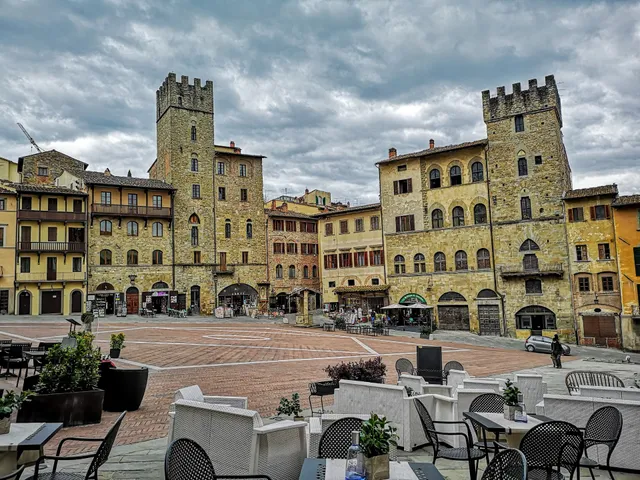
Piazza Grande
4.7
(8.1K)
Open until 12:00 AM
Click for details
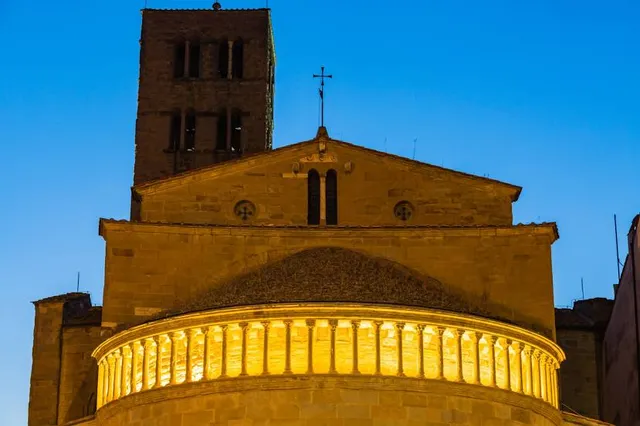
Santa Maria della Pieve
4.7
(458)
Closed
Click for details
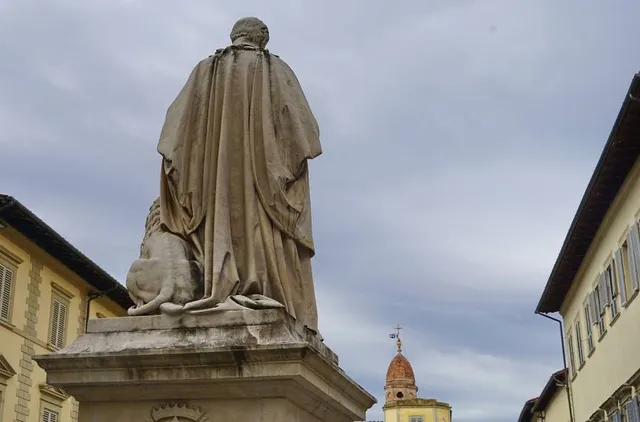
Badia delle Sante Flora e Lucilla
4.5
(190)
Closed
Click for details
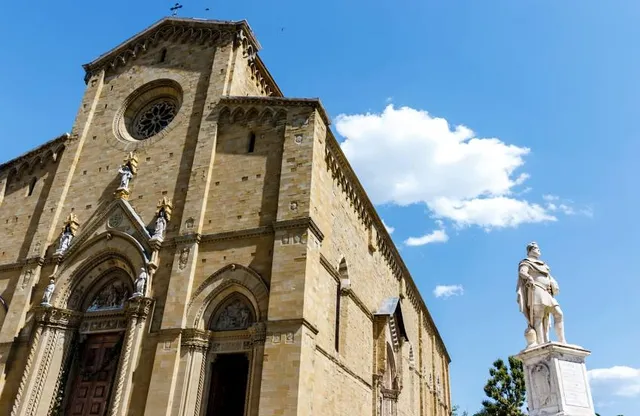
Arezzo Cathedral
4.7
(1.7K)
Open until 7:00 PM
Click for details
Nearby restaurants of Basilica di San Francesco
Trattoria Cavour 42
Il Covo dei Briganti
'O Scugnizzo
Antica Osteria l'Agania
Buca di San Francesco
Trattoria Il Saraceno
Osteria Il Grottino
Le Chiavi D'Oro ristorante
Divò Cocktail Bar RistoClub
Crepes de Lune
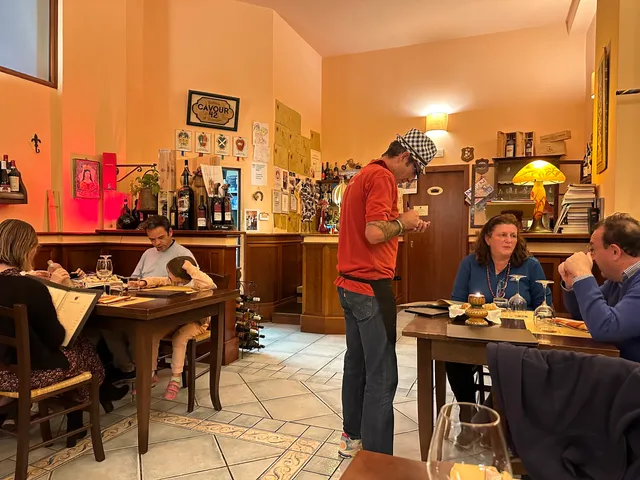
Trattoria Cavour 42
4.6
(901)
Closed
Click for details
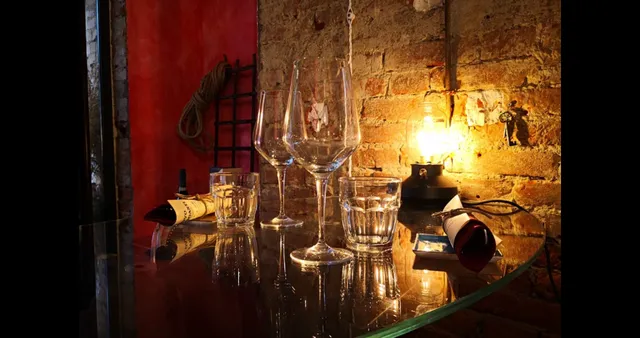
Il Covo dei Briganti
4.5
(665)
Closed
Click for details
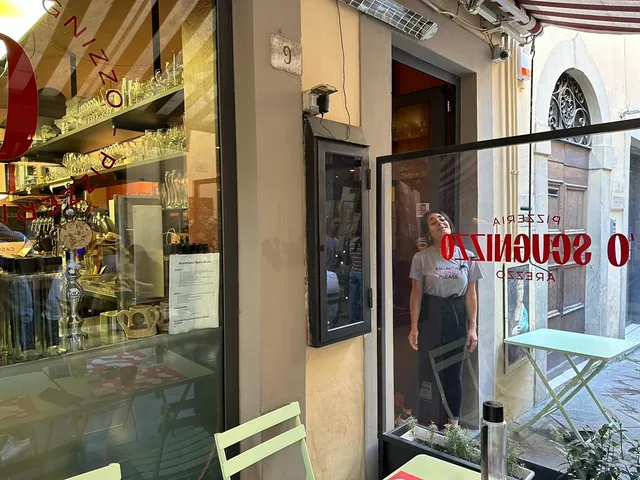
'O Scugnizzo
4.4
(792)
Closed
Click for details
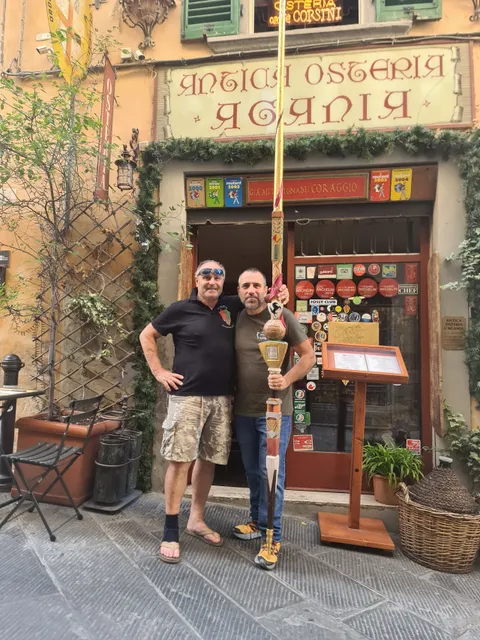
Antica Osteria l'Agania
4.5
(1.7K)
Closed
Click for details
Nearby local services of Basilica di San Francesco
Basílica de San Francisco
Antique Fair Arezzo
Galleria Comunale d'Arte Contemporanea
Piazza Sant'Agostino
Chiesa di San Michele
Petrarch's House
Mercatini di Natale Arezzo
I colori della Giostra - percorso espositivo
Diocesi di Arezzo Cortona Sansepolcro
Quartiere di Porta Santo Spirito
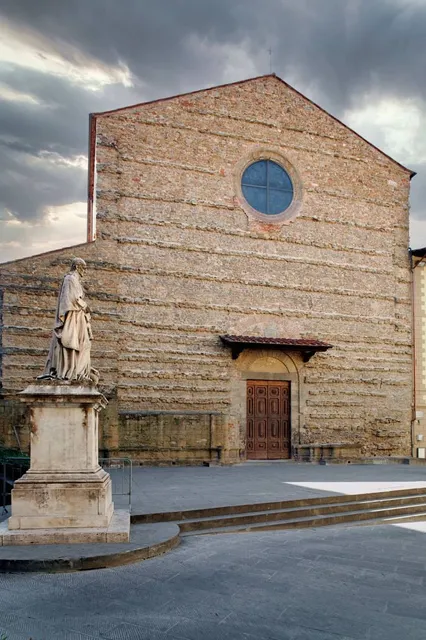
Basílica de San Francisco
4.6
(1.2K)
Click for details
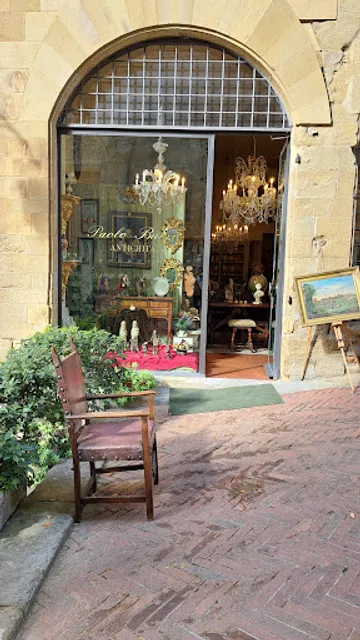
Antique Fair Arezzo
4.4
(174)
Click for details
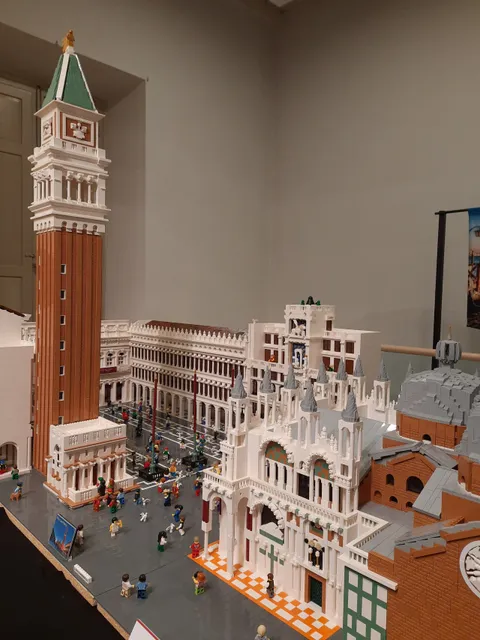
Galleria Comunale d'Arte Contemporanea
4.2
(36)
Click for details
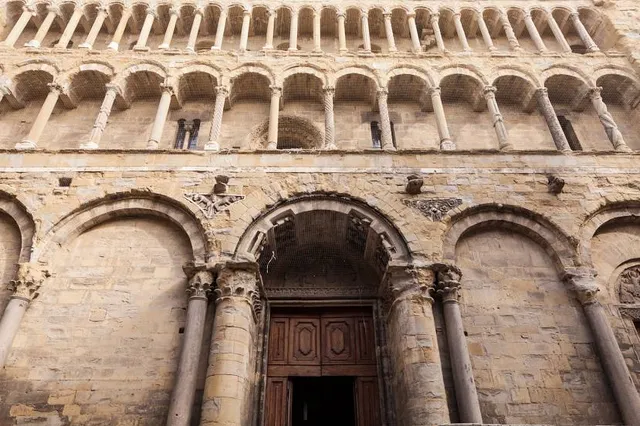
Piazza Sant'Agostino
4.4
(287)
Click for details