Palazzo Ercolani things to do, attractions, restaurants, events info and trip planning
Basic Info
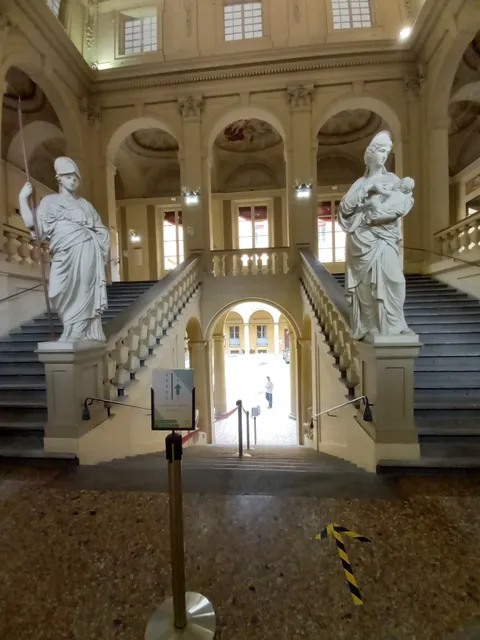
Palazzo Ercolani
Str. Maggiore, 45, 40125 Bologna BO, Italy
4.6(456)
Closed
Save
spot
spot
Ratings & Description
Info
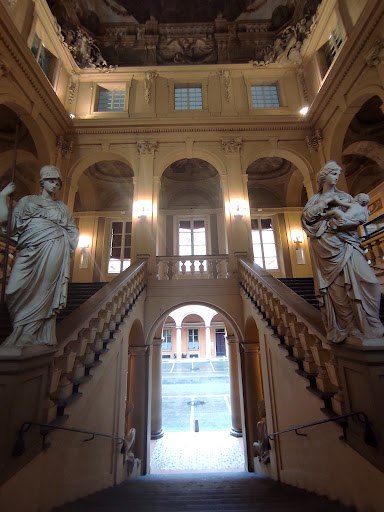
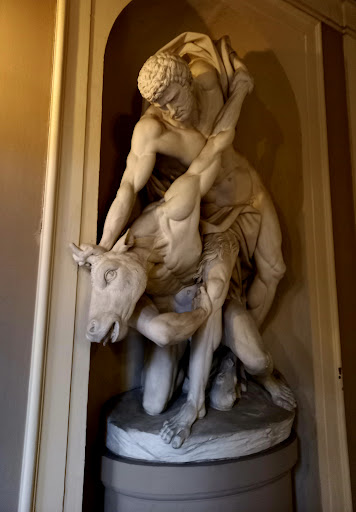
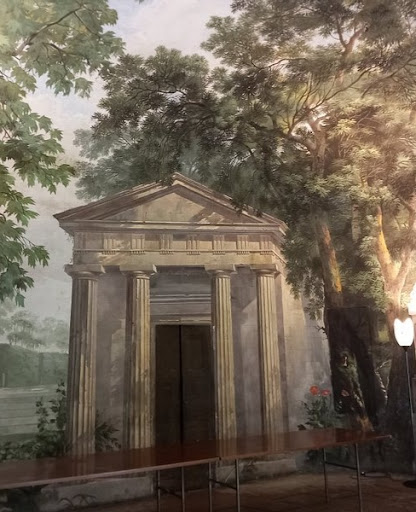
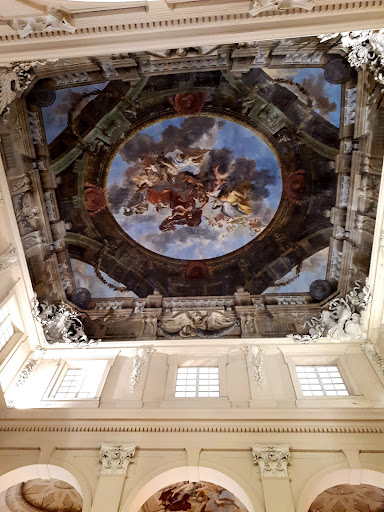
The Palazzo Hercolani or Ercolani is a large Rococo or Neoclassic-style palace in Strada Maggiore in central Bologna, which now serves as the offices for the Political Science Department of the University of Bologna.
Cultural
Scenic
Family friendly
Accessibility
attractions: Basilica di Santa Maria dei Servi, Museo Davia Bargellini, Porta Maggiore, Làbas, Piazza Santo Stefano, Porta San Vitale, Museo internazionale e biblioteca della musica, Casa Morandi, Two Towers, Teatro Duse, restaurants: Osteria Broccaindosso, Clorofilla, Zoo, Birra Cerqua, The Backrooms, Pizzeria Il Portico, Lasaway - Non La Solita Lasagna, Antica Trattoria Spiga, Bar Major Bologna, La Fatica - Antica Osteria, local businesses: Cinema Roma d'Essai, Piazza Santo Stefano, Secret Zone, Mercato di Santa Lucia, Basilica santuario Santo Stefano - Complesso delle sette chiese, Novanta6 - Trancio alla Romana, La Saponaria - Biostorie Bologna | Cosmetici bio, Rosticceria cinese Felice, Mercatino di piazza Aldrovandi, Carta in Festa Matrimoni
 Learn more insights from Wanderboat AI.
Website
archiviostorico.unibo.it
Open hoursSee all hours
Tue9 AM - 5 PMClosed
Plan your stay

Pet-friendly Hotels in Bologna
Find a cozy hotel nearby and make it a full experience.

Affordable Hotels in Bologna
Find a cozy hotel nearby and make it a full experience.

The Coolest Hotels You Haven't Heard Of (Yet)
Find a cozy hotel nearby and make it a full experience.

Trending Stays Worth the Hype in Bologna
Find a cozy hotel nearby and make it a full experience.
Reviews
Live events

Finale SANREMO @ DumBO by LACRIMA | 28.02
Sat, Feb 28 • 7:30 PM
19 Via Camillo Casarini 40131 Bologna
View details
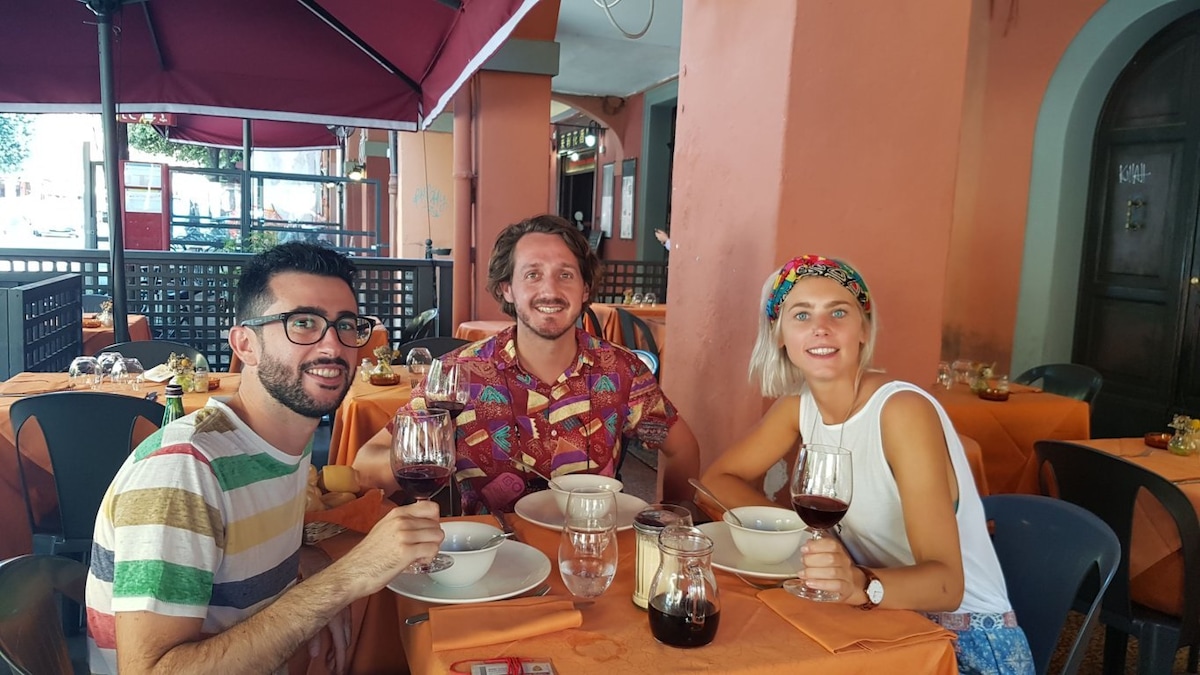
Bologna Food Tour from a local perspective
Tue, Feb 24 • 10:00 AM
40126, Bologna, Emilia-Romagna, Italy
View details
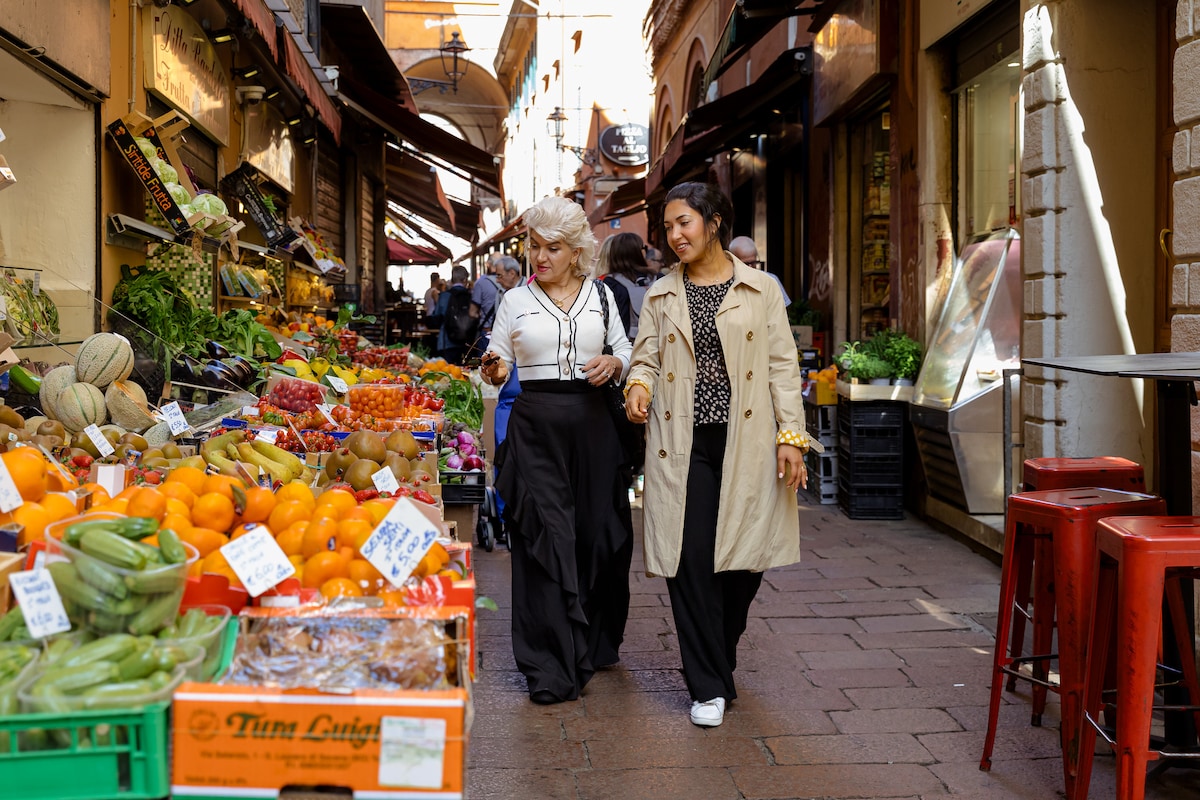
Exploring the Secrets of Bologna
Tue, Feb 24 • 4:00 PM
40124, Bologna, Emilia-Romagna, Italy
View details
Nearby attractions of Palazzo Ercolani
Basilica di Santa Maria dei Servi
Museo Davia Bargellini
Porta Maggiore
Làbas
Piazza Santo Stefano
Porta San Vitale
Museo internazionale e biblioteca della musica
Casa Morandi
Two Towers
Teatro Duse
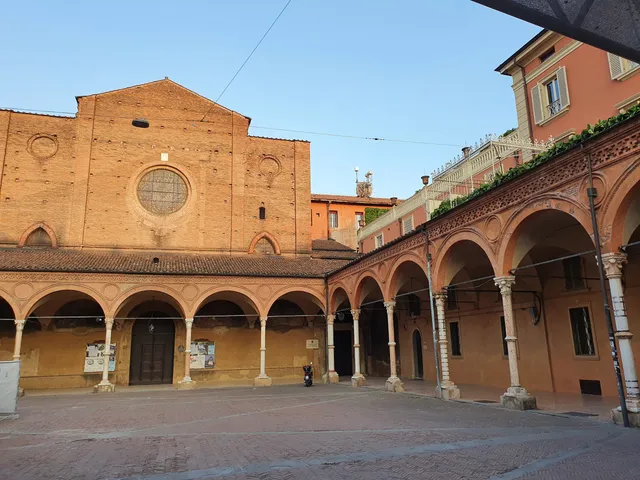
Basilica di Santa Maria dei Servi
4.6
(943)
Open until 12:00 AM
Click for details
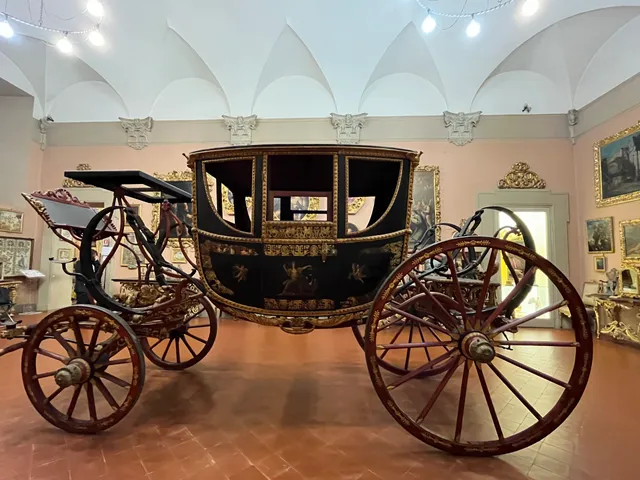
Museo Davia Bargellini
4.5
(325)
Open until 12:00 AM
Click for details
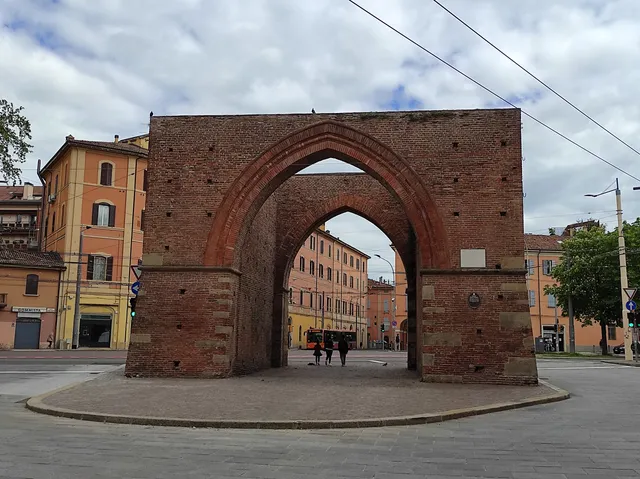
Porta Maggiore
4.4
(827)
Open until 12:00 AM
Click for details
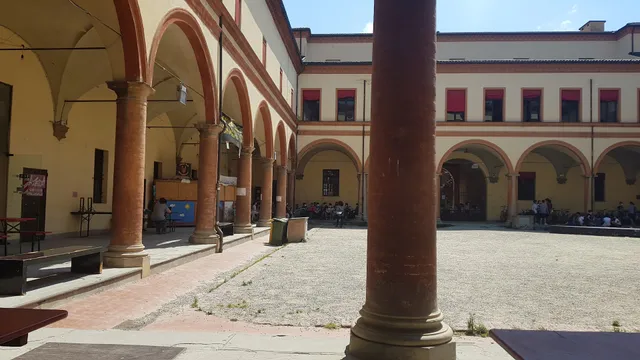
Làbas
4.5
(516)
Closed
Click for details
Nearby restaurants of Palazzo Ercolani
Osteria Broccaindosso
Clorofilla
Zoo
Birra Cerqua
The Backrooms
Pizzeria Il Portico
Lasaway - Non La Solita Lasagna
Antica Trattoria Spiga
Bar Major Bologna
La Fatica - Antica Osteria
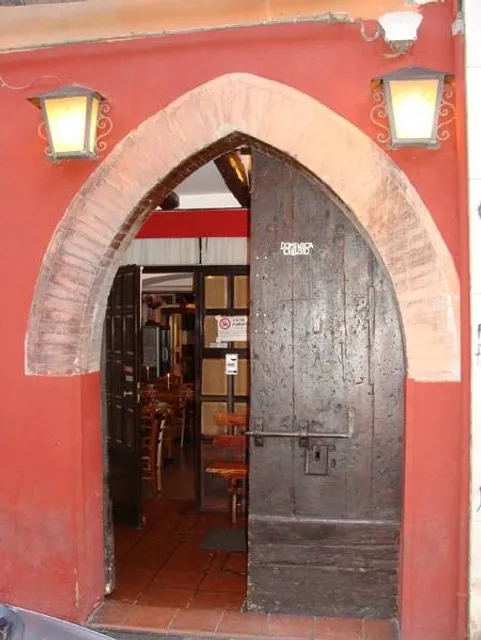
Osteria Broccaindosso
4.4
(1.4K)
Closed
Click for details
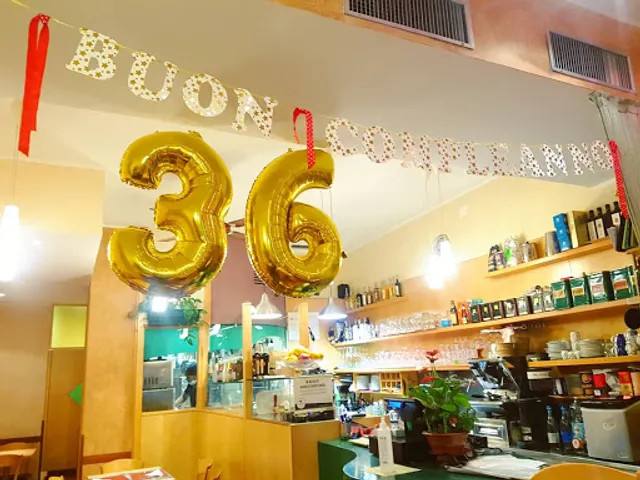
Clorofilla
4.4
(403)
Closed
Click for details
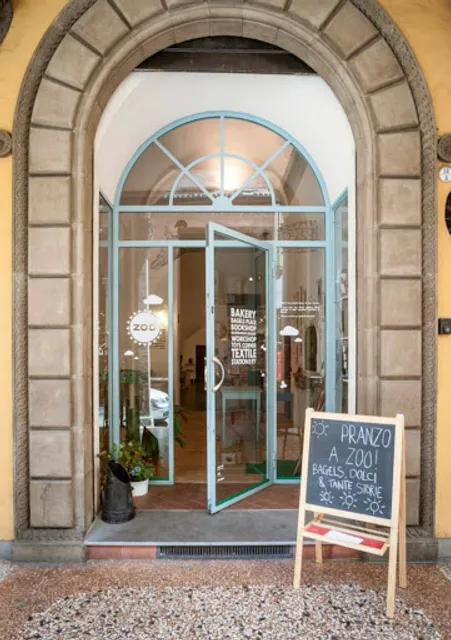
Zoo
4.1
(508)
Open until 12:00 AM
Click for details
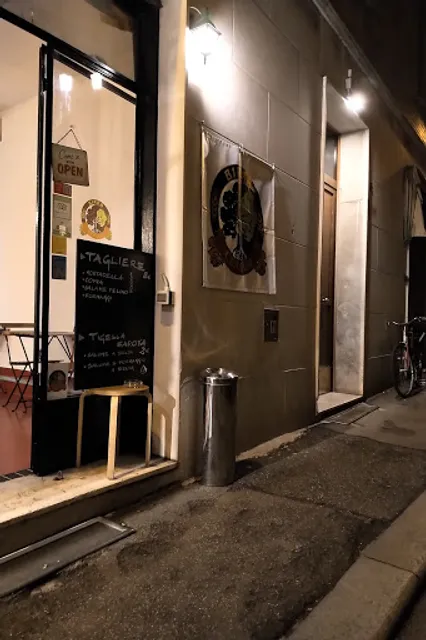
Birra Cerqua
4.7
(183)
Closed
Click for details
Nearby local services of Palazzo Ercolani
Cinema Roma d'Essai
Piazza Santo Stefano
Secret Zone
Mercato di Santa Lucia
Basilica santuario Santo Stefano - Complesso delle sette chiese
Novanta6 - Trancio alla Romana
La Saponaria - Biostorie Bologna | Cosmetici bio
Rosticceria cinese Felice
Mercatino di piazza Aldrovandi
Carta in Festa Matrimoni
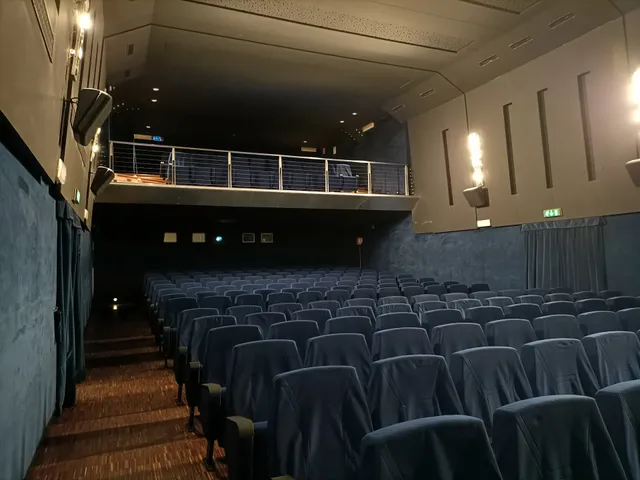
Cinema Roma d'Essai
4.3
(302)
Click for details
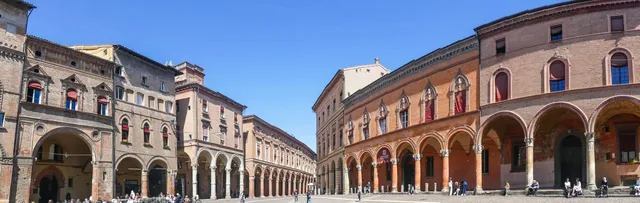
Piazza Santo Stefano
4.8
(3.9K)
Click for details
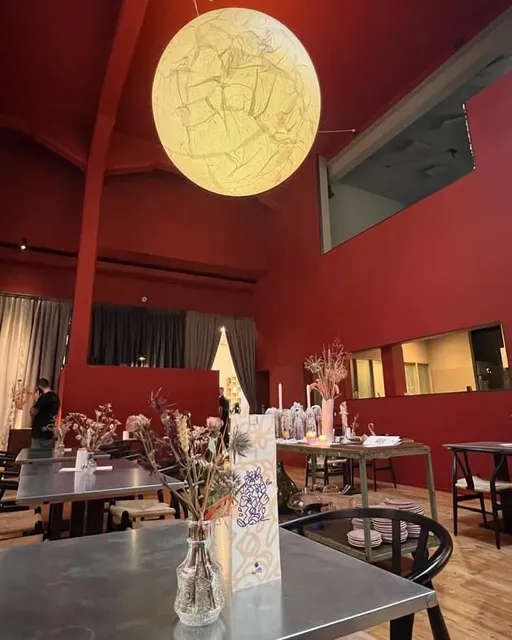
Secret Zone
4.7
(145)
Click for details
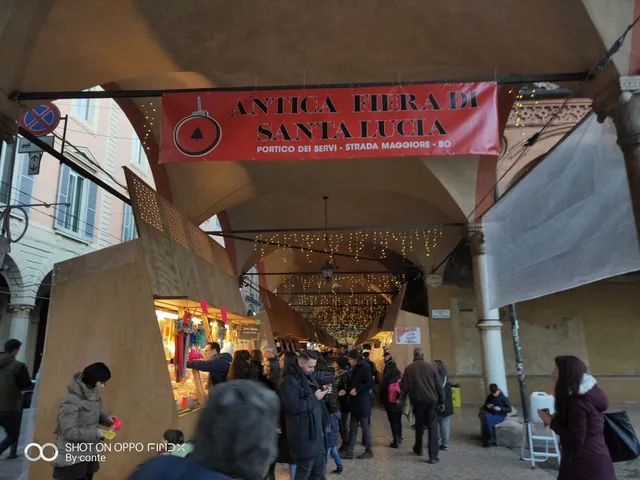
Mercato di Santa Lucia
4.1
(34)
Click for details