San Giovanni Al Sepolcro things to do, attractions, restaurants, events info and trip planning
Basic Info
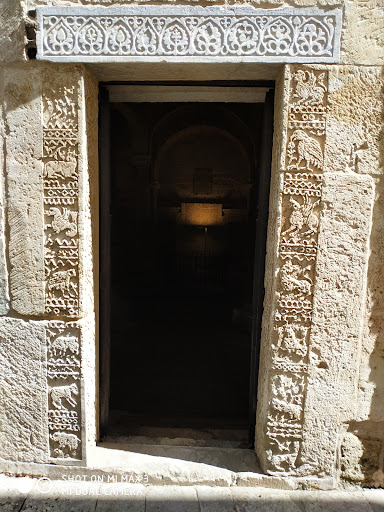
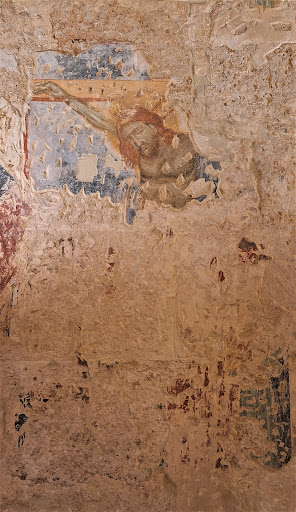
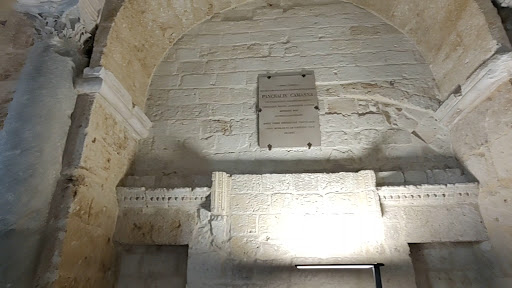
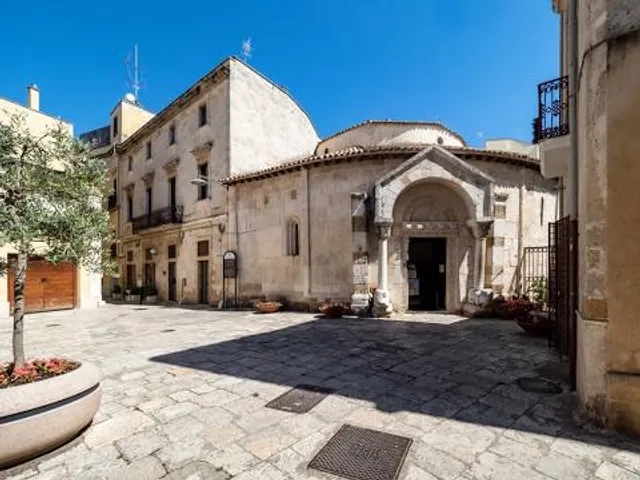
San Giovanni Al Sepolcro
Via S. Giovanni al Sepolcro, 5, 72100 Brindisi BR, Italy
4.6(647)
Closed
Save
spot
spot
Ratings & Description
Info
Cultural
Accessibility
attractions: Chiesa di San Paolo Eremita e Museo Diocesano G. Tarantini, Lungomare di Brindisi, Piazza Santa Teresa, Palazzo Guerrieri, Fontana de Torres, Fontana delle Ancore, Remains of a large Roman reservoir (Vasche Limarie), Bastione San Giacomo, Capannone Ex Montecatini, restaurants: Brunda Pizzeria, Schiuma - Birreria di mare, Il Tempio dei Sapori, Pizzeria SpaccaNapoli, Toto & Raf Restaurant Brindisi, Cascipò, Susumaniello vineria, Pizzeria La Nassa, Acquapazza, Spinnaker, local businesses: Cathedral of the Visitation and Saint John Baptist, Colonne Romane, Church of Saint Theresa, Portico dei Cavalieri Templari, Monumento al Marinaio d'Italia, The Monument To Virgil
 Learn more insights from Wanderboat AI.
Phone
+39 329 046 6133
Open hoursSee all hours
Mon8 AM - 8 PMClosed
Plan your stay

Pet-friendly Hotels in Brindisi
Find a cozy hotel nearby and make it a full experience.

Affordable Hotels in Brindisi
Find a cozy hotel nearby and make it a full experience.

The Coolest Hotels You Haven't Heard Of (Yet)
Find a cozy hotel nearby and make it a full experience.

Trending Stays Worth the Hype in Brindisi
Find a cozy hotel nearby and make it a full experience.
Reviews
Live events

Pasta course, dinner, wine, olive oil in the farm
Mon, Feb 23 • 9:30 AM
72100, Brindisi, Puglia, Italy, Italy
View details
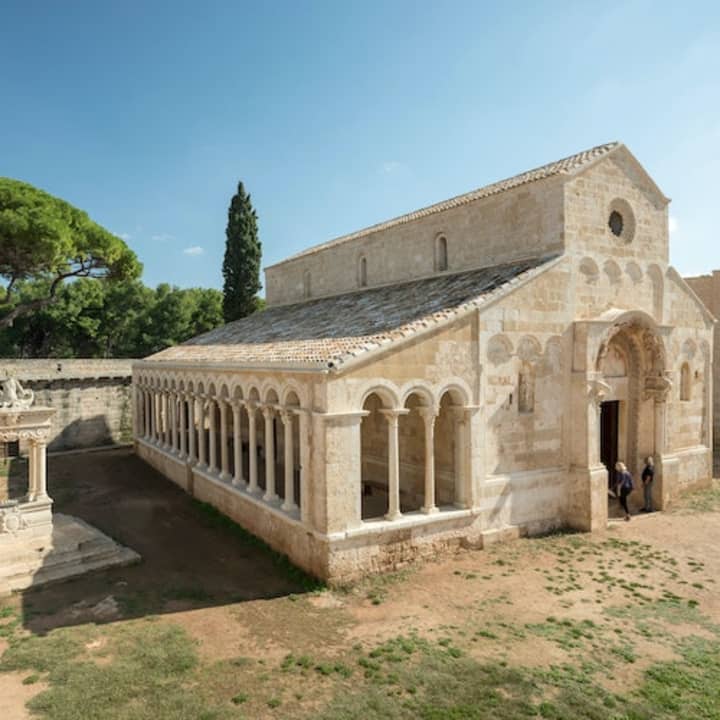
Abbazia di Santa Maria di Cerrate: Biglietto dingresso
Tue, Feb 24 • 10:00 AM
900, SP100 km 5, Lecce, 73100
View details
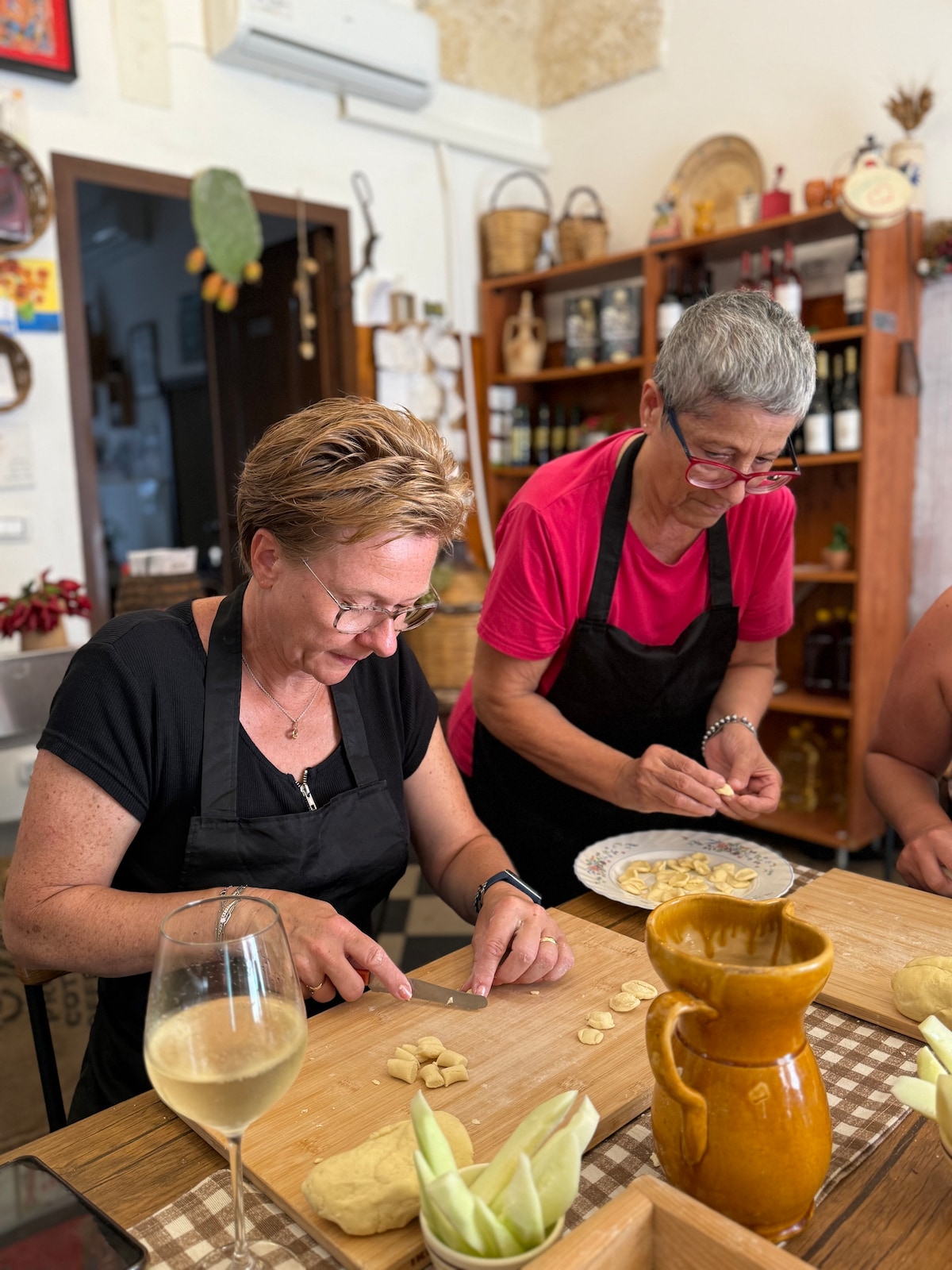
Fresh Apulian pasta course in the greengrocer
Tue, Feb 24 • 10:30 AM
72100, Brindisi, Apulia, Italy
View details
Nearby attractions of San Giovanni Al Sepolcro
Chiesa di San Paolo Eremita e Museo Diocesano G. Tarantini
Lungomare di Brindisi
Piazza Santa Teresa
Palazzo Guerrieri
Fontana de Torres
Fontana delle Ancore
Remains of a large Roman reservoir (Vasche Limarie)
Bastione San Giacomo
Capannone Ex Montecatini
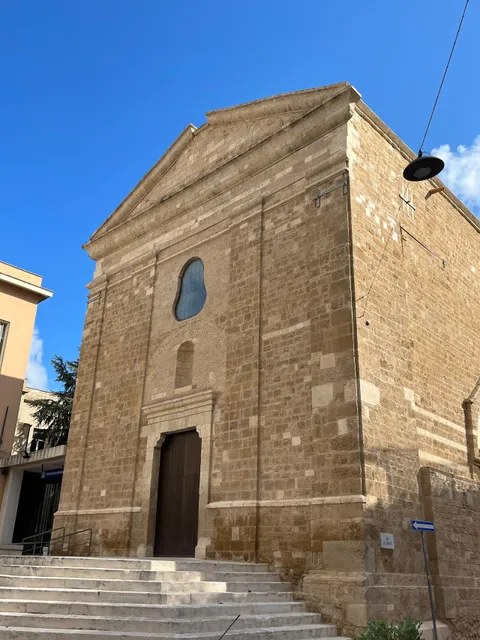
Chiesa di San Paolo Eremita e Museo Diocesano G. Tarantini
4.7
(168)
Closed
Click for details
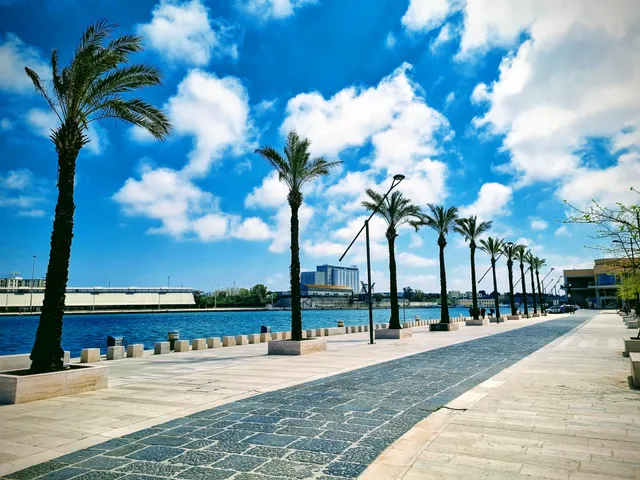
Lungomare di Brindisi
4.7
(284)
Open until 12:00 AM
Click for details
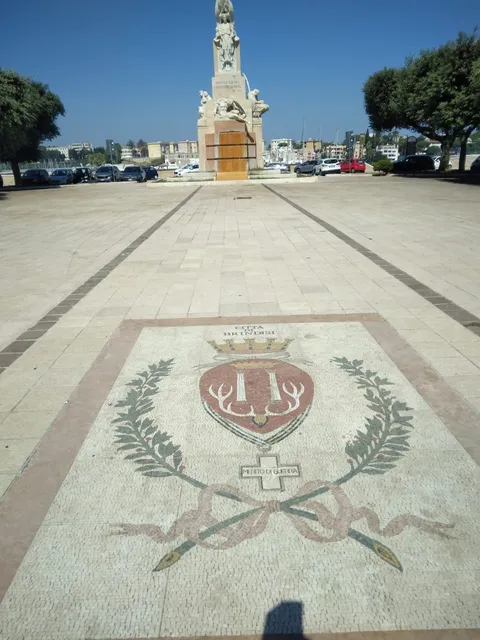
Piazza Santa Teresa
4.6
(11)
Open 24 hours
Click for details
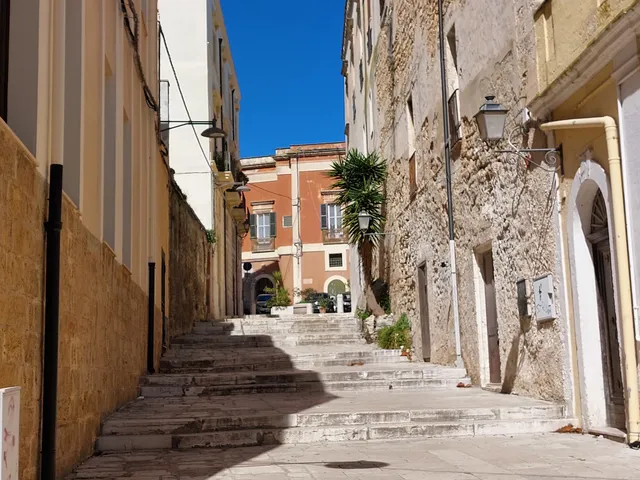
Palazzo Guerrieri
4.6
(51)
Open until 12:00 AM
Click for details
Nearby restaurants of San Giovanni Al Sepolcro
Brunda Pizzeria
Schiuma - Birreria di mare
Il Tempio dei Sapori
Pizzeria SpaccaNapoli
Toto & Raf Restaurant Brindisi
Cascipò
Susumaniello vineria
Pizzeria La Nassa
Acquapazza
Spinnaker
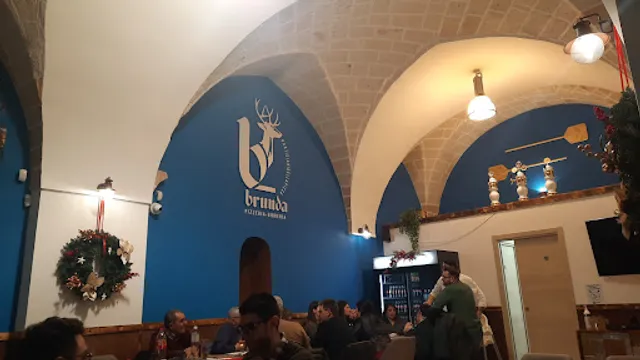
Brunda Pizzeria
4.6
(1.4K)
Closed
Click for details
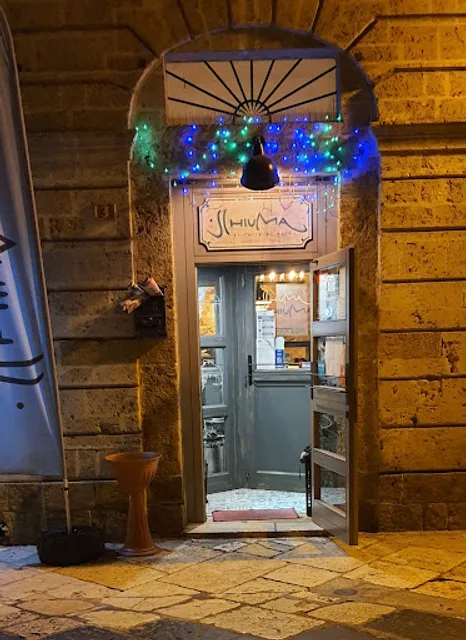
Schiuma - Birreria di mare
4.7
(458)
Closed
Click for details
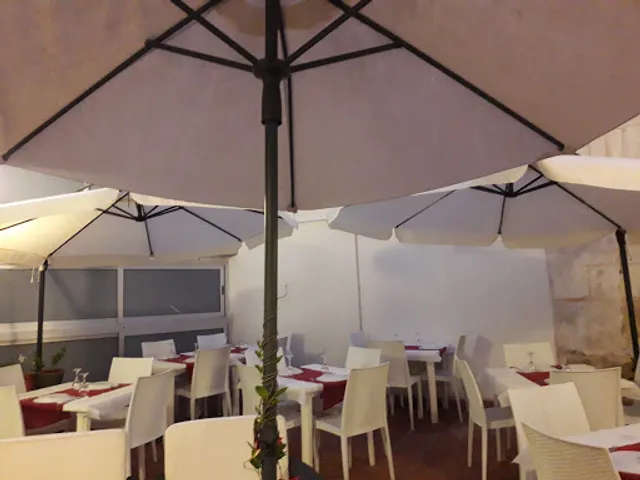
Il Tempio dei Sapori
4.2
(183)
Open until 12:00 AM
Click for details
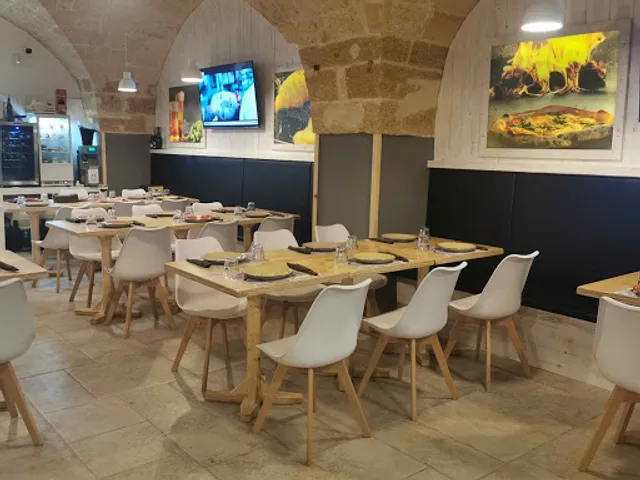
Pizzeria SpaccaNapoli
4.4
(515)
Closed
Click for details
Nearby local services of San Giovanni Al Sepolcro
Cathedral of the Visitation and Saint John Baptist
Colonne Romane
Church of Saint Theresa
Portico dei Cavalieri Templari
Monumento al Marinaio d'Italia
The Monument To Virgil
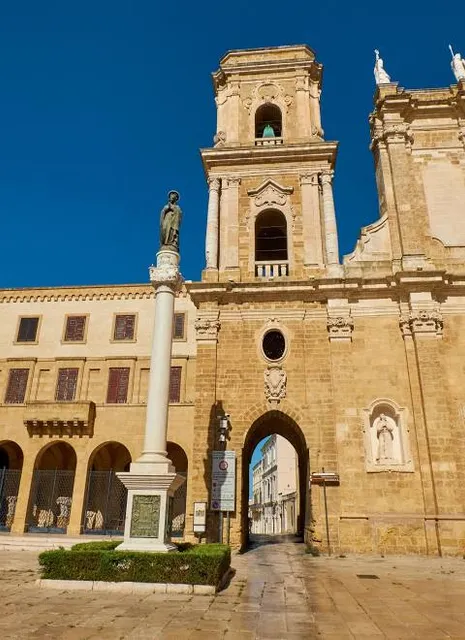
Cathedral of the Visitation and Saint John Baptist
4.5
(352)
Click for details
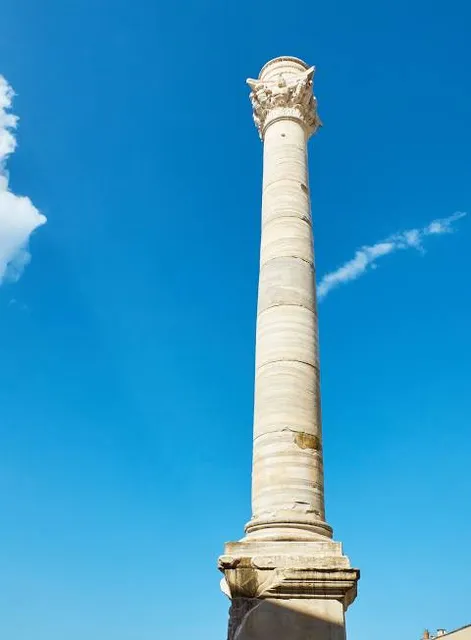
Colonne Romane
4.6
(888)
Click for details
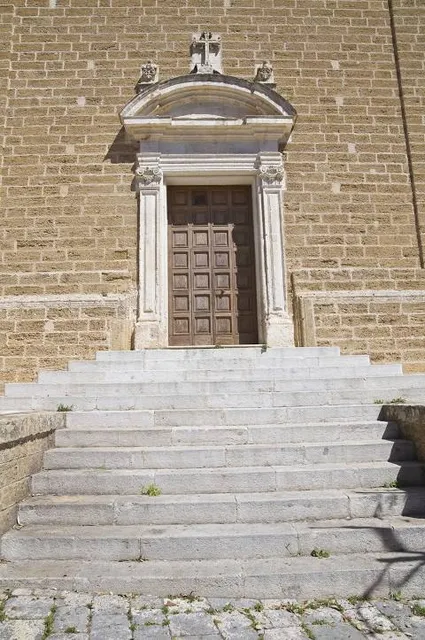
Church of Saint Theresa
4.2
(35)
Click for details
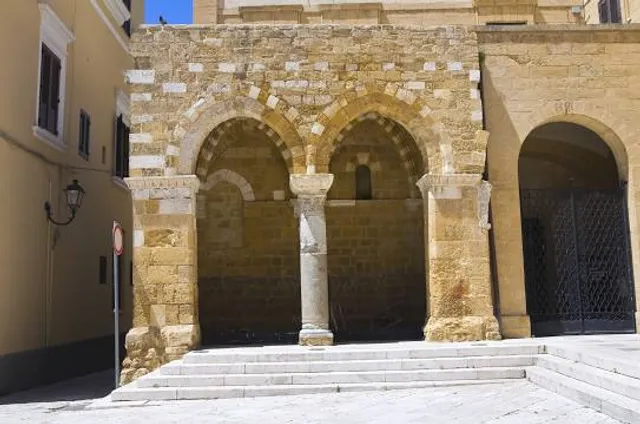
Portico dei Cavalieri Templari
4.6
(16)
Click for details