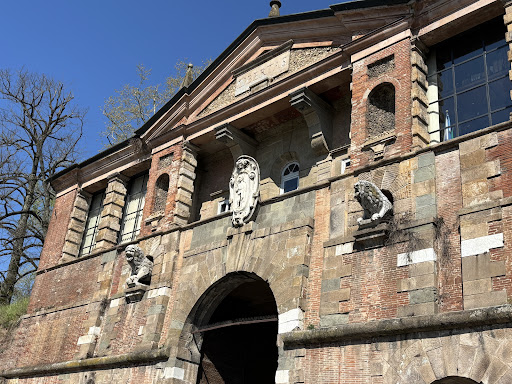
Porta San Pietro things to do, attractions, restaurants, events info and trip planning
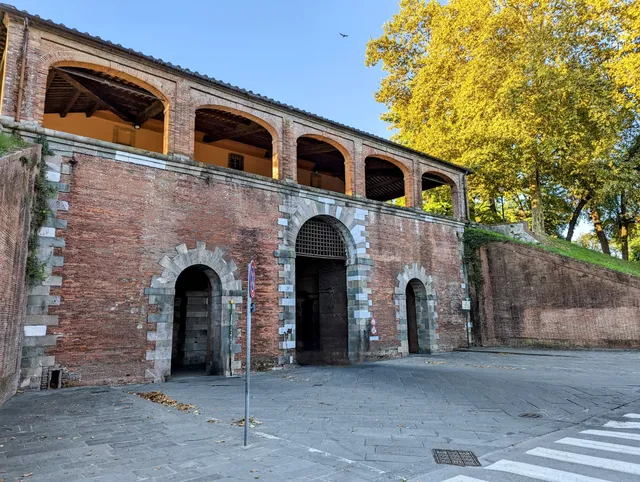
Basic Info
Porta San Pietro
Sortita Porta S. Pietro, 55100 Lucca LU, Italy
4.5(2.7K)
Open until 12:00 AM
Save
spot
spot
Ratings & Description
Info
Cultural
Accessibility
attractions: Mura di Lucca, Piazza Napoleone, Cathedral of Lucca, Teatro del Giglio, Baluardo Santa Maria, Palazzo Ducale di Lucca, Chiesa di San Michele in Foro, Palazzo delle Esposizioni - FBML, Università degli Studi eCampus Lucca, Puccini Museum, restaurants: In Pasta - Cibo e Convivio, La Dogana Lucca, Gelateria Paniko, Gelateria Veneta, Pizzeria Da Francesco, Pan di strada, Lo Skianto, risto-bar il caffè, GO.DO. Burger Bar&Bistrot - Hamburgeria Ristorante, Fiaschetto, local businesses: Piazza Napoleone, Cinema Astra, Caffè del Teatro: Pasticceria Napoletana, Fanta Universe, Vibrisse Art Studio, Il Collezionista, Church of Saint John and Saint Reparata, Lucca Summer Festival - Mura Storiche, Korus Fashion, Mondadori Bookstore
 Learn more insights from Wanderboat AI.
Open hoursSee all hours
TueOpen 24 hoursOpen
Plan your stay

Pet-friendly Hotels in Lucca
Find a cozy hotel nearby and make it a full experience.

Affordable Hotels in Lucca
Find a cozy hotel nearby and make it a full experience.

The Coolest Hotels You Haven't Heard Of (Yet)
Find a cozy hotel nearby and make it a full experience.

Trending Stays Worth the Hype in Lucca
Find a cozy hotel nearby and make it a full experience.
Reviews
Live events
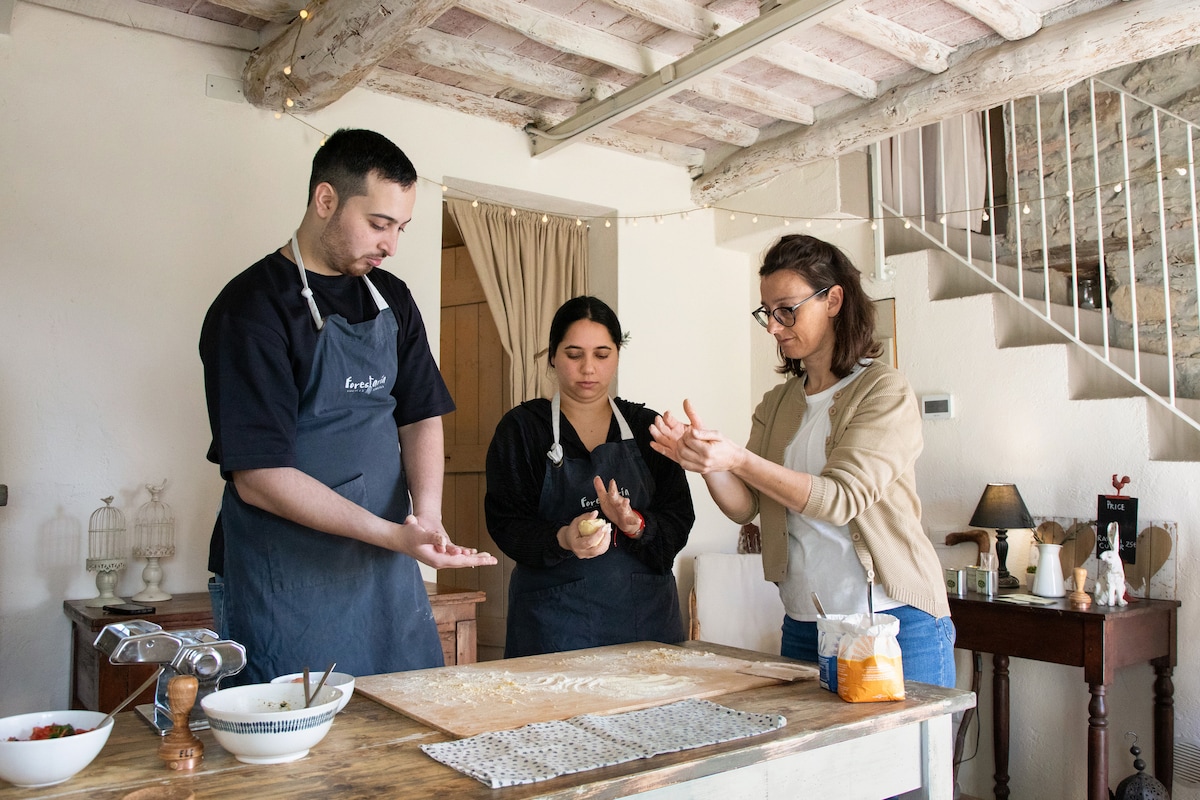
Cooking at a Tuscan farm
Tue, Feb 24 • 11:00 AM
55012, Capannori, Toscana, Italy
View details
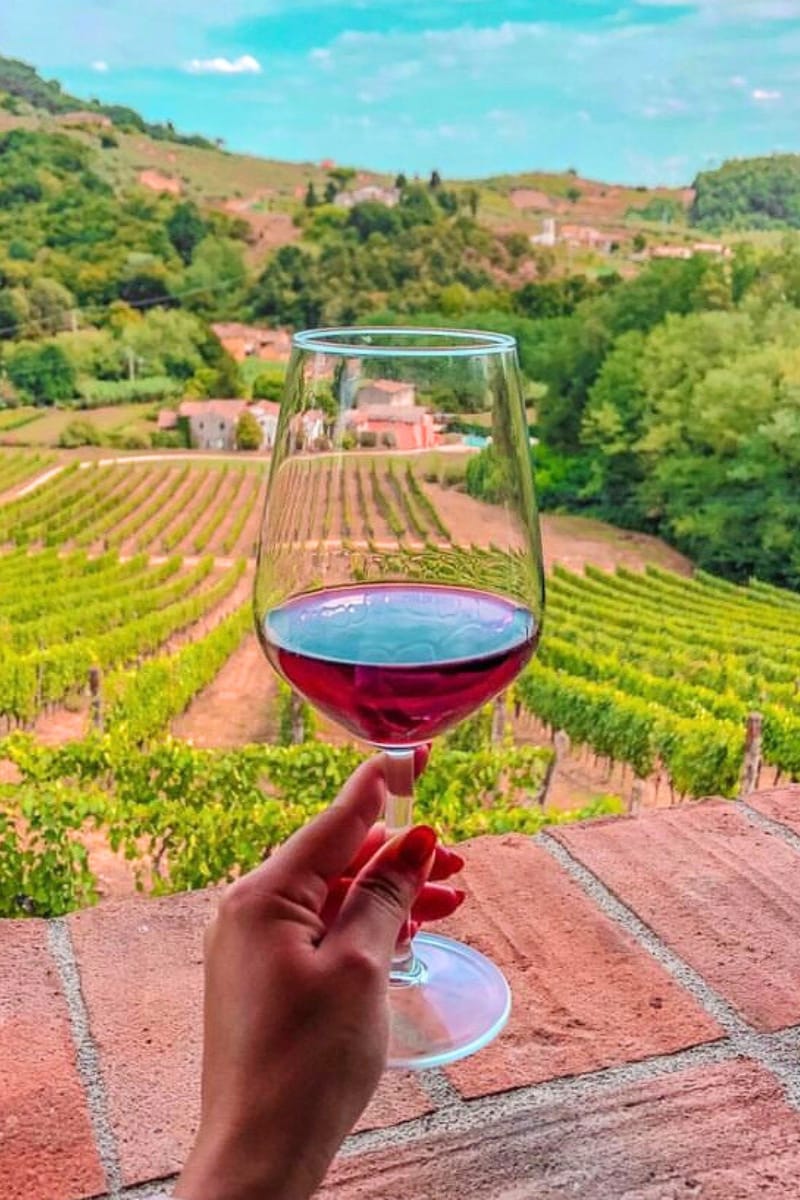
Drink wine with Italian winemakers and sommeliers
Tue, Feb 24 • 11:00 AM
55100, Lucca, Tuscany, Italy
View details
Candlelight: Tributo a Ennio Morricone
Fri, Feb 27 • 9:00 PM
Piazza del Suffragio, 6, Lucca, 55100
View details
Nearby attractions of Porta San Pietro
Mura di Lucca
Piazza Napoleone
Cathedral of Lucca
Teatro del Giglio
Baluardo Santa Maria
Palazzo Ducale di Lucca
Chiesa di San Michele in Foro
Palazzo delle Esposizioni - FBML
Università degli Studi eCampus Lucca
Puccini Museum
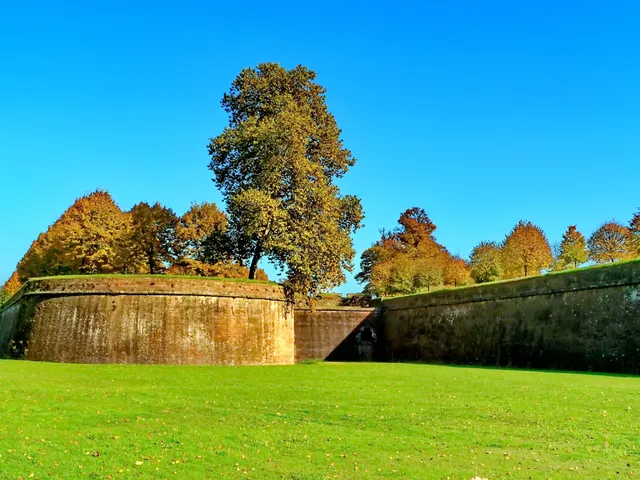
Mura di Lucca
4.8
(2.9K)
Closed
Click for details
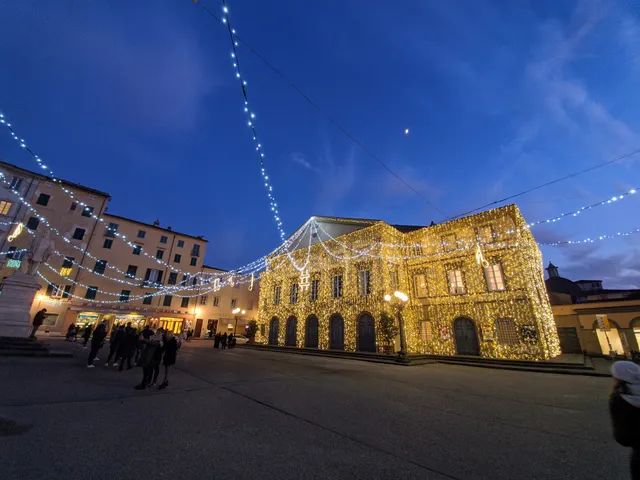
Piazza Napoleone
4.5
(5.4K)
Open until 12:00 AM
Click for details
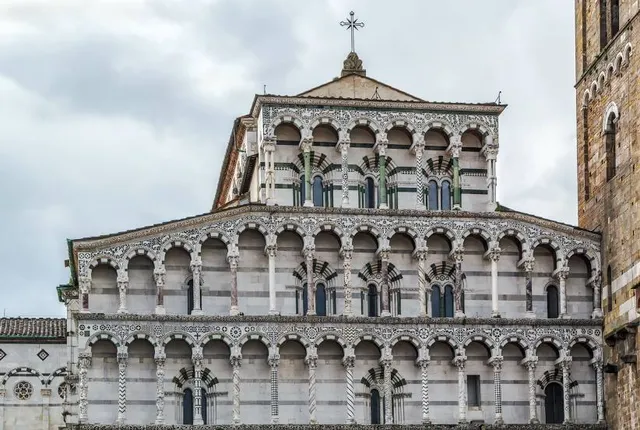
Cathedral of Lucca
4.6
(4.8K)
Closed
Click for details
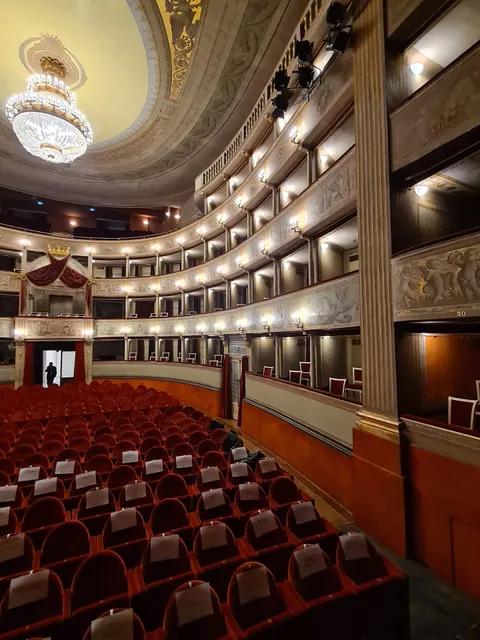
Teatro del Giglio
4.5
(570)
Open 24 hours
Click for details
Nearby restaurants of Porta San Pietro
In Pasta - Cibo e Convivio
La Dogana Lucca
Gelateria Paniko
Gelateria Veneta
Pizzeria Da Francesco
Pan di strada
Lo Skianto
risto-bar il caffè
GO.DO. Burger Bar&Bistrot - Hamburgeria Ristorante
Fiaschetto
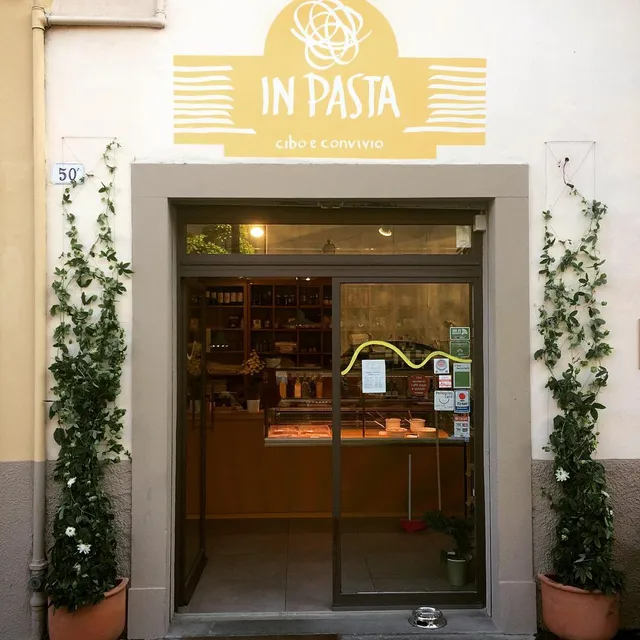
In Pasta - Cibo e Convivio
4.6
(1.3K)
Closed
Click for details
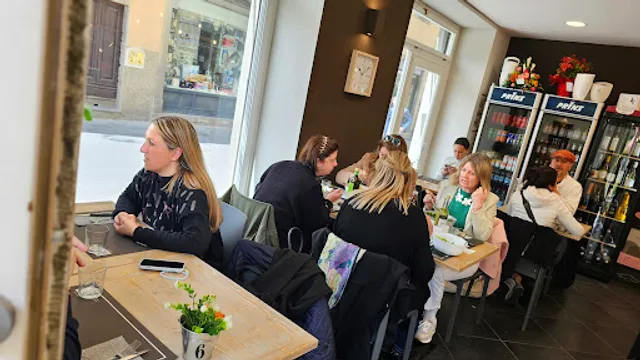
La Dogana Lucca
4.2
(376)
Closed
Click for details
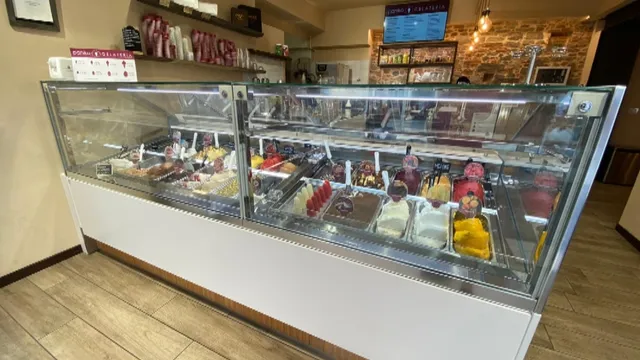
Gelateria Paniko
4.8
(530)
Open until 12:00 AM
Click for details
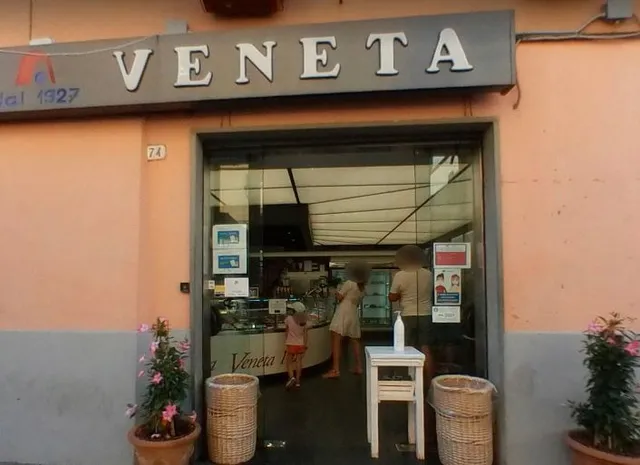
Gelateria Veneta
4.4
(532)
$$
Click for details
Nearby local services of Porta San Pietro
Piazza Napoleone
Cinema Astra
Caffè del Teatro: Pasticceria Napoletana
Fanta Universe
Vibrisse Art Studio
Il Collezionista
Church of Saint John and Saint Reparata
Lucca Summer Festival - Mura Storiche
Korus Fashion
Mondadori Bookstore
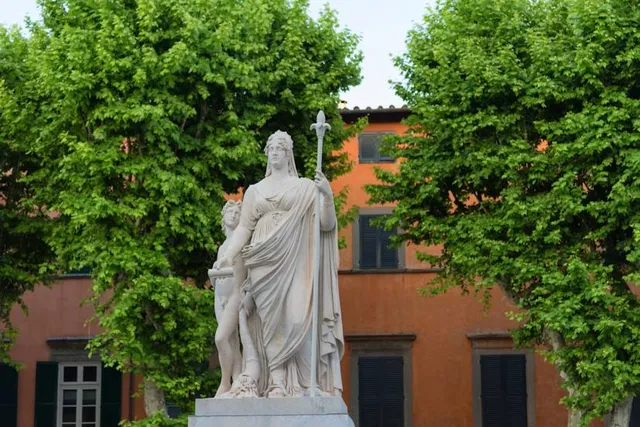
Piazza Napoleone
4.5
(4.6K)
Click for details
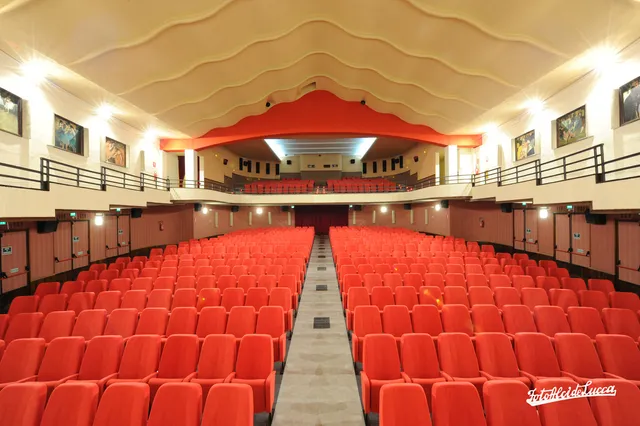
Cinema Astra
4.1
(442)
Click for details
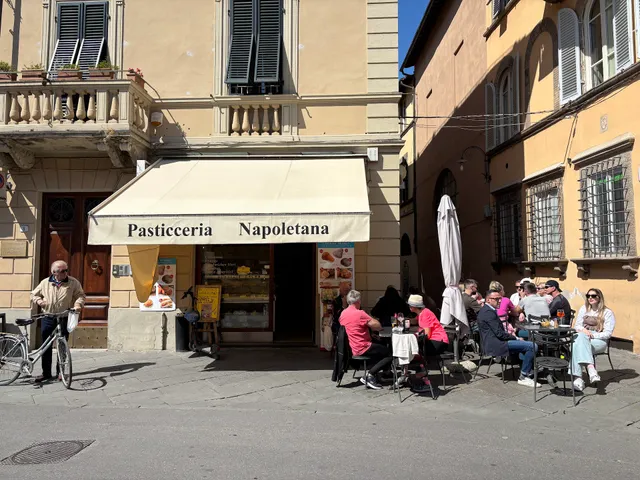
Caffè del Teatro: Pasticceria Napoletana
4.8
(172)
Click for details
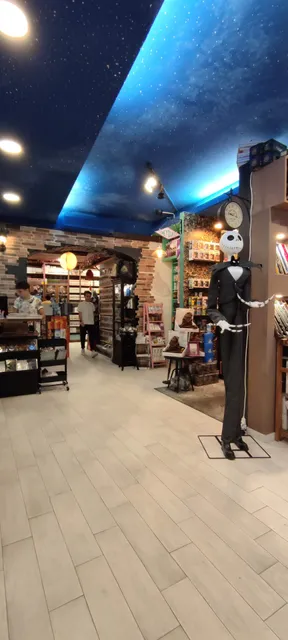
Fanta Universe
4.6
(115)
Click for details