Castello Tramontano things to do, attractions, restaurants, events info and trip planning
Basic Info
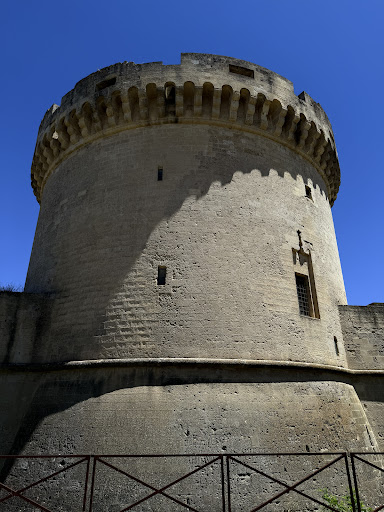
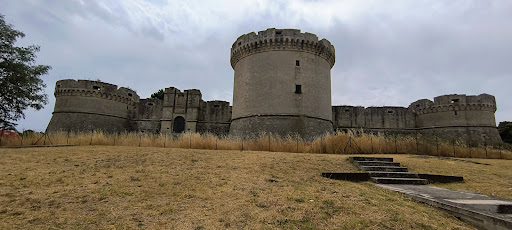
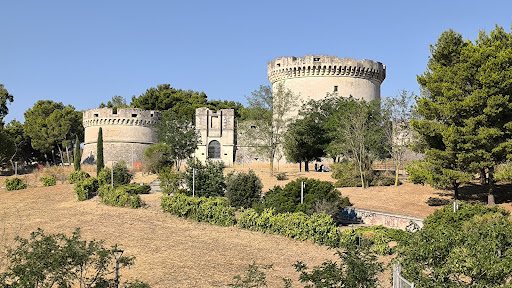
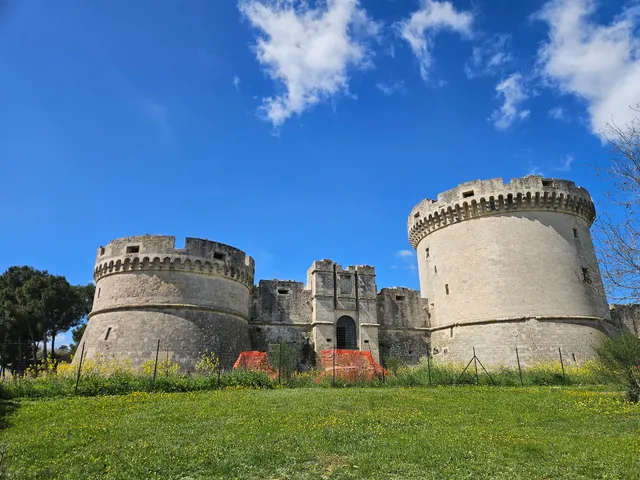
Castello Tramontano
Via del Castello, 75100 Matera MT, Italy
4.0(709)
Open 24 hours
Save
spot
spot
Ratings & Description
Info
attractions: Castle Park, Palombaro lungo, Martulli Viaggi - DMC, Belvedere di Piazza Giovanni Pascoli, Sassi di Matera, Chiesa del Purgatorio, Musei nazionali di Matera, Chiesa di Santa Lucia e Agata alla Fontana, Chiesa di San Francesco d'Assisi, BG ARTE VISITE GUIDATE, restaurants: Paradiso del boschetto, Kapunto, Laltrapizza Matera, Da Nonna Rosa, Ristorante Burro Salato - Cucina Francese e Lucana a Matera, Il Fiore del Latte, Il Terrazzino, La Fedda Rossa - Ristorante Osteria, Cantuccio, 19^buca, local businesses: Desiderio house matera, GUSTO, Pasticceria e caffetteria Le delizie di Rita, C&C Matera - Rivenditore Autorizzato Apple, Pienoritmo Live Band - Musica Live per Eventi e Matrimoni in Puglia e Basilicata, Roger the Club, Drogheria Latorre | Dal 1915, Matera minimarket, Mercato storico di Matera centrale, fashionB showroom
 Learn more insights from Wanderboat AI.
Plan your stay

Pet-friendly Hotels in Matera
Find a cozy hotel nearby and make it a full experience.

Affordable Hotels in Matera
Find a cozy hotel nearby and make it a full experience.

The Coolest Hotels You Haven't Heard Of (Yet)
Find a cozy hotel nearby and make it a full experience.

Trending Stays Worth the Hype in Matera
Find a cozy hotel nearby and make it a full experience.
Reviews
Live events
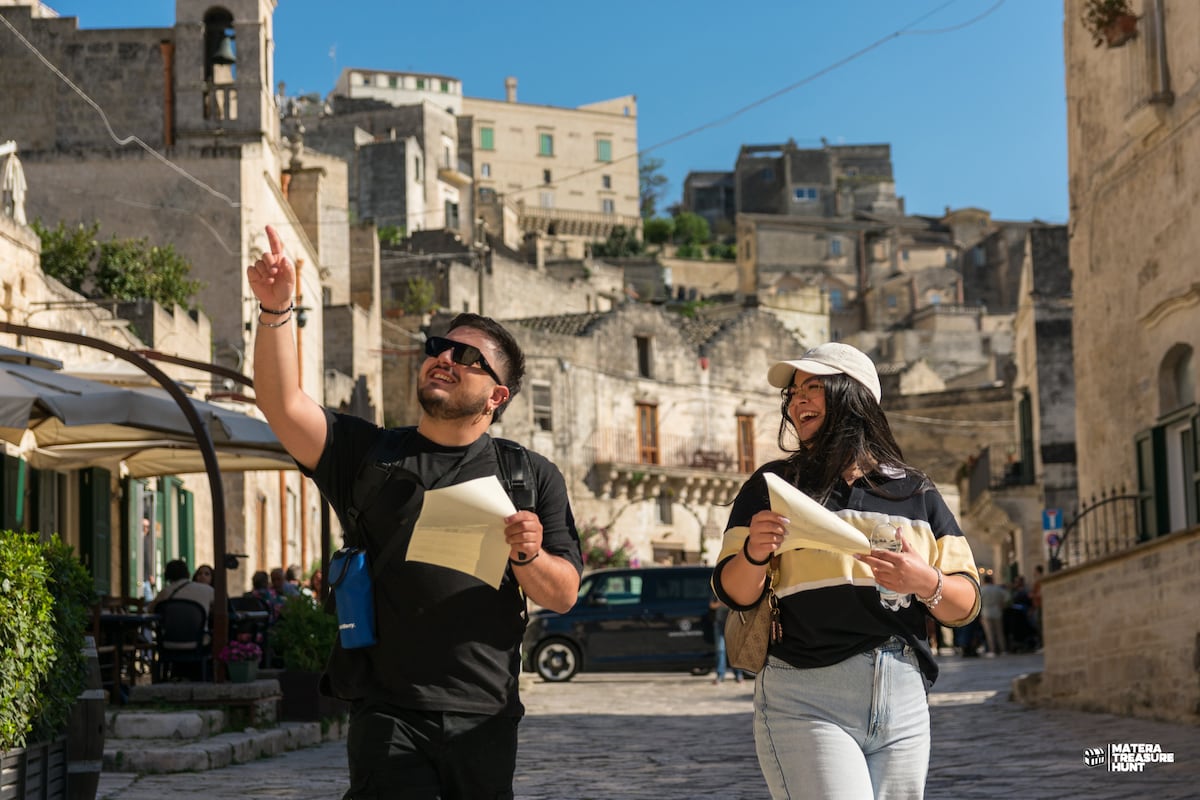
Matera Treasure Hunt: Explore Sassi & Must-Sees
Sat, Feb 14 • 10:00 AM
75100, Matera, Basilicata, Italy
View details
Nearby attractions of Castello Tramontano
Castle Park
Palombaro lungo
Martulli Viaggi - DMC
Belvedere di Piazza Giovanni Pascoli
Sassi di Matera
Chiesa del Purgatorio
Musei nazionali di Matera
Chiesa di Santa Lucia e Agata alla Fontana
Chiesa di San Francesco d'Assisi
BG ARTE VISITE GUIDATE
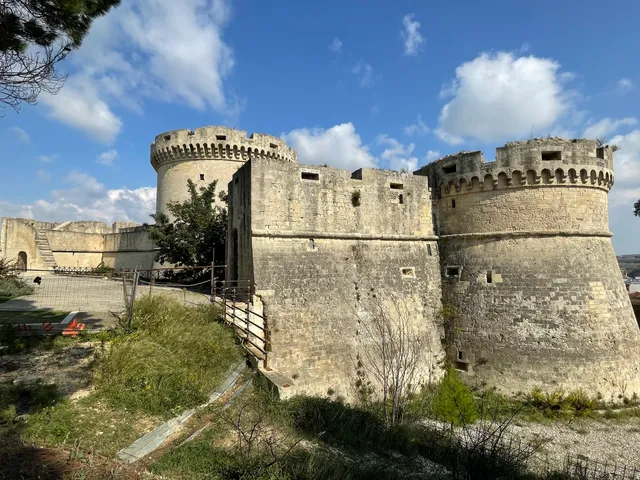
Castle Park
4.1
(693)
Open until 9:00 PM
Click for details
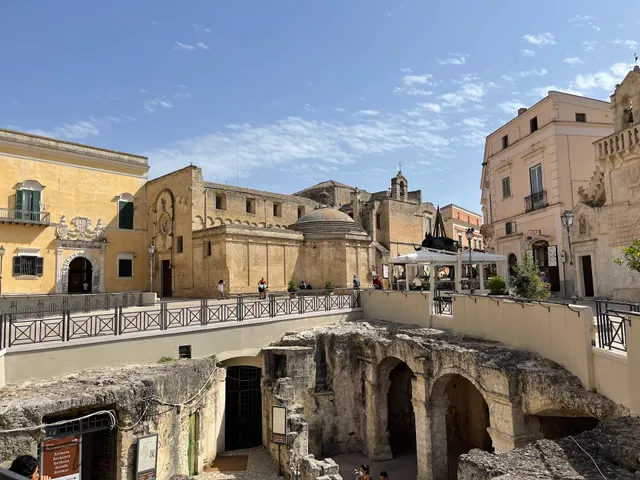
Palombaro lungo
4.5
(5K)
Closed
Click for details

Martulli Viaggi - DMC
4.8
(767)
Open until 9:00 PM
Click for details
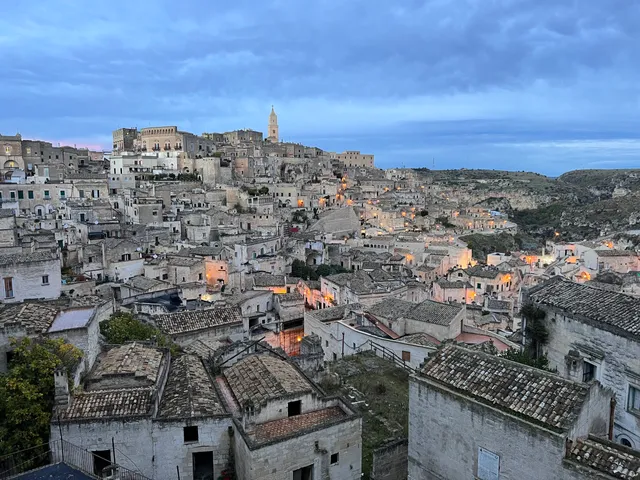
Belvedere di Piazza Giovanni Pascoli
4.8
(2.4K)
Open until 12:00 AM
Click for details
Nearby restaurants of Castello Tramontano
Paradiso del boschetto
Kapunto
Laltrapizza Matera
Da Nonna Rosa
Ristorante Burro Salato - Cucina Francese e Lucana a Matera
Il Fiore del Latte
Il Terrazzino
La Fedda Rossa - Ristorante Osteria
Cantuccio
19^buca
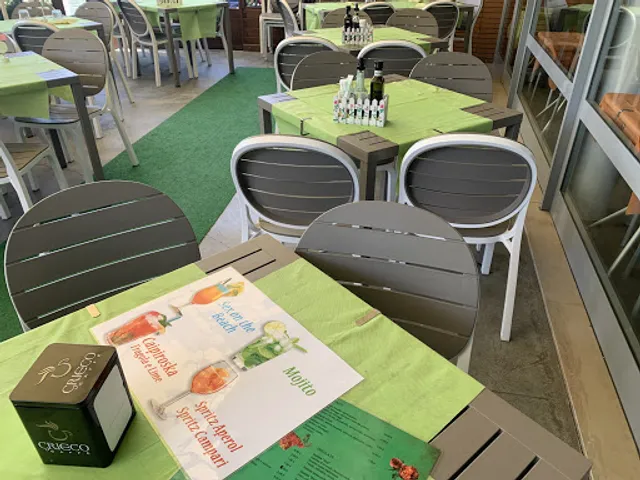
Paradiso del boschetto
4.3
(438)
Click for details
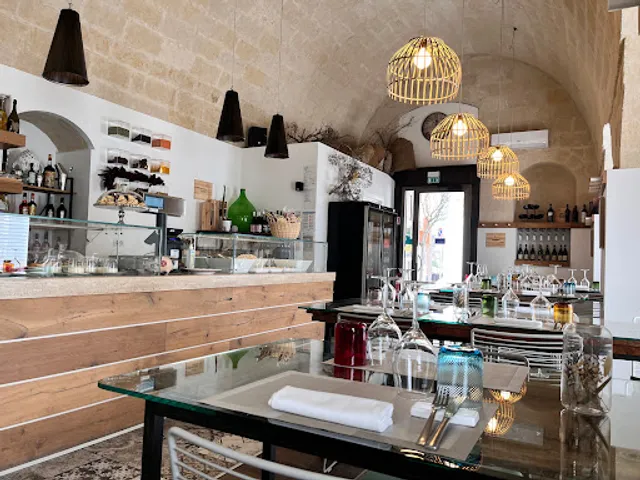
Kapunto
4.6
(590)
Open until 10:00 PM
Click for details
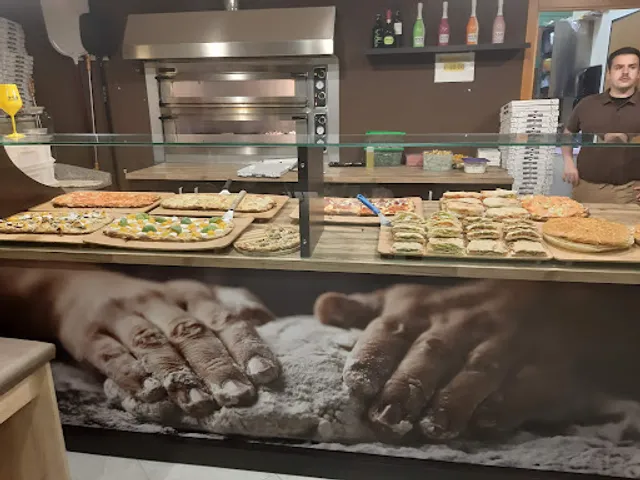
Laltrapizza Matera
4.5
(198)
Open until 12:00 AM
Click for details
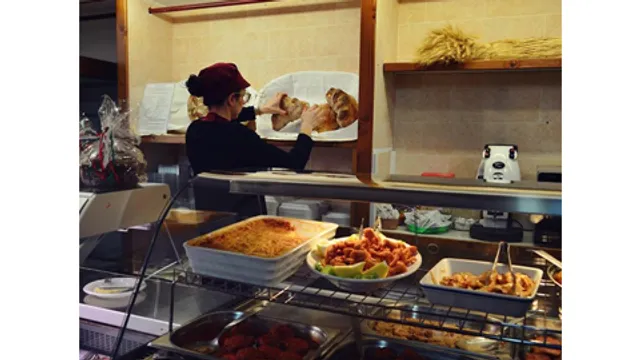
Da Nonna Rosa
4.4
(375)
Closed
Click for details
Nearby local services of Castello Tramontano
Desiderio house matera
GUSTO
Pasticceria e caffetteria Le delizie di Rita
C&C Matera - Rivenditore Autorizzato Apple
Pienoritmo Live Band - Musica Live per Eventi e Matrimoni in Puglia e Basilicata
Roger the Club
Drogheria Latorre | Dal 1915
Matera minimarket
Mercato storico di Matera centrale
fashionB showroom
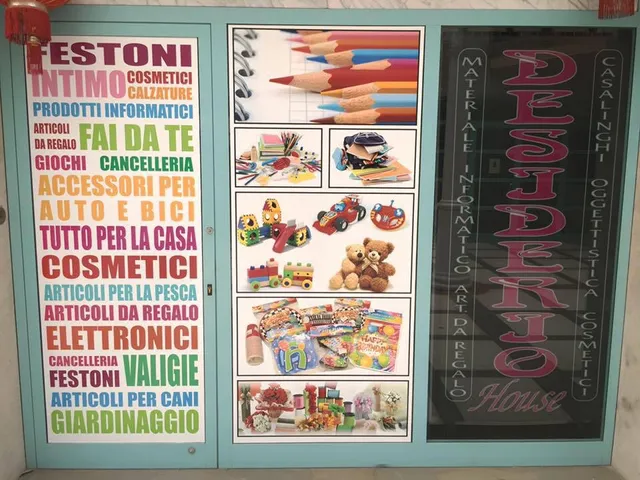
Desiderio house matera
5.0
(103)
Click for details
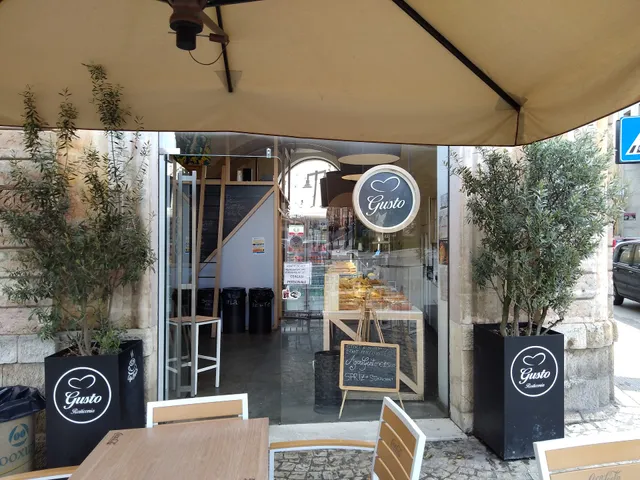
GUSTO
4.2
(222)
Click for details
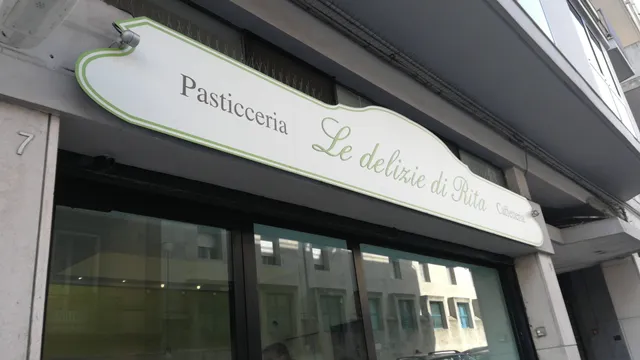
Pasticceria e caffetteria Le delizie di Rita
4.6
(68)
Click for details
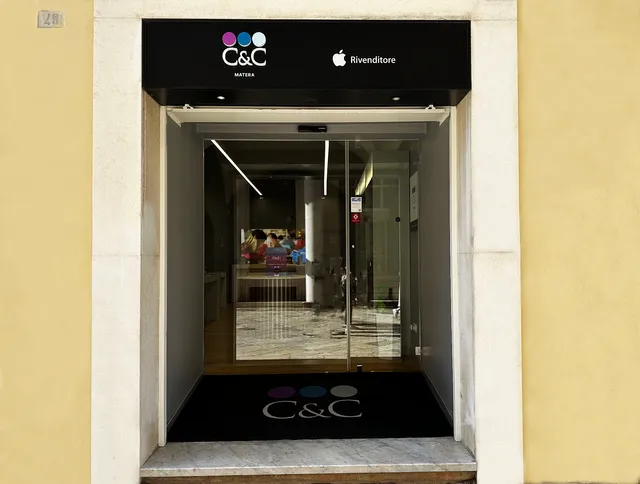
C&C Matera - Rivenditore Autorizzato Apple
4.8
(106)
Click for details