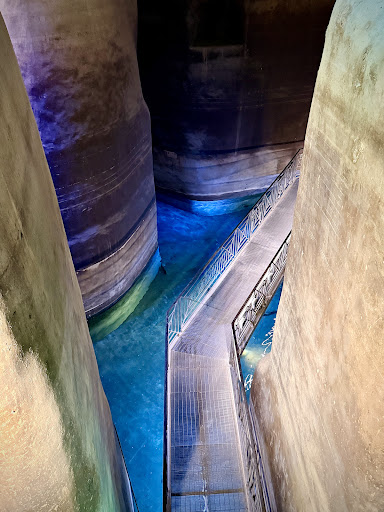
Palombaro lungo things to do, attractions, restaurants, events info and trip planning
Basic Info
Palombaro lungo
Piazza Vittorio Veneto, 75100 Matera MT, Italy
4.5(5K)
Closed

tickets
Save
spot
spot
Ratings & Description
Info
attractions: CineTeatro Comunale Gerardo Guerrieri, Chiesa di San Giovanni Battista, Ipogeo MateraSum, a.s.d. Flying Stones - Volo immersivo 360°! "Con gli occhi del falco grillaio sui sassi di Matera", Sassi di Matera, Chiesa di Santa Lucia e Agata alla Fontana, Matera Basilicata Foundation 2019, Museo Nazionale di Matera - Ex Ospedale San Rocco, Mit Matera, Casa Cava, restaurants: Il Terrazzino, Il Rusticone, La Finestra sui Sassi - Kappador, Bar Caffè Tripoli, 19^buca, Ristorante Nadì, San Biagio Ristorante - Matera centro sassi, L'Abbondanza Lucana, Pasteggiando 1 - The Way Of Pasta, Gelateria Caffè Cremeria dell'Angelo, local businesses: Cinema "Il Piccolo" Matera, Calzedonia, GUSTO, Boutique Diffusion Kitch, ARTEREGO, Città del sole Matera, Gioielleria Loglisci dal 1899, Mercato storico di Matera centrale, Digiesi 1959 Gioiellieri, Piano B
 Learn more insights from Wanderboat AI.
Phone
+39 339 363 8332
Open hoursSee all hours
Mon10 AM - 1 PM, 3 - 6 PMClosed
Plan your stay

Pet-friendly Hotels in Matera
Find a cozy hotel nearby and make it a full experience.

Affordable Hotels in Matera
Find a cozy hotel nearby and make it a full experience.

The Coolest Hotels You Haven't Heard Of (Yet)
Find a cozy hotel nearby and make it a full experience.

Trending Stays Worth the Hype in Matera
Find a cozy hotel nearby and make it a full experience.
Reviews
Live events
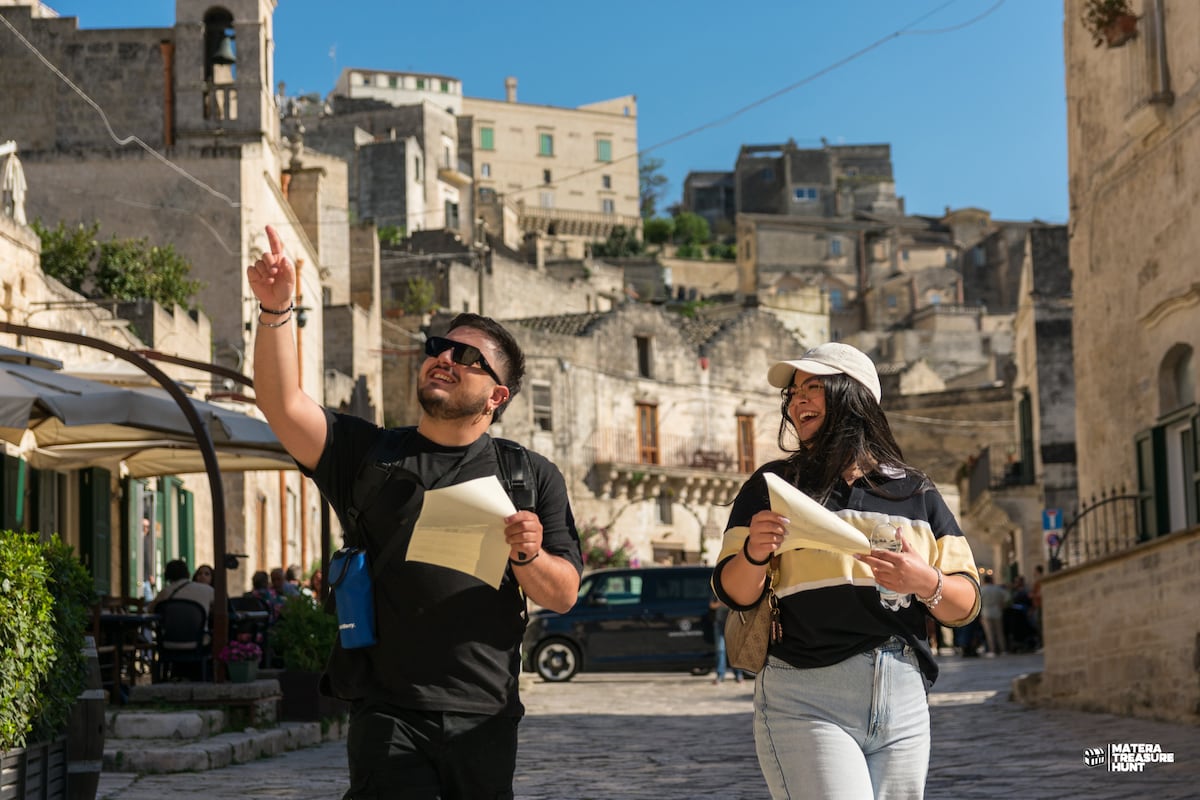
Matera Treasure Hunt: Explore Sassi & Must-Sees
Sat, Feb 14 • 10:00 AM
75100, Matera, Basilicata, Italy
View details
Nearby attractions of Palombaro lungo
CineTeatro Comunale Gerardo Guerrieri
Chiesa di San Giovanni Battista
Ipogeo MateraSum
a.s.d. Flying Stones - Volo immersivo 360°! "Con gli occhi del falco grillaio sui sassi di Matera"
Sassi di Matera
Chiesa di Santa Lucia e Agata alla Fontana
Matera Basilicata Foundation 2019
Museo Nazionale di Matera - Ex Ospedale San Rocco
Mit Matera
Casa Cava
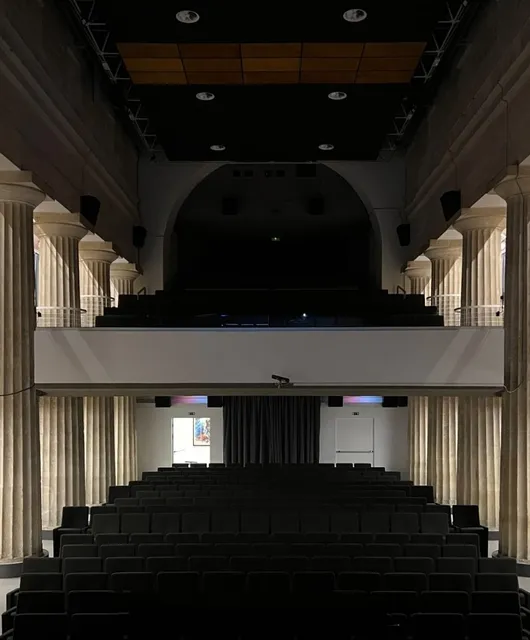
CineTeatro Comunale Gerardo Guerrieri
4.1
(162)
Open 24 hours
Click for details
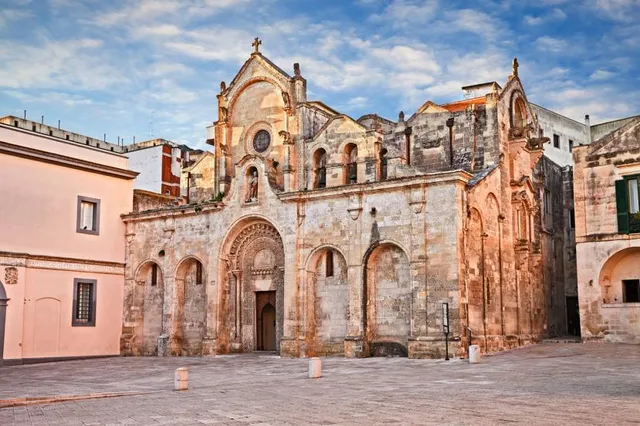
Chiesa di San Giovanni Battista
4.7
(549)
Open until 10:30 PM
Click for details
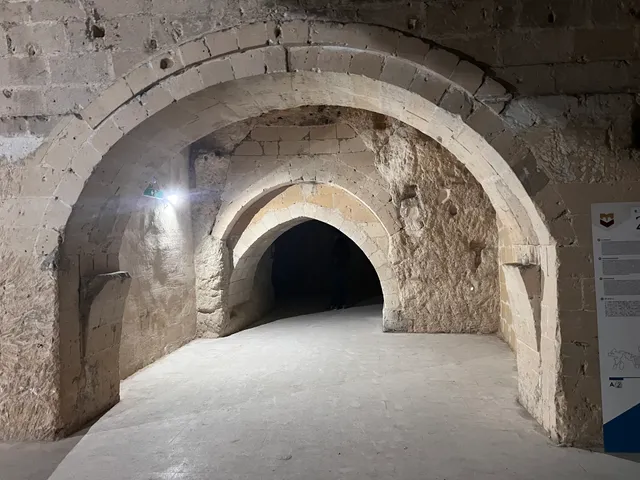
Ipogeo MateraSum
4.5
(233)
Closed
Click for details
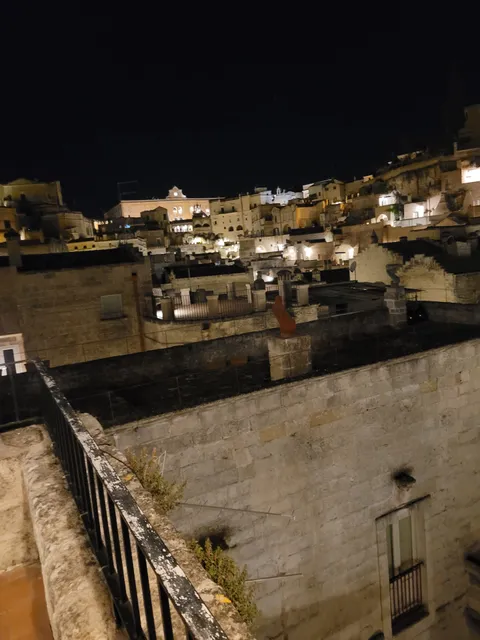
a.s.d. Flying Stones - Volo immersivo 360°! "Con gli occhi del falco grillaio sui sassi di Matera"
5.0
(81)
Open 24 hours
Click for details
Nearby restaurants of Palombaro lungo
Il Terrazzino
Il Rusticone
La Finestra sui Sassi - Kappador
Bar Caffè Tripoli
19^buca
Ristorante Nadì
San Biagio Ristorante - Matera centro sassi
L'Abbondanza Lucana
Pasteggiando 1 - The Way Of Pasta
Gelateria Caffè Cremeria dell'Angelo
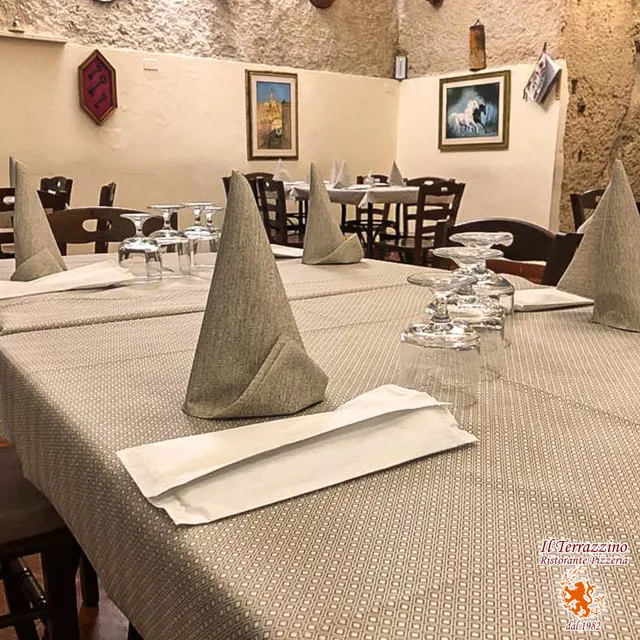
Il Terrazzino
4.1
(1.4K)
Open until 10:30 PM
Click for details
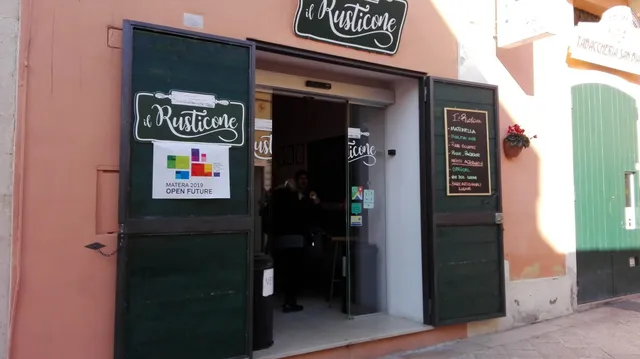
Il Rusticone
4.8
(801)
Open until 11:00 PM
Click for details
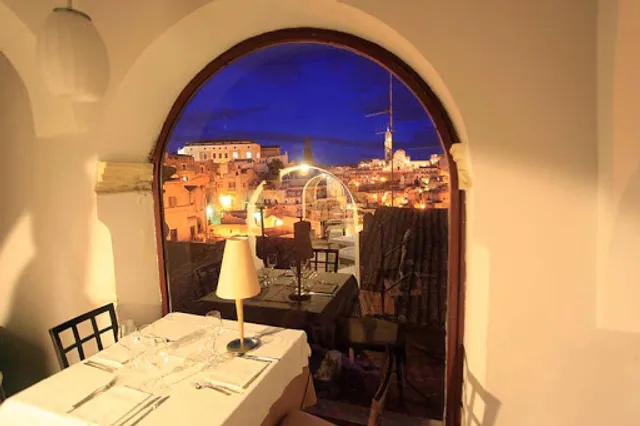
La Finestra sui Sassi - Kappador
4.2
(523)
Open until 11:00 PM
Click for details
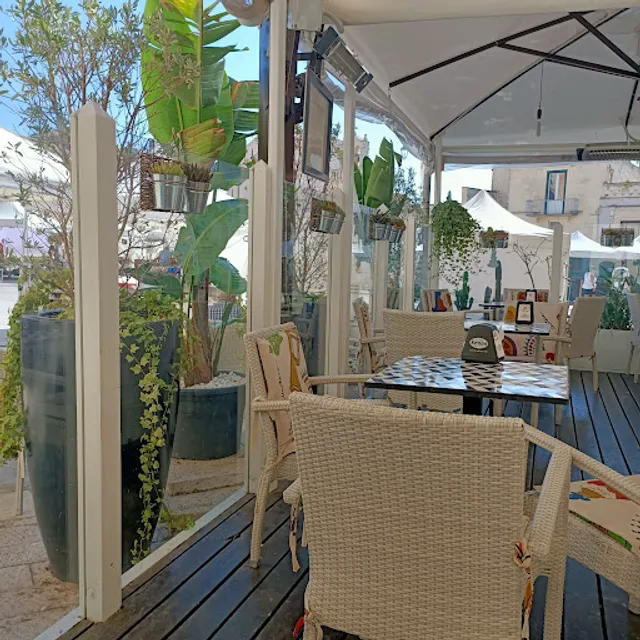
Bar Caffè Tripoli
4.3
(497)
Open until 12:00 AM
Click for details
Nearby local services of Palombaro lungo
Cinema "Il Piccolo" Matera
Calzedonia
GUSTO
Boutique Diffusion Kitch
ARTEREGO
Città del sole Matera
Gioielleria Loglisci dal 1899
Mercato storico di Matera centrale
Digiesi 1959 Gioiellieri
Piano B
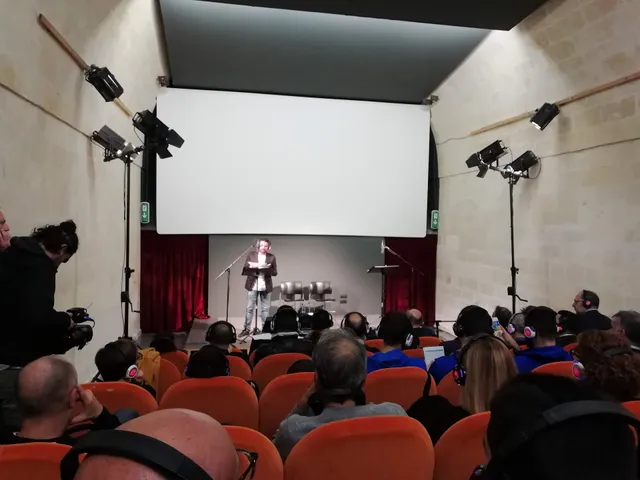
Cinema "Il Piccolo" Matera
4.2
(123)
Click for details
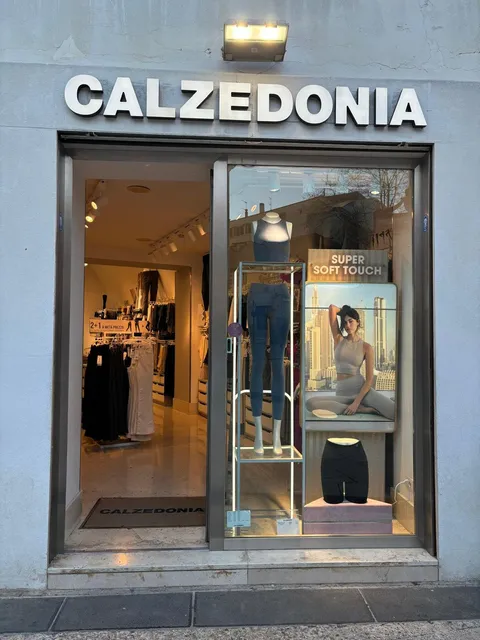
Calzedonia
3.7
(69)
Click for details
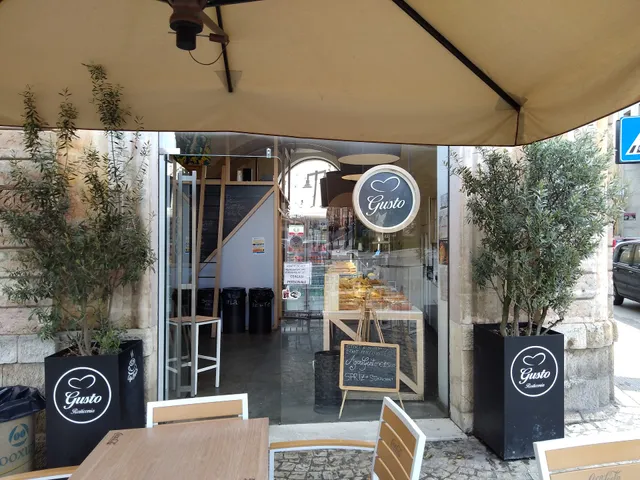
GUSTO
4.2
(222)
Click for details

Boutique Diffusion Kitch
4.9
(88)
Click for details