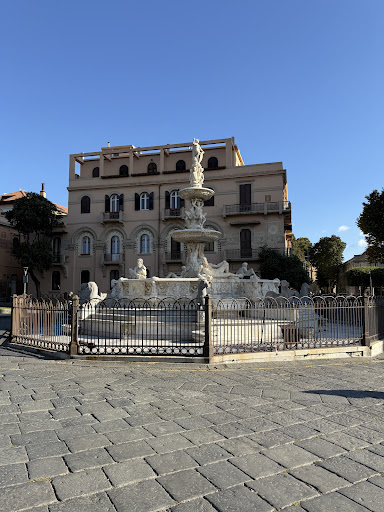
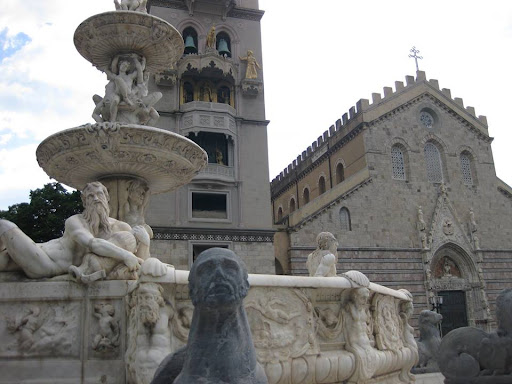
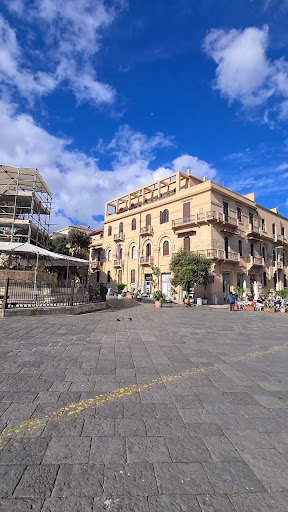
Orion fountain things to do, attractions, restaurants, events info and trip planning
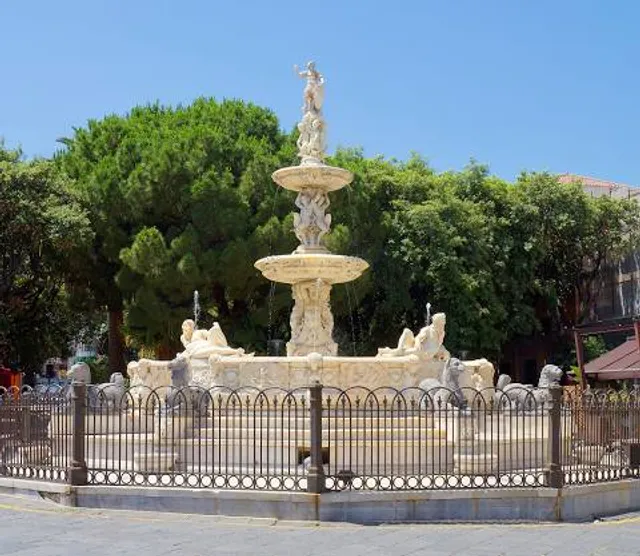
Basic Info
Orion fountain
P.za Duomo, 98122 Messina ME, Italy
4.4(548)
Open until 12:00 AM
Save
spot
spot
Ratings & Description
Info
Cultural
Scenic
Family friendly
Accessibility
attractions: Astronomical Clock of the Cathedral of Messina, Campanile del Duomo di Messina, Chiesa Santissima Annunziata dei Catalani, Museo del Tesoro del Duomo, Galleria Vittorio Emanuele III, Piazza SS. Annunziata dei Catalani, Santuario Parrocchia S.Maria Di Montalto, Statua di Don Giovanni d'Austria, Palazzo del Monte di Pietà, Palazzo Cerruti - Bisazza, restaurants: Osteria del Campanile, L'orso in duomo, Ristorante Passione Eterna, Focacceria Santoro, La Matta, Gustosa Messina piazza Duomo, I Parenti Family Cocktail Bar & Ristorante, 'A Cucchiara, Comparello Bello, Ritrovo Epoca, local businesses: Basilica Cattedrale di Santa Maria Assunta, Halal Kebab & Pizza...caffe. Servizio a domicilio, Yogurtissimo Messina, Le Altre Farine Del Mulino, Church of Saint Mary of the Carmel, NaturaSì, Fontana di Nettuno, I sapori della Sicilia, Pescheria Mar'è, Pasticceria Stello Dell'acqua
 Learn more insights from Wanderboat AI.
Phone
+39 090 7721
Website
comune.messina.it
Open hoursSee all hours
SatOpen 24 hoursOpen
Plan your stay

Pet-friendly Hotels in Messina
Find a cozy hotel nearby and make it a full experience.

Affordable Hotels in Messina
Find a cozy hotel nearby and make it a full experience.

The Coolest Hotels You Haven't Heard Of (Yet)
Find a cozy hotel nearby and make it a full experience.

Trending Stays Worth the Hype in Messina
Find a cozy hotel nearby and make it a full experience.
Reviews
Live events
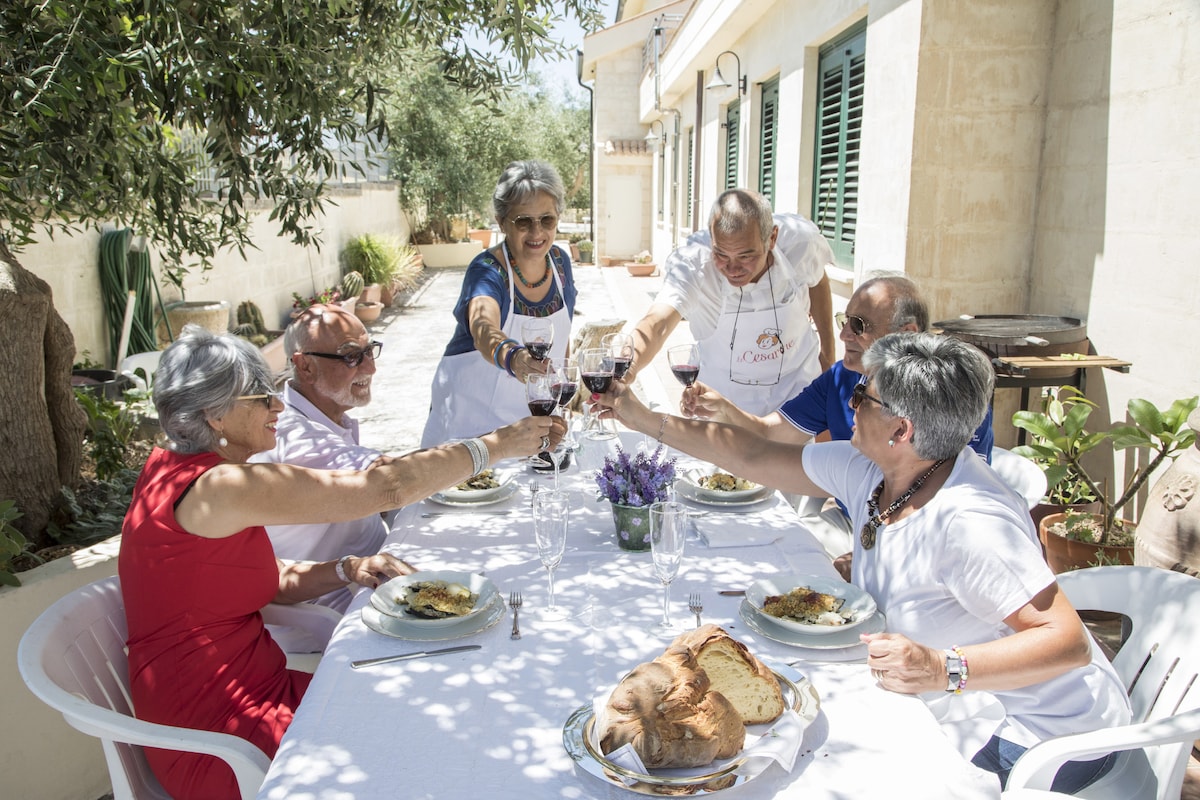
Make traditional pasta and Tiramisu in Messina
Sat, Feb 28 • 5:00 PM
98123, Messina, Sicily, Italy
View details
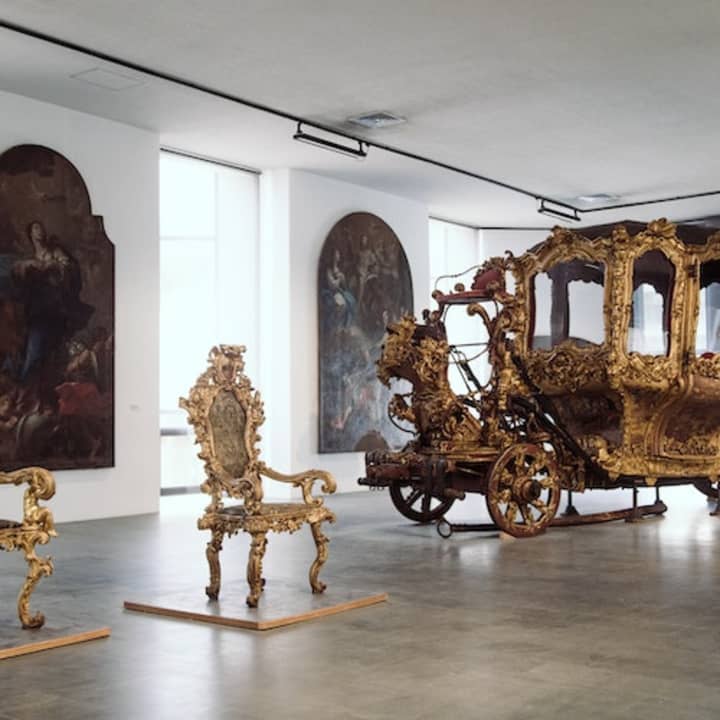
Museo Interdisciplinare Regionale di Messina: Biglietto dingresso
Sat, Feb 28 • 9:30 AM
Viale della Libertà, 465, Messina, 98121
View details

CHE FORTE #1
Sat, Feb 28 • 6:00 PM
Località Forte Petrazza Messina
View details
Nearby attractions of Orion fountain
Astronomical Clock of the Cathedral of Messina
Campanile del Duomo di Messina
Chiesa Santissima Annunziata dei Catalani
Museo del Tesoro del Duomo
Galleria Vittorio Emanuele III
Piazza SS. Annunziata dei Catalani
Santuario Parrocchia S.Maria Di Montalto
Statua di Don Giovanni d'Austria
Palazzo del Monte di Pietà
Palazzo Cerruti - Bisazza
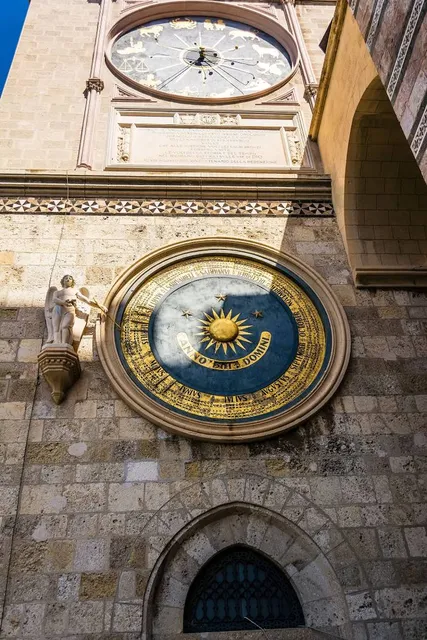
Astronomical Clock of the Cathedral of Messina
4.8
(1.3K)
Open until 12:00 AM
Click for details
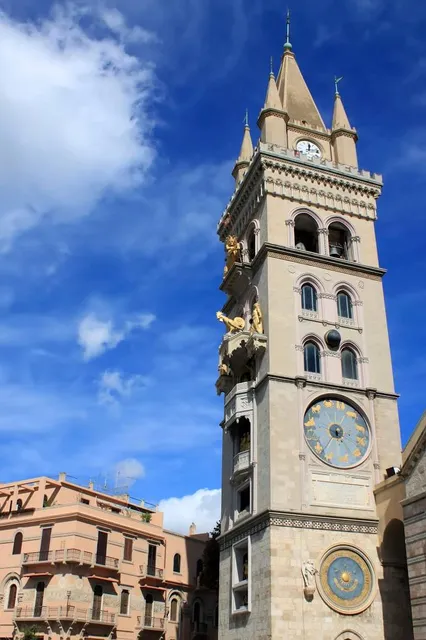
Campanile del Duomo di Messina
4.9
(75)
Open until 12:00 AM
Click for details
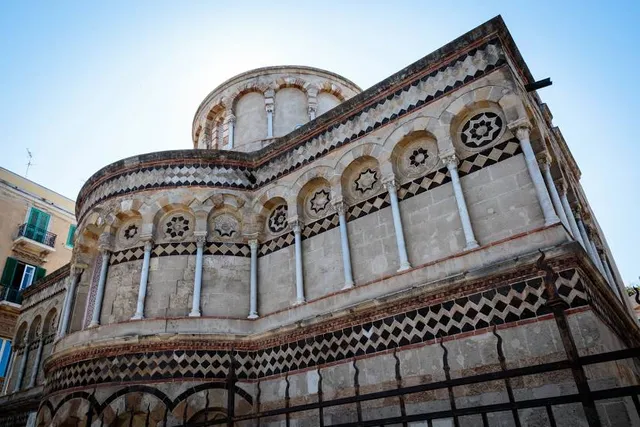
Chiesa Santissima Annunziata dei Catalani
4.6
(206)
Closed
Click for details
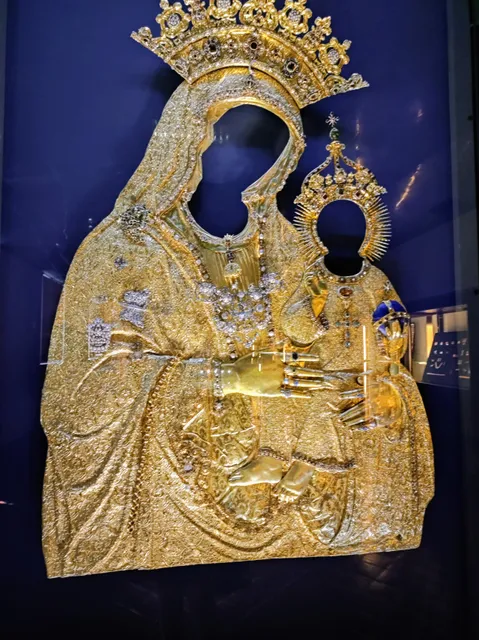
Museo del Tesoro del Duomo
4.4
(37)
Closed
Click for details
Nearby restaurants of Orion fountain
Osteria del Campanile
L'orso in duomo
Ristorante Passione Eterna
Focacceria Santoro
La Matta
Gustosa Messina piazza Duomo
I Parenti Family Cocktail Bar & Ristorante
'A Cucchiara
Comparello Bello
Ritrovo Epoca
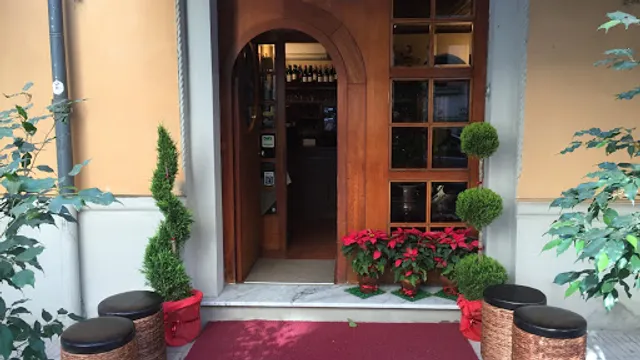
Osteria del Campanile
4.1
(524)
Closed
Click for details
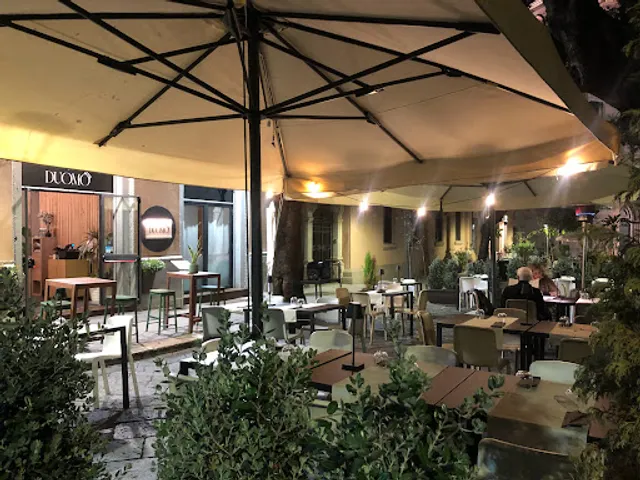
L'orso in duomo
4.4
(203)
Closed
Click for details
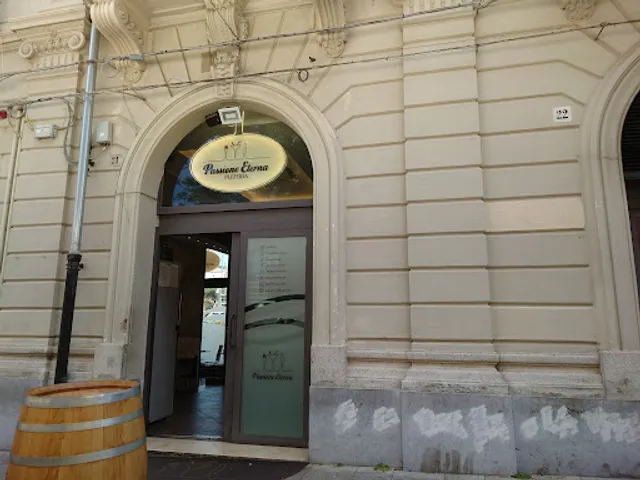
Ristorante Passione Eterna
4.2
(488)
Closed
Click for details
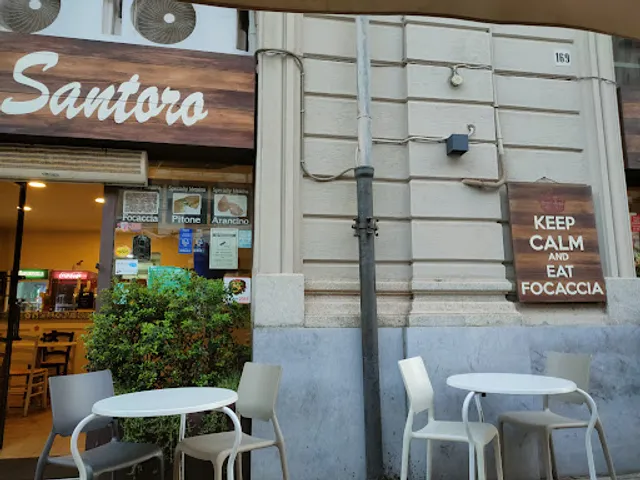
Focacceria Santoro
4.3
(487)
Closed
Click for details
Nearby local services of Orion fountain
Basilica Cattedrale di Santa Maria Assunta
Halal Kebab & Pizza...caffe. Servizio a domicilio
Yogurtissimo Messina
Le Altre Farine Del Mulino
Church of Saint Mary of the Carmel
NaturaSì
Fontana di Nettuno
I sapori della Sicilia
Pescheria Mar'è
Pasticceria Stello Dell'acqua
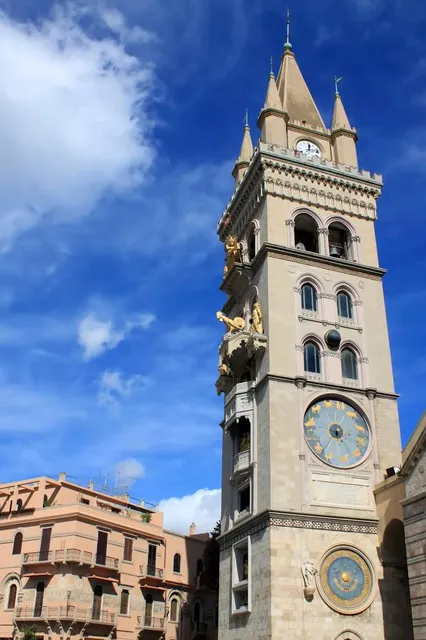
Basilica Cattedrale di Santa Maria Assunta
4.7
(3.1K)
Click for details
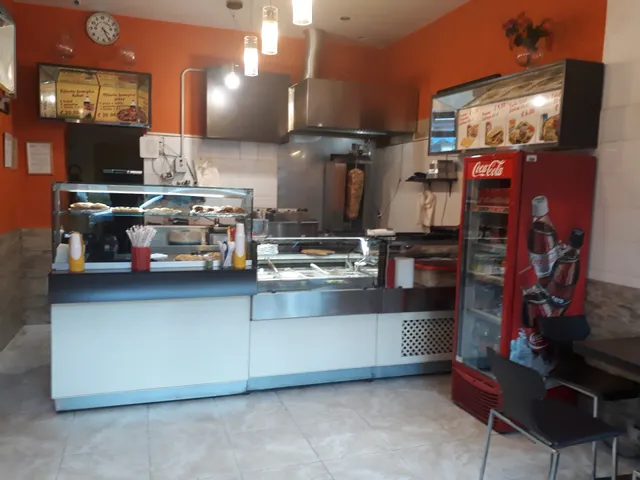
Halal Kebab & Pizza...caffe. Servizio a domicilio
3.7
(111)
Click for details
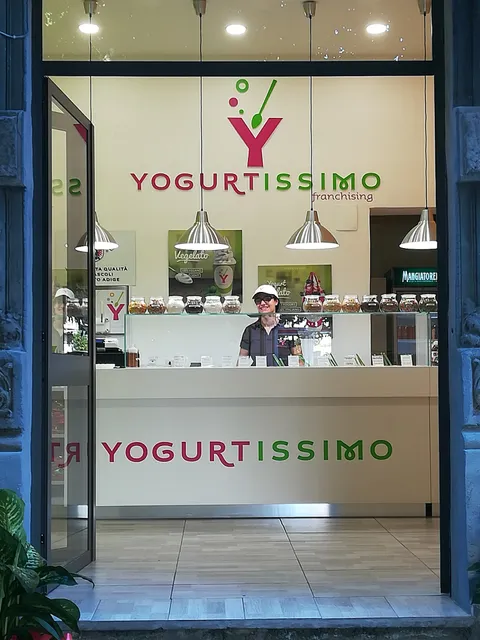
Yogurtissimo Messina
4.3
(186)
Click for details
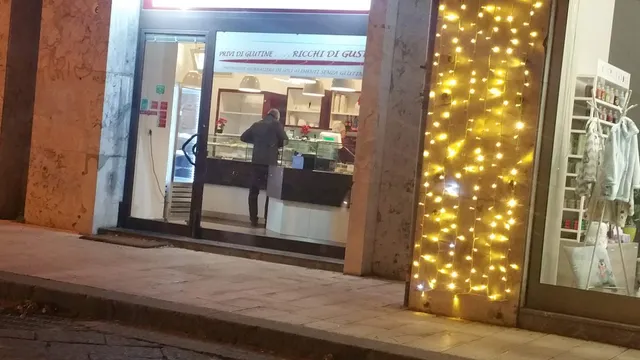
Le Altre Farine Del Mulino
4.1
(231)
Click for details