HTML SitemapExplore
logo
Find Things to DoFind The Best Restaurants

Well of St. Patrick — Attraction in Orvieto

Name
Well of St. Patrick
Description
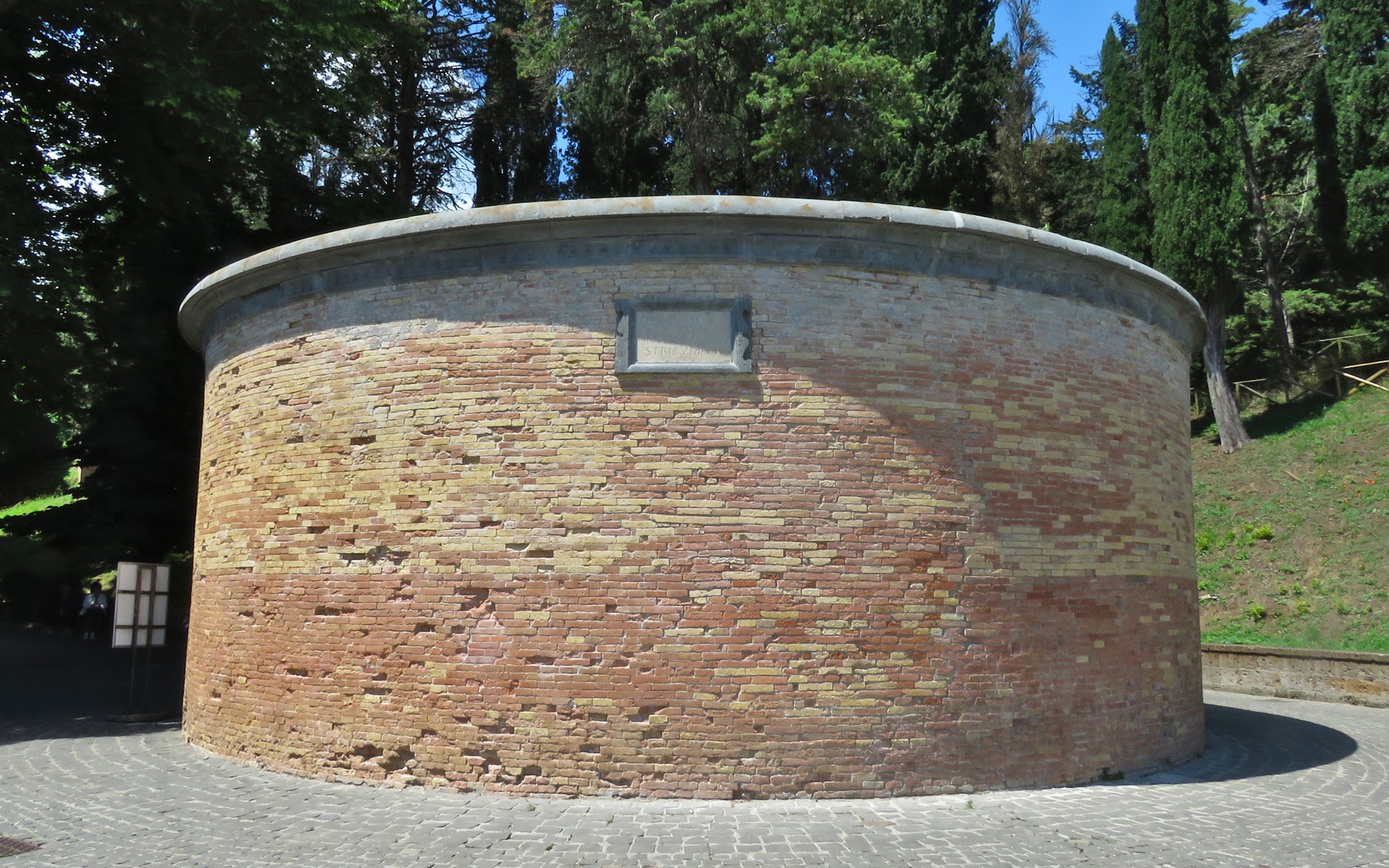
The Pozzo di San Patrizio is a historic well in Orvieto, Umbria, central Italy. It was built by the architect-engineer Antonio da Sangallo the Younger of Florence, between 1527 and 1537, at the behest ...
Nearby attractions
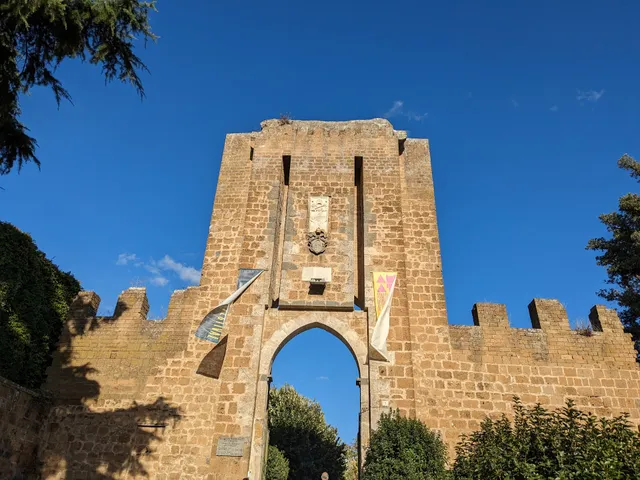
Rocca Albornoziana, Orvieto
Via Postierla, 301, 05018 Orvieto TR, Italy
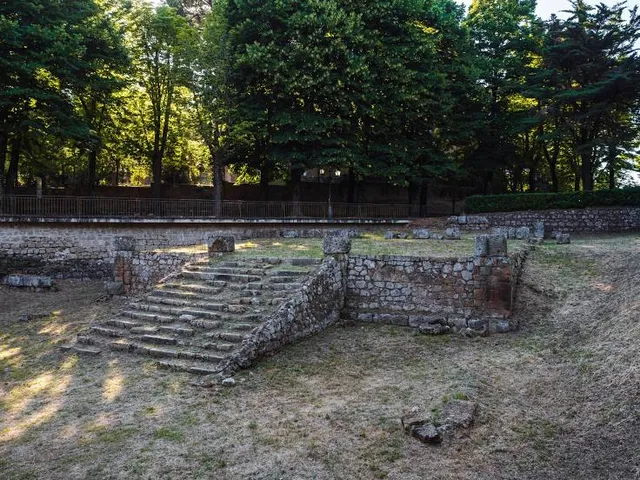
Ruins of Etrurian Temple of Belvedere
Giardini Pubblici in Piazza Cahen, 05018 Orvieto TR, Italy
Giardini Comunali Di Orvieto
Str. Fontana del Leone, 05018 Orvieto TR, Italy
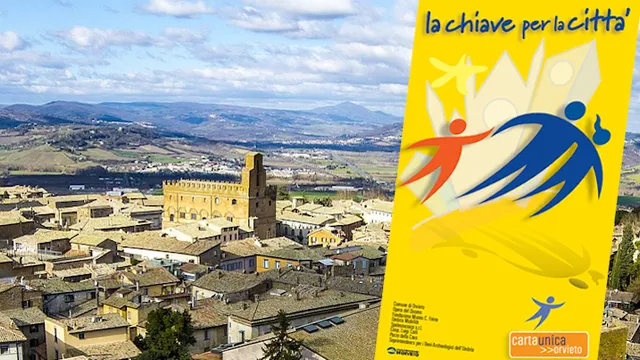
Orvieto CARTA UNICA - CITYPASS
P.Cahen Funicolare c/o Parcheggio della Funicolare, Str. della Direttissima, 05019 Orvieto TR, Italy
Duomo di Orvieto
Piazza del Duomo, 26, 05018 Orvieto TR, Italy
Church of Saint Dominic
Piazza Ventinove Marzo, 13A, 05018 Orvieto TR, Italy
Orvieto Underground
Piazza del Duomo, 23, 05018 Orvieto TR, Italy
Palazzo Del Capitano Del Popolo
Piazza del Popolo, 1, 05018 Orvieto TR, Italy
Torre del Moro
Corso Cavour, 87, 05018 Orvieto TR, Italy
Museo Archeologico Nazionale di Orvieto
Piazza del Duomo, 05018 Orvieto TR, Italy
Nearby restaurants
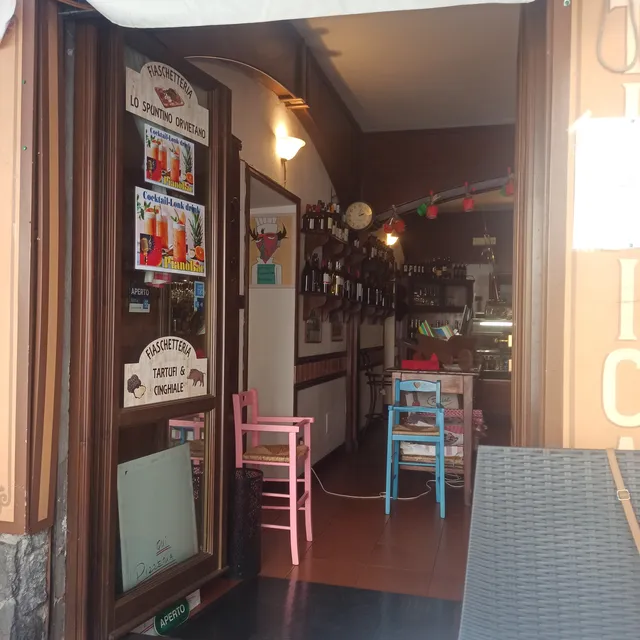
Antica Fiaschetteria Orvietana
Corso Cavour, 312, 05018 Orvieto TR, Italy
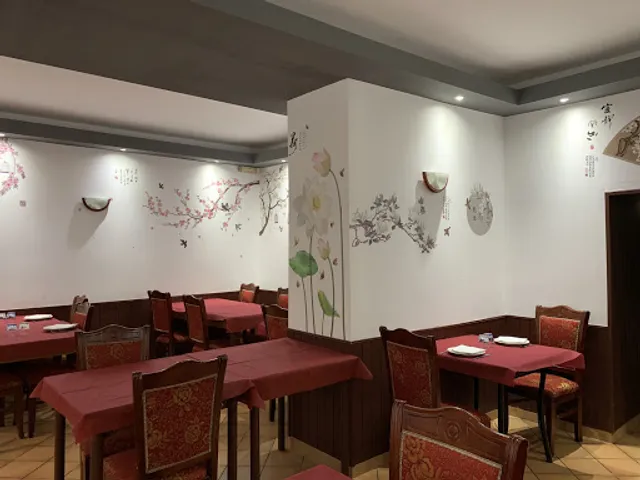
Ristorante Peng Cheng
Corso Cavour, 443, 05018 Orvieto TR, Italy
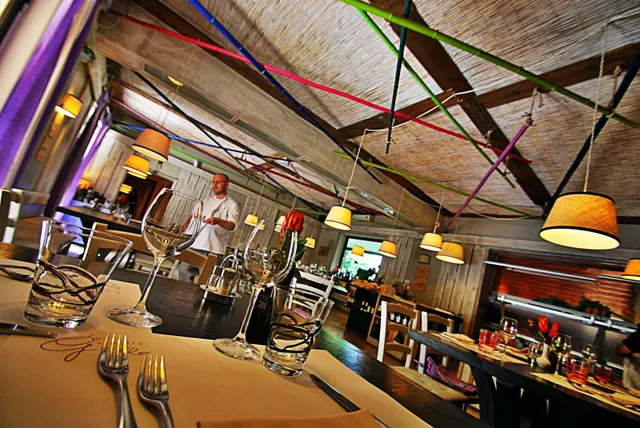
Osteria del Grillo
Via Sette Martiri, 7, 05018 Orvieto TR, Italy
La Palma
Corso Cavour, 326, 05018 Orvieto TR, Italy
La Buca di Bacco di Edy
Corso Cavour, 299/301, 05018 Orvieto TR, Italy
Folk Osteria
Corso Cavour, 331, 05018 Orvieto TR, Italy
Antica Cantina
Piazza Monaldeschi, 18, 05018 Orvieto TR, Italy
Ristoria dei Monaldeschi
Piazza Monaldeschi, 1, 05018 Orvieto TR, Italy
Ristorante Antica Rupe
Piazza Angelo da Orvieto, 16, 05018 Orvieto TR, Italy
Ristorante Al Corsica Orvieto
Piazza Angelo da Orvieto, 7, 05018 Orvieto TR, Italy
Related posts
Keywords
Well of St. Patrick tourism.Well of St. Patrick hotels.Well of St. Patrick bed and breakfast. flights to Well of St. Patrick.Well of St. Patrick attractions.Well of St. Patrick restaurants.Well of St. Patrick travel.Well of St. Patrick travel guide.Well of St. Patrick travel blog.Well of St. Patrick pictures.Well of St. Patrick photos.Well of St. Patrick travel tips.Well of St. Patrick maps.Well of St. Patrick things to do.
Well of St. Patrick things to do, attractions, restaurants, events info and trip planning
Well of St. Patrick
ItalyUmbriaOrvietoWell of St. Patrick

Basic Info

Well of St. Patrick

Piazza Cahen, 5B, 05018 Orvieto TR, Italy
4.6(7.6K)
Closed
Save
spot

Ratings & Description

Info

The Pozzo di San Patrizio is a historic well in Orvieto, Umbria, central Italy. It was built by the architect-engineer Antonio da Sangallo the Younger of Florence, between 1527 and 1537, at the behest ...

Cultural
Outdoor
Accessibility
attractions: Rocca Albornoziana, Orvieto, Ruins of Etrurian Temple of Belvedere, Giardini Comunali Di Orvieto, Orvieto CARTA UNICA - CITYPASS, Duomo di Orvieto, Church of Saint Dominic, Orvieto Underground, Palazzo Del Capitano Del Popolo, Torre del Moro, Museo Archeologico Nazionale di Orvieto, restaurants: Antica Fiaschetteria Orvietana, Ristorante Peng Cheng, Osteria del Grillo, La Palma, La Buca di Bacco di Edy, Folk Osteria, Antica Cantina, Ristoria dei Monaldeschi, Ristorante Antica Rupe, Ristorante Al Corsica Orvieto
logoLearn more insights from Wanderboat AI.
Phone
+39 0763 343768
Website
liveorvieto.com
Open hoursSee all hours
Fri9 AM - 6:30 PMClosed

Plan your stay

hotel
Pet-friendly Hotels in Orvieto
Find a cozy hotel nearby and make it a full experience.

hotel
Affordable Hotels in Orvieto
Find a cozy hotel nearby and make it a full experience.

hotel
The Coolest Hotels You Haven't Heard Of (Yet)
Find a cozy hotel nearby and make it a full experience.

hotel
Trending Stays Worth the Hype in Orvieto
Find a cozy hotel nearby and make it a full experience.

Reviews

Nearby attractions of Well of St. Patrick

Rocca Albornoziana, Orvieto

Ruins of Etrurian Temple of Belvedere

Giardini Comunali Di Orvieto

Orvieto CARTA UNICA - CITYPASS

Duomo di Orvieto

Church of Saint Dominic

Orvieto Underground

Palazzo Del Capitano Del Popolo

Torre del Moro

Museo Archeologico Nazionale di Orvieto

Rocca Albornoziana, Orvieto

Rocca Albornoziana, Orvieto

4.4

(213)

Open 24 hours
Click for details
Ruins of Etrurian Temple of Belvedere

Ruins of Etrurian Temple of Belvedere

3.6

(34)

Open 24 hours
Click for details
Giardini Comunali Di Orvieto

Giardini Comunali Di Orvieto

4.4

(55)

Open 24 hours
Click for details
Orvieto CARTA UNICA - CITYPASS

Orvieto CARTA UNICA - CITYPASS

4.4

(10)

Open 24 hours
Click for details

Things to do nearby

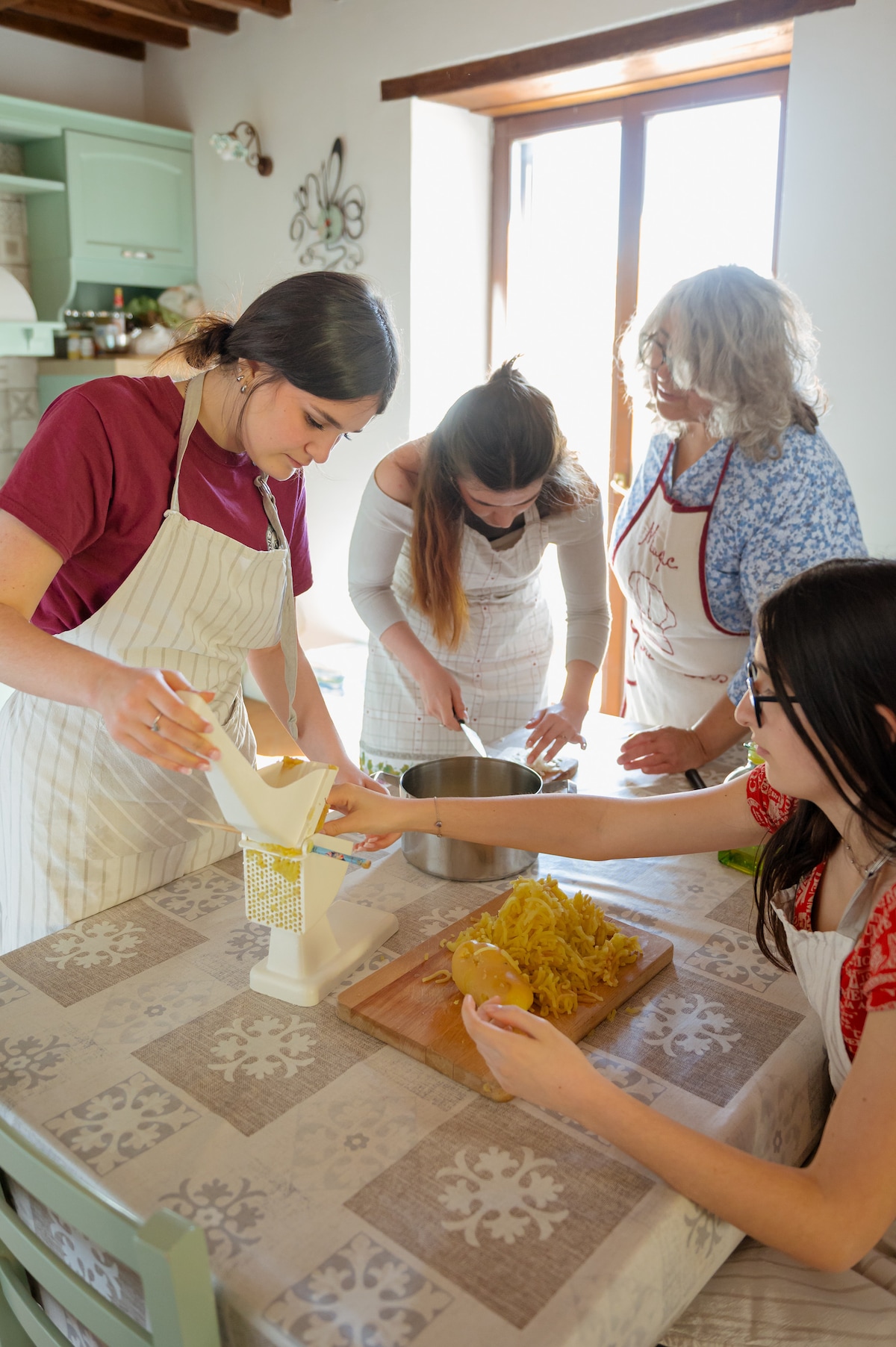
Cook & Eat fresh pasta in an umbrian country house
Thu, Dec 4 • 10:00 AM
05020, Palombara-Palazzo, Umbria, Italy
View details

Discovering truffles in the Tuscany countryside
Thu, Dec 4 • 10:00 AM
58010, Sorano, Toscana, Italy
View details
Prepare a five-course meal
Thu, Dec 4 • 4:45 PM
53040, San Casciano dei Bagni, Toscana, Italy
View details

Nearby restaurants of Well of St. Patrick

Antica Fiaschetteria Orvietana

Ristorante Peng Cheng

Osteria del Grillo

La Palma

La Buca di Bacco di Edy

Folk Osteria

Antica Cantina

Ristoria dei Monaldeschi
Ristorante Antica Rupe

Ristorante Al Corsica Orvieto

Antica Fiaschetteria Orvietana

Antica Fiaschetteria Orvietana

4.0

(182)

Click for details
Ristorante Peng Cheng

Ristorante Peng Cheng

4.2

(86)

Click for details
Osteria del Grillo

Osteria del Grillo

4.6

(564)

Click for details
La Palma

La Palma

3.7

(74)

$$

Click for details
Get the Appoverlay
Get the AppOne tap to find yournext favorite spots!
Wanderboat LogoWanderboat

Your everyday Al companion for getaway ideas

CompanyAbout Us
InformationAI Trip PlannerSitemap
SocialXInstagramTiktokLinkedin
LegalTerms of ServicePrivacy Policy

Get the app

© 2025 Wanderboat. All rights reserved.
logo

Reviews of Well of St. Patrick

4.6
(7,621)
avatar
5.0
1y

Der Pozzo di San Patrizio in Orvieto ist mehr als ein einfacher Brunnen – er ist ein kleines Wunder der Ingenieurskunst und eine eindrucksvolle Erinnerung an die Tiefe menschlichen Willens, zu überleben und sich gegen Widrigkeiten zu behaupten. Ich stehe am oberen Rand des Brunnens und blicke in die scheinbar endlose Tiefe hinab. Die Treppen, die in sanften Spiralen an den Seiten entlangführen, wirken wie ein Tunnel in eine andere Welt. Ein kühler Lufthauch strömt aus dem Inneren empor und bietet eine willkommene Erfrischung in der Augusthitze.

Der Brunnen wurde im 16. Jahrhundert auf Befehl von Papst Clemens VII. erbaut, nachdem er hierher geflohen war, um sich vor der Bedrohung durch das Heer Karls V. in Sicherheit zu bringen. Orvieto war hoch oben auf einem vulkanischen Felsplateau gelegen und galt als sicher, aber die Wasserknappheit in einer Belagerung stellte ein ernstes Problem dar.

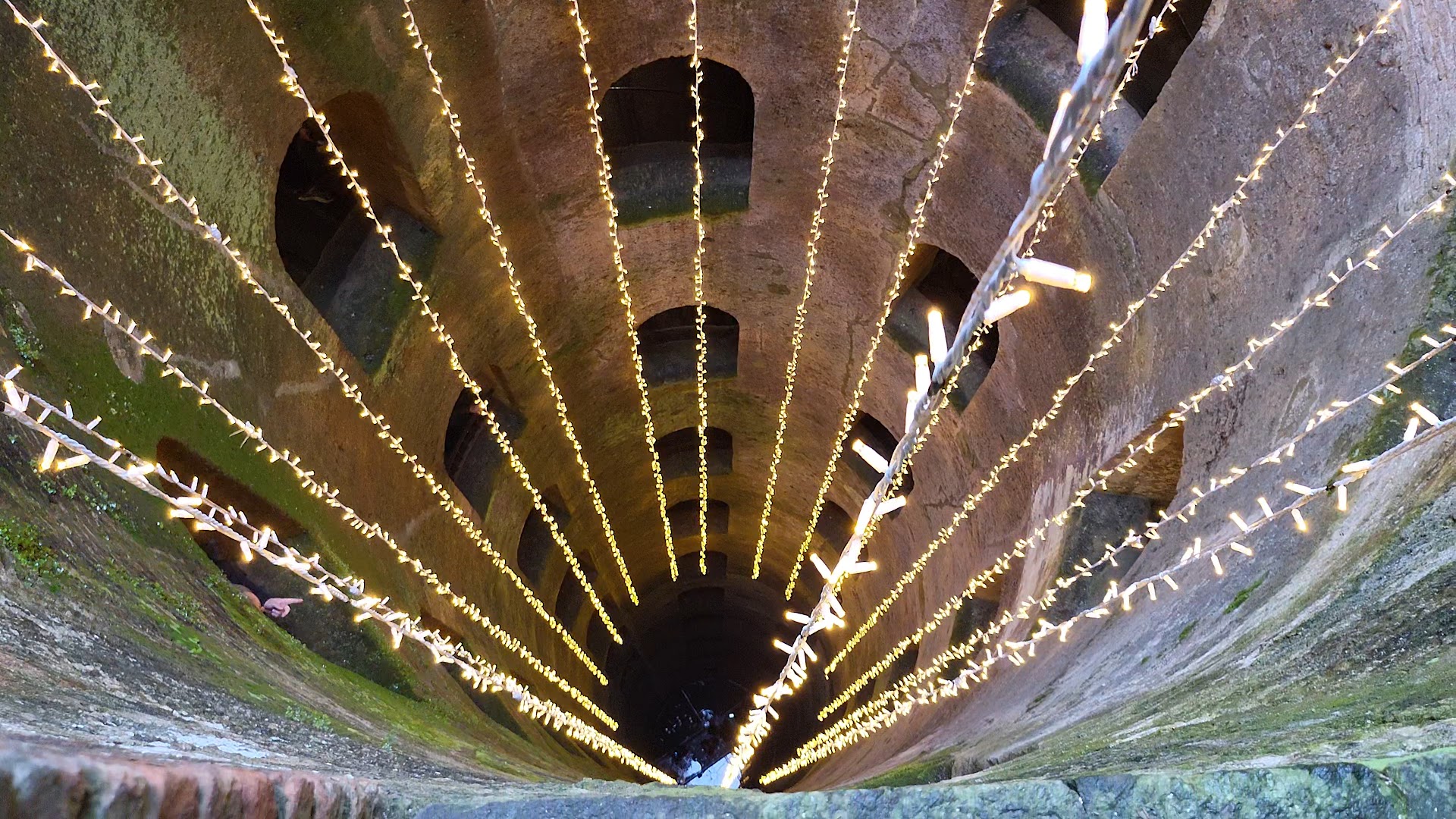
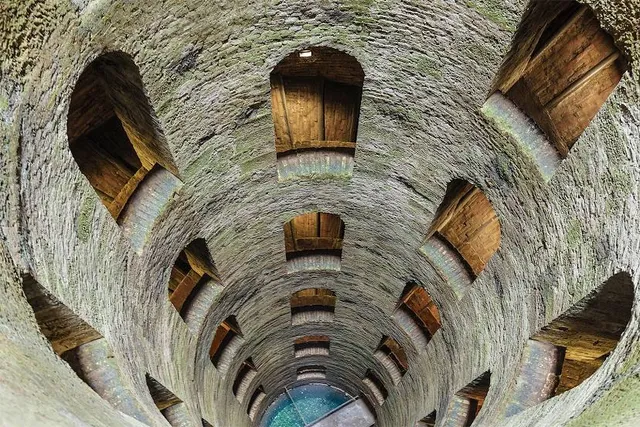
Also befahl der Papst den Bau dieses Brunnens, um die Stadt im Falle einer Belagerung mit Wasser zu versorgen. Die Ingenieure schufen eine Meisterleistung – einen Brunnen mit zwei Wendeltreppen, die wie ineinander verschlungene Spiralen nach unten führen und sich nie berühren. Auf diese Weise konnten Mensch und Lasttier die Treppen gleichzeitig nutzen, ohne einander zu begegnen, um das lebenswichtige Wasser nach oben zu transportieren.

Als ich den Abstieg beginne, umfängt mich ein Gefühl der Stille und Ruhe, aber auch der Ehrfurcht vor den Menschen, die diesen Ort schufen. Die Treppenstufen sind breit genug für einen einfachen Gang, aber die spiralförmige Struktur sorgt dafür, dass die Tiefen immer vor mir verborgen bleiben. Es ist, als tauche ich Schritt für Schritt tiefer in das Geheimnis dieses Ortes ein. Die Steinwände um mich herum sind kühl und feucht, und das Echo meiner Schritte hallt leise wider, als ob der Brunnen selbst mir meine Gegenwart zurückspiegelt.

Je weiter ich hinabsteige, desto mehr verliere ich das Gefühl für die Welt draußen. Die Gedanken an das Leben und die Hektik über mir verschwinden, und ich finde mich in einer Art meditativer Ruhe wieder, fast wie in einer Zeitkapsel. Ich stelle mir vor, wie viele Füße hier vor mir die Treppenstufen hinunterstiegen, die Lasten von Eimern und Krügen schleppend, ohne zu wissen, ob die Versorgung durch den Brunnen jemals wirklich gebraucht werden würde. Es war eine Vorsichtsmaßnahme, ein Schritt in die Sicherheit, der das Leben vieler sichern sollte. Es war ein Bauwerk der Hoffnung und Vorsorge, eine physische Manifestation des menschlichen Drangs, vorbereitet zu sein und das Leben zu bewahren, auch wenn die Gefahr nur drohend am Horizont steht.

Nach einer Weile erreicht mich ein sanftes, grünliches Licht aus der Tiefe, und ich merke, dass ich dem Grund des Brunnens näherkomme. Kleine, schmale Fensteröffnungen lassen das Tageslicht in das dunkle Innere fallen und schaffen eine fast magische Atmosphäre. Die Sonne, die hier nach unten strahlt, wird in kleine Lichtstreifen zerteilt, die an den feuchten Wänden tanzen. Es ist faszinierend, wie dieser Brunnen, ein Bauwerk der Zweckmäßigkeit und Sicherheit, zugleich so ästhetisch und anmutig sein kann.

Ganz unten angekommen, stehe ich am Rand des Wassers und sehe mein Spiegelbild im stillen, dunklen Wasser. Ich bin mir bewusst, dass dieses Wasser einst der Stadt Leben geschenkt hätte, wenn die Belagerung tatsächlich stattgefunden hätte. Heute, in Zeiten, in denen Wasser selbstverständlich scheint, erscheint mir die Vorsorge, die sich in diesem Bauwerk zeigt, wie eine leise Erinnerung daran, wie kostbar unsere Ressourcen und wie zerbrechlich unser Leben sind.

Als ich mich umdrehe und den Aufstieg beginne, fühle ich eine tiefe Verbundenheit mit den Menschen, die diesen Brunnen nutzten und die durch ihn geschützt waren. Der Pozzo di San Patrizio ist nicht nur ein Bauwerk; er ist ein Symbol des Überlebenswillens, eine stumme Lektion in Demut und Resilienz.

Stand : 13.08.2018

Wer das Glück und die Liebe kennt, lebt erst. Das andere ist nur ein Scheinleben, man arbeitet, um zu essen, und lebt,...

   Read more
avatar
5.0
3y

Lo storico pozzo di San Patrizio è una struttura costruita da Antonio da Sangallo il Giovane a Orvieto tra il 1527 e il 1537 per volere del papa Clemente VII, reduce dal Sacco di Roma e desideroso di tutelarsi nell'eventualità che la città in cui si era ritirato fosse assediata. Pertanto fu progettato proprio per fornire acqua in caso di calamità o assedio. Durante le assenze di Antonio da Sangallo l'esecuzione veniva seguita da Giovanni Battista da Cortona; le parti decorative sono di Simone Mosca.[1] I lavori furono conclusi durante il papato di Paolo III Farnese (1534-1549).

L'accesso al pozzo, capolavoro di ingegneria, è garantito da due rampe elicoidali a senso unico, completamente autonome e servite da due diverse porte, che consentivano di trasportare con i muli l'acqua estratta senza ostacolarsi e senza dover ricorrere all'unica via che saliva al paese dal fondovalle.

Il pozzo è profondo 54 metri[2] ed è stato realizzato scavando nel tufo dell'altopiano su cui sorge Orvieto, una pietra abbastanza dura, ma che dopo vari secoli sta risentendo degli scarichi fognari. Ha forma cilindrica a base circolare con diametro di 13 m. Gli scalini sono 248, i finestroni che vi danno luce sono 72[2]. Le due scale sono collegate da un ponte tuttora praticabile.[1] Sul fondo del pozzo il livello dell'acqua si mantiene costante grazie ad una sorgente naturale che rifornisce la cavità e un emissario che fa defluire l'acqua in eccesso. La parte esterna è costituita da una struttura cilindrica bassa. È decorata con i gigli farnesiani del pontefice Paolo III e ha due ingressi diametralmente opposti.

Sull'ingresso del pozzo la scritta "quod natura munimento inviderat industria adiecit" ("ciò che non aveva dato la natura, procurò l'industria") celebra l'ingegno umano come abile mezzo in grado di sopperire alle carenze della natura.[1]

Papa Clemente VII incaricò Benvenuto Cellini di coniare una moneta in onore della costruzione del pozzo. Su di essa è incisa la frase "UT BIBAT POPULUS" ("perché il popolo beva") ed è raffigurato Mosè che con un bastone trafigge una roccia, dalla quale sgorga l'acqua di fronte agli ebrei in fuga, mentre uno di essi vi attinge con una conchiglia. Questa preziosa moneta è oggi conservata nei Musei Vaticani.[1]

Forse per l'aura di sacro e di magico che accompagna le cavità profonde, o per pura imitazione di modelli cinematografici, i turisti moderni vi gettano monetine con la speranza di tornarvi.

Inizialmente il pozzo era detto "Pozzo della Rocca" in riferimento alla rocca o "Fortezza dell'Albornoz" situata vicino, al servizio della quale il pozzo stesso era stato costruito.[3] È solo in età ottocentesca che assunse l'attuale nome "Pozzo di San Patrizio", datogli dai frati del convento dei Servi che si ispirarono alla nota leggenda del santo irlandese. Si credeva infatti che in Irlanda, in corrispondenza di una grotta senza fondo, situata sull'isolotto di Station island nel Lough Derg, si potesse raggiungere l'aldilà. La caverna simboleggiava la porta di accesso al Purgatorio, e solo dopo aver affrontato una serie di terribili prove per purificarsi dai propri peccati si raggiungeva la fine della grotta che rappresentava l'ingresso in Paradiso.[4] È proprio nei pressi di questa cavità che San Patrizio amava ritirarsi in preghiera. La caverna per questo ottenne l'appellativo di "Purgatorio di San Patrizio", ed il pozzo prese il nome del santo proprio perché fu utilizzato anch'esso come luogo di espiazione dei peccati e richiamava la discesa nelle profondità della caverna...

   Read more
avatar
5.0
2y

Unique in its shape and therefore unmissable, this well where once the mules descended using one of the two spiral staircases invented by Antonio da Sangallo to fill the bags of water and went up again using the other one in a one-way circuit.

Its construction began in 1527 and lasted 10 years.

Reaching the water descending the 248 steps can be a bit tiring but it is also possible to take a look only at the upper part where there is more light and go back without reaching it.

Entry costscosts €5 but for €25 it is also possible to buy the cumulative ticket "ORVIETO CARTA UNICA" which also allows you to enter the Cathedral, "Orvieto Underground", Necropolis of Crocifisso del Tufo, Torre del Moro, "Pozzo della Cava", National Archaeological Museum, Etruscan Museum of Faina, "MODO Museum".

Near the well the remains of the Etruscan temple of Belvedere. Nice landscape from...

   Read more
Page 1 of 7
Previous
Next

Posts

Paola Volpe - Istruttore cinofilo (Paolaistruttorecinofilo)Paola Volpe - Istruttore cinofilo (Paolaistruttorecinofilo)
Lo storico pozzo di San Patrizio è una struttura costruita da Antonio da Sangallo il Giovane a Orvieto tra il 1527 e il 1537 per volere del papa Clemente VII, reduce dal Sacco di Roma e desideroso di tutelarsi nell'eventualità che la città in cui si era ritirato fosse assediata. Pertanto fu progettato proprio per fornire acqua in caso di calamità o assedio. Durante le assenze di Antonio da Sangallo l'esecuzione veniva seguita da Giovanni Battista da Cortona; le parti decorative sono di Simone Mosca.[1] I lavori furono conclusi durante il papato di Paolo III Farnese (1534-1549). L'accesso al pozzo, capolavoro di ingegneria, è garantito da due rampe elicoidali a senso unico, completamente autonome e servite da due diverse porte, che consentivano di trasportare con i muli l'acqua estratta senza ostacolarsi e senza dover ricorrere all'unica via che saliva al paese dal fondovalle. Il pozzo è profondo 54 metri[2] ed è stato realizzato scavando nel tufo dell'altopiano su cui sorge Orvieto, una pietra abbastanza dura, ma che dopo vari secoli sta risentendo degli scarichi fognari. Ha forma cilindrica a base circolare con diametro di 13 m. Gli scalini sono 248, i finestroni che vi danno luce sono 72[2]. Le due scale sono collegate da un ponte tuttora praticabile.[1] Sul fondo del pozzo il livello dell'acqua si mantiene costante grazie ad una sorgente naturale che rifornisce la cavità e un emissario che fa defluire l'acqua in eccesso. La parte esterna è costituita da una struttura cilindrica bassa. È decorata con i gigli farnesiani del pontefice Paolo III e ha due ingressi diametralmente opposti. Sull'ingresso del pozzo la scritta "quod natura munimento inviderat industria adiecit" ("ciò che non aveva dato la natura, procurò l'industria") celebra l'ingegno umano come abile mezzo in grado di sopperire alle carenze della natura.[1] Papa Clemente VII incaricò Benvenuto Cellini di coniare una moneta in onore della costruzione del pozzo. Su di essa è incisa la frase "UT BIBAT POPULUS" ("perché il popolo beva") ed è raffigurato Mosè che con un bastone trafigge una roccia, dalla quale sgorga l'acqua di fronte agli ebrei in fuga, mentre uno di essi vi attinge con una conchiglia. Questa preziosa moneta è oggi conservata nei Musei Vaticani.[1] Forse per l'aura di sacro e di magico che accompagna le cavità profonde, o per pura imitazione di modelli cinematografici, i turisti moderni vi gettano monetine con la speranza di tornarvi. Inizialmente il pozzo era detto "Pozzo della Rocca" in riferimento alla rocca o "Fortezza dell'Albornoz" situata vicino, al servizio della quale il pozzo stesso era stato costruito.[3] È solo in età ottocentesca che assunse l'attuale nome "Pozzo di San Patrizio", datogli dai frati del convento dei Servi che si ispirarono alla nota leggenda del santo irlandese. Si credeva infatti che in Irlanda, in corrispondenza di una grotta senza fondo, situata sull'isolotto di Station island nel Lough Derg, si potesse raggiungere l'aldilà. La caverna simboleggiava la porta di accesso al Purgatorio, e solo dopo aver affrontato una serie di terribili prove per purificarsi dai propri peccati si raggiungeva la fine della grotta che rappresentava l'ingresso in Paradiso.[4] È proprio nei pressi di questa cavità che San Patrizio amava ritirarsi in preghiera. La caverna per questo ottenne l'appellativo di "Purgatorio di San Patrizio", ed il pozzo prese il nome del santo proprio perché fu utilizzato anch'esso come luogo di espiazione dei peccati e richiamava la discesa nelle profondità della caverna irlandese.[2]
Fabio Da RoitFabio Da Roit
Unique in its shape and therefore unmissable, this well where once the mules descended using one of the two spiral staircases invented by Antonio da Sangallo to fill the bags of water and went up again using the other one in a one-way circuit. Its construction began in 1527 and lasted 10 years. Reaching the water descending the 248 steps can be a bit tiring but it is also possible to take a look only at the upper part where there is more light and go back without reaching it. Entry costscosts €5 but for €25 it is also possible to buy the cumulative ticket "ORVIETO CARTA UNICA" which also allows you to enter the Cathedral, "Orvieto Underground", Necropolis of Crocifisso del Tufo, Torre del Moro, "Pozzo della Cava", National Archaeological Museum, Etruscan Museum of Faina, "MODO Museum". Near the well the remains of the Etruscan temple of Belvedere. Nice landscape from the terrace.
Patrick MurphyPatrick Murphy
This well is everything one could expect it to be! You purchase your ticket in a ticket office, called a biglietteria, nearby—just to the south from the well, on the same side of the road. You scan your ticket to enter the well and you begin going down the stairs. Once you get to the bottom, you cross over a metal bridge where there is over some well water, and then you take a separate staircase back up. This was my first time to make the journey down (and back up). I'm glad I did it, but I will probably never do it again, hahahaha! It's worth seeing, but don't do it unless you're sure you can make it all the way down and back up. There is no elevator and no emergency exit! And, i'll have to do more research because I still do not know why it is called "St. Patrick's" Well... oops!
See more posts
See more posts
hotel
Find your stay

Pet-friendly Hotels in Orvieto

Find a cozy hotel nearby and make it a full experience.

Lo storico pozzo di San Patrizio è una struttura costruita da Antonio da Sangallo il Giovane a Orvieto tra il 1527 e il 1537 per volere del papa Clemente VII, reduce dal Sacco di Roma e desideroso di tutelarsi nell'eventualità che la città in cui si era ritirato fosse assediata. Pertanto fu progettato proprio per fornire acqua in caso di calamità o assedio. Durante le assenze di Antonio da Sangallo l'esecuzione veniva seguita da Giovanni Battista da Cortona; le parti decorative sono di Simone Mosca.[1] I lavori furono conclusi durante il papato di Paolo III Farnese (1534-1549). L'accesso al pozzo, capolavoro di ingegneria, è garantito da due rampe elicoidali a senso unico, completamente autonome e servite da due diverse porte, che consentivano di trasportare con i muli l'acqua estratta senza ostacolarsi e senza dover ricorrere all'unica via che saliva al paese dal fondovalle. Il pozzo è profondo 54 metri[2] ed è stato realizzato scavando nel tufo dell'altopiano su cui sorge Orvieto, una pietra abbastanza dura, ma che dopo vari secoli sta risentendo degli scarichi fognari. Ha forma cilindrica a base circolare con diametro di 13 m. Gli scalini sono 248, i finestroni che vi danno luce sono 72[2]. Le due scale sono collegate da un ponte tuttora praticabile.[1] Sul fondo del pozzo il livello dell'acqua si mantiene costante grazie ad una sorgente naturale che rifornisce la cavità e un emissario che fa defluire l'acqua in eccesso. La parte esterna è costituita da una struttura cilindrica bassa. È decorata con i gigli farnesiani del pontefice Paolo III e ha due ingressi diametralmente opposti. Sull'ingresso del pozzo la scritta "quod natura munimento inviderat industria adiecit" ("ciò che non aveva dato la natura, procurò l'industria") celebra l'ingegno umano come abile mezzo in grado di sopperire alle carenze della natura.[1] Papa Clemente VII incaricò Benvenuto Cellini di coniare una moneta in onore della costruzione del pozzo. Su di essa è incisa la frase "UT BIBAT POPULUS" ("perché il popolo beva") ed è raffigurato Mosè che con un bastone trafigge una roccia, dalla quale sgorga l'acqua di fronte agli ebrei in fuga, mentre uno di essi vi attinge con una conchiglia. Questa preziosa moneta è oggi conservata nei Musei Vaticani.[1] Forse per l'aura di sacro e di magico che accompagna le cavità profonde, o per pura imitazione di modelli cinematografici, i turisti moderni vi gettano monetine con la speranza di tornarvi. Inizialmente il pozzo era detto "Pozzo della Rocca" in riferimento alla rocca o "Fortezza dell'Albornoz" situata vicino, al servizio della quale il pozzo stesso era stato costruito.[3] È solo in età ottocentesca che assunse l'attuale nome "Pozzo di San Patrizio", datogli dai frati del convento dei Servi che si ispirarono alla nota leggenda del santo irlandese. Si credeva infatti che in Irlanda, in corrispondenza di una grotta senza fondo, situata sull'isolotto di Station island nel Lough Derg, si potesse raggiungere l'aldilà. La caverna simboleggiava la porta di accesso al Purgatorio, e solo dopo aver affrontato una serie di terribili prove per purificarsi dai propri peccati si raggiungeva la fine della grotta che rappresentava l'ingresso in Paradiso.[4] È proprio nei pressi di questa cavità che San Patrizio amava ritirarsi in preghiera. La caverna per questo ottenne l'appellativo di "Purgatorio di San Patrizio", ed il pozzo prese il nome del santo proprio perché fu utilizzato anch'esso come luogo di espiazione dei peccati e richiamava la discesa nelle profondità della caverna irlandese.[2]
Paola Volpe - Istruttore cinofilo (Paolaistruttorecinofilo)

Paola Volpe - Istruttore cinofilo (Paolaistruttorecinofilo)

hotel
Find your stay

Affordable Hotels in Orvieto

Find a cozy hotel nearby and make it a full experience.

Get the Appoverlay
Get the AppOne tap to find yournext favorite spots!
Unique in its shape and therefore unmissable, this well where once the mules descended using one of the two spiral staircases invented by Antonio da Sangallo to fill the bags of water and went up again using the other one in a one-way circuit. Its construction began in 1527 and lasted 10 years. Reaching the water descending the 248 steps can be a bit tiring but it is also possible to take a look only at the upper part where there is more light and go back without reaching it. Entry costscosts €5 but for €25 it is also possible to buy the cumulative ticket "ORVIETO CARTA UNICA" which also allows you to enter the Cathedral, "Orvieto Underground", Necropolis of Crocifisso del Tufo, Torre del Moro, "Pozzo della Cava", National Archaeological Museum, Etruscan Museum of Faina, "MODO Museum". Near the well the remains of the Etruscan temple of Belvedere. Nice landscape from the terrace.
Fabio Da Roit

Fabio Da Roit

hotel
Find your stay

The Coolest Hotels You Haven't Heard Of (Yet)

Find a cozy hotel nearby and make it a full experience.

hotel
Find your stay

Trending Stays Worth the Hype in Orvieto

Find a cozy hotel nearby and make it a full experience.

This well is everything one could expect it to be! You purchase your ticket in a ticket office, called a biglietteria, nearby—just to the south from the well, on the same side of the road. You scan your ticket to enter the well and you begin going down the stairs. Once you get to the bottom, you cross over a metal bridge where there is over some well water, and then you take a separate staircase back up. This was my first time to make the journey down (and back up). I'm glad I did it, but I will probably never do it again, hahahaha! It's worth seeing, but don't do it unless you're sure you can make it all the way down and back up. There is no elevator and no emergency exit! And, i'll have to do more research because I still do not know why it is called "St. Patrick's" Well... oops!
Patrick Murphy

Patrick Murphy

See more posts
See more posts