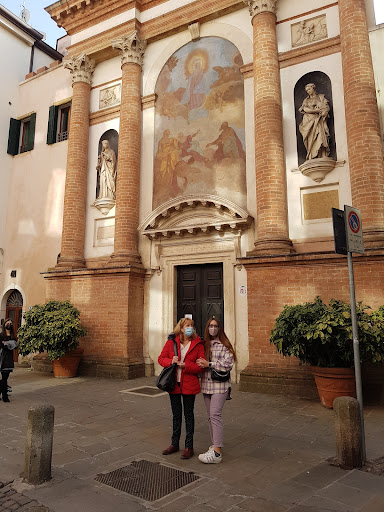
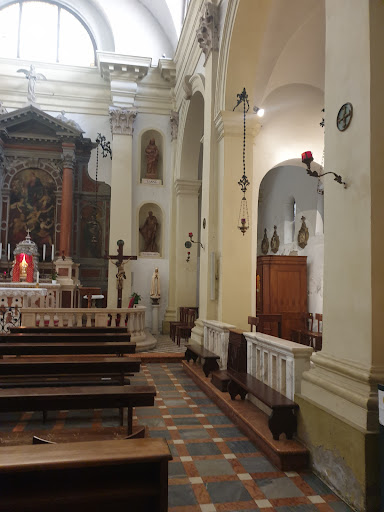
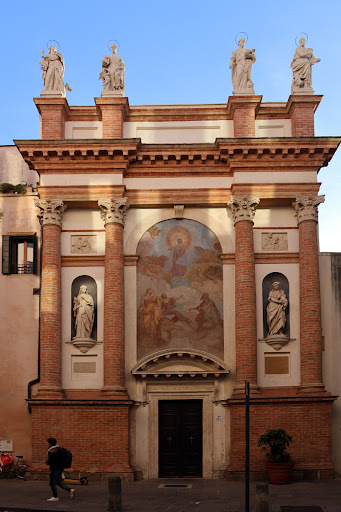
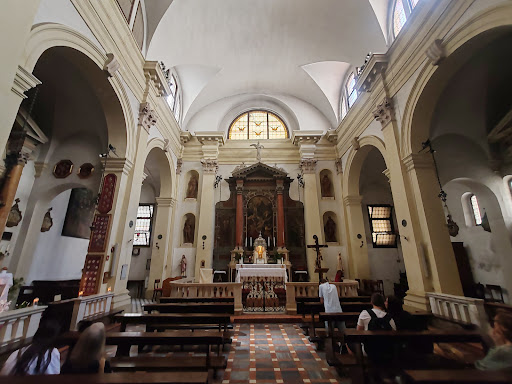
Chiesa dei Santi Canzio, Canziano, Canzianilla e Proto things to do, attractions, restaurants, events info and trip planning
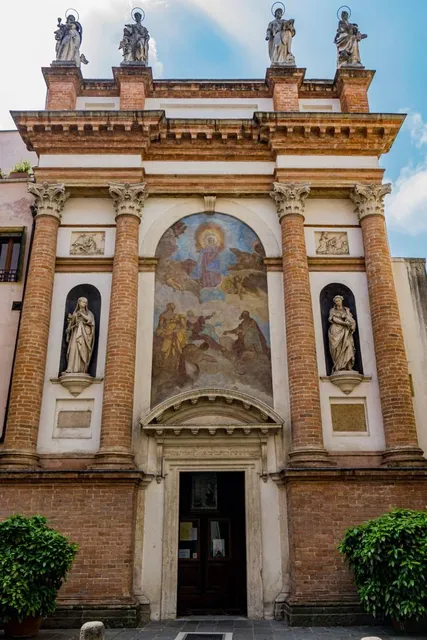
Basic Info
Chiesa dei Santi Canzio, Canziano, Canzianilla e Proto
Via S. Canziano, 9, 35100 Padova PD, Italy
4.6(61)
Open 24 hours
Save
spot
spot
Ratings & Description
Info
Cultural
Accessibility
attractions: Palazzo Bo, Piazza della frutta, Ragione Palace, University of Padua, Palazzo Zabarella, Tourist Office at Galleria Pedrocchi, Church of Santa Maria dei Servi, Padua, Tomb of Antenor, Padua Cathedral, Ponte San Lorenzo, restaurants: Venchi Cioccolato e Gelato, Padova, Vinet, Il Gottino - Wine Bar, Goppion Caffetteria, Locanda Peccatorum Padova, Steampower Specialty Coffee & Brunch, miscusi | pasta fresca - Padova, Shanghai Naturalmente, da Pino Padova, Hamerica's ghetto via dell’Arco Padova, local businesses: Pedrocchi Café, Piazza della frutta, Feltrinelli Bookstores, Sotto Salone Piazza Delle Erbe, Piazza dei Signori, Pam Local, RCE Foto, Pam Local, Flying Tiger Copenhagen, Palazzo Zabarella
 Learn more insights from Wanderboat AI.
Website
diocesipadova.it
Plan your stay

Pet-friendly Hotels in Padua
Find a cozy hotel nearby and make it a full experience.

Affordable Hotels in Padua
Find a cozy hotel nearby and make it a full experience.

The Coolest Hotels You Haven't Heard Of (Yet)
Find a cozy hotel nearby and make it a full experience.

Trending Stays Worth the Hype in Padua
Find a cozy hotel nearby and make it a full experience.
Reviews
Live events

CORSO DI PRANOTERAPIA VICENZA
Sat, Feb 7 • 10:00 AM
7 Contrà Jacopo Cabianca 36100 Vicenza
View details

STELLAR-PARTY
Thu, Feb 12 • 7:00 PM
45 Via Fratelli Bandiera, 30175 Venezia
View details

Parole di Partecipazione attiva: Cultura e Partecipazione
Thu, Feb 12 • 10:00 AM
11 Via Giovanni Pascoli 30171 Venezia
View details
Nearby attractions of Chiesa dei Santi Canzio, Canziano, Canzianilla e Proto
Palazzo Bo
Piazza della frutta
Ragione Palace
University of Padua
Palazzo Zabarella
Tourist Office at Galleria Pedrocchi
Church of Santa Maria dei Servi, Padua
Tomb of Antenor
Padua Cathedral
Ponte San Lorenzo
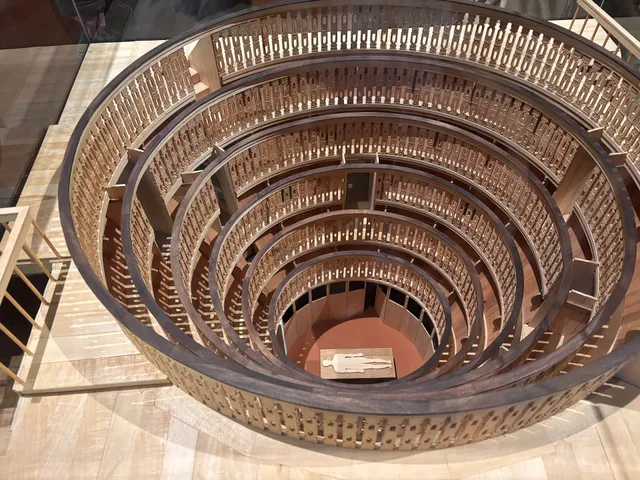
Palazzo Bo
4.7
(1.8K)
Closed
Click for details
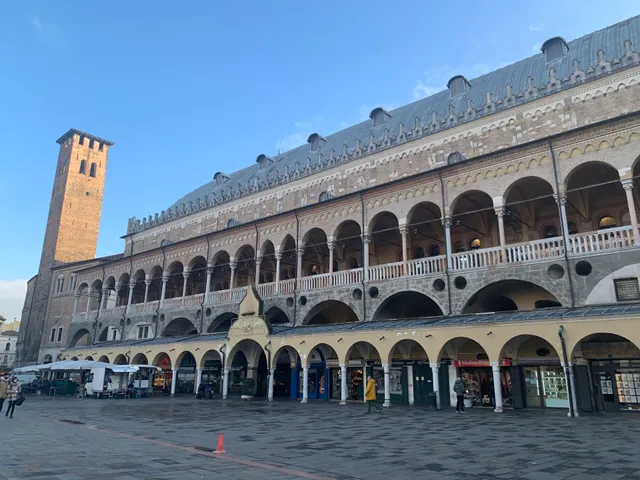
Piazza della frutta
4.6
(2.7K)
Open until 12:00 AM
Click for details
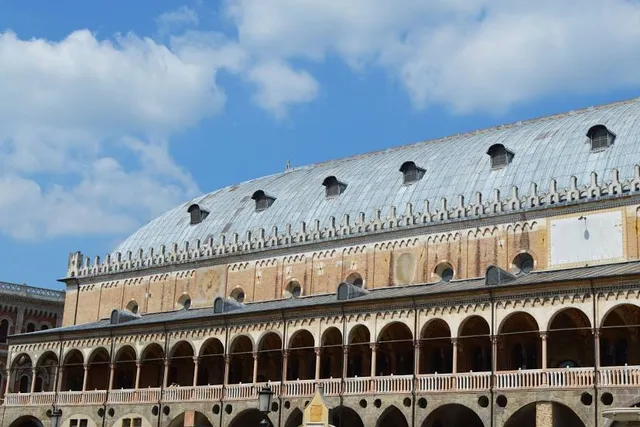
Ragione Palace
4.6
(1.9K)
Closed
Click for details
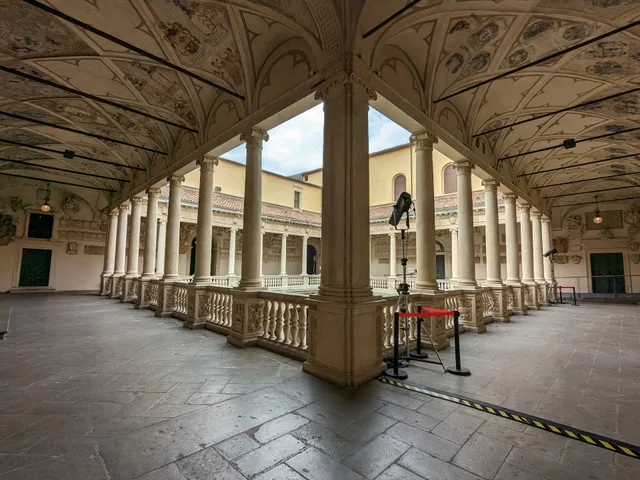
University of Padua
4.5
(906)
Open until 12:00 AM
Click for details
Nearby restaurants of Chiesa dei Santi Canzio, Canziano, Canzianilla e Proto
Venchi Cioccolato e Gelato, Padova
Vinet
Il Gottino - Wine Bar
Goppion Caffetteria
Locanda Peccatorum Padova
Steampower Specialty Coffee & Brunch
miscusi | pasta fresca - Padova
Shanghai Naturalmente
da Pino Padova
Hamerica's ghetto via dell’Arco Padova
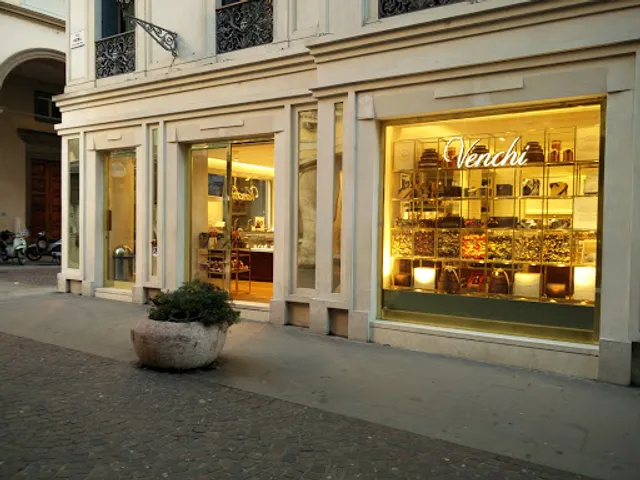
Venchi Cioccolato e Gelato, Padova
4.6
(1.0K)
Closed
Click for details
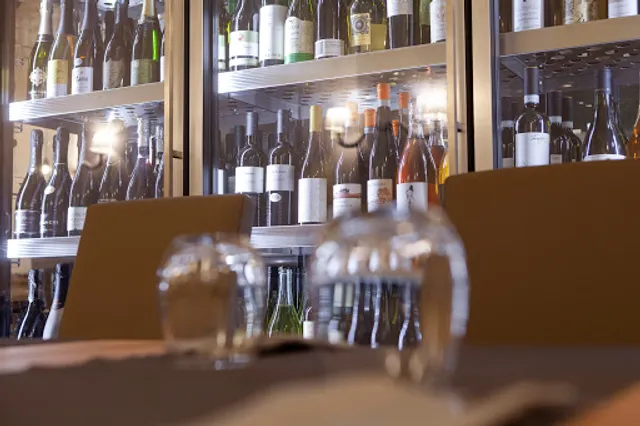
Vinet
4.7
(299)
Closed
Click for details
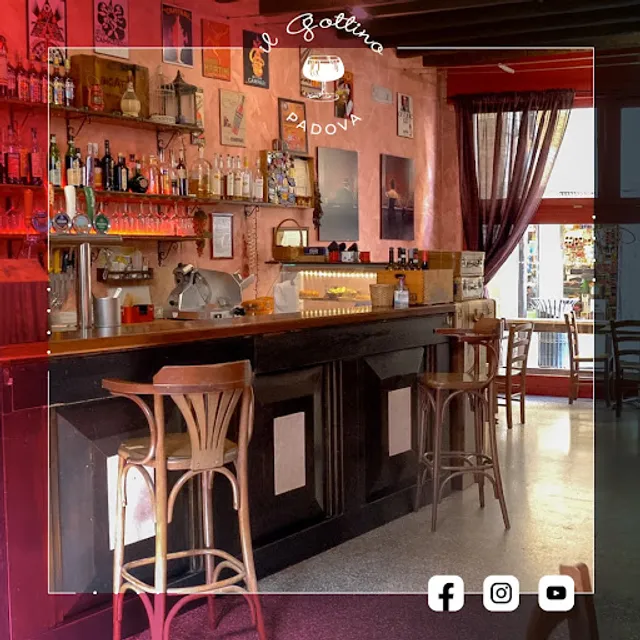
Il Gottino - Wine Bar
4.5
(261)
Closed
Click for details
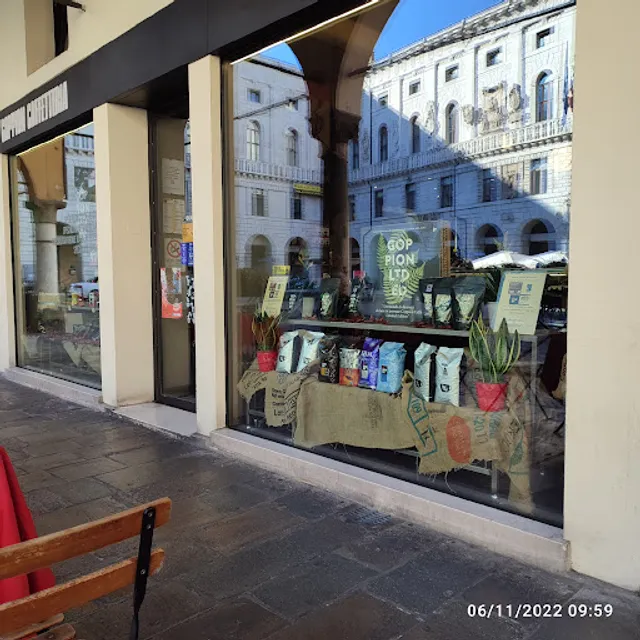
Goppion Caffetteria
4.2
(477)
Closed
Click for details
Nearby local services of Chiesa dei Santi Canzio, Canziano, Canzianilla e Proto
Pedrocchi Café
Piazza della frutta
Feltrinelli Bookstores
Sotto Salone Piazza Delle Erbe
Piazza dei Signori
Pam Local
RCE Foto
Pam Local
Flying Tiger Copenhagen
Palazzo Zabarella
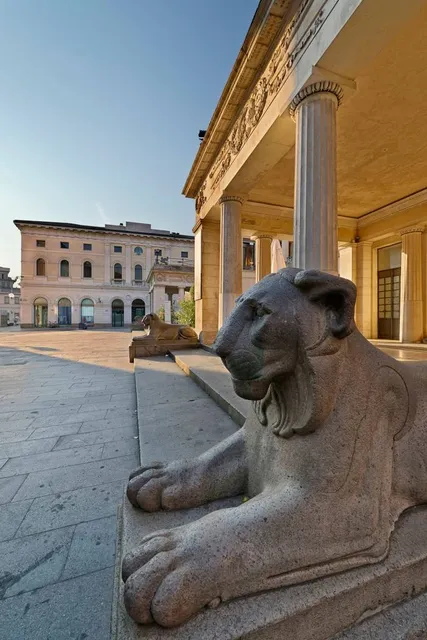
Pedrocchi Café
4.4
(5.2K)
Click for details
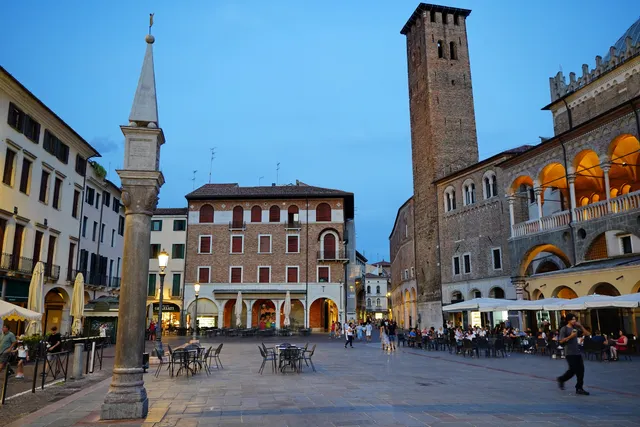
Piazza della frutta
4.6
(2.6K)
Click for details
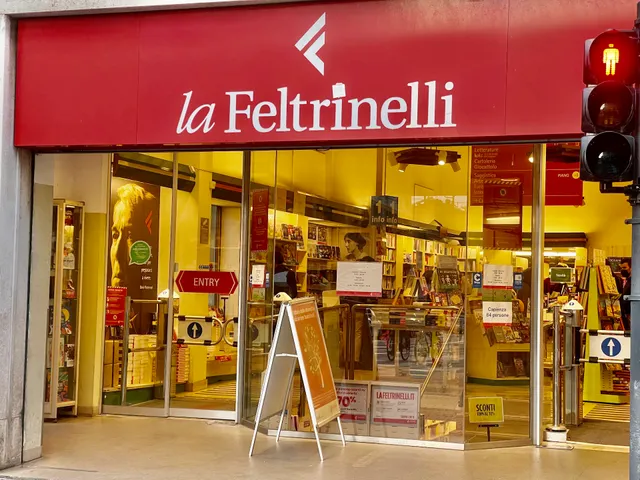
Feltrinelli Bookstores
4.5
(1.7K)
Click for details
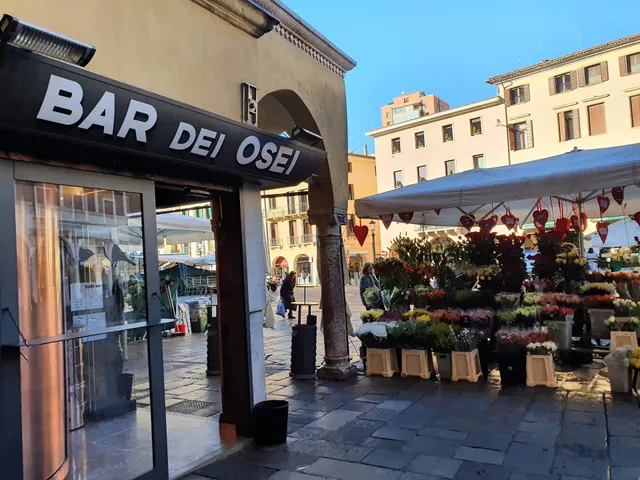
Sotto Salone Piazza Delle Erbe
4.7
(821)
Click for details