Temple of Isis things to do, attractions, restaurants, events info and trip planning
Basic Info
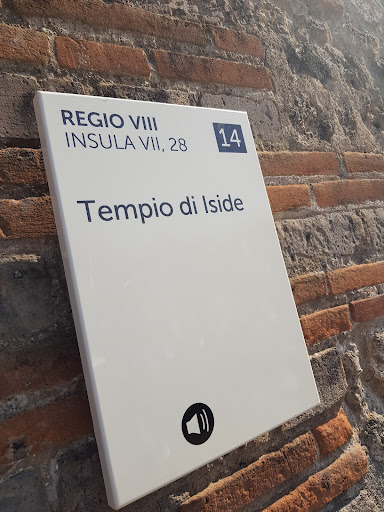
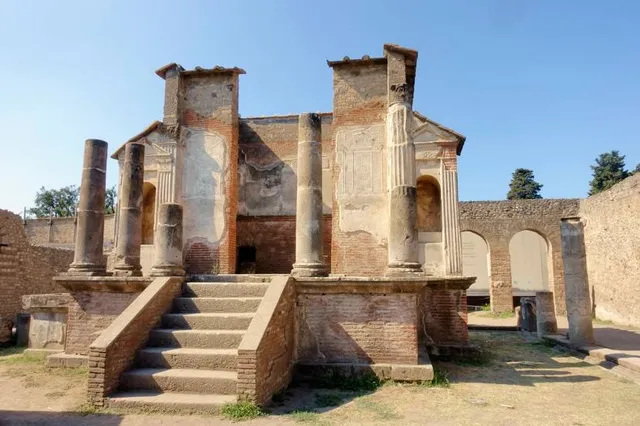
Temple of Isis
Via del Tempio d’Iside, 30, 80045 Pompei NA, Italy
4.6(97)
Closed
Save
spot
spot
Ratings & Description
Info
Cultural
Family friendly
Accessibility
attractions: Teatro grande, Pompeii Archaeological Park, Lupanare di Pompei, Forum of Pompeii, Teatro Piccolo, Quadriporticus of the theatres, House of Menander, Terme Stabiane, Palestra Sannitica, House of the Cryptoporticus, restaurants: Ventuno grammi - anima in cucina, Ristorante Pizzeria IMatti, Ristorante pizzeria Turistico, Coffee House, Chora Cafè & Wine Bar Pompei, ONE SUSHI - Pompei, Pizzeria Pompei, Terrazza Pompeiana, Shaval, Ristorante Suisse, local businesses: Foro de Pompeya, House of Ceii - Excavations, Casina dell'Aquila, Sanctuaire d'Apollon, Casa de Siricus, Antiquarium di Pompei, Centaure par Igor Mitoraj, Antiquarium of Pompeii, Pompeii Ruins, Archeo Teatro Pompeiano
 Learn more insights from Wanderboat AI.
Website
pompeiisites.org
Open hoursSee all hours
Thu9 AM - 7 PMClosed
Plan your stay

Pet-friendly Hotels in Pompei
Find a cozy hotel nearby and make it a full experience.

Affordable Hotels in Pompei
Find a cozy hotel nearby and make it a full experience.

The Coolest Hotels You Haven't Heard Of (Yet)
Find a cozy hotel nearby and make it a full experience.

Trending Stays Worth the Hype in Pompei
Find a cozy hotel nearby and make it a full experience.
Reviews
Live events
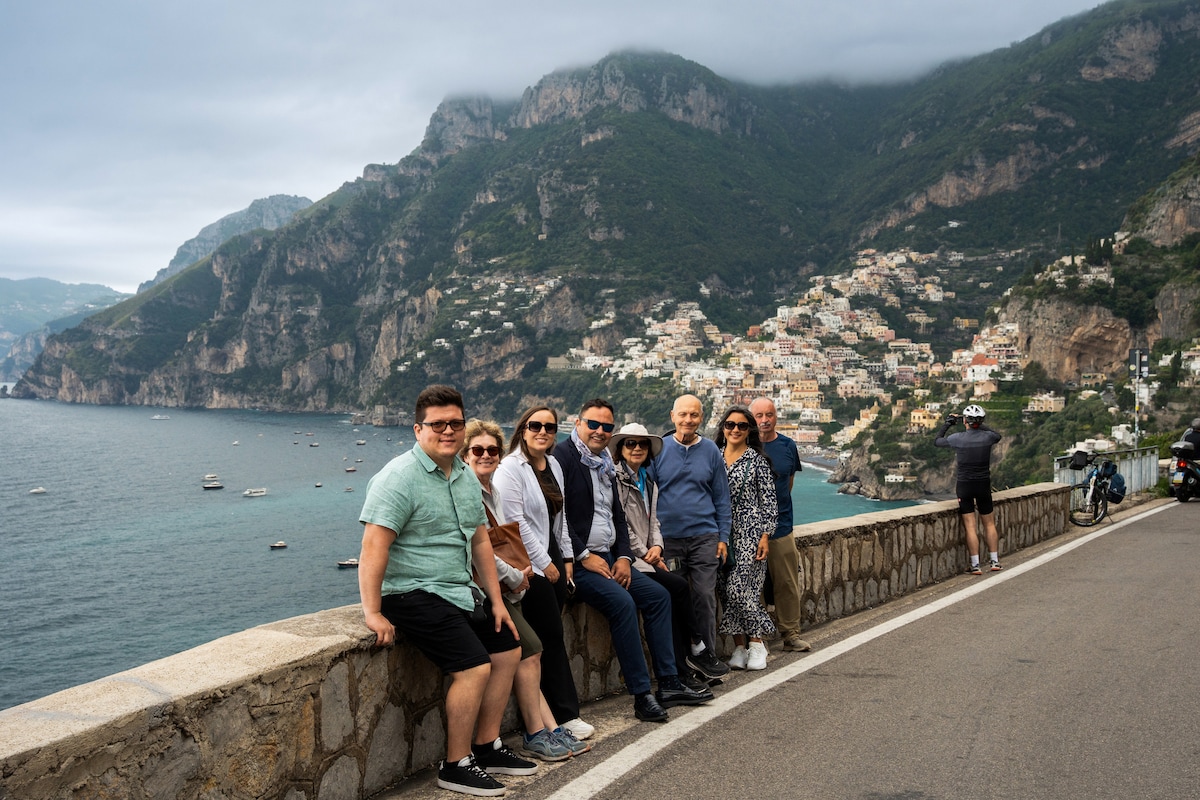
Discover the Amalfi Coast
Fri, Feb 13 • 9:00 AM
80142, Naples, Campania, Italy
View details
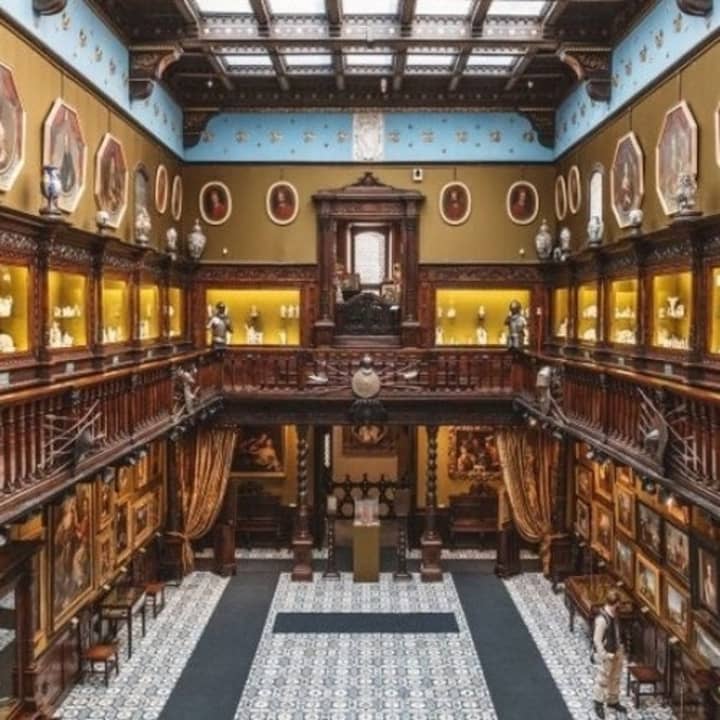
Visita la Cappella di San Gennaro, il Museo del Tesoro e il Museo Filangieri
Thu, Feb 12 • 9:30 AM
Via Duomo, 149, Napoli, 80138
View details

CARNEVALE AL TENNIS CLUB NAPOLI
Thu, Feb 12 • 8:00 PM
Viale Anton Dohrn 80122 Napoli
View details
Nearby attractions of Temple of Isis
Teatro grande
Pompeii Archaeological Park
Lupanare di Pompei
Forum of Pompeii
Teatro Piccolo
Quadriporticus of the theatres
House of Menander
Terme Stabiane
Palestra Sannitica
House of the Cryptoporticus
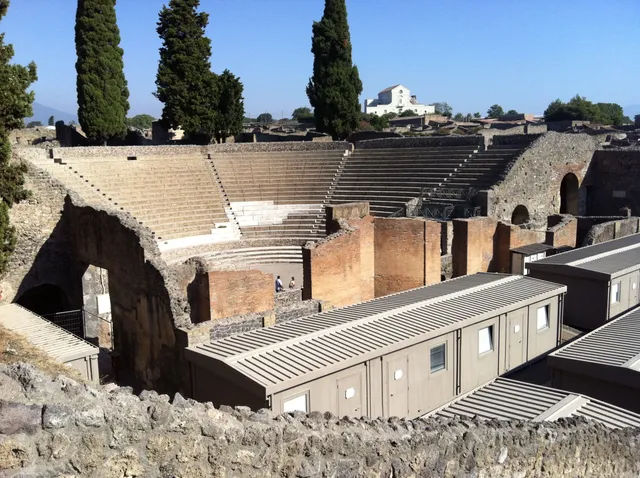
Teatro grande
4.8
(3K)
Closed
Click for details
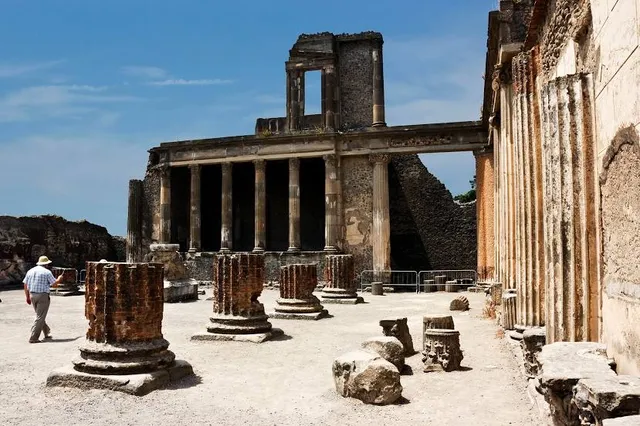
Pompeii Archaeological Park
4.7
(8.6K)
Closed
Click for details
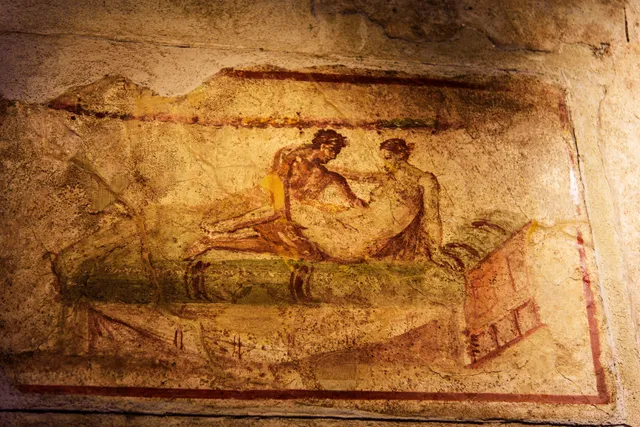
Lupanare di Pompei
4.7
(1.1K)
Closed
Click for details

Forum of Pompeii
4.8
(3.8K)
Closed
Click for details
Nearby restaurants of Temple of Isis
Ventuno grammi - anima in cucina
Ristorante Pizzeria IMatti
Ristorante pizzeria Turistico
Coffee House
Chora Cafè & Wine Bar Pompei
ONE SUSHI - Pompei
Pizzeria Pompei
Terrazza Pompeiana
Shaval
Ristorante Suisse
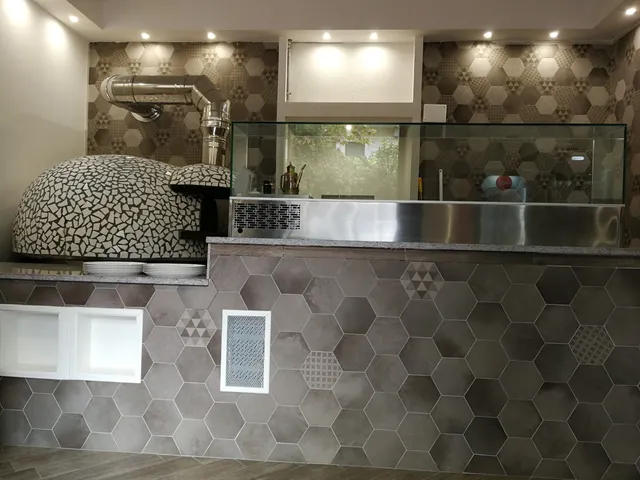
Ventuno grammi - anima in cucina
4.4
(701)
Open until 12:00 AM
Click for details

Ristorante Pizzeria IMatti
4.3
(1.6K)
Open until 11:45 PM
Click for details
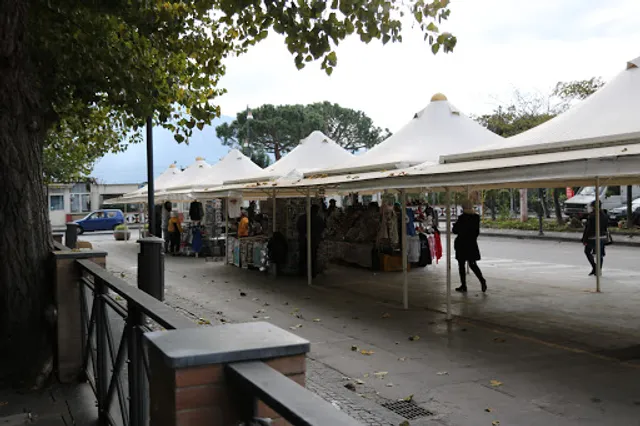
Ristorante pizzeria Turistico
3.1
(811)
Closed
Click for details
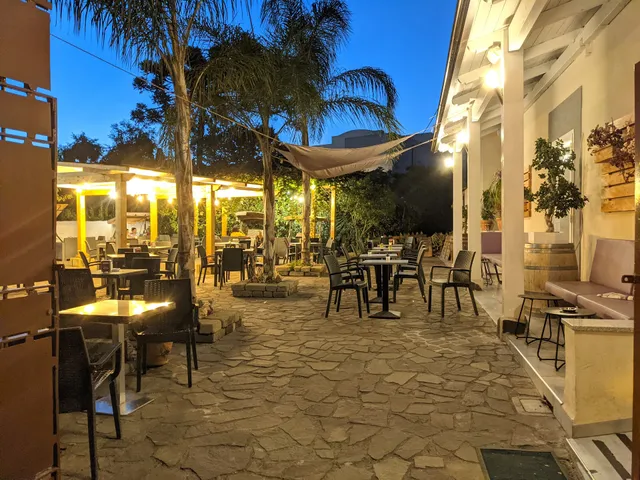
Coffee House
3.9
(402)
Open until 12:00 AM
Click for details
Nearby local services of Temple of Isis
Foro de Pompeya
House of Ceii - Excavations
Casina dell'Aquila
Sanctuaire d'Apollon
Casa de Siricus
Antiquarium di Pompei
Centaure par Igor Mitoraj
Antiquarium of Pompeii
Pompeii Ruins
Archeo Teatro Pompeiano
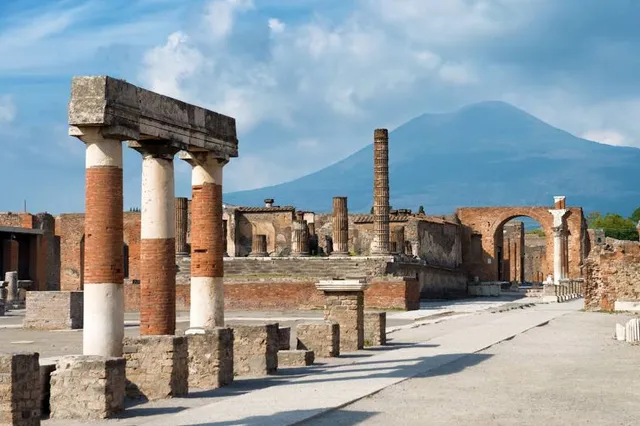
Foro de Pompeya
4.8
(3.1K)
Click for details
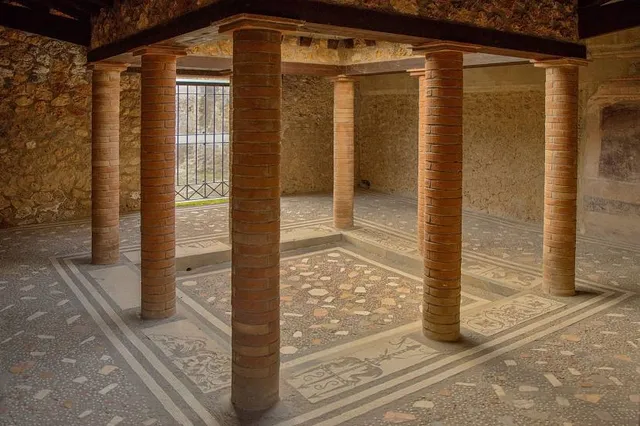
House of Ceii - Excavations
4.7
(30)
Click for details
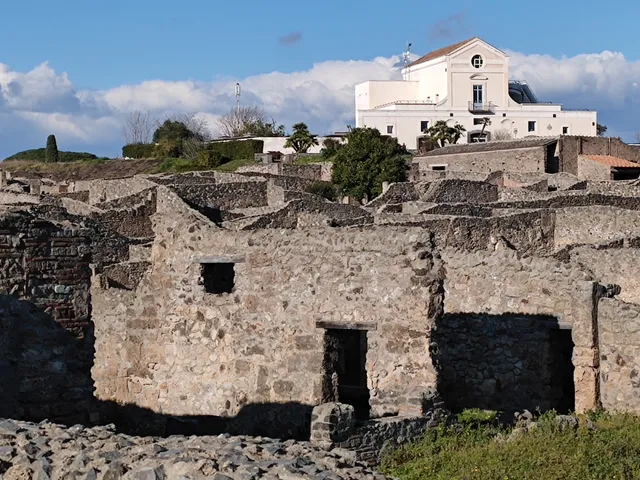
Casina dell'Aquila
2.4
(63)
Click for details
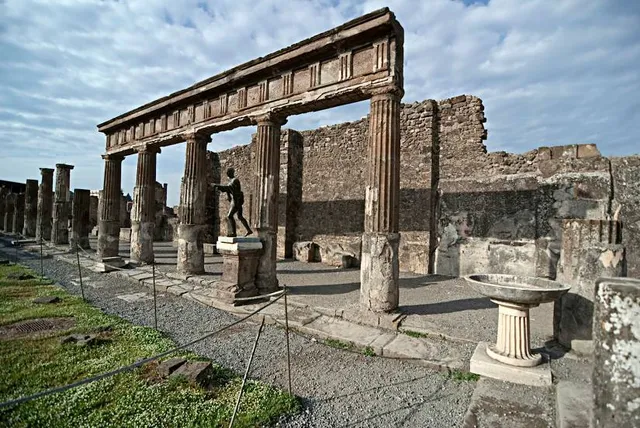
Sanctuaire d'Apollon
4.8
(175)
Click for details