Domus Aurea things to do, attractions, restaurants, events info and trip planning
Basic Info
Domus Aurea
Vle della Domus Aurea, 00184 Roma RM, Italy
4.6(1.8K)
Closed

tickets
Save
spot
spot
Ratings & Description
Info
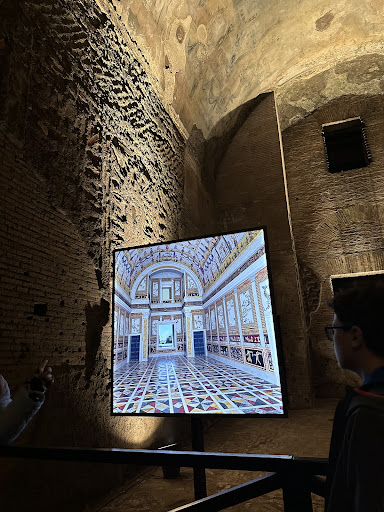
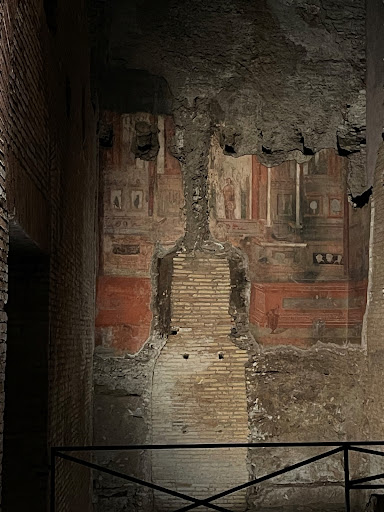
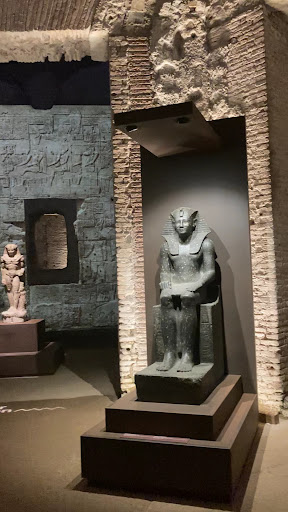
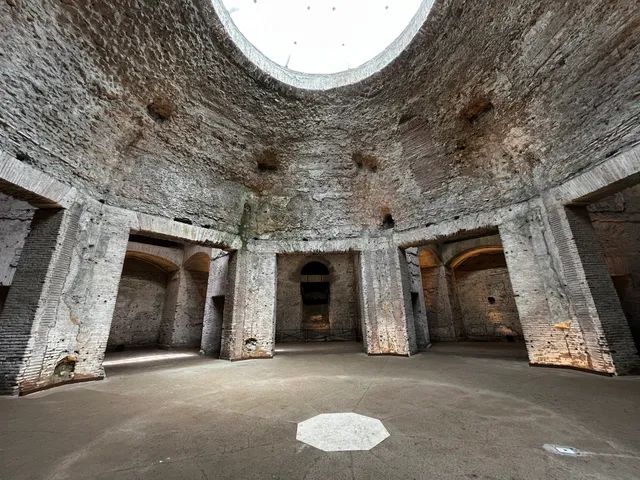
The Domus Aurea was a vast landscaped complex built by the Emperor Nero largely on the Oppian Hill in the heart of ancient Rome after the great fire in 64 AD had destroyed a large part of the city. It replaced and extended his Domus Transitoria that he had built as his first palace complex on the site.
Cultural
Accessibility
attractions: Colosseum, Parco del Colle Oppio, Basilica of San Clemente, Ludus Magnus, Basilica of San Pietro in Vincoli, Mosè di Michelangelo, Baths of Trajan, Colosseum Skatepark, Arch of Constantine, Giardinetto del Monte Oppio, restaurants: Ristorante Pizza Forum, Ristoro Della Salute, RoYaL Art Cafè, Ristorante Caffè Martini & Rossi, Pasqualino Al Colosseo dal 1956- Trattoria Romana, Trattoria Luzzi, Coming Out, The Court Bar. Palazzo Manfredi, Hostaria Al Gladiatore, Divinostilia food&winebar, local businesses: Lato 15, Esquiline Hill, Italy With Family | Colosseum Tours | Vatican Tours, Palatine Hill, GOLD ICE, La Mandragora, Antiques & Antics, Palatine Hill, Le Cinquine - Pizza e Tradizione Cecchini, Vesti di Messalina
 Learn more insights from Wanderboat AI.
Phone
+39 06 699 8443
Website
ticketing.colosseo.it
Open hoursSee all hours
Sat9:15 AM - 5:15 PMClosed
Plan your stay

Pet-friendly Hotels in Rome
Find a cozy hotel nearby and make it a full experience.

Affordable Hotels in Rome
Find a cozy hotel nearby and make it a full experience.

The Coolest Hotels You Haven't Heard Of (Yet)
Find a cozy hotel nearby and make it a full experience.

Trending Stays Worth the Hype in Rome
Find a cozy hotel nearby and make it a full experience.
Reviews
Live events
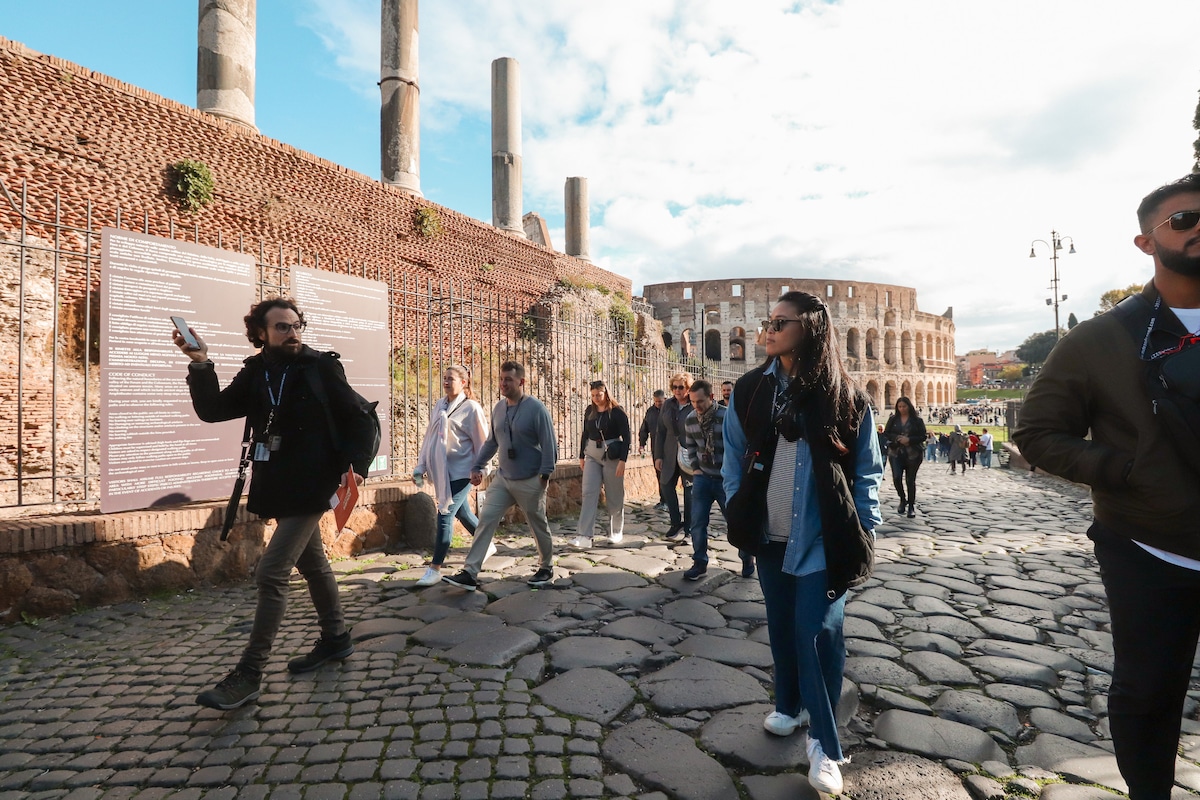
Colosseum, Forum, and Palatine Hill Guided Tour
Sun, Feb 22 • 9:30 AM
00184, Rome, Lazio, Italy
View details

Handmade Pasta Class in Pantheon
Wed, Feb 25 • 11:00 AM
00186, Rome, Lazio, Italy
View details

NOISE DEALERS
Fri, Feb 20 • 11:00 PM
7400 Via Trionfale 00136 Roma
View details
Nearby attractions of Domus Aurea
Colosseum
Parco del Colle Oppio
Basilica of San Clemente
Ludus Magnus
Basilica of San Pietro in Vincoli
Mosè di Michelangelo
Baths of Trajan
Colosseum Skatepark
Arch of Constantine
Giardinetto del Monte Oppio
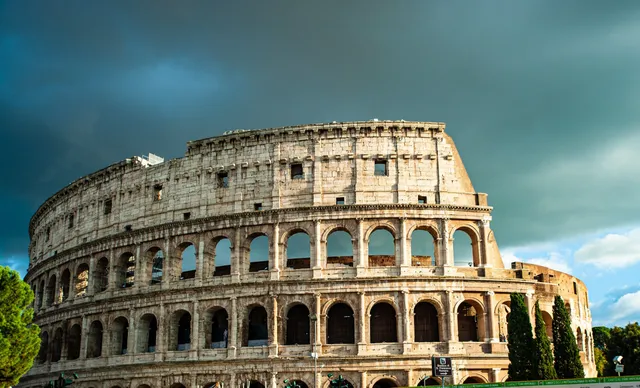
Colosseum
4.8
(141.1K)
Closed
Click for details
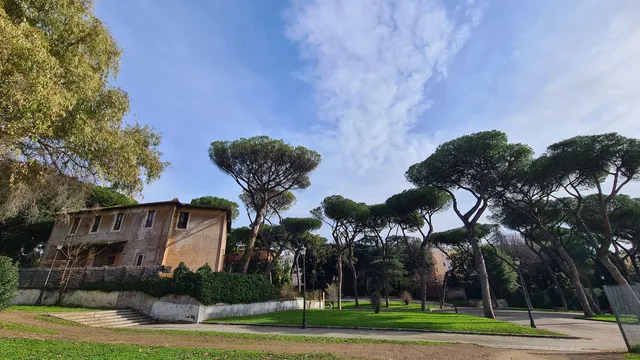
Parco del Colle Oppio
4.2
(2.1K)
Closed
Click for details
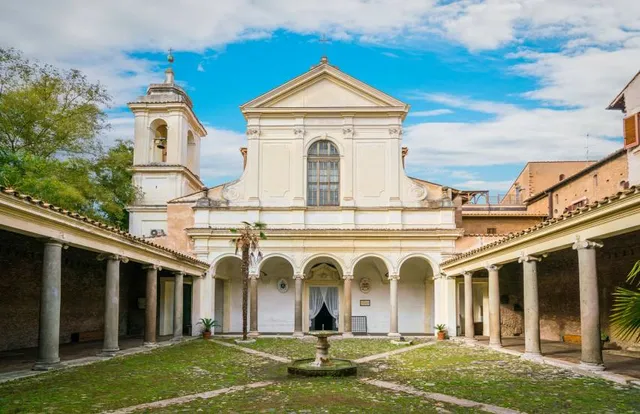
Basilica of San Clemente
4.7
(3.2K)
Closed
Click for details
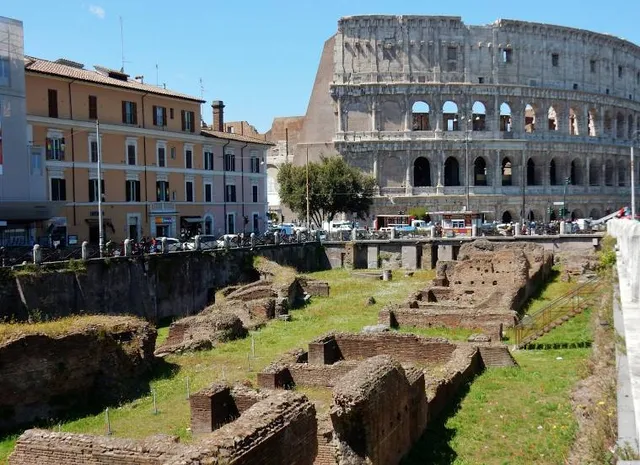
Ludus Magnus
4.4
(244)
Open 24 hours
Click for details
Nearby restaurants of Domus Aurea
Ristorante Pizza Forum
Ristoro Della Salute
RoYaL Art Cafè
Ristorante Caffè Martini & Rossi
Pasqualino Al Colosseo dal 1956- Trattoria Romana
Trattoria Luzzi
Coming Out
The Court Bar. Palazzo Manfredi
Hostaria Al Gladiatore
Divinostilia food&winebar
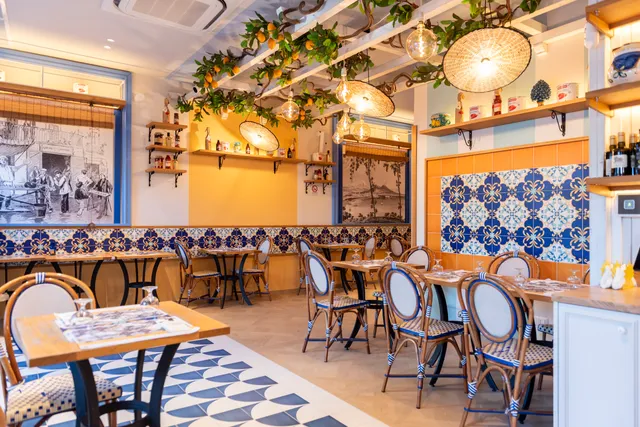
Ristorante Pizza Forum
4.7
(8.4K)
Closed
Click for details
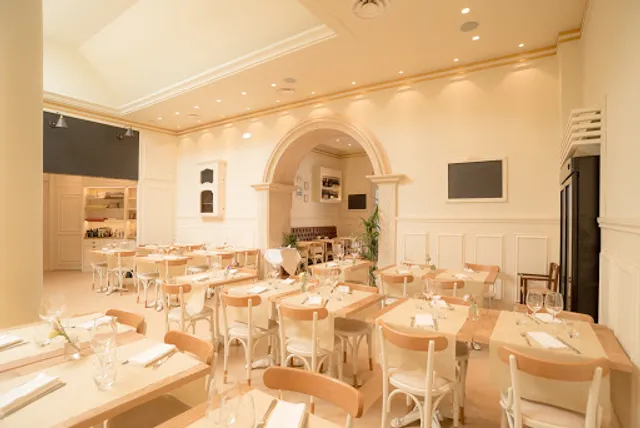
Ristoro Della Salute
4.7
(8.2K)
Closed
Click for details
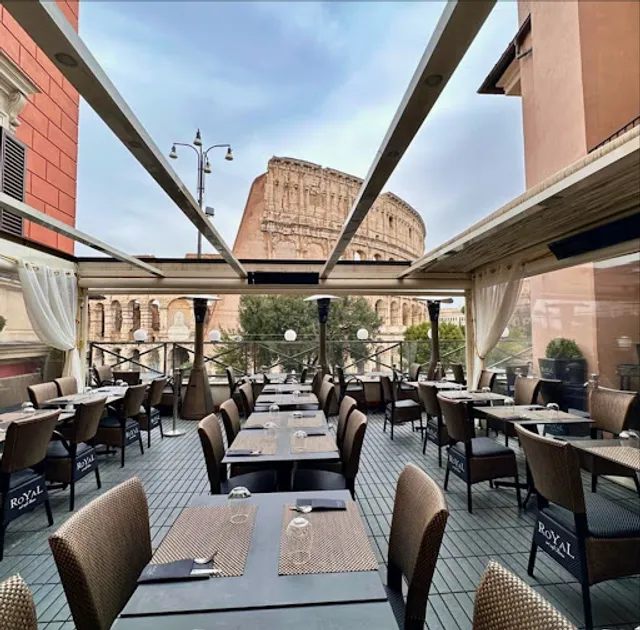
RoYaL Art Cafè
4.7
(5.4K)
Closed
Click for details
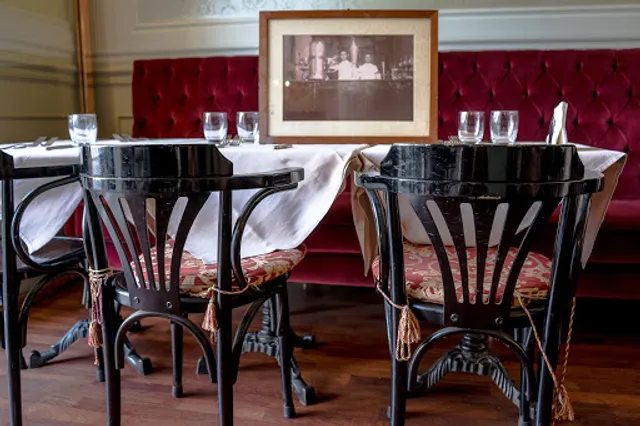
Ristorante Caffè Martini & Rossi
4.7
(4K)
$$
Closed
Click for details
Nearby local services of Domus Aurea
Lato 15
Esquiline Hill
Italy With Family | Colosseum Tours | Vatican Tours
Palatine Hill
GOLD ICE
La Mandragora
Antiques & Antics
Palatine Hill
Le Cinquine - Pizza e Tradizione Cecchini
Vesti di Messalina
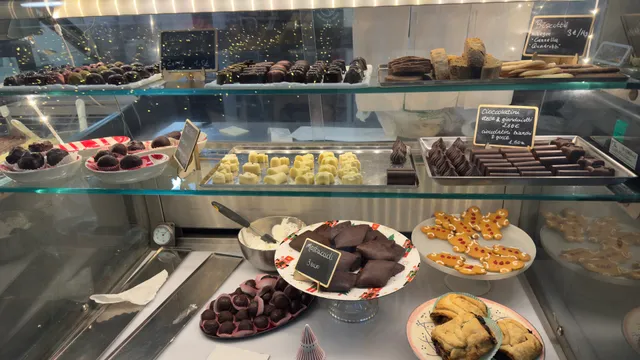
Lato 15
4.6
(321)
Click for details
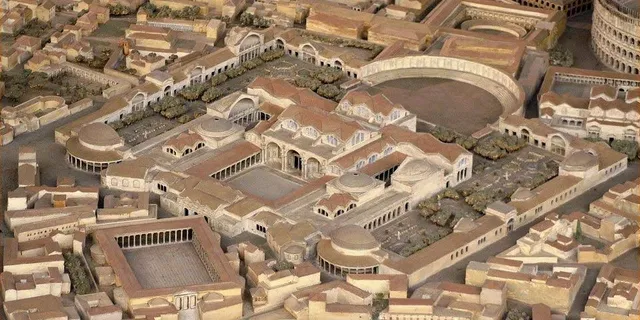
Esquiline Hill
4.4
(28)
Click for details
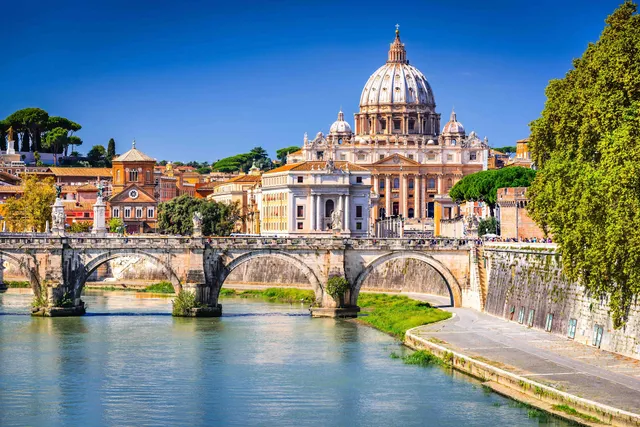
Italy With Family | Colosseum Tours | Vatican Tours
4.0
(120)
Click for details
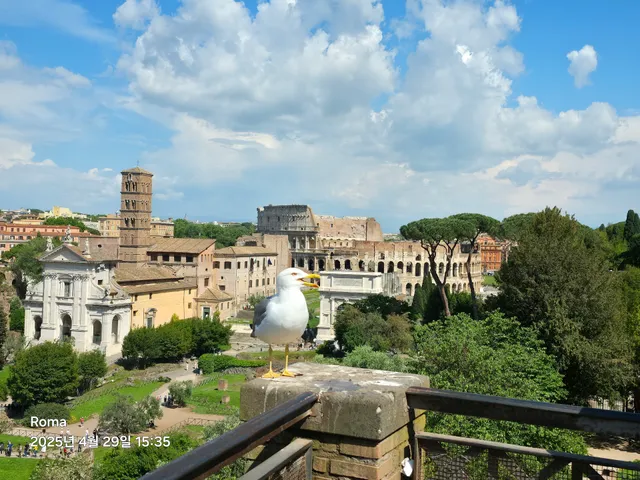
Palatine Hill
4.7
(5.3K)
Click for details


The hit list
Plan your trip with Wanderboat
Welcome to Wanderboat AI, your AI search for local Eats and Fun, designed to help you explore your city and the world with ease.
Powered by Wanderboat AI trip planner.